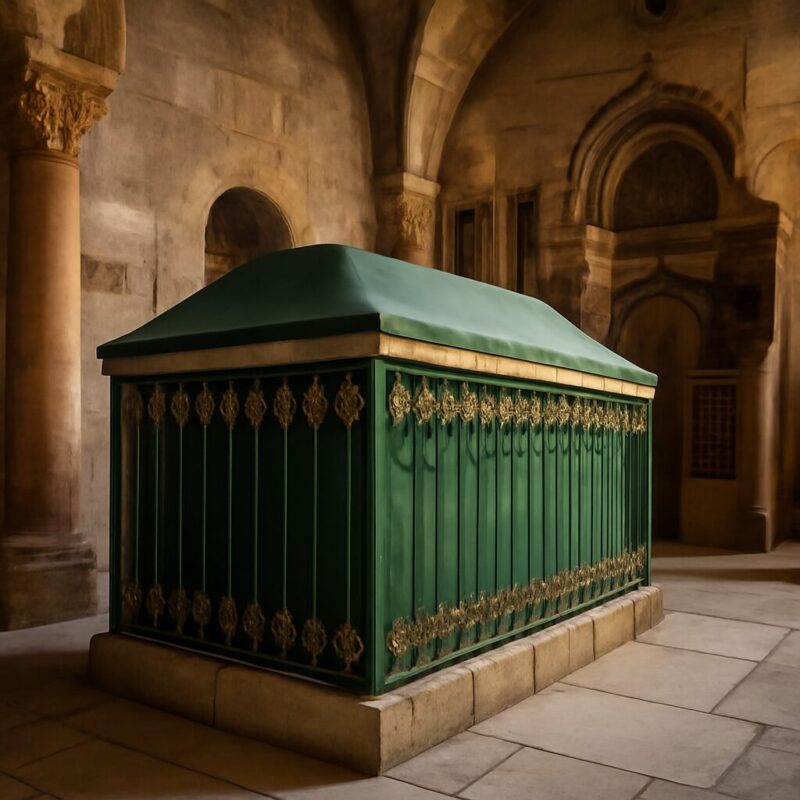
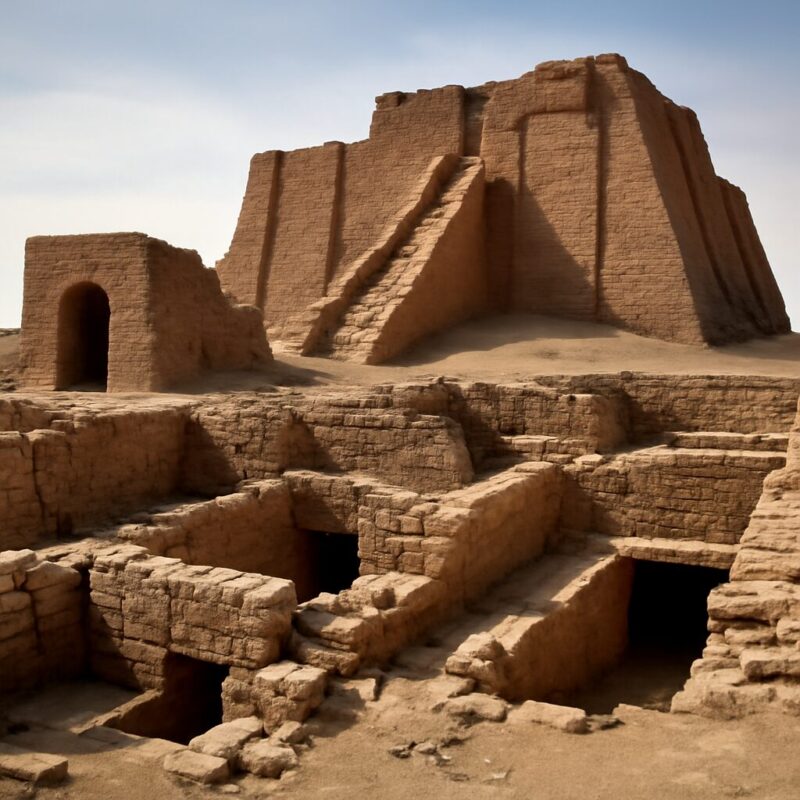
Imagine the scene: the 1920s, the heat of the Iraqi desert, and the archaeologist Leonard Woolley brushing away millennia of dust to reveal not just a grave, but a breathtaking and brutal page from the dawn of civilization. The Royal Tombs of Ur, dating back to around 2600 BCE, are a symphony of splendor and sorrow. These were the resting places of Sumerian royalty, like the famed Queen Puabi, who were laid to rest with unimaginable wealth—headdresses of hammered gold, lapis lazuli from distant Afghanistan, and lyres adorned with the golden head of a bull.
But the tombs whisper a darker tale. The rulers did not journey to the afterlife alone. They were accompanied by their entire retinue—soldiers, musicians, and handmaidens—who willingly or not, took poison to follow their sovereign into the netherworld, found in the tomb chambers in rows of quiet, ceremonial repose. It’s a stark, poignant window into a world where divine kingship and human sacrifice were intertwined, leaving behind not just treasures, but a profound and unsettling mystery about the price of eternity.
Who Built Royal Tombs of Ur?
The Builders of the Royal Tombs of Ur
The Royal Tombs of Ur were constructed by the Sumerians, one of the world's earliest urban civilizations, which flourished in southern Mesopotamia (modern-day Iraq) during the Early Dynastic Period (c. 2900–2350 BCE). The tombs were specifically built for the royalty and high elites of the city-state of Ur, a major political and religious center.
Purpose and Cultural Significance
The tombs were built to serve as elaborate burial chambers for kings, queens, and their retinues, reflecting the Sumerians' complex beliefs about the afterlife. They demonstrate a conviction that royalty would continue to need their wealth, servants, and symbols of status in the next world. This is starkly evidenced by the practice of retainer sacrifice, where dozens of courtiers, soldiers, and musicians were interred alongside the primary royal figure to accompany them in death. The tombs were filled with immense treasures, including the famous Standard of Ur, intricate jewelry, musical instruments like the Lyres of Ur, and ceremonial objects, all intended for use in the afterlife.
Other Notable Constructions from the Provided List
While the Sumerians are not directly linked to other tombs on the provided list, their architectural legacy in monumental construction is part of a broader ancient tradition. For example, their use of burial mounds and elaborate subterranean chambers shares conceptual similarities with other early cultures that built massive earthworks or pyramids for their elite.
- For another early civilization known for its monumental royal burial mounds, you can explore the Cahokia Mound burials.
- To see a contemporaneous culture in the Americas that also developed complex societies with significant tombs, consider the Caral tombs.
- The tradition of pyramid building, though distinct in form and function, is famously associated with Egyptian rulers, as seen in the Great Pyramid of Khufu and the Step Pyramid of Djoser.