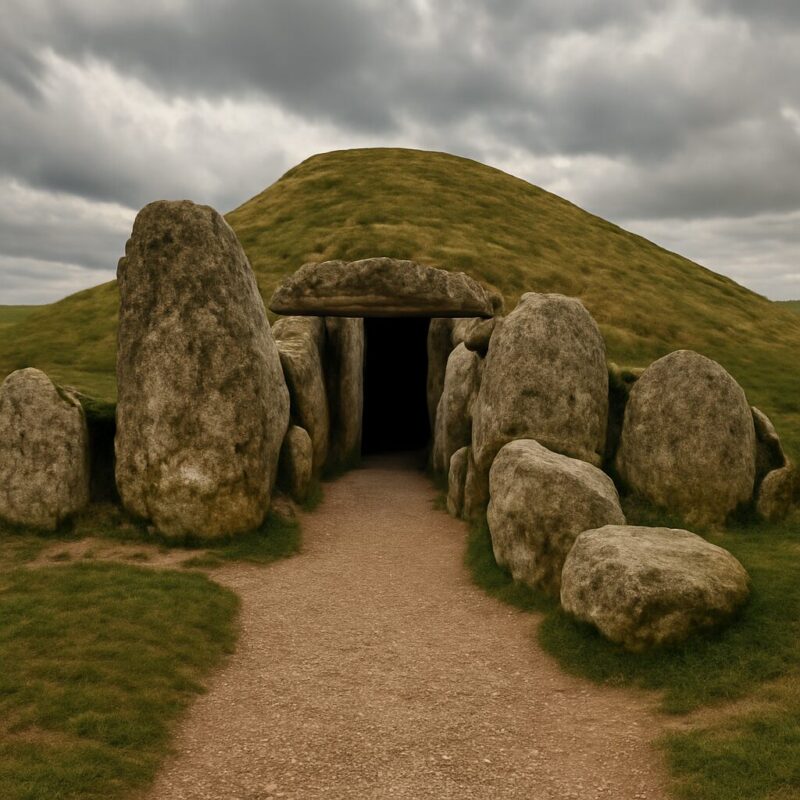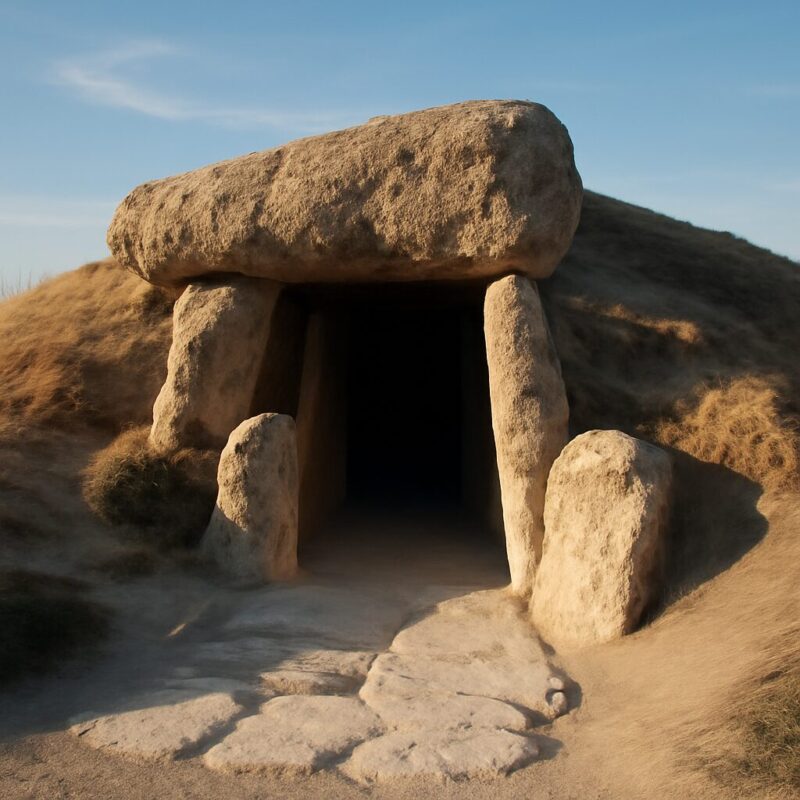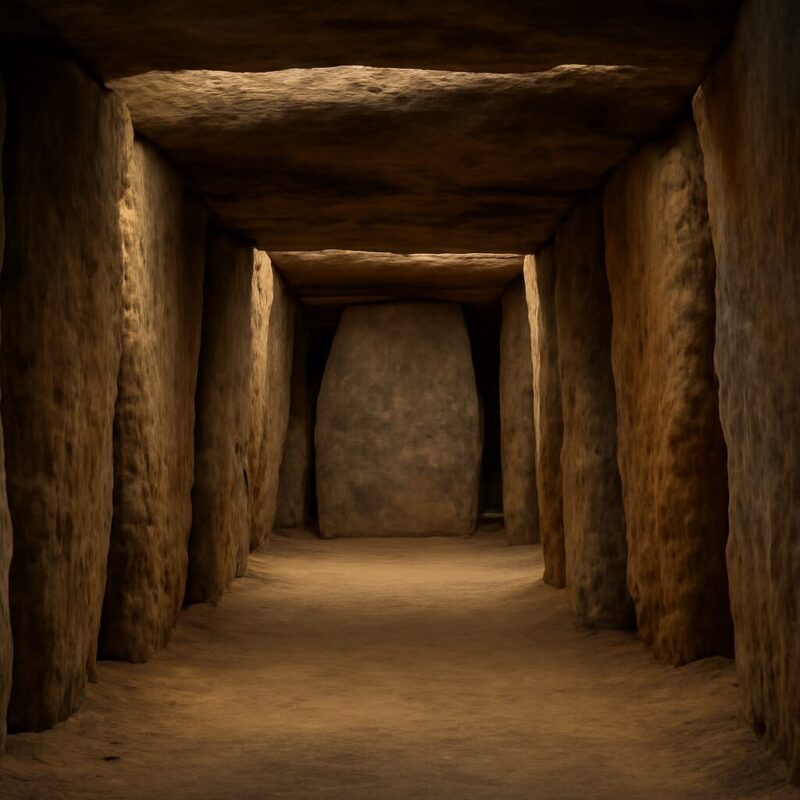
Imagine a ghost ship, not sailing the sea but buried in the earth. That's the haunting essence of Sutton Hoo. In the quiet Suffolk soil of 1939, archaeologists uncovered the silhouette of a vast Anglo-Saxon ship, its wooden timbers long vanished, leaving only a perfect, dark impression in the sand like a phantom's fingerprint. This was no mere grave, but a king's barrow, a tomb-ship meant to carry a warrior—perhaps King Rædwald of East Anglia—into the afterlife.
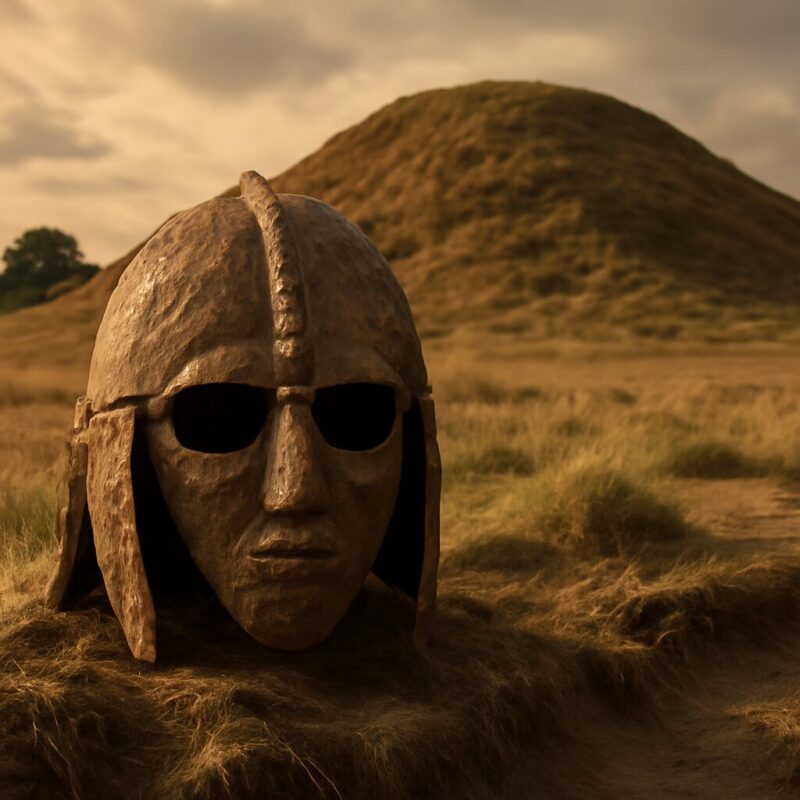
The real treasure wasn't the missing body, but the staggering hoard left behind: a symphony of gold and garnet. A helmet with a facemask of iron and tinned bronze, its fierce eyebrows inlaid with red gems, stares eternally. A heavy gold belt buckle, intricate beyond belief, lies beside delicate shoulder-clasps and the remnants of a lyre. This wasn't just burial; it was a statement of power, artistry, and belief, a glittering secret hidden for over thirteen centuries that forever changed our understanding of the so-called 'Dark Ages.'
Who Built Sutton Hoo?
Who Built Sutton Hoo?
Sutton Hoo is an Anglo-Saxon royal burial site in Suffolk, England. It was built by the East Anglian kingdom, specifically for the burial of a 7th-century king. The most famous ship burial, Mound 1, is widely believed to be the tomb of King Rædwald, a powerful ruler who died around 624/625 AD.
Why Was Sutton Hoo Built?
It was built as a monumental royal cemetery to assert power, prestige, and divine authority. The spectacular ship burial, filled with treasures from across Europe and beyond, served both as a tomb for a great king and as a powerful political statement to contemporaries, demonstrating the wealth, connections, and sophistication of the East Anglian dynasty.
The Anglo-Saxon Burial Culture
The site exemplifies early medieval Germanic burial practices adapted by the Anglo-Saxon elite. High-status individuals were interred with grave goods for the afterlife, often under large earthen mounds. Sutton Hoo's ship burial is a unique and lavish expression of this tradition, blending pagan symbolism with emerging Christian influences from the continent.
Related Burial Structures
While the Anglo-Saxons of Sutton Hoo did not build the other tombs listed, their practice of using large earthen mounds for high-status burials is a tradition found in many other cultures worldwide. For example, similar concepts of mound building for elites can be seen in:
- Mound Builder burials of North America.
- Kofun burial mounds of Japan.
- Cahokia Mound burials in the Mississippian culture.
- Etowah Mound burials, also part of the Mississippian tradition.
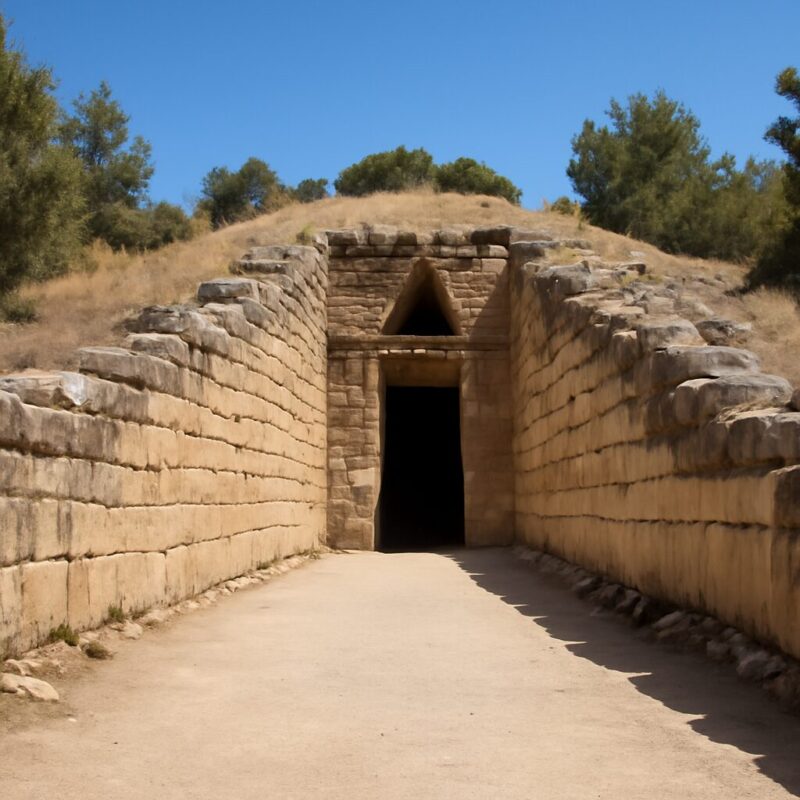
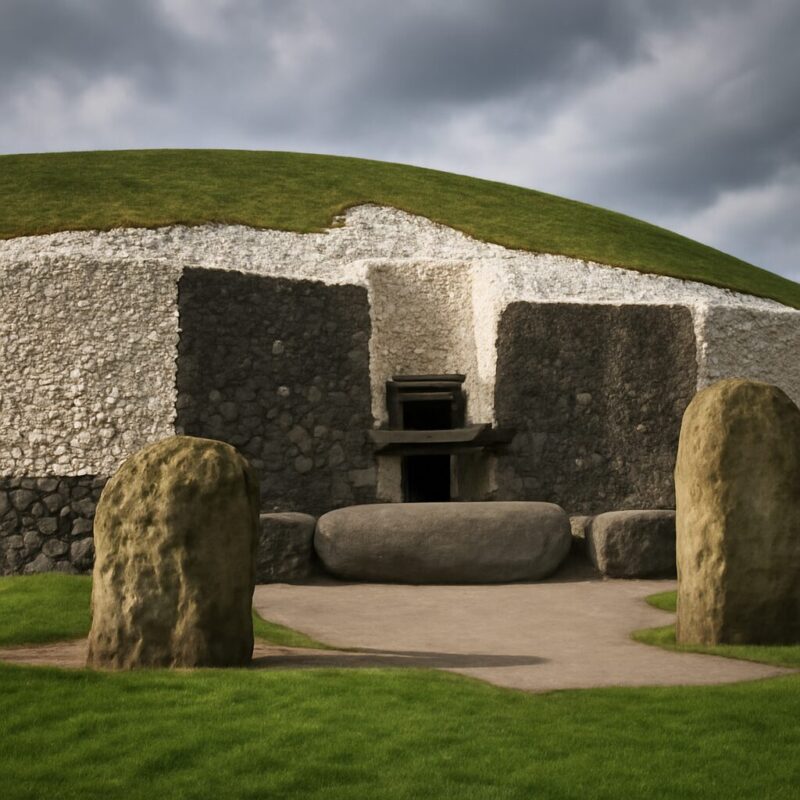
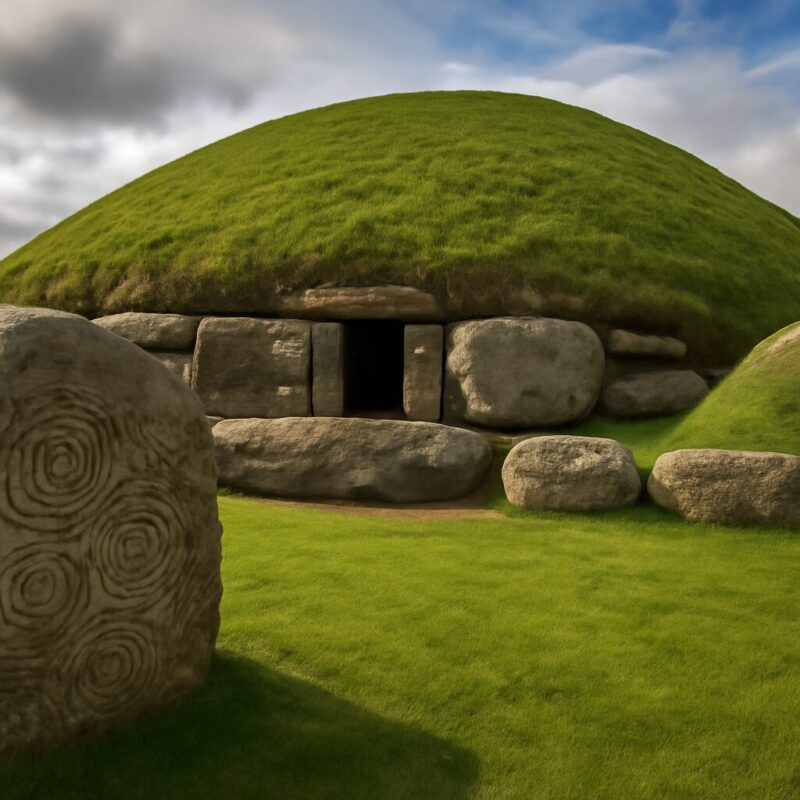
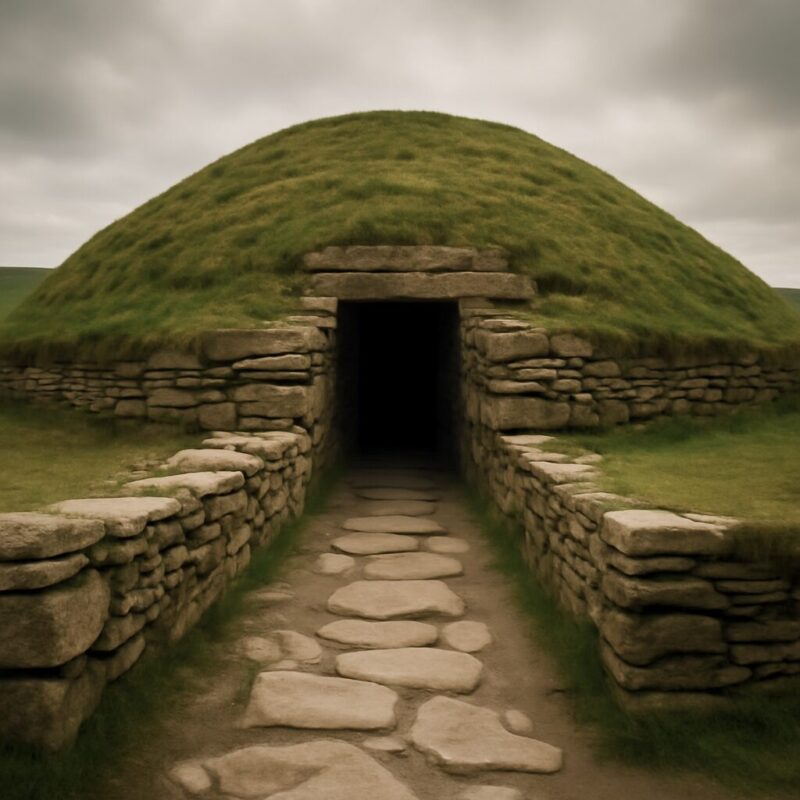
For other monumental early European tombs, you might explore the Neolithic Newgrange in Ireland or the Maeshowe chambered tomb in Orkney.