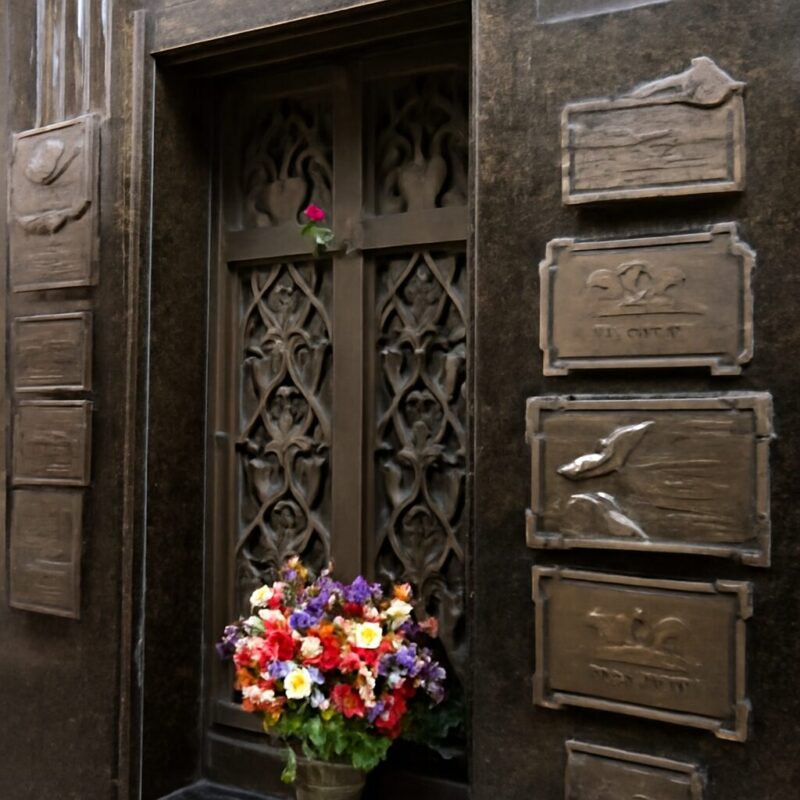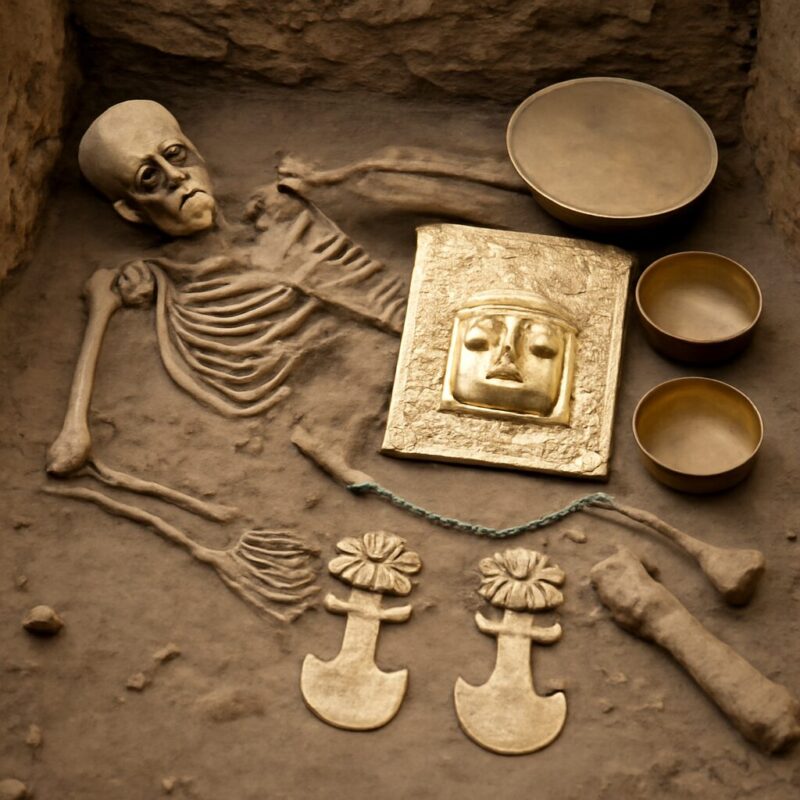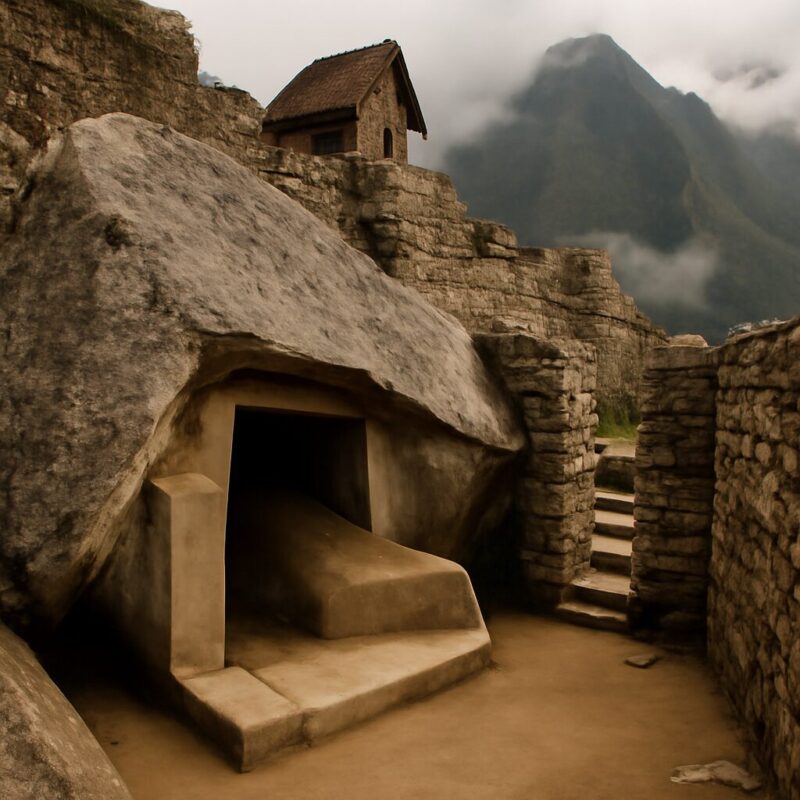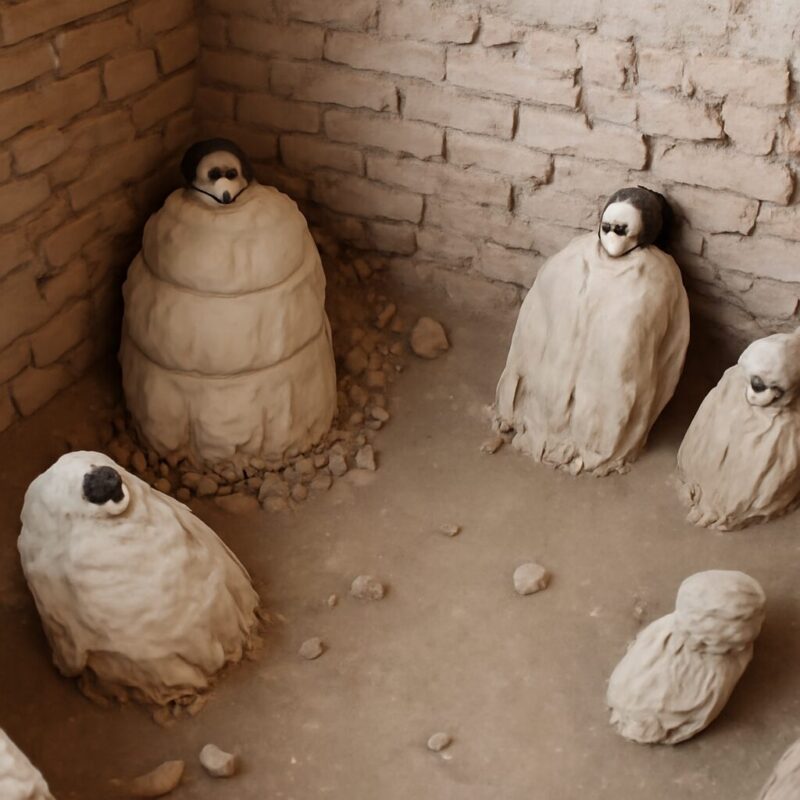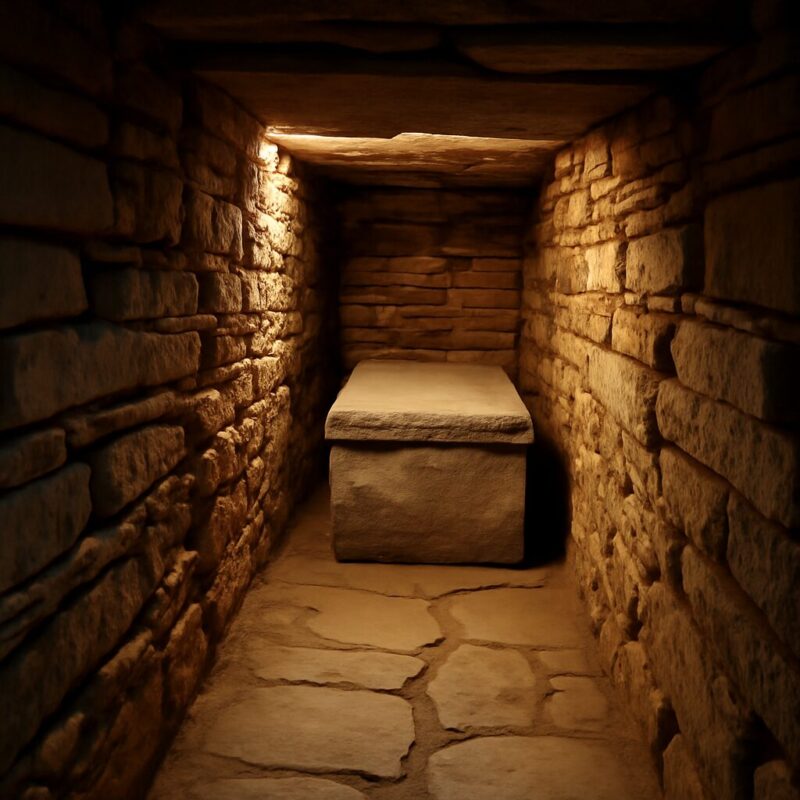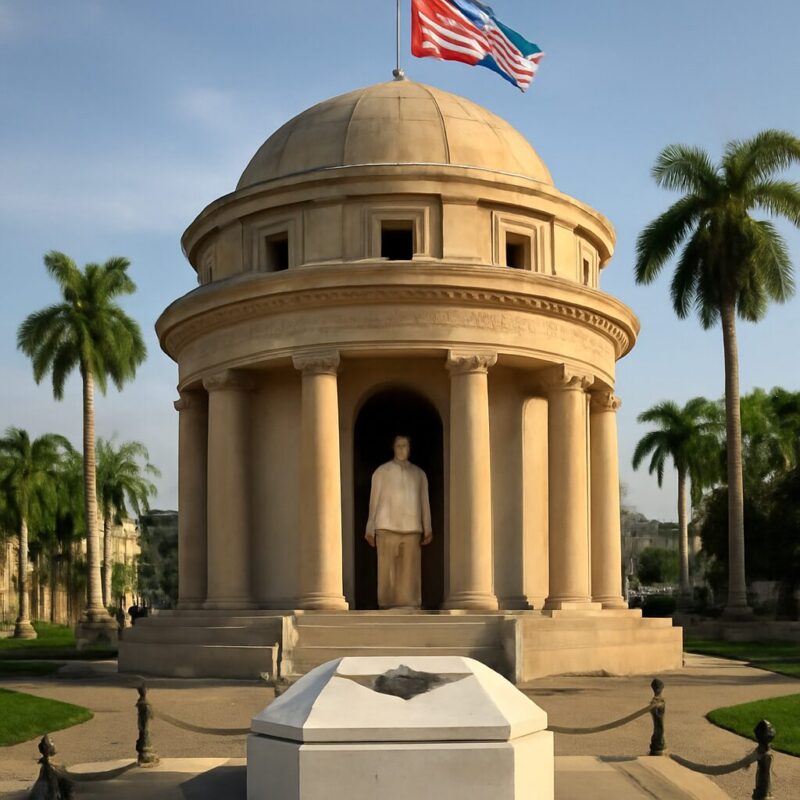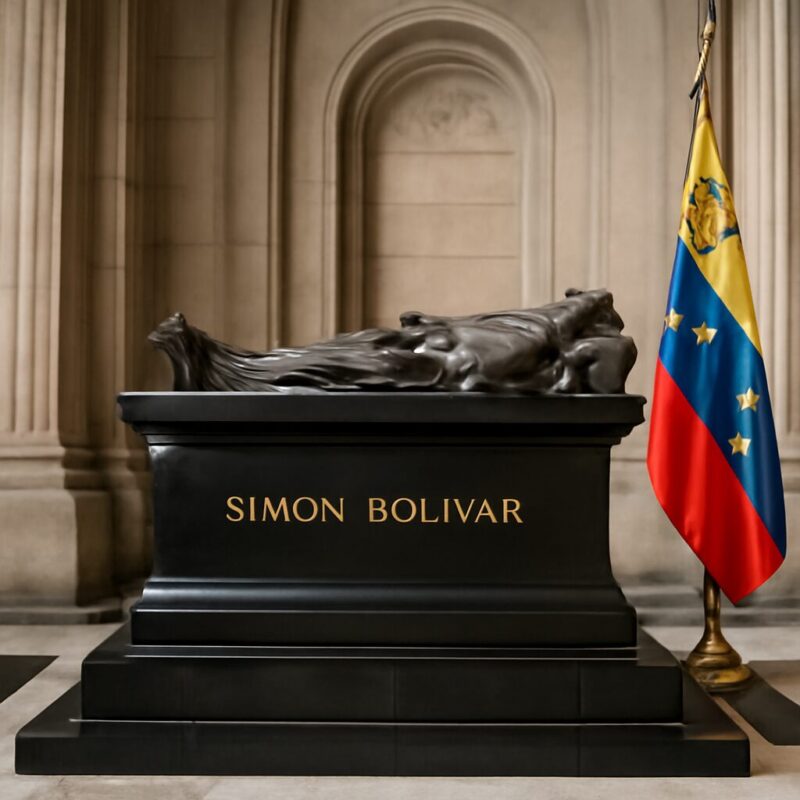
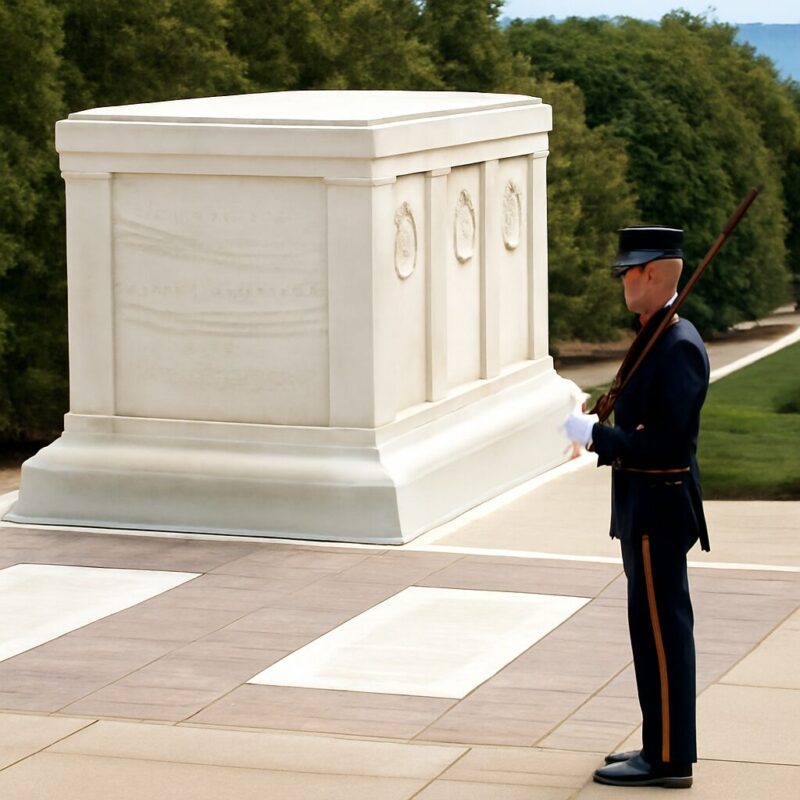
In the heart of Arlington National Cemetery, a silent sentinel walks a precise, measured path. This is the Tomb of the Unknown Soldier, a stark marble sarcophagus holding the remains of unidentified American service members lost in World War I, World War II, and the Korean War. It is a monument not to a single person, but to the collective sacrifice of all who never returned home. The changing of the guard, a ritual performed with flawless, rhythmic ceremony regardless of weather, underscores a nation's perpetual vow: We do not forget. The tomb itself is a powerful emptiness, a quiet space where a visitor's own thoughts and gratitude fill the void, honoring every story that remains untold.
Who Built Tomb of the Unknown Soldier?
Who Built the Tomb of the Unknown Soldier?
The concept of a Tomb of the Unknown Soldier is not the work of a single builder or architect, but rather a modern tradition adopted by many nations. The first such tomb was established by the United Kingdom at Westminster Abbey in 1920 to honor the unidentified dead of World War I. This idea was quickly adopted by other countries, most notably France, which interred its Unknown Soldier at the Arc de Triomphe in 1921, and the United States, which dedicated its Tomb of the Unknown Soldier at Arlington National Cemetery in 1921.
Why Was It Built?
The Tomb of the Unknown Soldier was built to serve as a powerful national symbol of remembrance and collective mourning. Its primary purpose is to honor the sacrifice of all service members who died in a particular war whose remains could not be identified. It provides a focal point for a nation's grief and gratitude, representing every family's lost loved one. The anonymity of the interred soldier is key, allowing the monument to symbolize the sacrifice of all common soldiers, not just celebrated leaders or heroes.
Related Monuments and Cultures
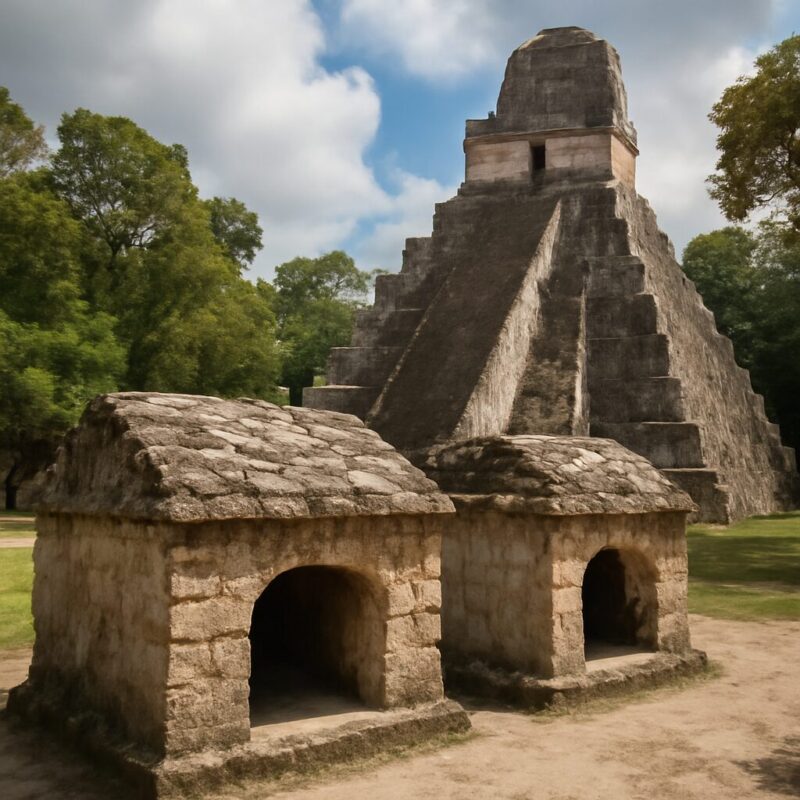
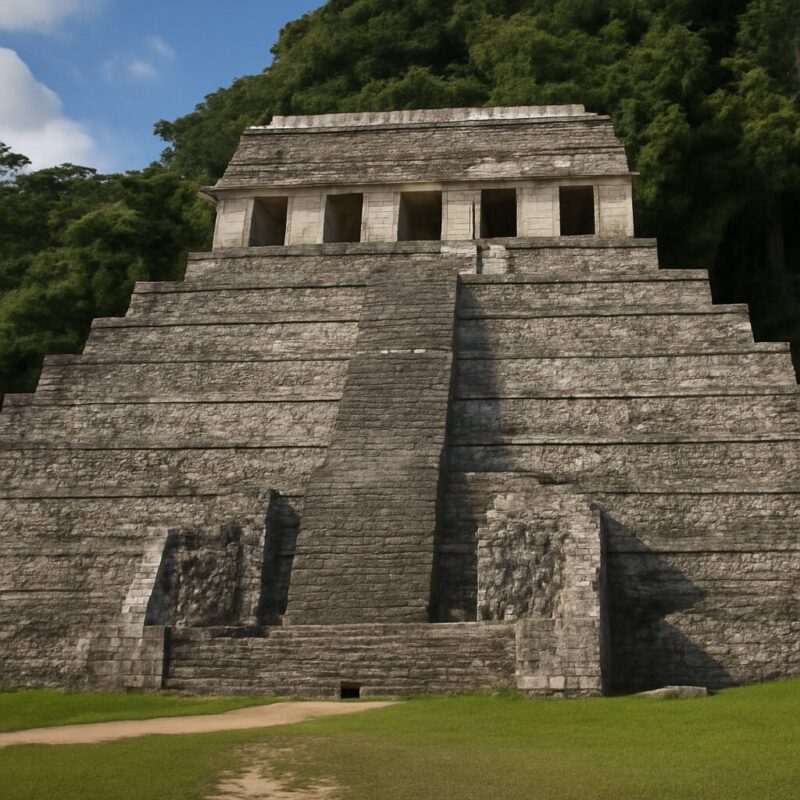
The tradition of creating grand, symbolic tombs for individuals who represent a collective identity or ideal has ancient parallels. While the Tomb of the Unknown Soldier is a distinctly modern, democratic memorial, other cultures built monumental tombs for specific revered rulers, which served as symbols of state power and cultural identity.
For example, the Mausoleum of Augustus was built not just as a tomb for Rome's first emperor, but as a monumental statement about the new imperial era. Similarly, the Tomb of Cyrus the Great served as a revered symbol of the Achaemenid Empire and Persian kingship for centuries. In a different context, the Taj Mahal, while built for a specific individual, was constructed as an eternal symbol of love and Mughal architectural achievement.
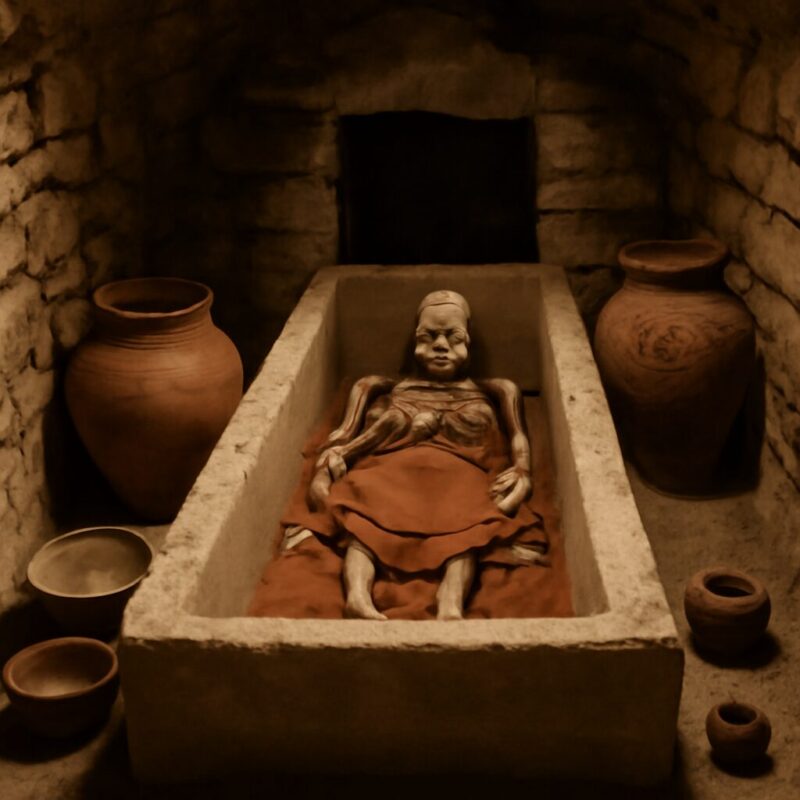
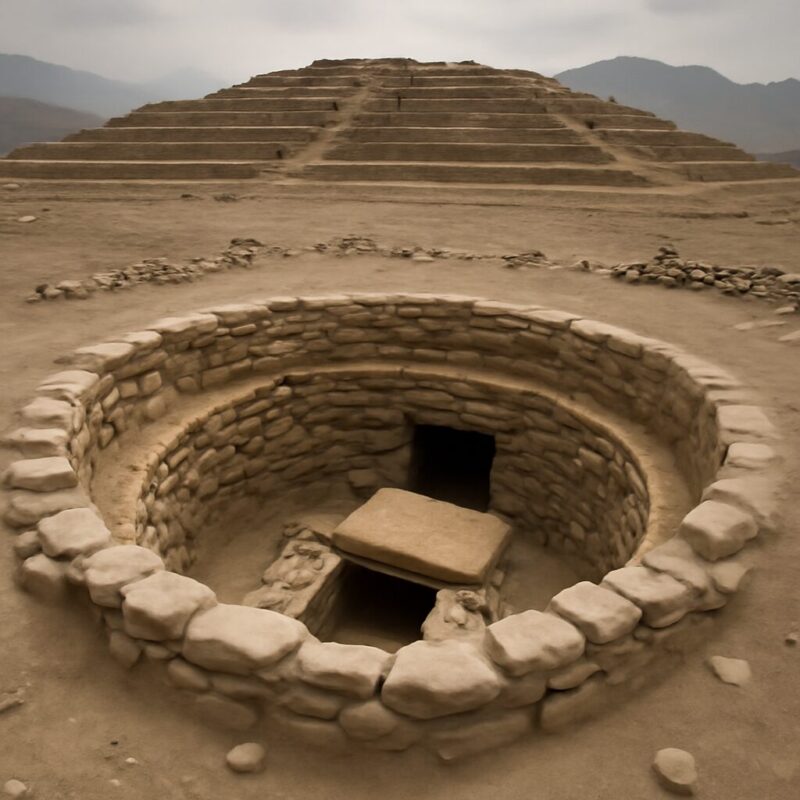
The modern military tomb also connects to a broader human tradition of honoring the war dead, seen in sites like the Mycenaean tholos tombs for elite warriors or the collective burial mounds at Sutton Hoo. However, the Tomb of the Unknown Soldier is unique in its deliberate anonymity and its dedication to the common soldier.