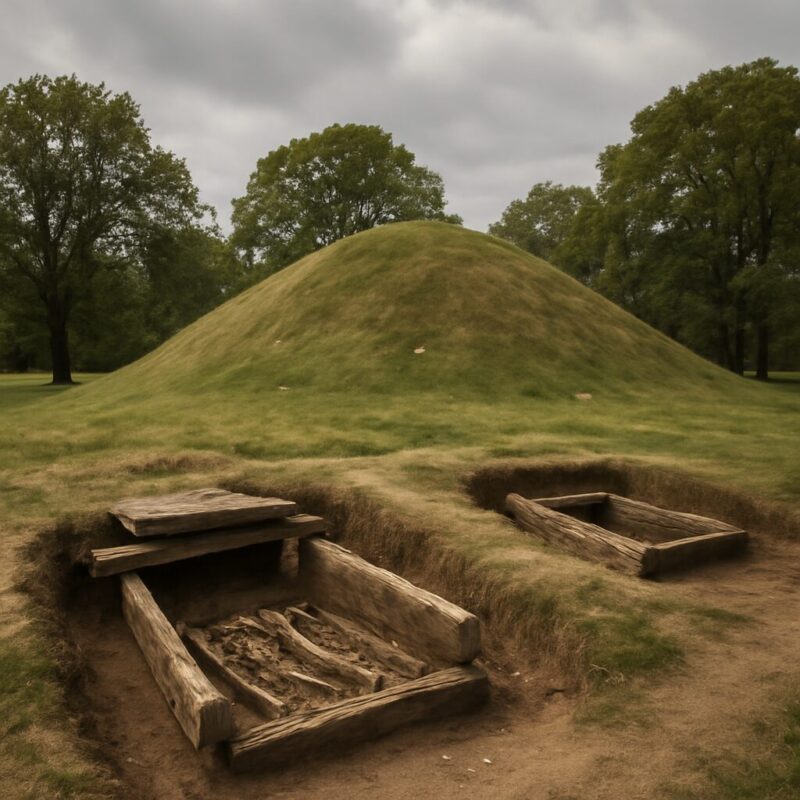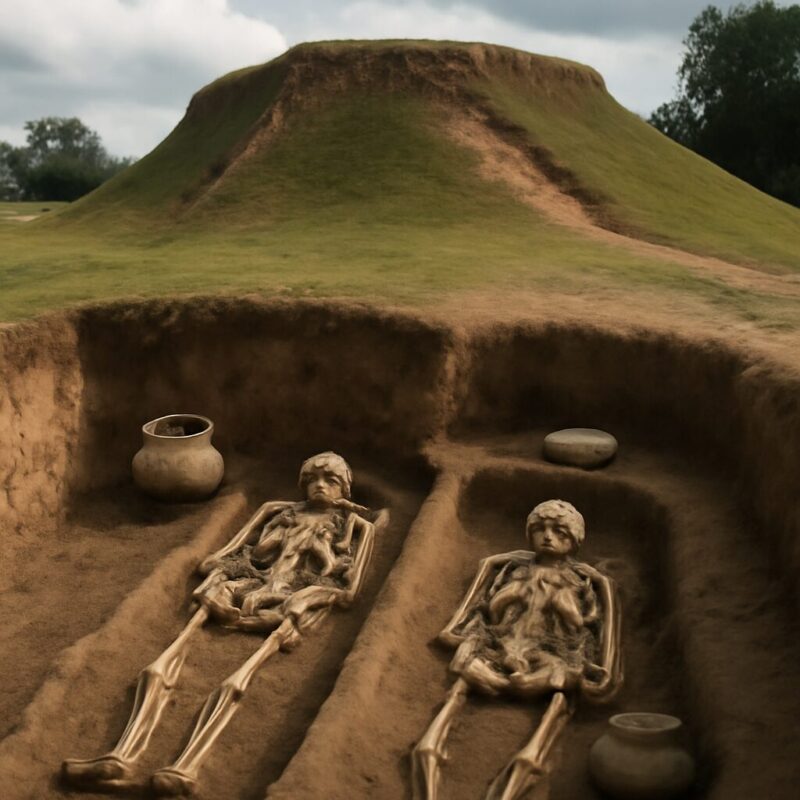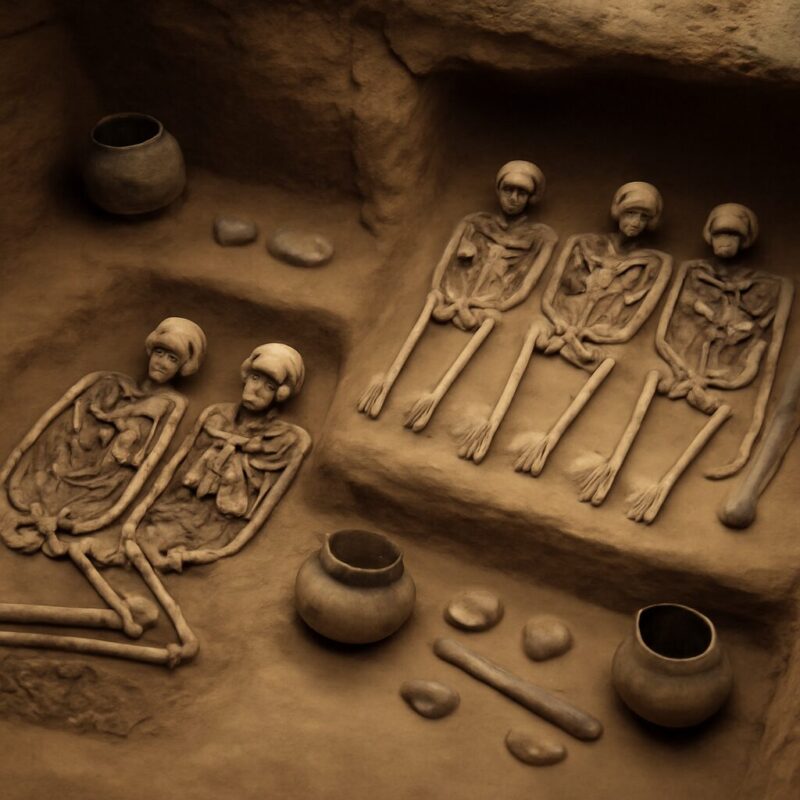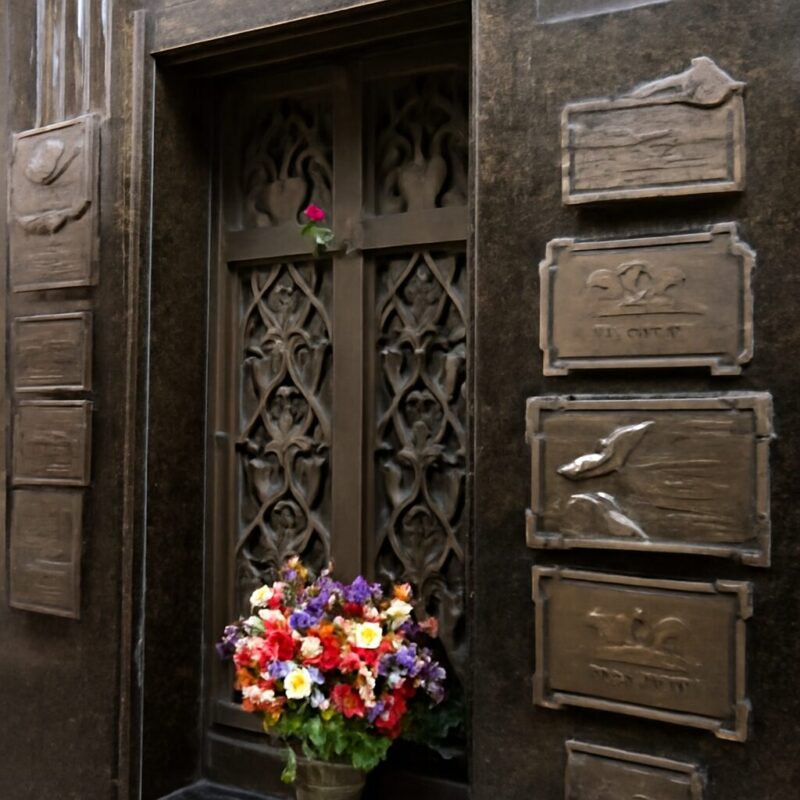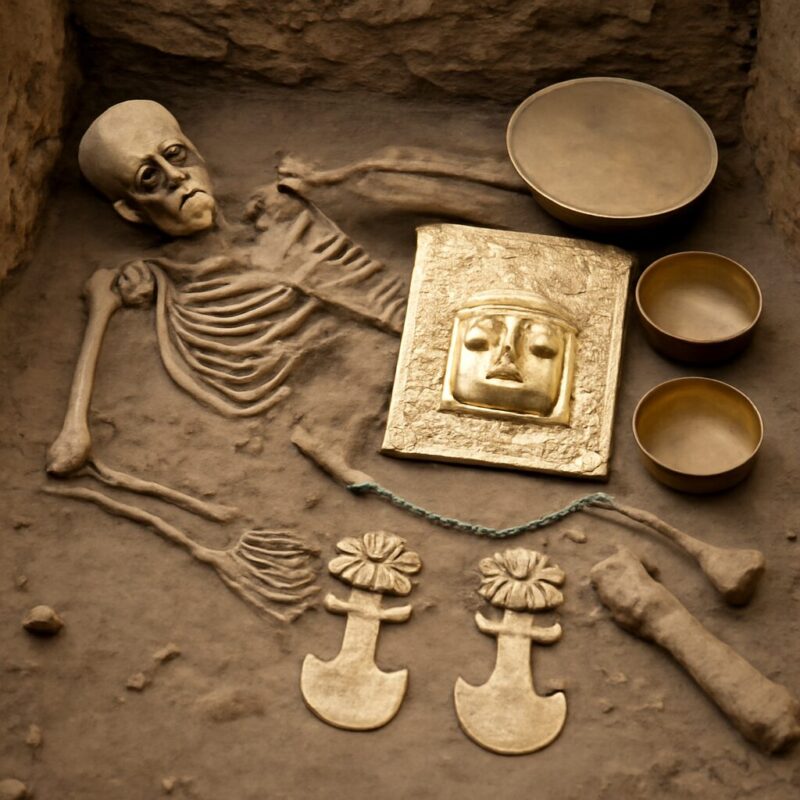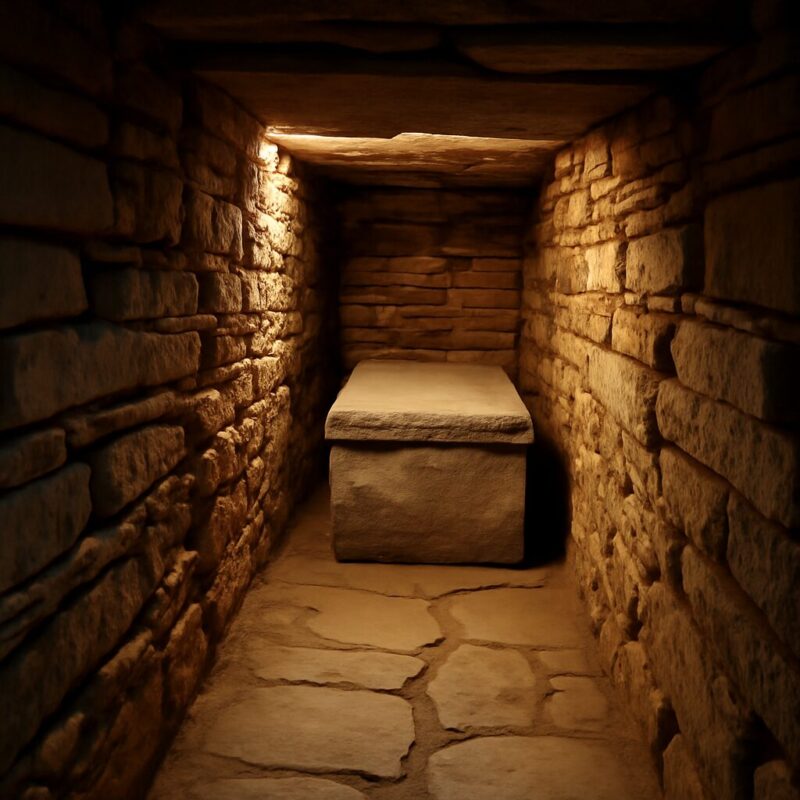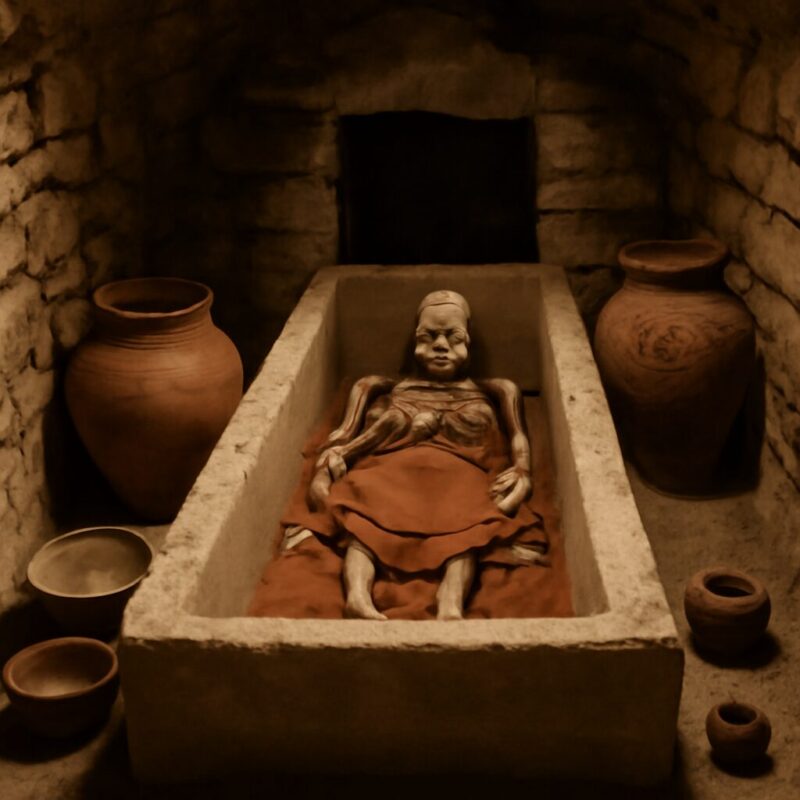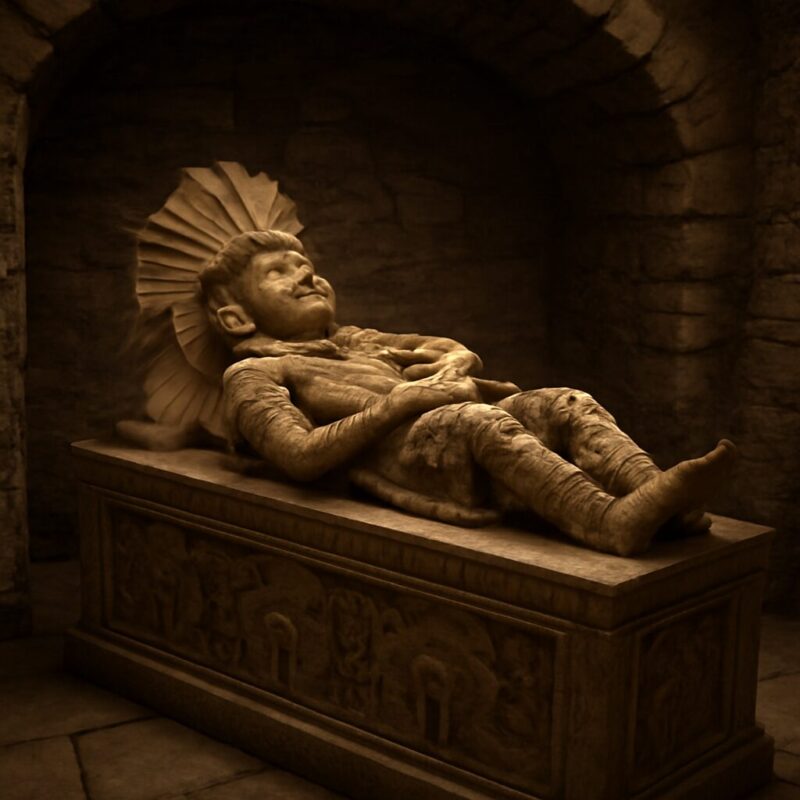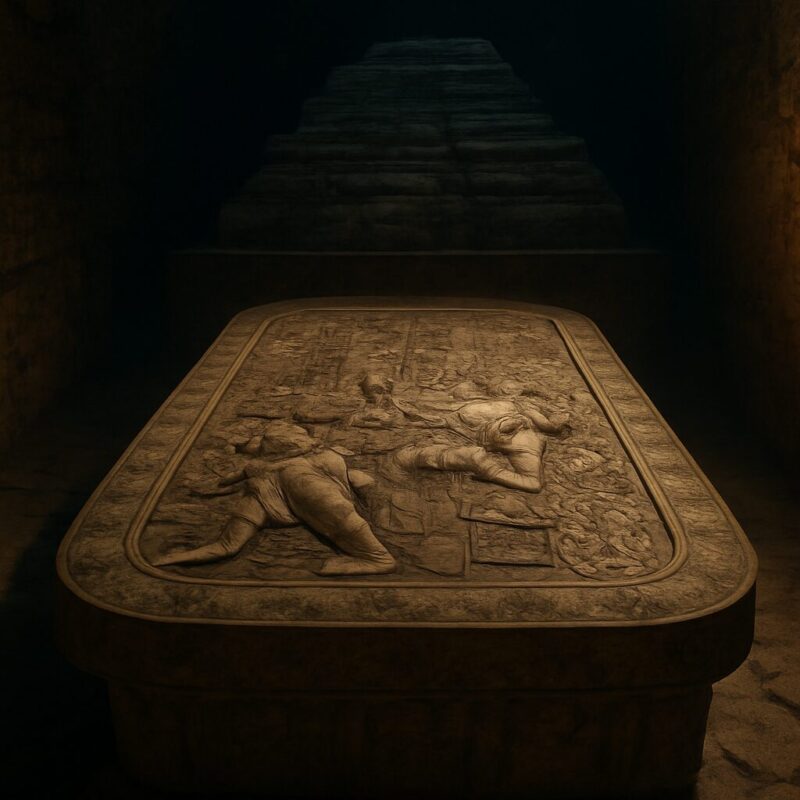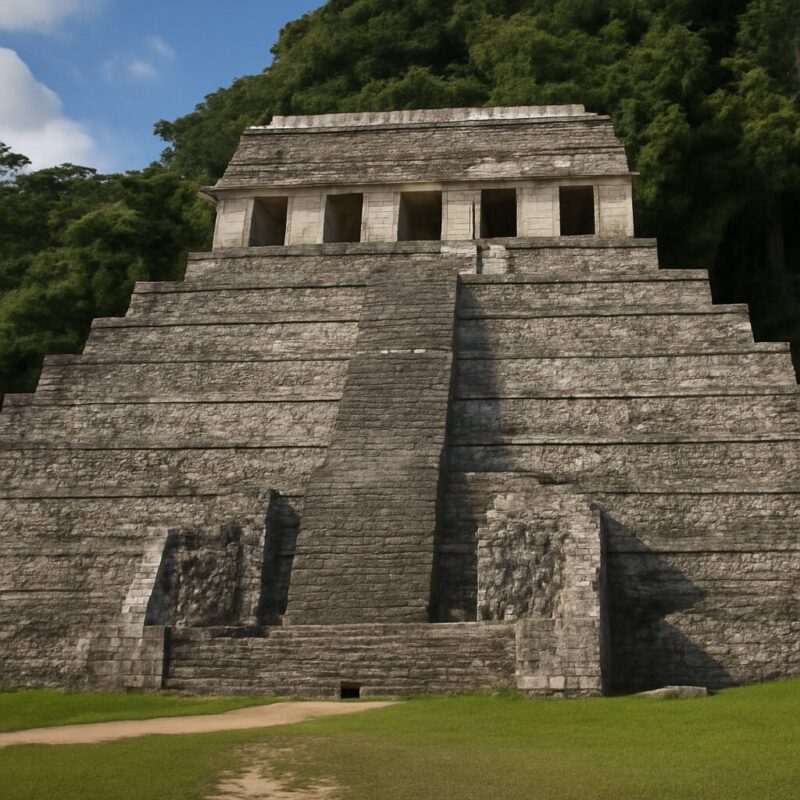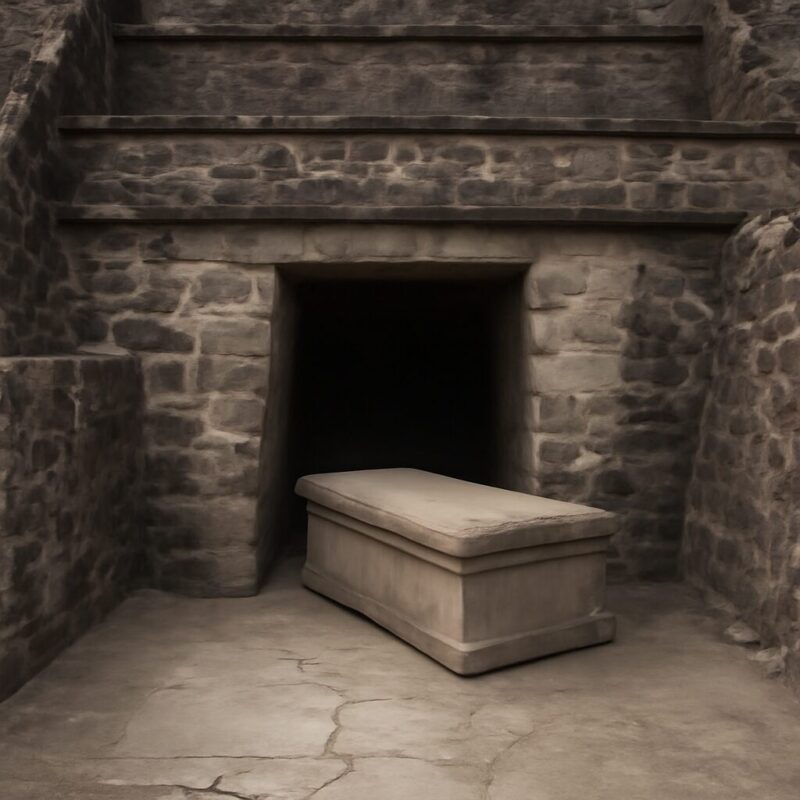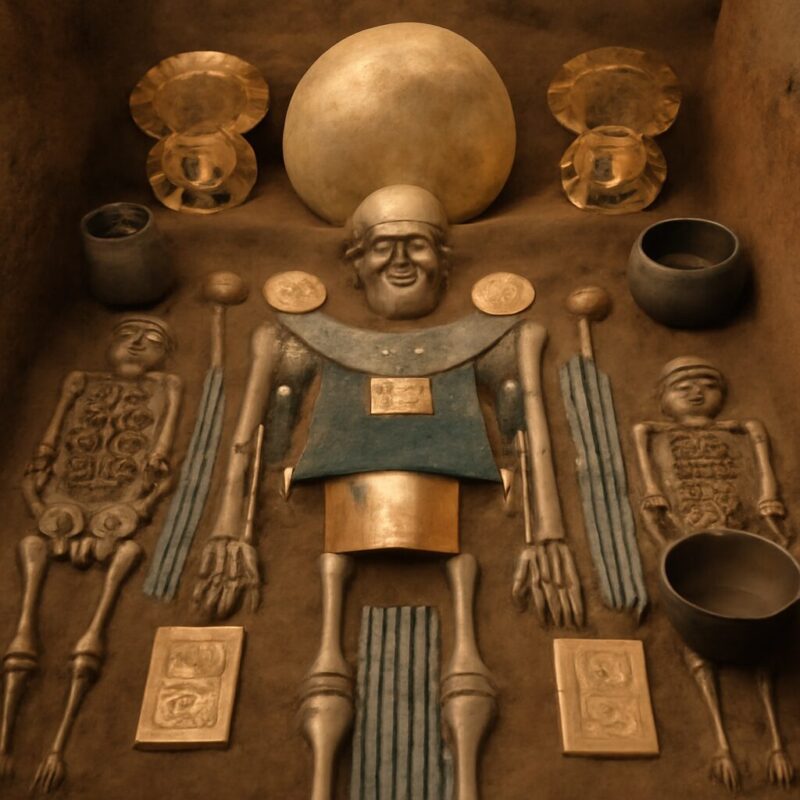
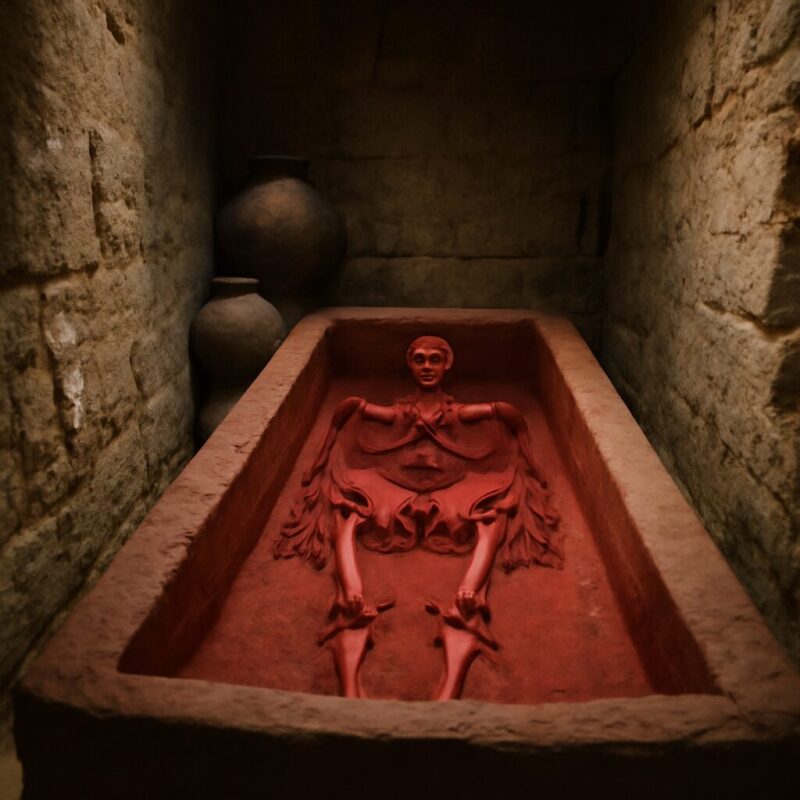
Deep within the humid darkness of Temple XIII at Palenque, a sarcophagus of crimson cinnabar held a mystery for over a millennium. Discovered in 1994, the so-called Tomb of the Red Queen cradled the remains of a noblewoman, possibly the warrior queen Yohl Ik'nal, her bones and treasures forever stained a profound, otherworldly red by the sacred powdered mercury sulfide that covered her. Adorned with a malachite mask and a trove of jade, she lay beside two sacrificial companions, a silent sovereign in a chamber of stone, her story whispered only by the vivid, unyielding pigment that refused to fade into the dark.
Who Built Tomb of the Red Queen?
The Builders of the Tomb of the Red Queen
The Tomb of the Red Queen was built by the ancient Maya civilization, specifically within the powerful city-state of Palenque, located in present-day Chiapas, Mexico. It was constructed for a high-status Maya noblewoman, whose identity remains a subject of scholarly debate.
Purpose and Significance
The tomb was built to serve as a sacred resting place for a revered elite, ensuring her journey to the afterlife. The moniker "Red Queen" comes from the extensive covering of bright red cinnabar powder found on her remains and the rich grave goods within the sarcophagus. The tomb's location within the Temple of the Inscriptions complex, adjacent to the famed tomb of King Pakal the Great, underscores her immense importance, suggesting she may have been his wife, mother, or another close relative.
Related Structures from the Maya World
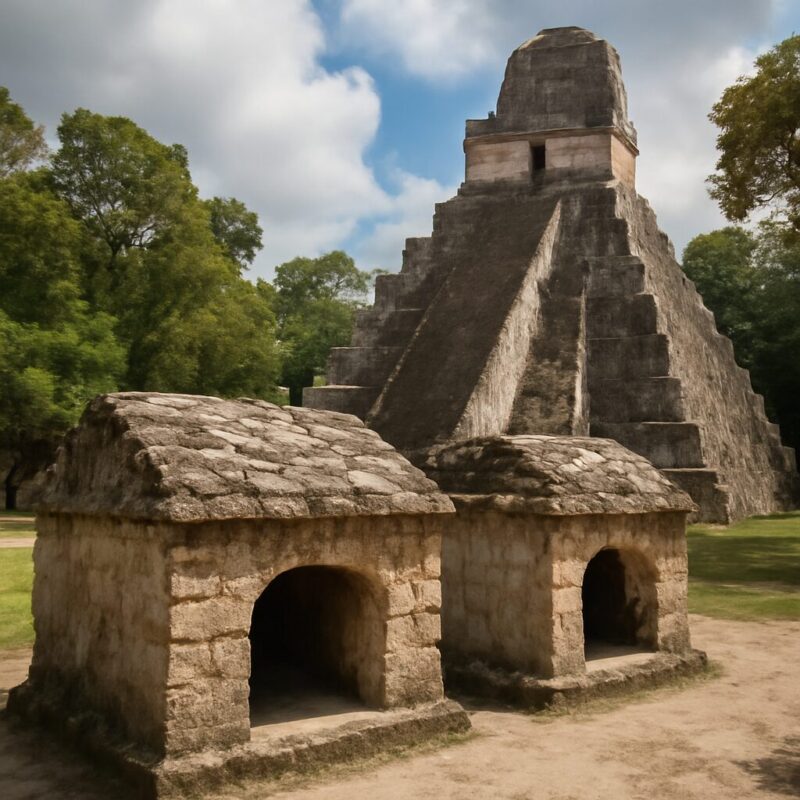
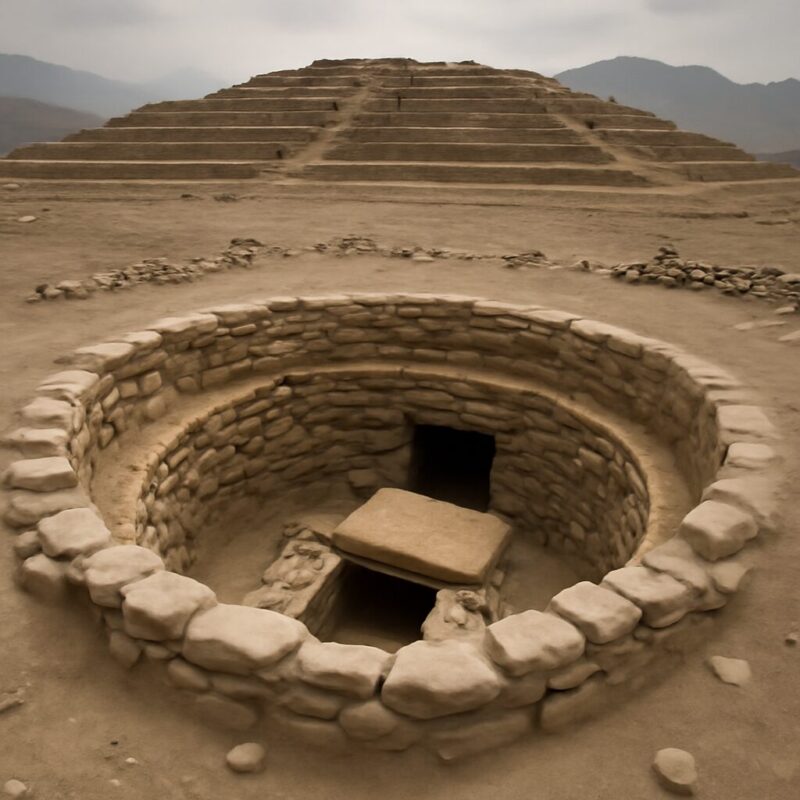
The Maya are renowned for their elaborate royal tombs integrated into monumental architecture. A highly relevant and directly comparable structure from your list is the Tomb of Pakal. This is the magnificent burial chamber of King K'inich Janaab' Pakal, discovered within the Temple of the Inscriptions at Palenque, and is arguably the most famous Maya tomb. Its construction and iconography are central to understanding the tomb of the Red Queen, which was found in a neighboring temple.
Other relevant Maya royal tombs from your list include the Copan royal burials and the Tikal royal tombs, which showcase the broader tradition of interring rulers within the heart of ceremonial pyramids across the Maya region.