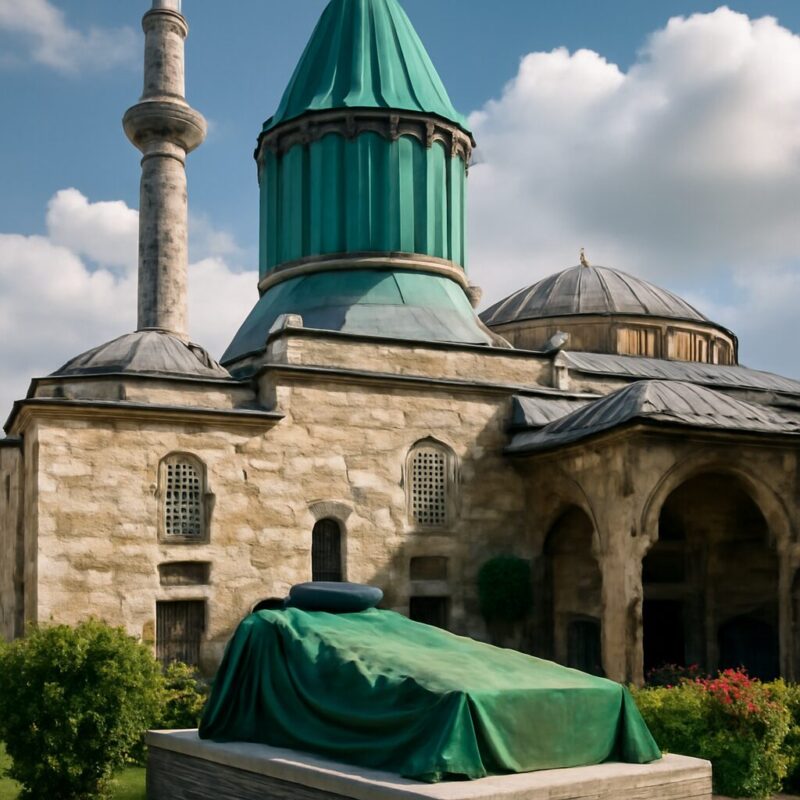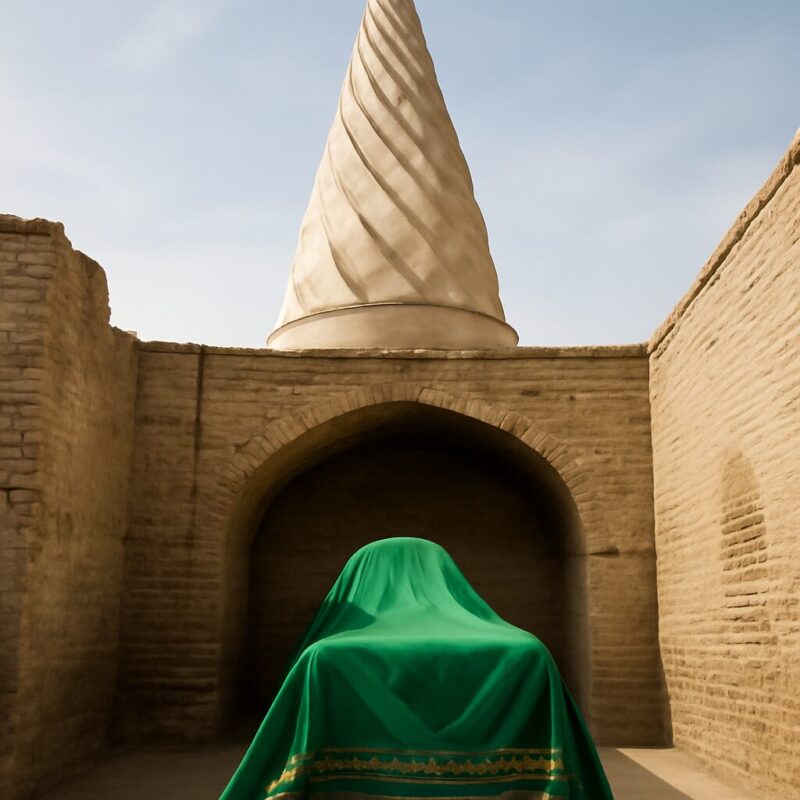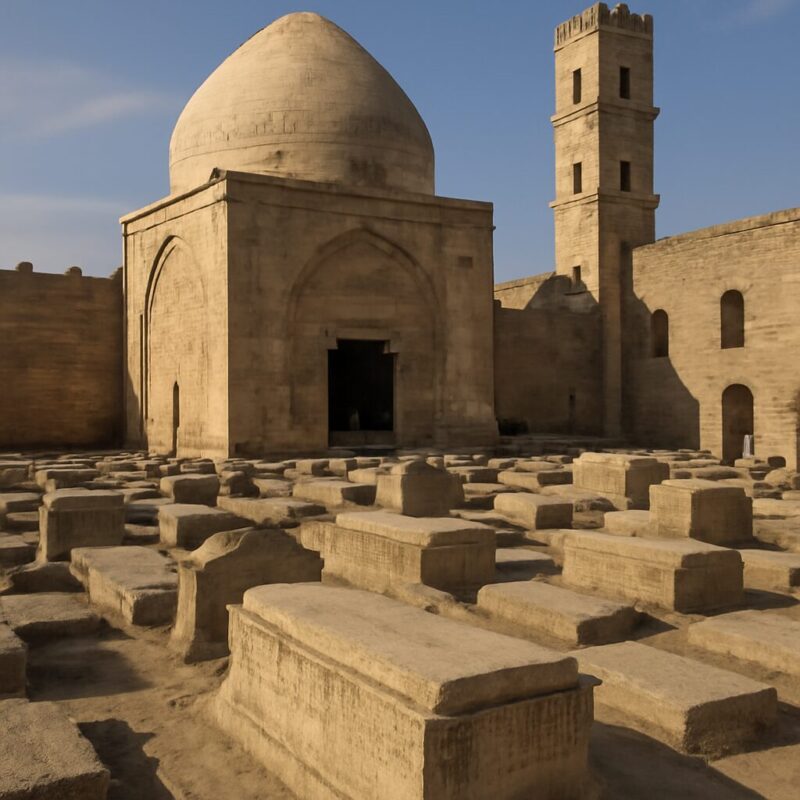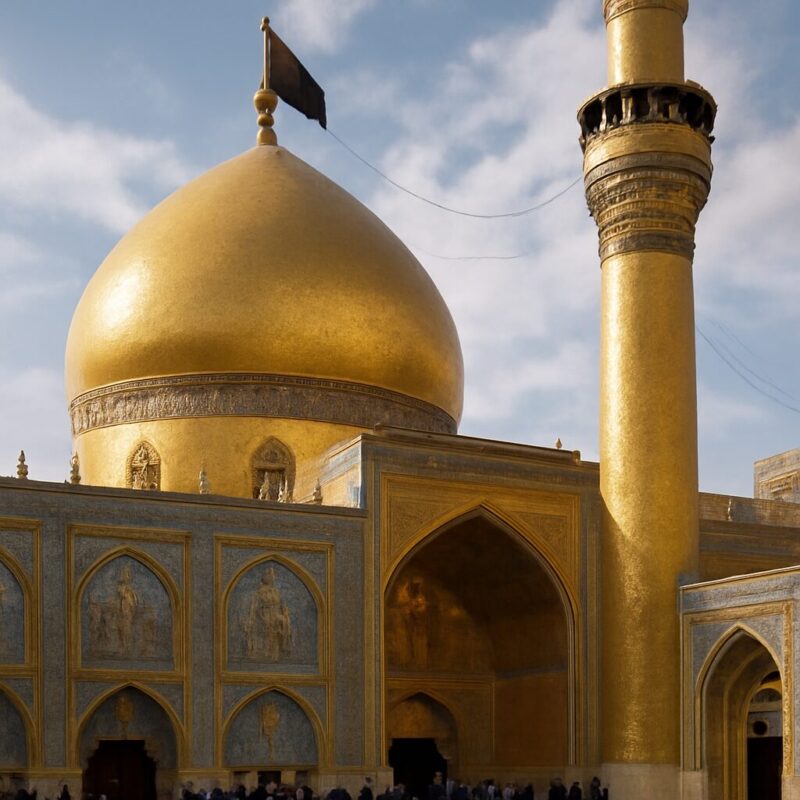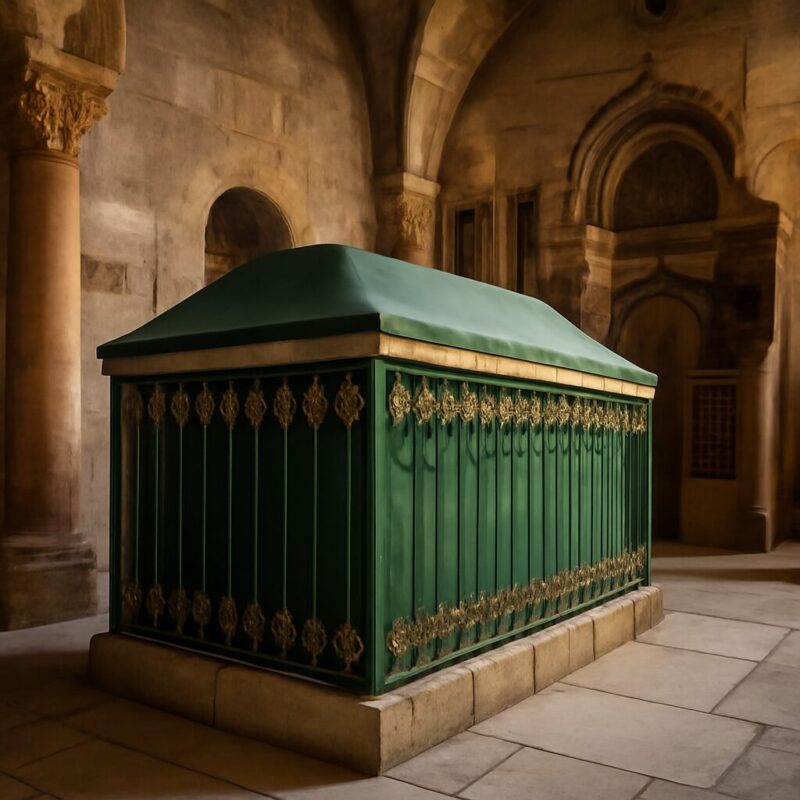
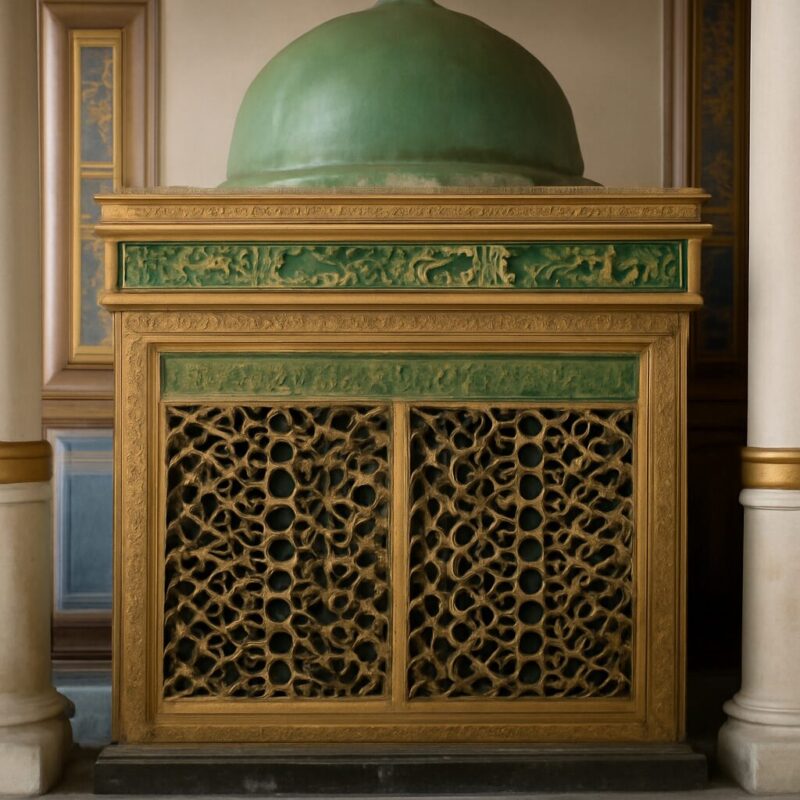
Nestled within the serene confines of the Prophet's Mosque in Medina, the tomb of Prophet Muhammad is a place of profound stillness and reverence. It lies under the iconic green dome, a humble chamber that once belonged to his wife Aisha. There are no ornate displays or elaborate shrines here; the raw simplicity speaks volumes. For millions, this spot is the heart of the Islamic world, not for architectural grandeur, but for the immense spiritual gravity it holds—a quiet corner where history feels palpably close, and the air seems thick with legacy.
Pilgrims visit not to worship, but to offer prayers of respect and peace for the man who changed the course of history. The space is separated by simple walls and a brass grating, allowing a view but maintaining a respectful distance. The atmosphere is one of hushed devotion, a tangible connection to the very foundation of a faith, making it far more than a historical site—it is a living, breathing testament to a legacy that continues to guide over a billion lives.
Who Built Tomb of the Prophet Muhammad?
The Construction of the Prophet's Tomb
The tomb of the Prophet Muhammad is located within the confines of the Prophet's Mosque (Al-Masjid an-Nabawi) in Medina, Saudi Arabia. It was not built as a separate mausoleum in the traditional sense. The Prophet died in 632 CE and was buried in a simple grave in the house of his wife Aisha, which was adjacent to the mosque. The initial structure was extremely modest, in line with early Islamic simplicity.
The enclosure around the grave and its subsequent integration and expansion into the mosque complex was undertaken by various Muslim rulers over centuries. Major architectural developments occurred during the Mamluk and Ottoman eras. Notably, the famous green dome that now marks the site was originally built in 1279 CE under the Mamluk Sultan Al-Mansur Qalawun and was later painted green in the 19th century during Ottoman rule.
Purpose and Cultural Significance
The tomb's primary purpose is as a place of immense reverence and pilgrimage for Muslims worldwide. It is considered one of the holiest sites in Islam. Visiting the Prophet's mosque and offering greetings and prayers at his tomb is a highly recommended act of devotion, though distinct from the obligatory Hajj pilgrimage to Mecca. The site symbolizes the deep love and respect Muslims hold for Muhammad as the final messenger of God. The culture surrounding it is one of solemnity, prayer, and reflection on the Prophet's life and teachings.
Other Notable Constructions by Related Cultures
While the specific builders of the Prophet's tomb were successive Islamic caliphs and sultans, the broader Islamic architectural tradition they were part of produced numerous significant tombs. From your list, a highly relevant example is the Tomb of Saladin. Saladin, the famed 12th-century Muslim sultan, is a central figure in Islamic history, and his mausoleum in Damascus is a site of great historical and cultural importance, reflecting the same tradition of commemorating revered leaders.
Another profoundly significant tomb from the Islamic world, showcasing monumental Mughal architecture, is the Taj Mahal. Built by the Mughal Emperor Shah Jahan, it stands as one of the world's most famous mausoleums and a pinnacle of Islamic funerary architecture.