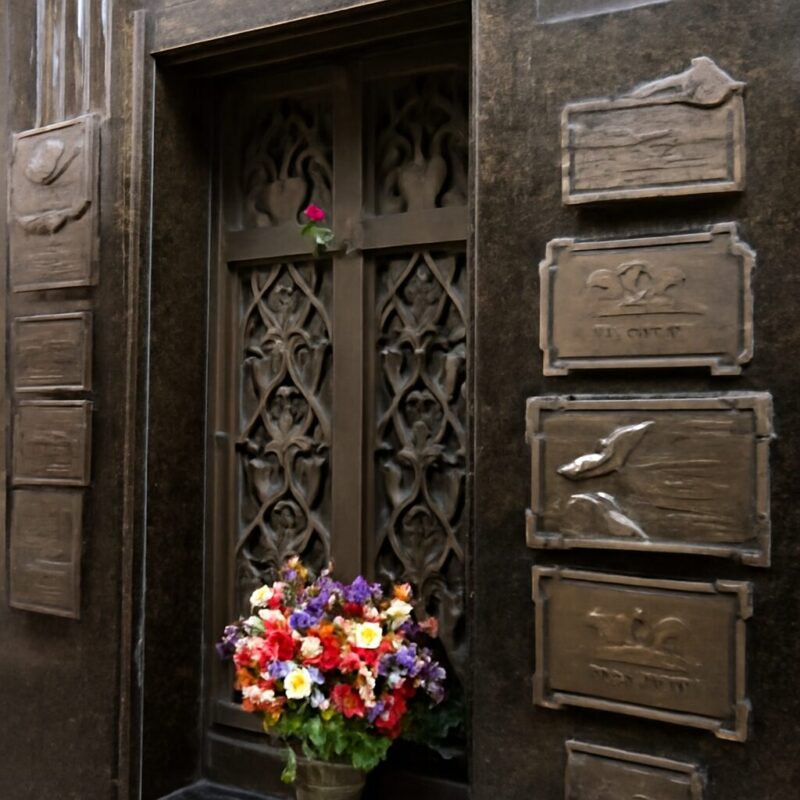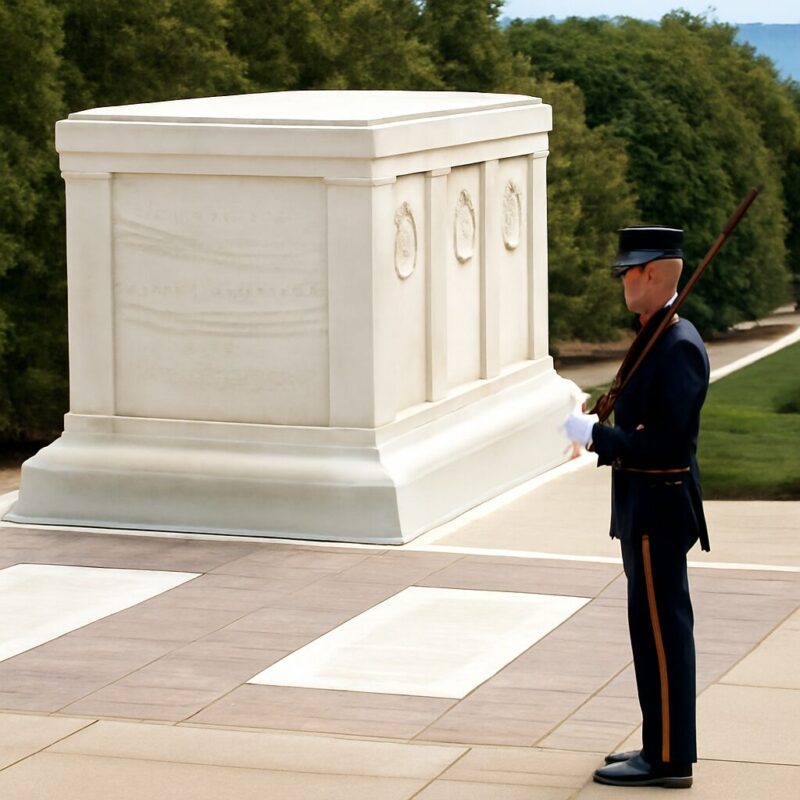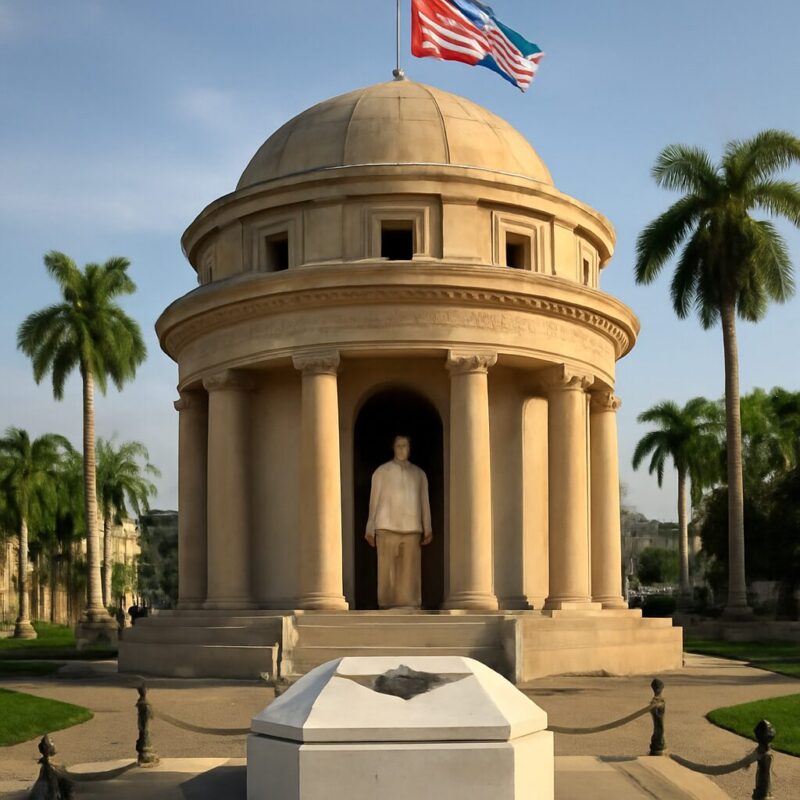
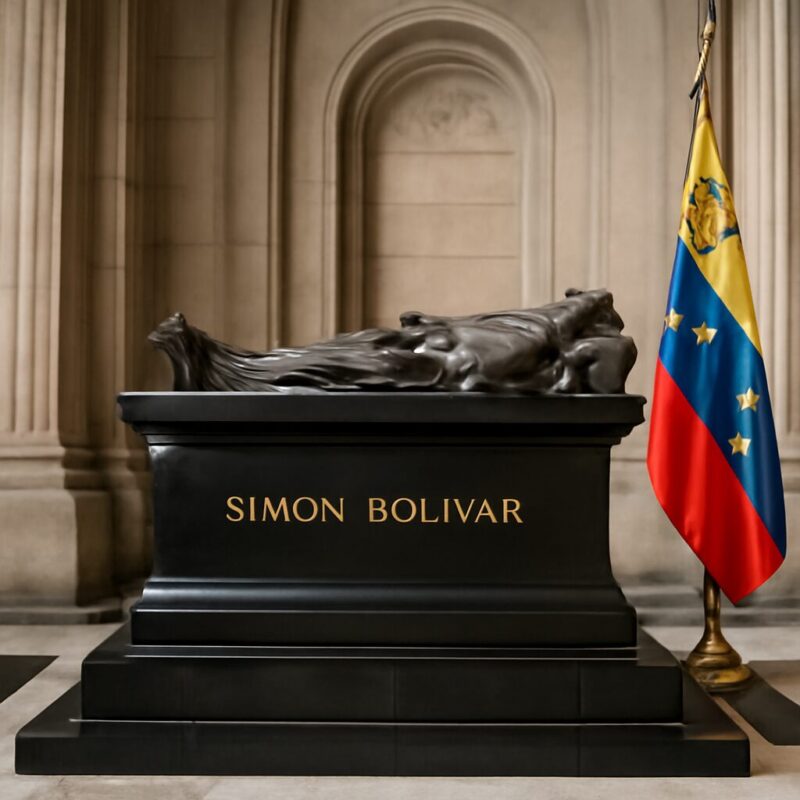
Nestled within the heart of Caracas, the final resting place of El Libertador is a monument of profound national reverence. The tomb itself, a solemn sarcophagus of dark, polished stone, holds the remains of Simón Bolívar, the fiery visionary who liberated six nations. It sits under the soaring dome of the National Pantheon, where a perpetual flame flickers in silent tribute. More than marble and bronze, the site is a living symbol; the air seems thick with the echoes of his unfinished dream for a united continent, drawing pilgrims who stand in quiet awe before the weight of history.
Who Built Tomb of Simon Bolivar?
The Builder and Purpose of the Tomb
The final resting place of Simón Bolívar, known as the "Liberator" of several South American nations, is located in the National Pantheon of Venezuela in Caracas. The tomb itself was not built as a standalone monument but is housed within this historic site. The National Pantheon was originally a church, built in the 18th century. Following Bolívar's death in 1830, his remains were repatriated to Caracas in 1842. In 1874, President Antonio Guzmán Blanco officially converted the church into a national pantheon and ordered the construction of the current cenotaph and tomb to honor Bolívar. The tomb is therefore a state-sponsored project, built to enshrine the nation's greatest hero and serve as a focal point for Venezuelan national identity.
Cultural and Historical Context
The tomb reflects the 19th-century nation-building efforts of post-colonial Latin America. Bolívar's leadership in the wars of independence against Spanish rule made him a pan-American symbol of freedom and republicanism. His entombment in a national pantheon, a concept borrowed from European traditions (like the Pantheon in Paris for French heroes), was intended to solidify a new historical narrative for the fledgling republics. The site is less about ancient funerary culture and more about modern political veneration, functioning as a secular shrine where heads of state pay respects.
Other Relevant Tombs of Leaders and Liberators
As a monumental tomb for a foundational national figure, Bolívar's resting place shares conceptual similarities with others built to honor revolutionary leaders or unifying monarchs. For example:
- Tomb of Cyrus the Great - The revered founder of the Persian Empire.
- Tomb of Napoleon - Housed in Les Invalides in Paris, another grand state tomb for a transformative leader.
- Tomb of José Martí - The national hero of Cuban independence, interred in Santiago de Cuba.
- Tomb of Askia - A monumental structure for a powerful emperor of the Songhai Empire.
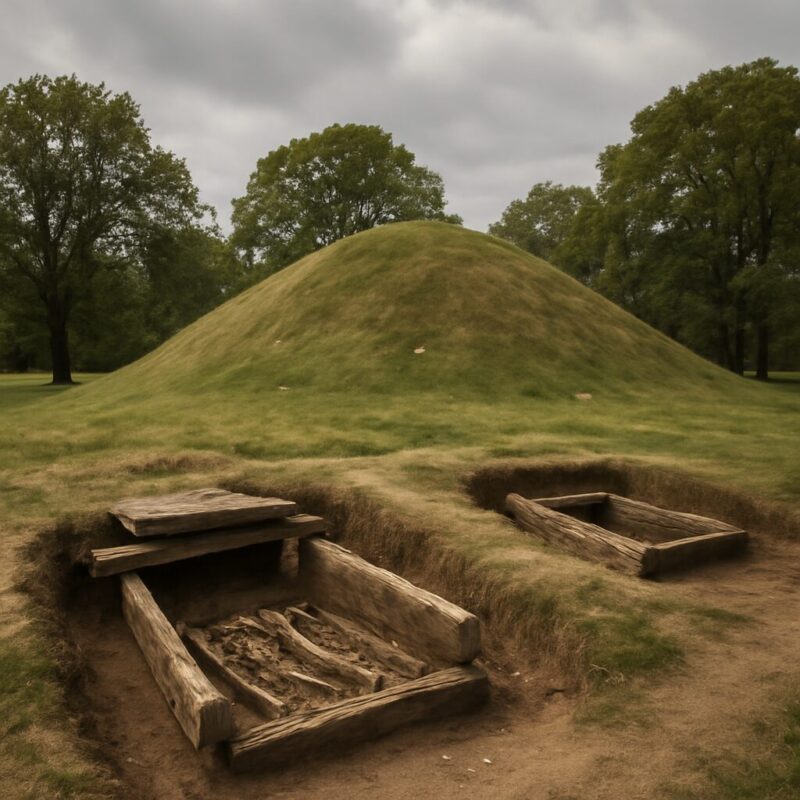
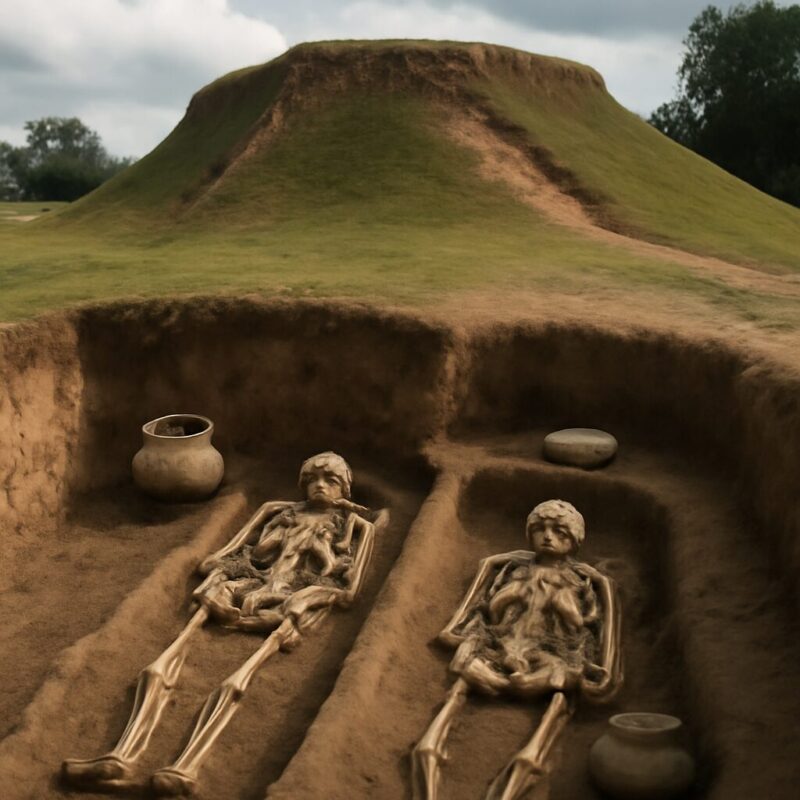
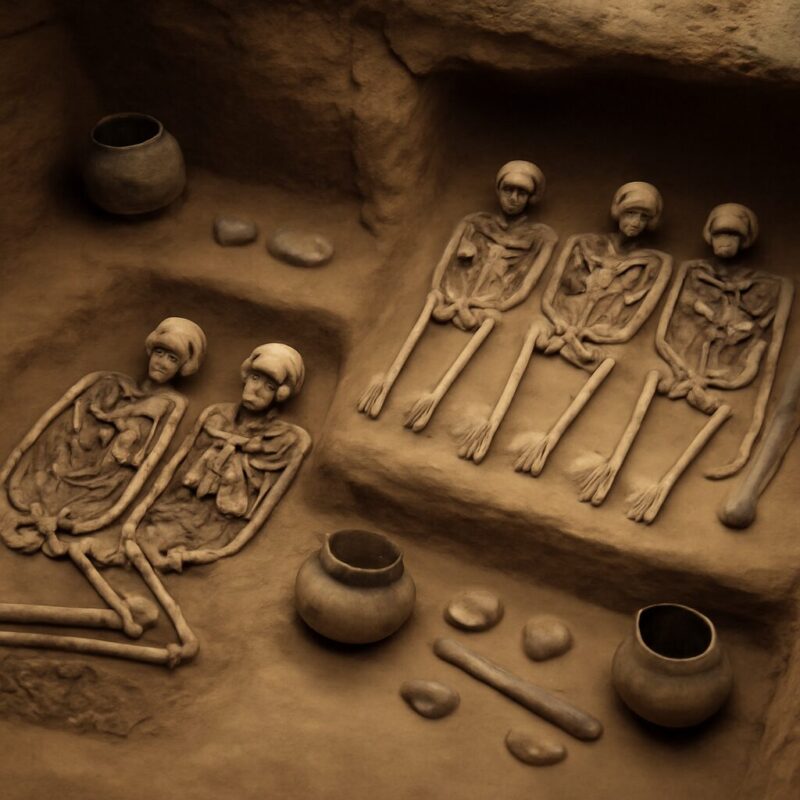
Unlike the ancient, culturally embedded structures like the Mound Builder burials or the Mycenaean tholos tombs, Bolívar's tomb is a deliberate, modern act of commemoration by a state crafting its own legacy.