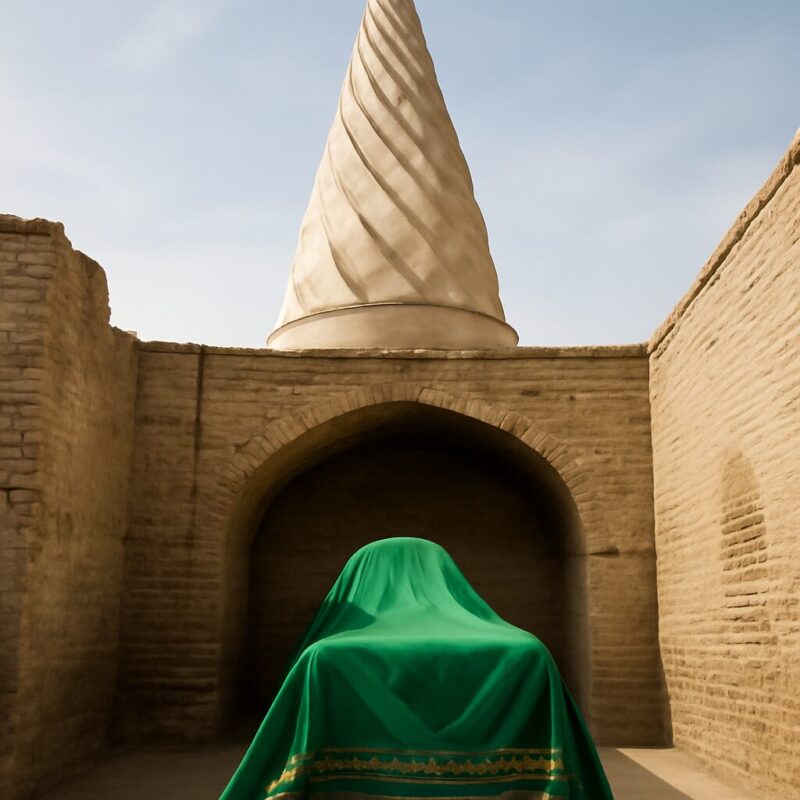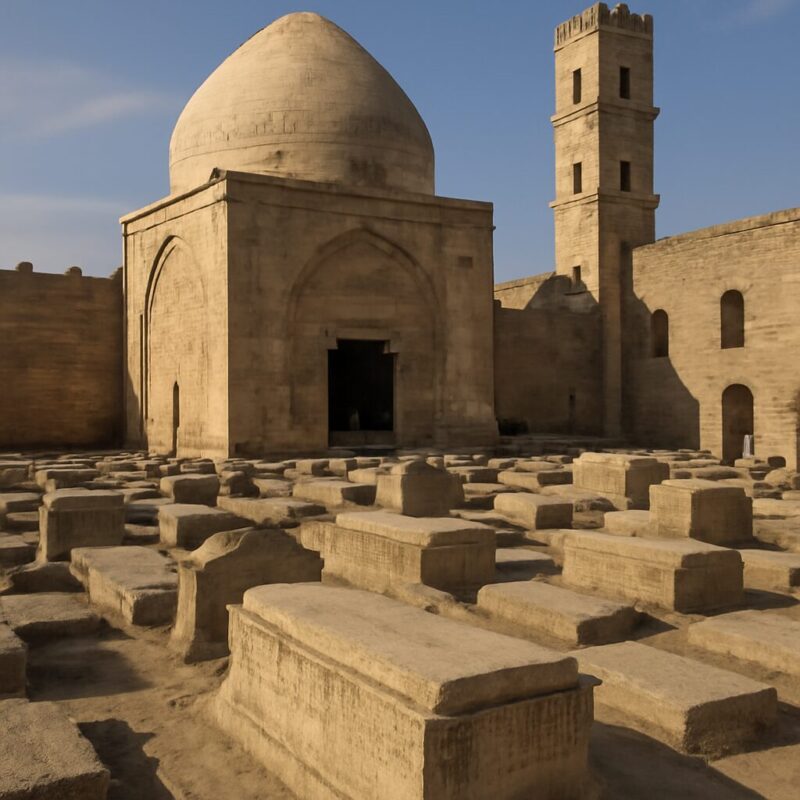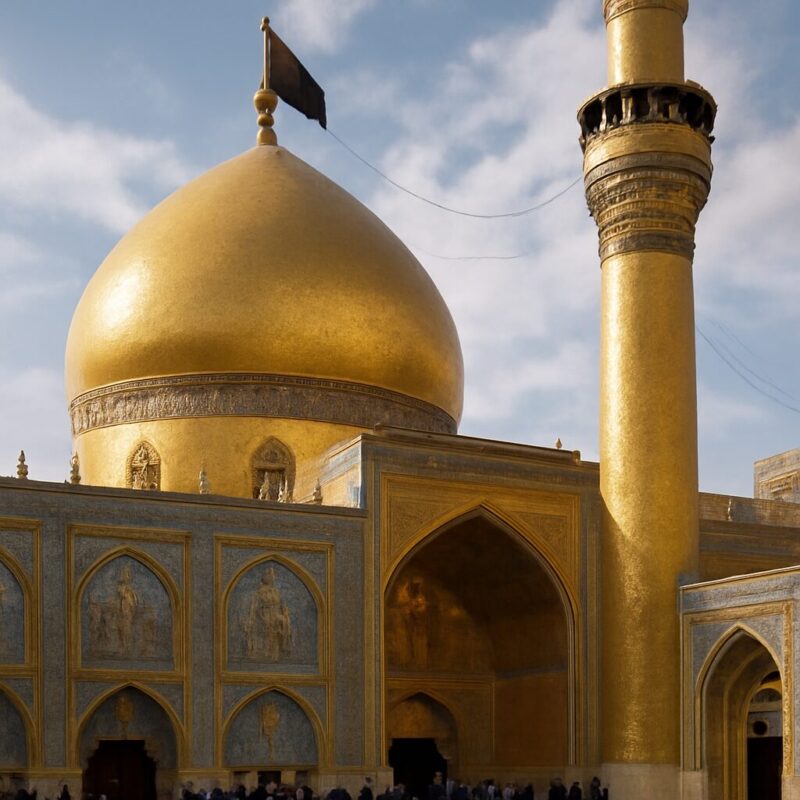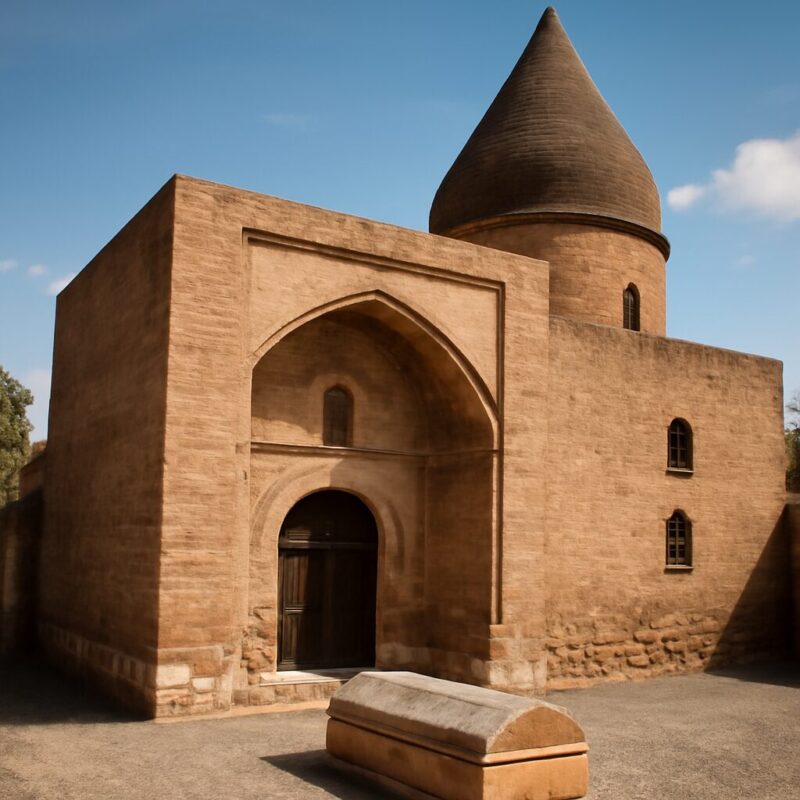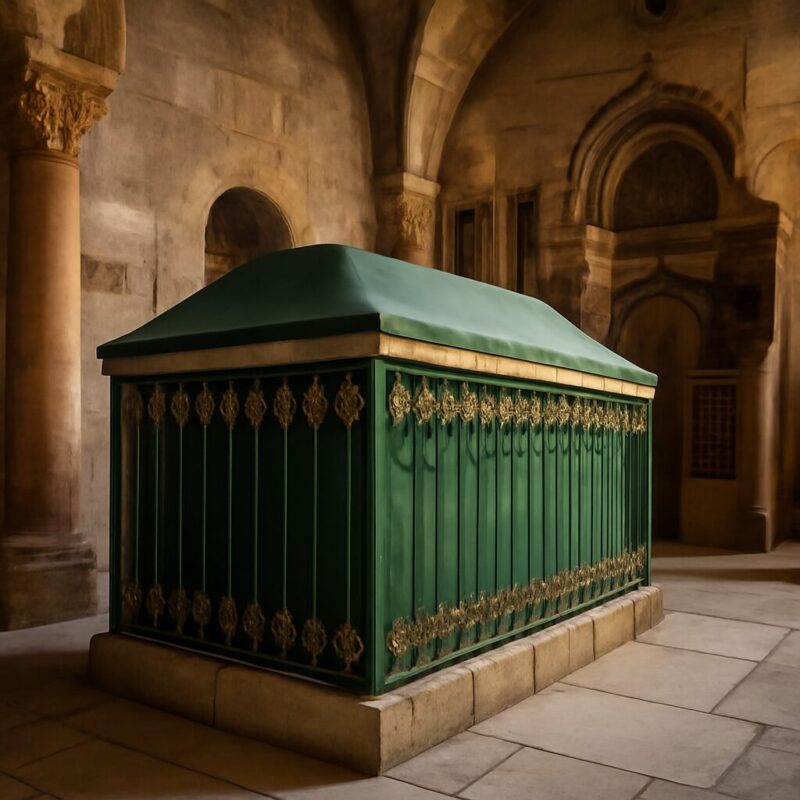
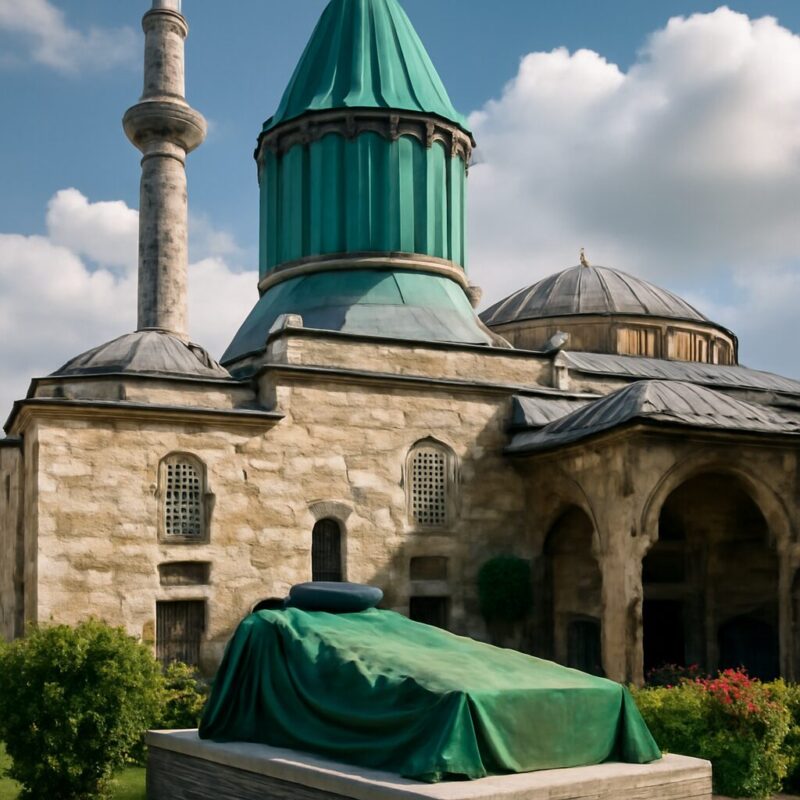
Nestled in the heart of Konya, Turkey, the Tomb of Rumi is not so much a monument of stone as a vessel of longing. The air itself seems to hum with the faint, timeless echo of the whirling dervish. Its distinctive fluted turquoise dome, a ceramic sky turned earthward, pierces the horizon—a beacon for pilgrims and poets alike. This is the Green Dome, sheltering the sarcophagus of the 13th-century mystic Jelaluddin Rumi, a man who taught that death is a wedding with the eternal.
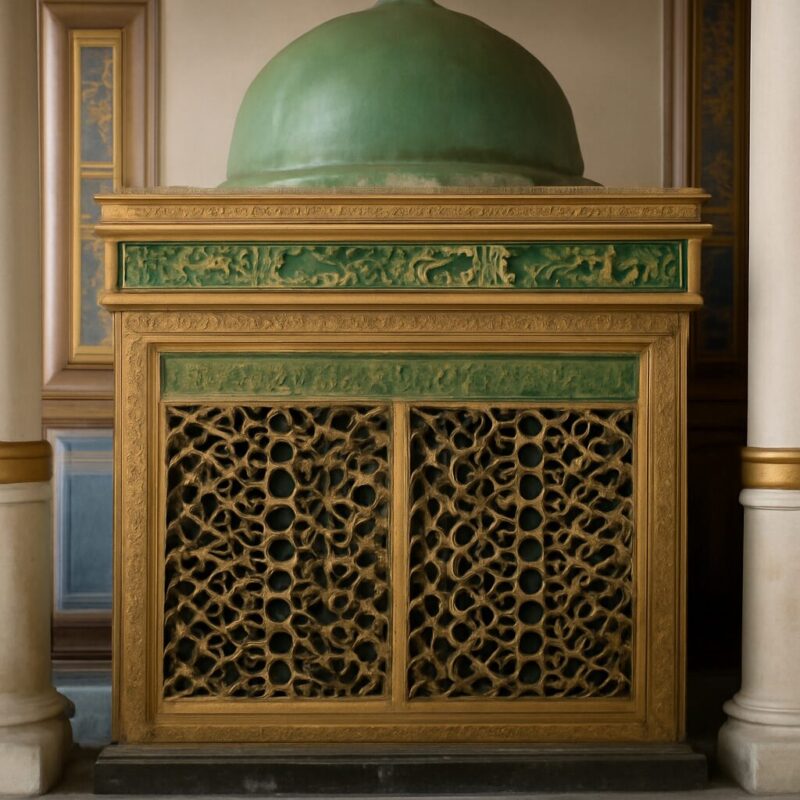
Step inside, and the worldly clamor falls away. The interior is a sanctuary of quiet devotion, where sunlight filters through windows to dance on intricate calligraphy and rich carpets. Visitors move in a reverent circle around the silver-gilt cage enclosing the tomb, their whispers blending with silent prayers. It is less a site of mourning than a celebration of divine love, a place where you feel the truth of Rumi's own words: "When I die, my grave will be found in the hearts of the wise." Here, in this serene corner of Konya, his heart beats on.
Who Built Tomb of Rumi?
The Builder of Rumi's Tomb
The Tomb of Rumi, located in Konya, Turkey, was built by Rumi's followers and his son, Sultan Walad, after the great poet and Sufi mystic's death in 1273. The original tomb was commissioned by Rumi's patron, the Seljuk vizier Mu'in al-Din Parwana. The most significant architectural expansion, however, was undertaken by the Ottoman Sultan Selim II in the 16th century, who commissioned the distinctive turquoise conical dome that crowns the structure.
Purpose and Cultural Significance
The tomb, known as the Yeşil Türbe (Green Tomb) or the Mevlâna Museum, was built to serve as the final resting place for Jalal ad-Din Muhammad Rumi and to function as a center for the Mevlevi Sufi order he founded. It is not merely a mausoleum but a spiritual complex (dargah) that became a major pilgrimage site. The architecture and atmosphere reflect the core of Rumi's teachings: divine love, spiritual ascent, and the unity of all existence. The site embodies the deep cultural synthesis of Persian mystical poetry, Islamic spirituality, and Seljuk/Ottoman architectural artistry.
Related Structures from the Provided List
While the Tomb of Rumi is unique in its function and form, the culture of monumental tomb-building spans many civilizations. From the list provided, the following share a thematic link as significant royal or imperial mausoleums built by powerful dynasties:
- Tomb of Timur (Gur-e Amir) in Samarkand, another monumental Central Asian tomb for a famed historical figure.
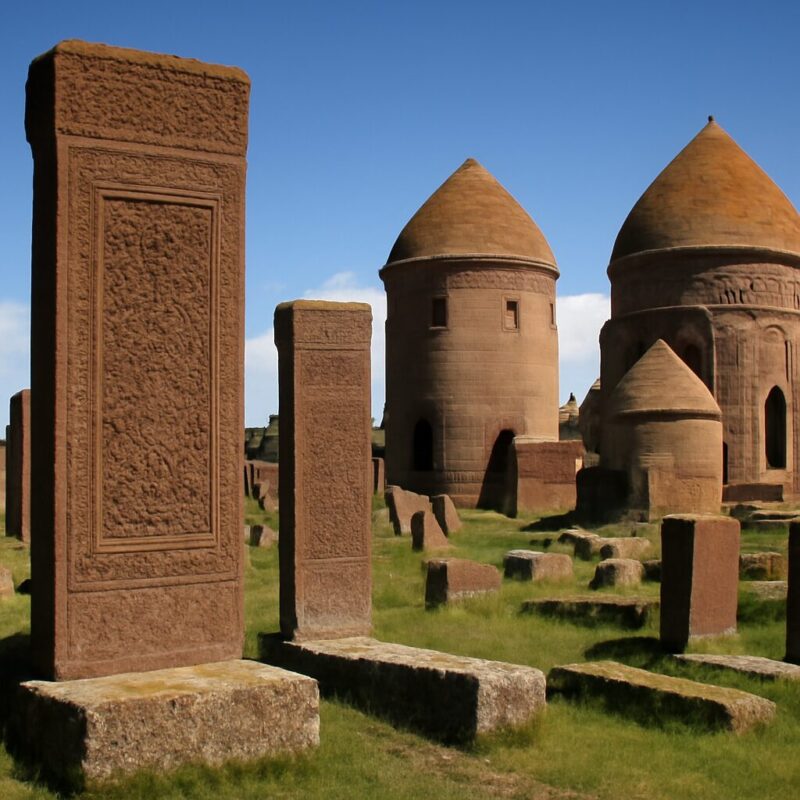
- Seljuk tombs of Ahlat, sharing the broader Seljuk architectural tradition that influenced Rumi's early tomb.
- Humayun's Tomb in Delhi, a grand Mughal mausoleum that also serves as a dynastic burial site and influenced later tombs like the Taj Mahal.