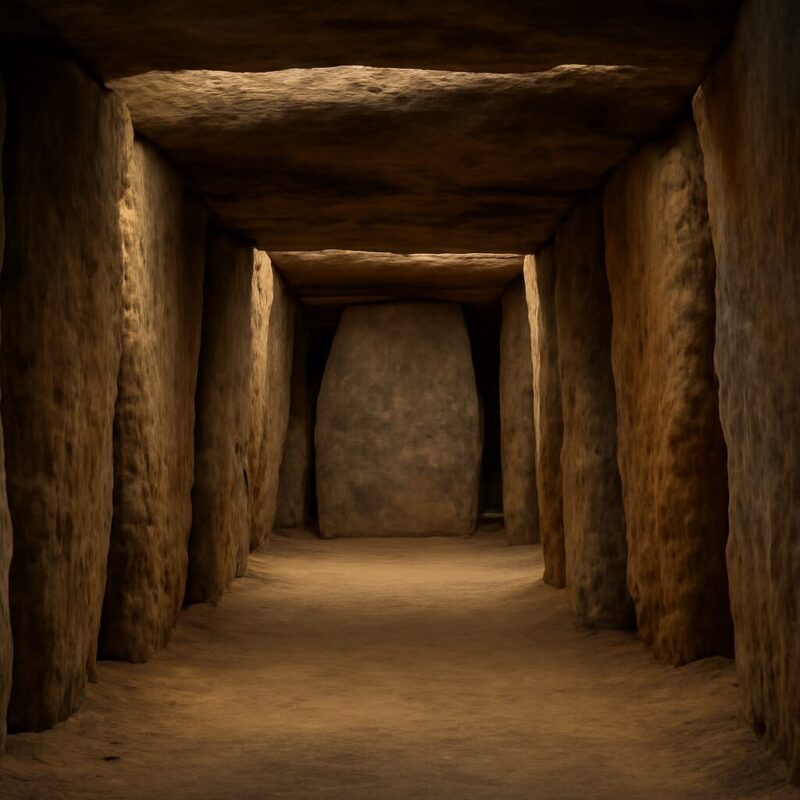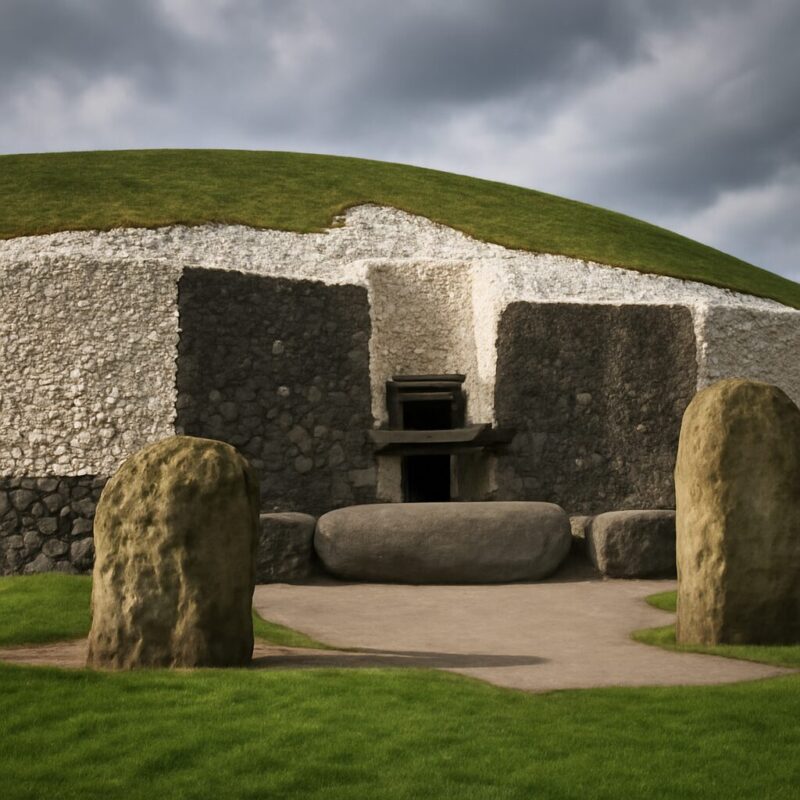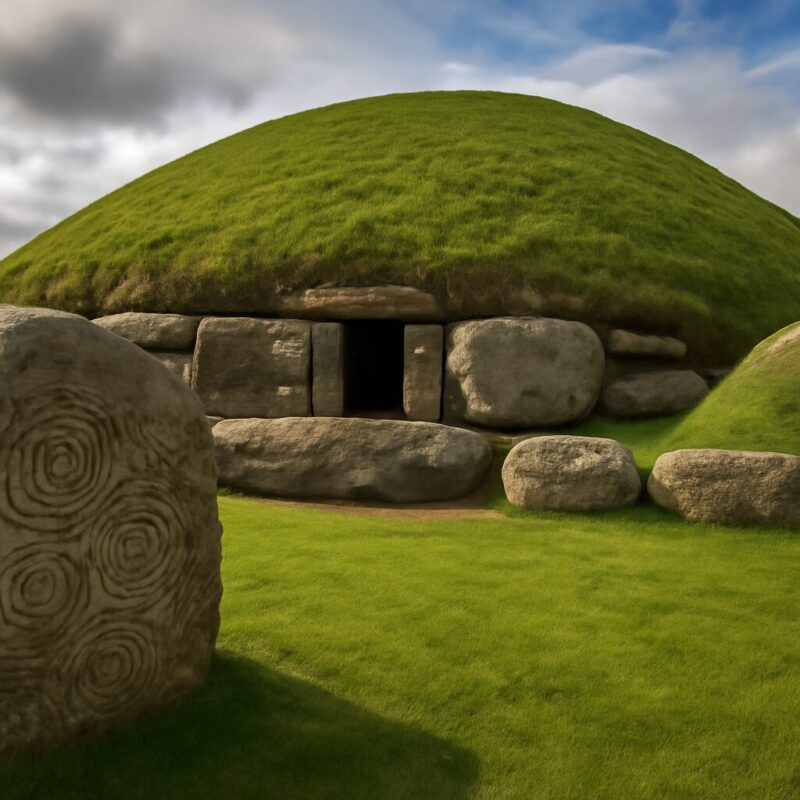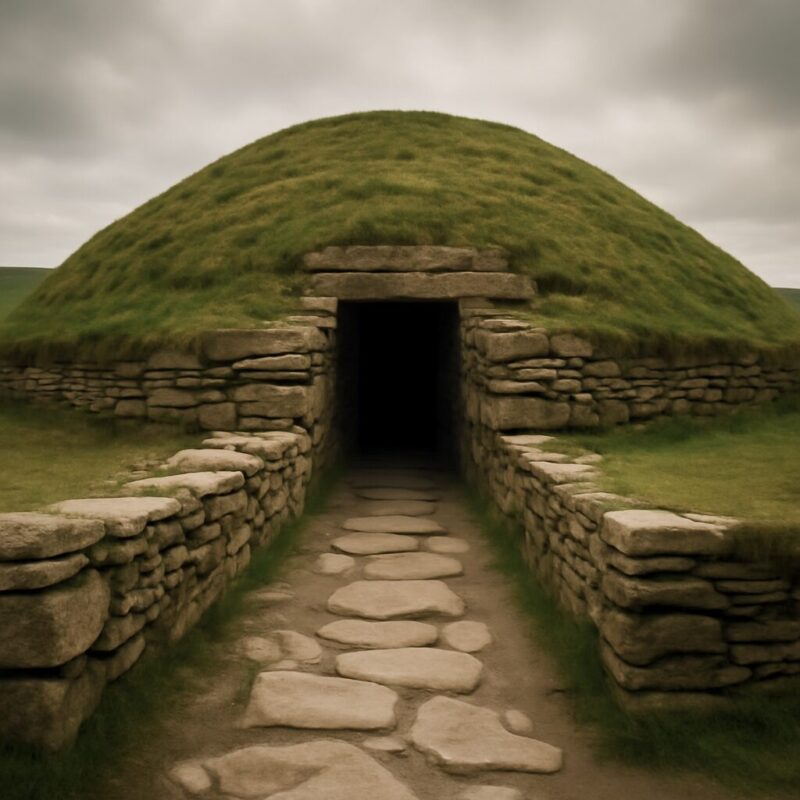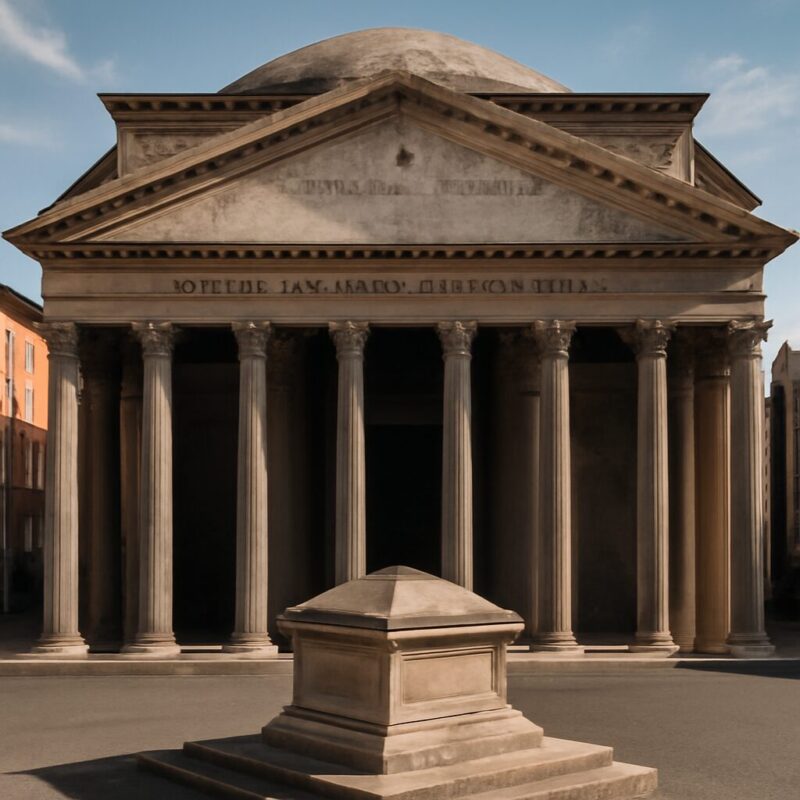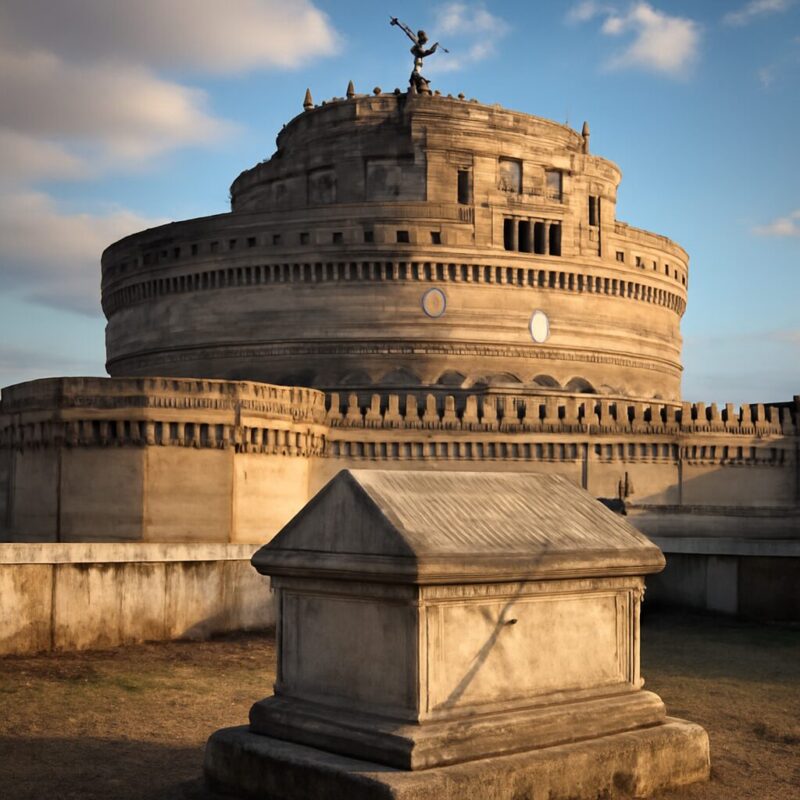
Nestled within the royal necropolis of Aigai in northern Greece, the tomb believed to be that of Philip II is a silent, monumental echo of a world-shaping dynasty. Discovered in 1977, its unplundered chamber was a time capsule, revealing not just the bones of a formidable king—his skull bearing a grievous wound matching historical accounts of his assassination—but also the radiant, tangible glory of his era. The most breathtaking find was a small gold larnax containing his cremated remains, topped with a stunning sunburst diadem, a symbol of power that seems to still hold the ambition of the man who forged Macedonia into a military powerhouse and fathered Alexander the Great. The surrounding artifacts, from an exquisite ceremonial shield to delicate ivory portraits, don't just list an inventory; they whisper of a sophisticated court, meticulous funeral rites, and the raw, brilliant legacy a father left for his son to conquer the known world.
Who Built Tomb of Philip II?
The Builder and Purpose of the Tomb of Philip II
The Tomb of Philip II, discovered at the Great Tumulus of Aigai in Vergina, Greece, was built for and by the Macedonian kingdom in the latter half of the 4th century BCE. It was constructed on the orders of Philip II himself, the king who unified Macedonia and planned the invasion of Persia, or by his son and successor, Alexander the Great, following Philip's assassination in 336 BCE. The tomb served as a monumental royal burial to honor Philip's power and legacy, ensuring his veneration and securing the dynastic line.
The Macedonian Royal Tomb Culture
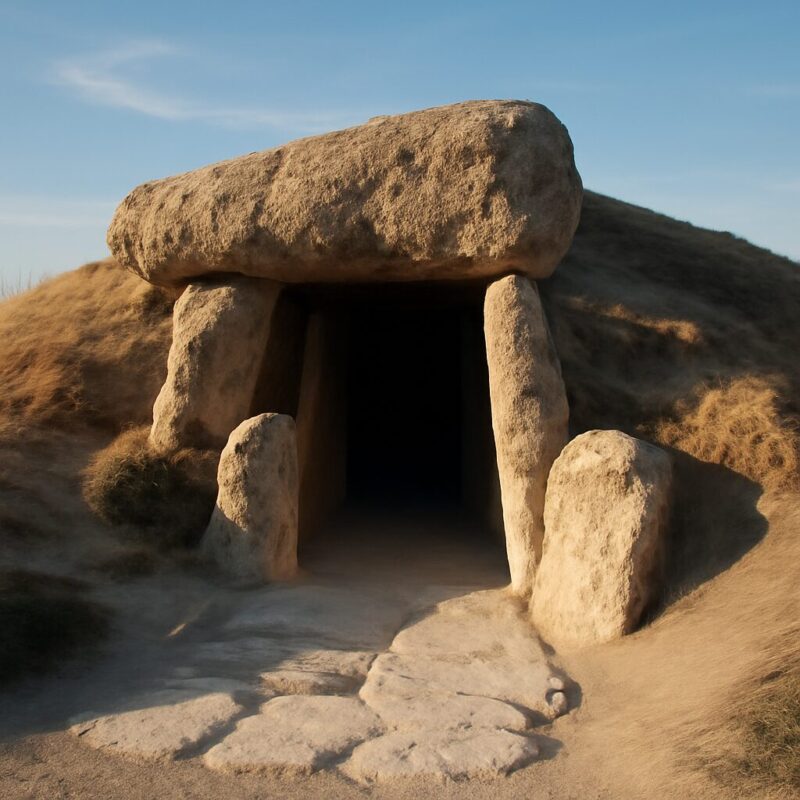
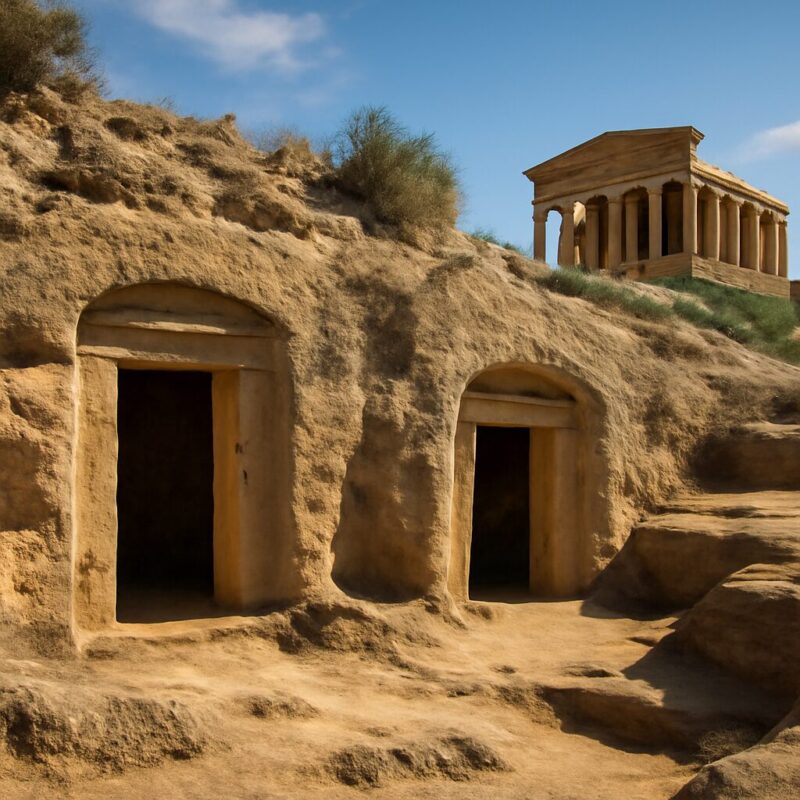
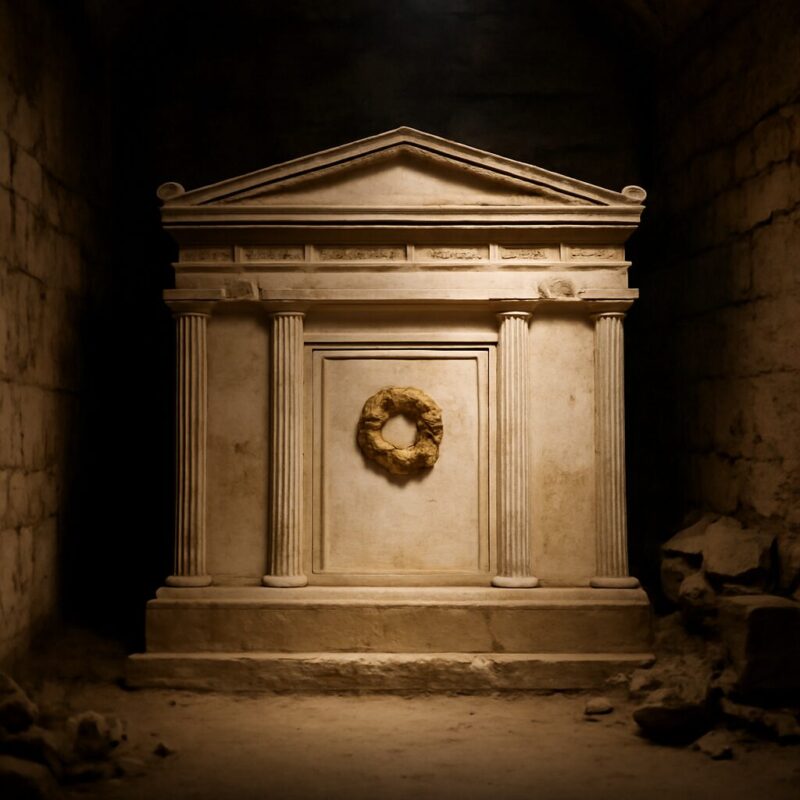
The tomb is a prime example of Macedonian funerary architecture from the era. It is a Macedonian tomb, a distinct type characterized by a barrel-vaulted chamber, an elaborate façade, and a built-in temple-like front. These tombs were often covered by large earthen mounds (tumuli). The lavish grave goods, including the famous gold larnax (ossuary) and golden wreath, reflect the wealth, artistic sophistication, and warrior ethos of the Macedonian elite. The tomb's construction demonstrates the fusion of Greek architectural forms with distinct local royal traditions.
Related Structures from the Provided List
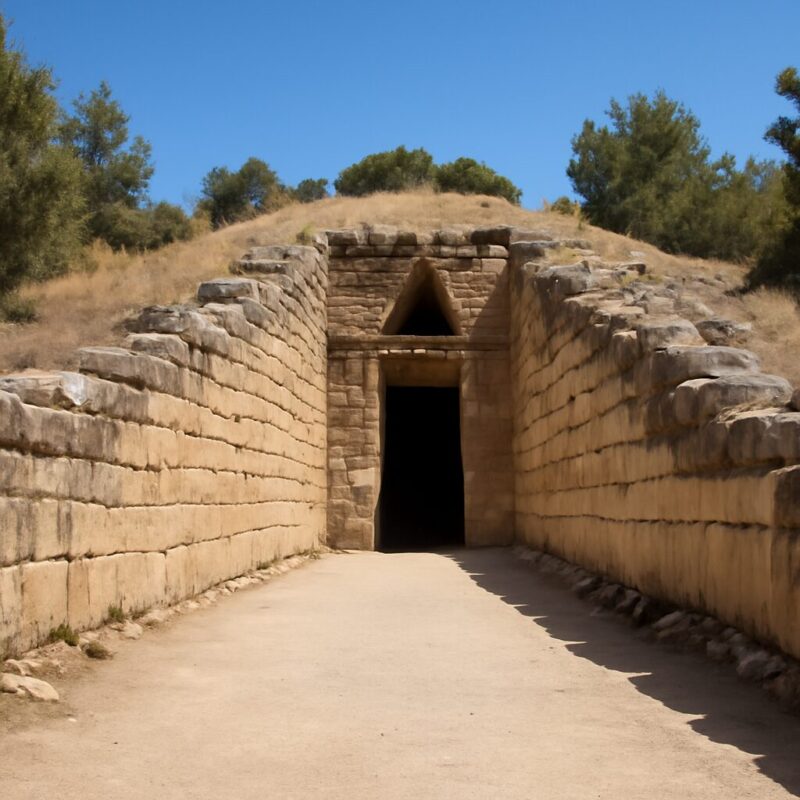
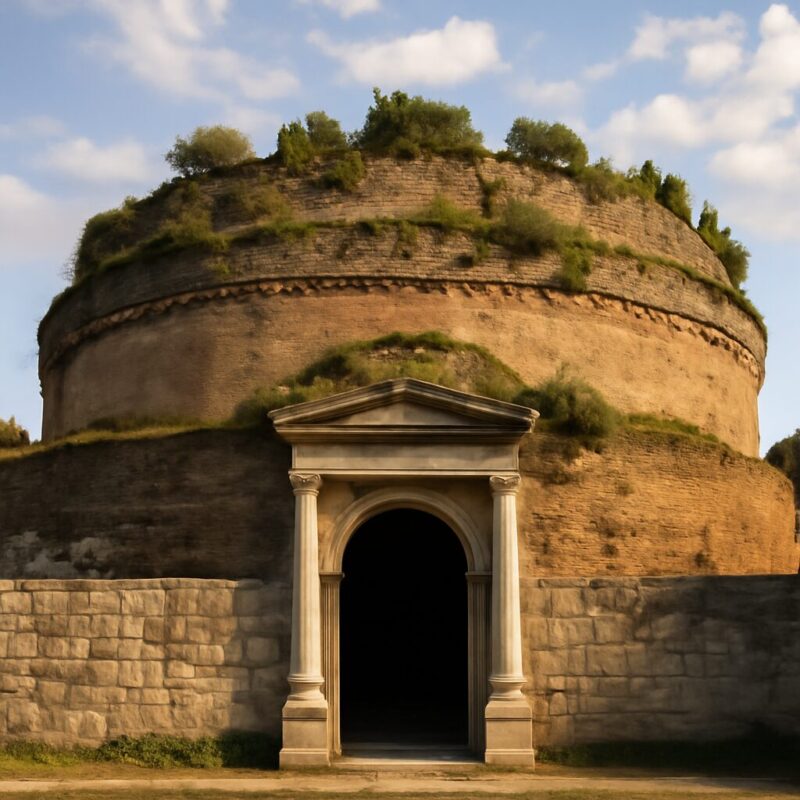
While the Macedonian tomb style is unique, the broader practice of constructing monumental royal tombs links Philip II's burial to other ancient traditions. Notably, the Mycenaean tholos tombs represent a much earlier but similarly impressive form of corbel-vaulted royal burial in Greece. Furthermore, the concept of a ruler commissioning a grand tomb for himself is paralleled in the Mausoleum of Augustus in Rome and the Tomb of Cyrus the Great in Pasargadae.