Who Built Tomb of Pakal?
The Builders of Pakal's Tomb
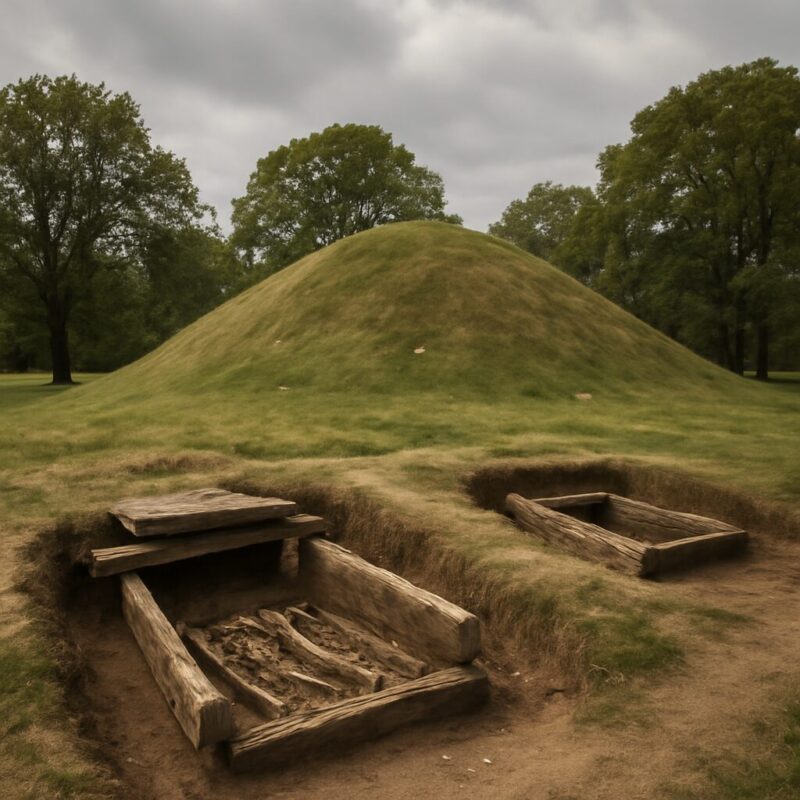
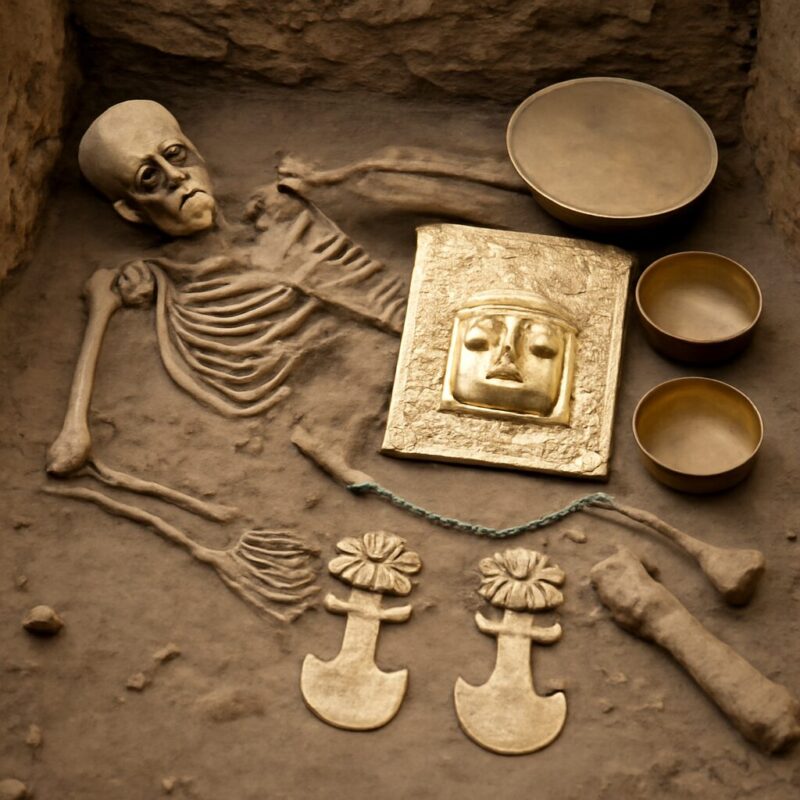
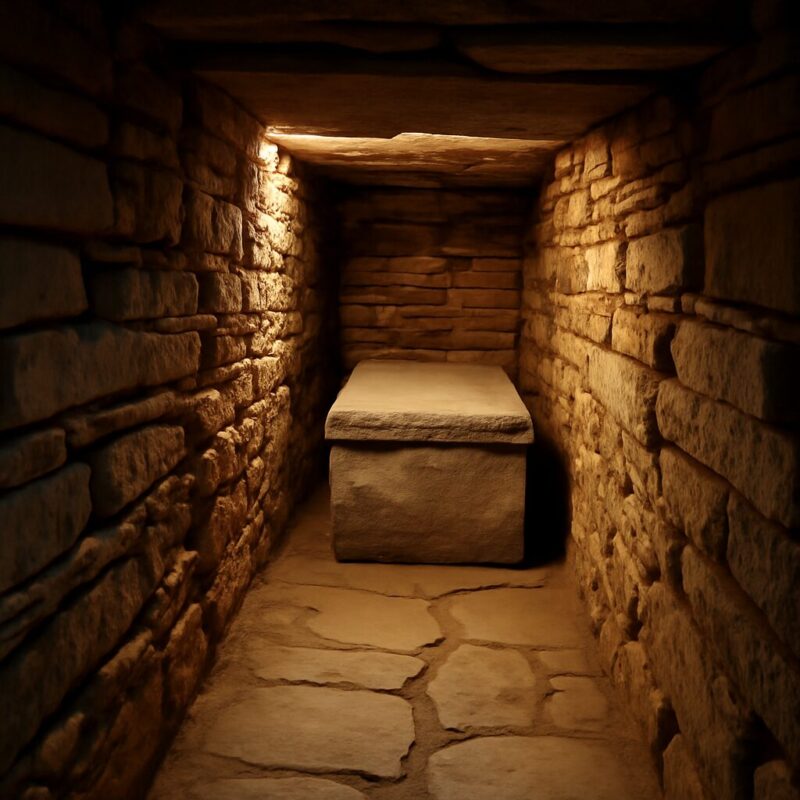
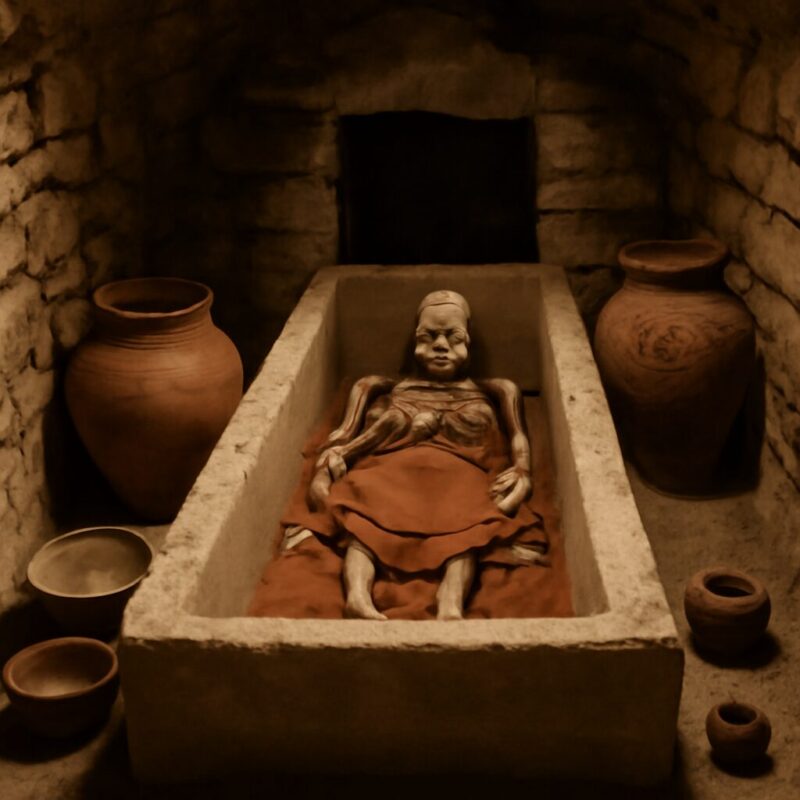
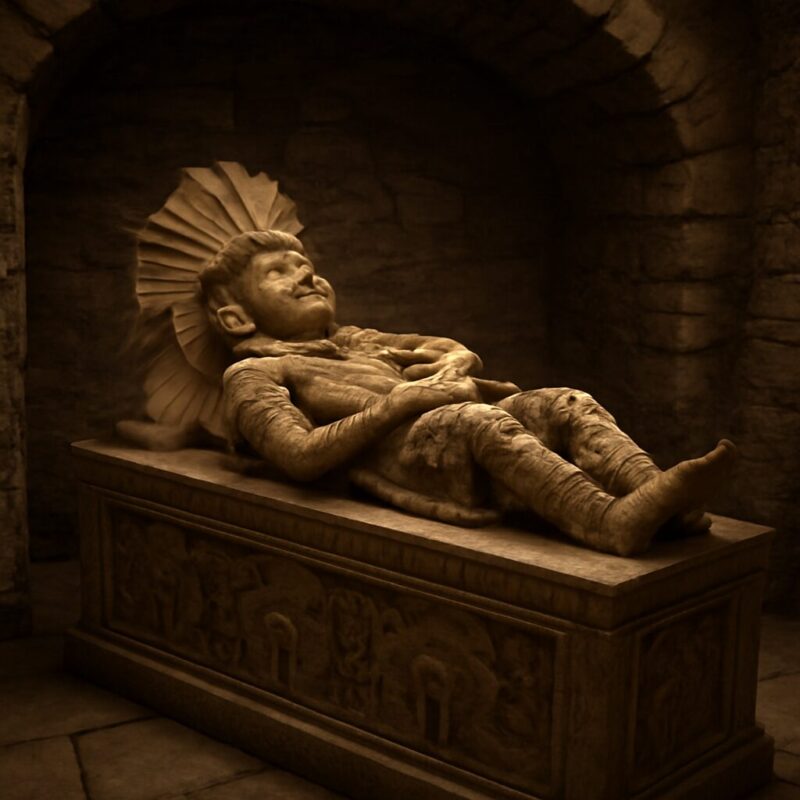
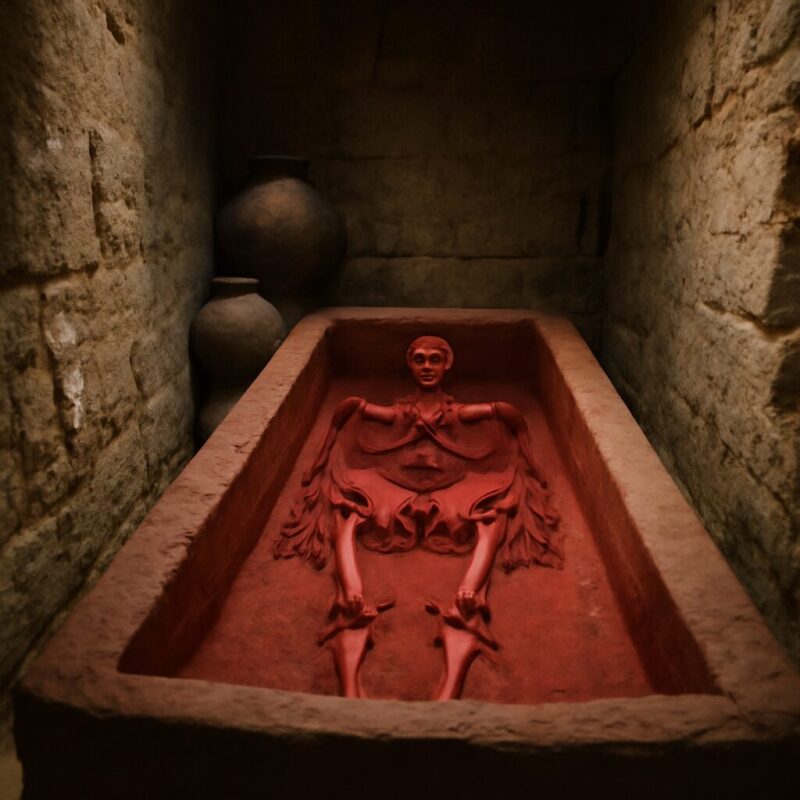
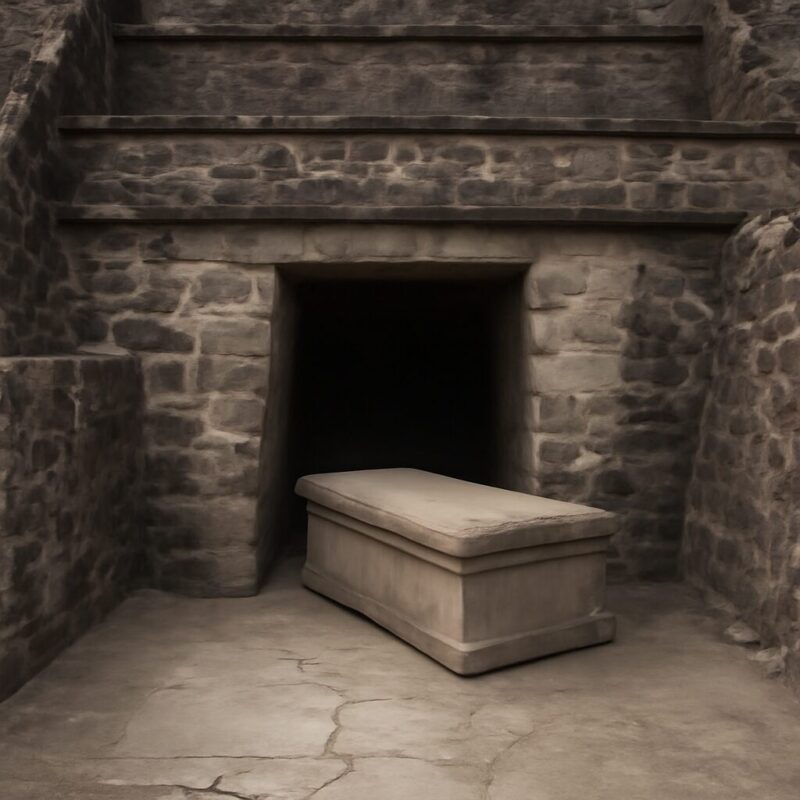
The Tomb of Pakal is the burial chamber of the Maya ruler K'inich Janaab' Pakal, also known as Pakal the Great. It was built by the Maya civilization, specifically by the artisans and laborers of the city-state of Palenque, located in present-day Chiapas, Mexico. The tomb's construction was commissioned by Pakal himself, likely beginning early in his reign, and it was completed for his burial in 683 CE.
Purpose and Cultural Significance
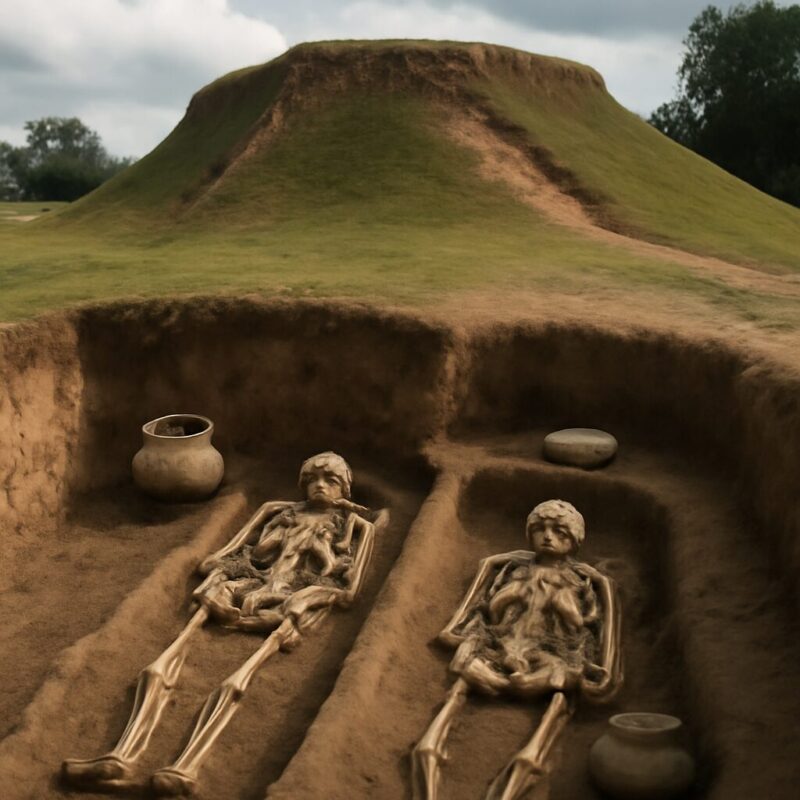
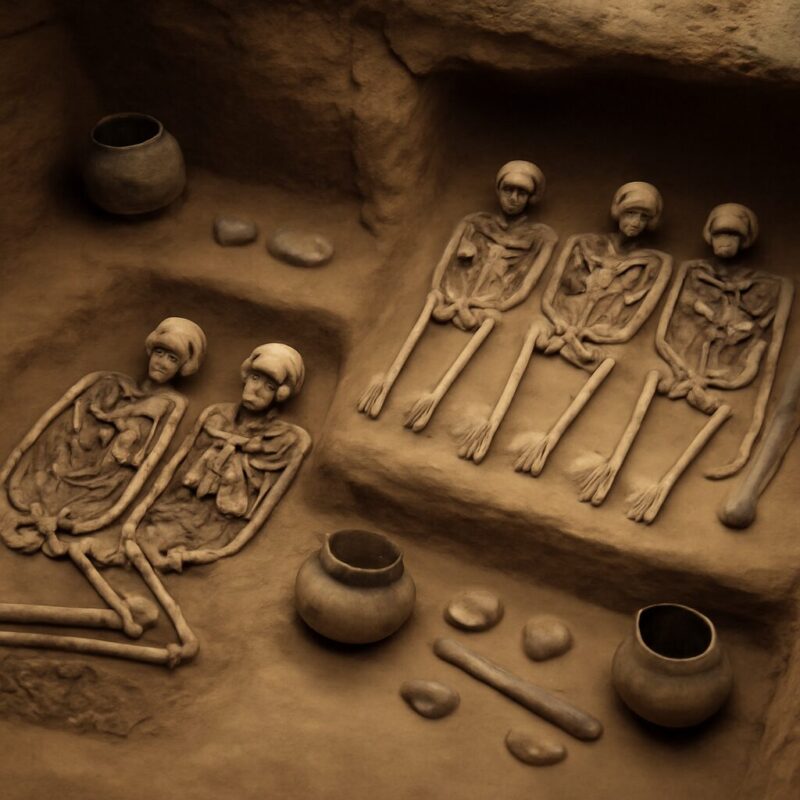
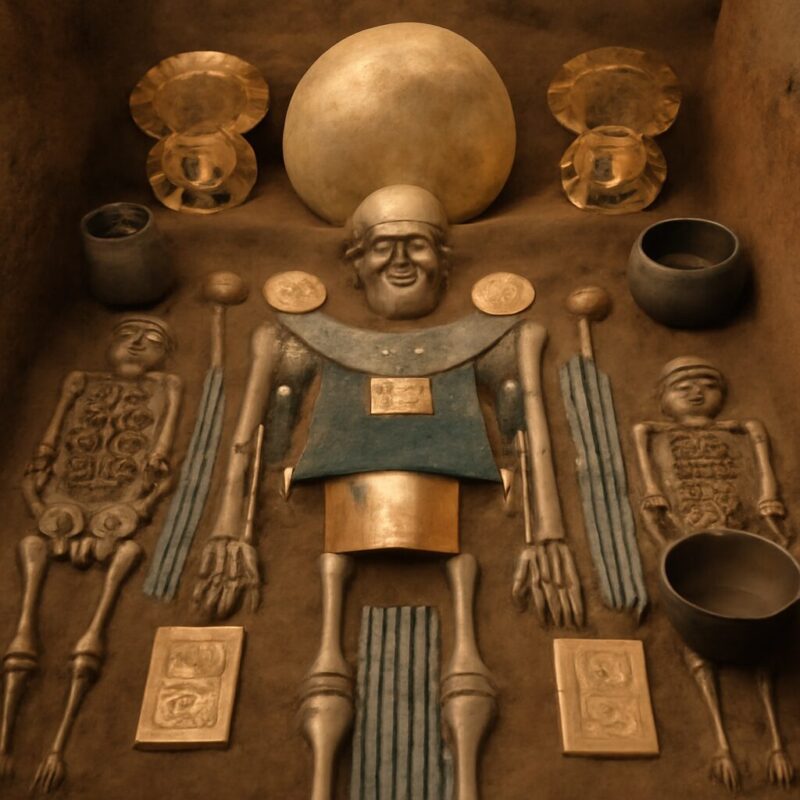
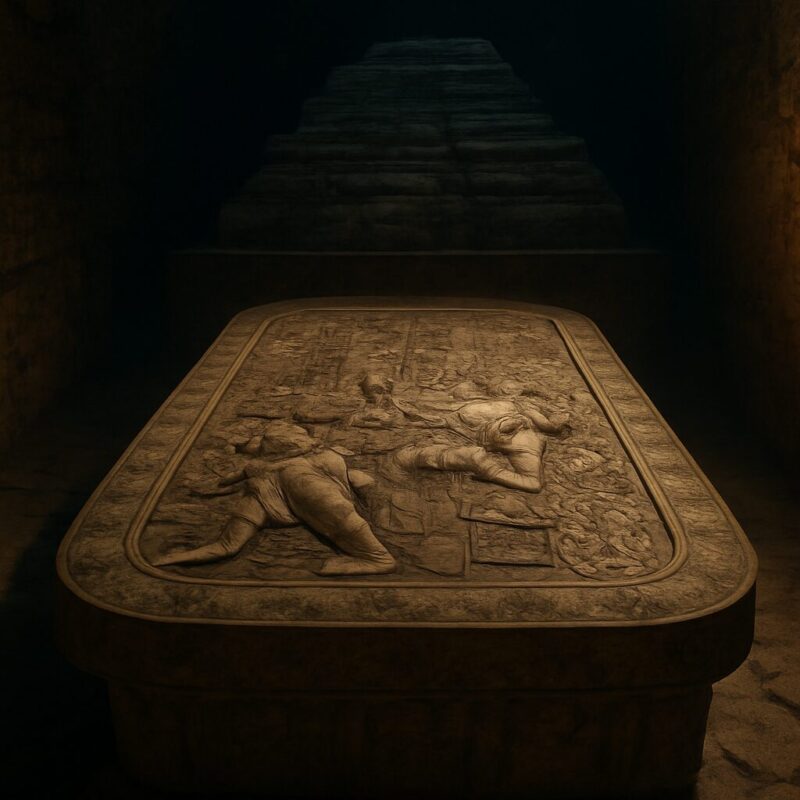
The tomb was built to serve as the eternal resting place for one of Palenque's most famous and successful kings, whose 68-year reign was a period of immense architectural and artistic achievement. For the Maya, such monumental tombs were not just graves but sacred portals to the underworld (Xibalba) and crucial for ensuring the deceased ruler's divine journey and continued influence. The elaborate iconography and inscriptions within were meant to legitimize his lineage and eternalize his legacy.
What Else They Built: The Temple of the Inscriptions
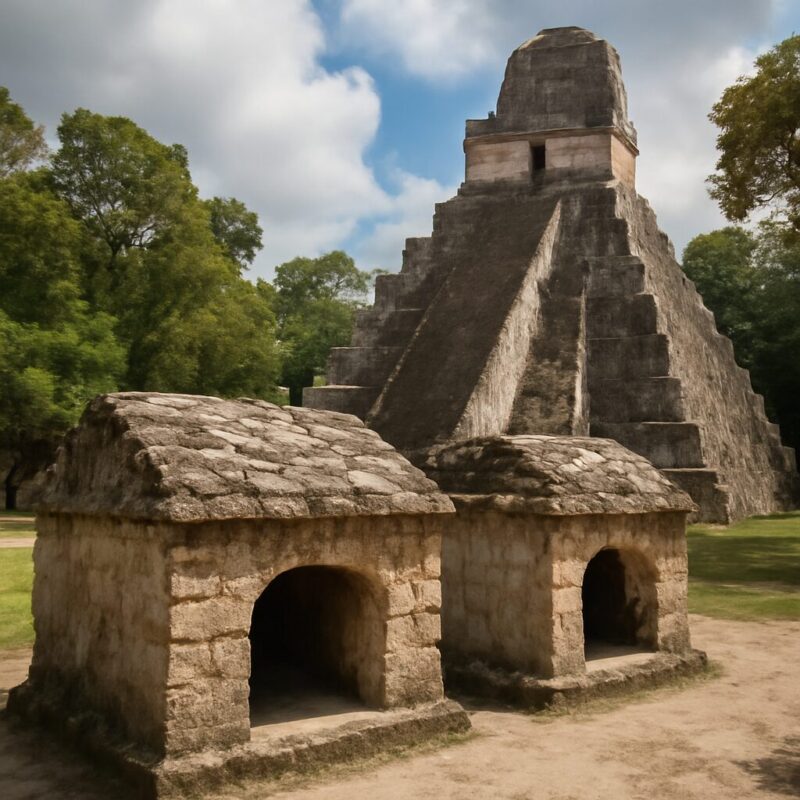
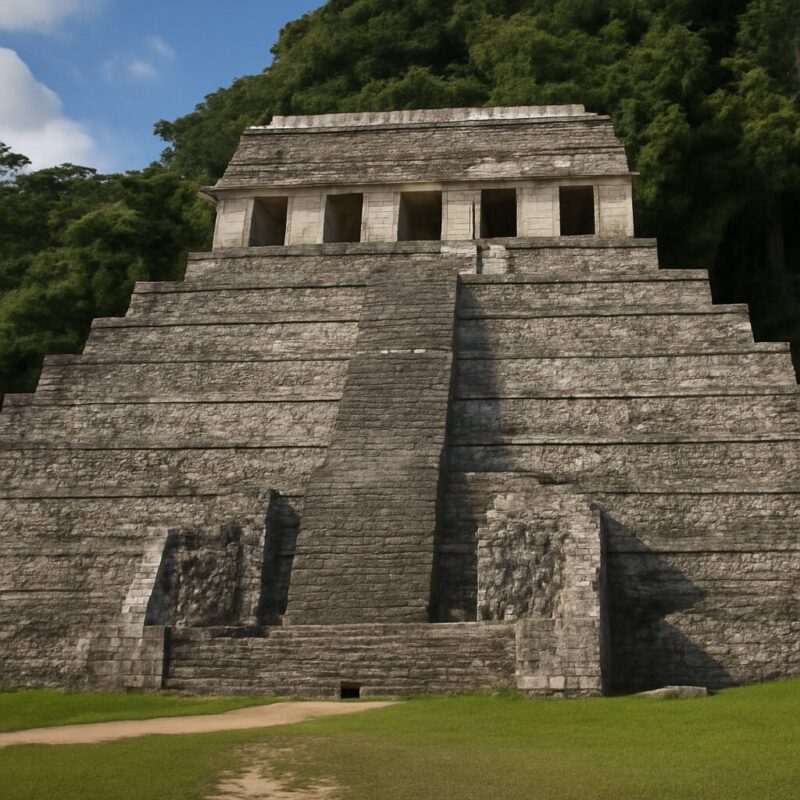
The Tomb of Pakal is housed within the Temple of the Inscriptions, the iconic stepped pyramid that Pakal ordered to be built specifically to contain his tomb. This structure is the largest pyramid at Palenque and is famed for its long hieroglyphic text detailing the city's history and Pakal's ancestry. The temple and tomb form a single, integrated architectural masterpiece.
Related Maya Royal Burials
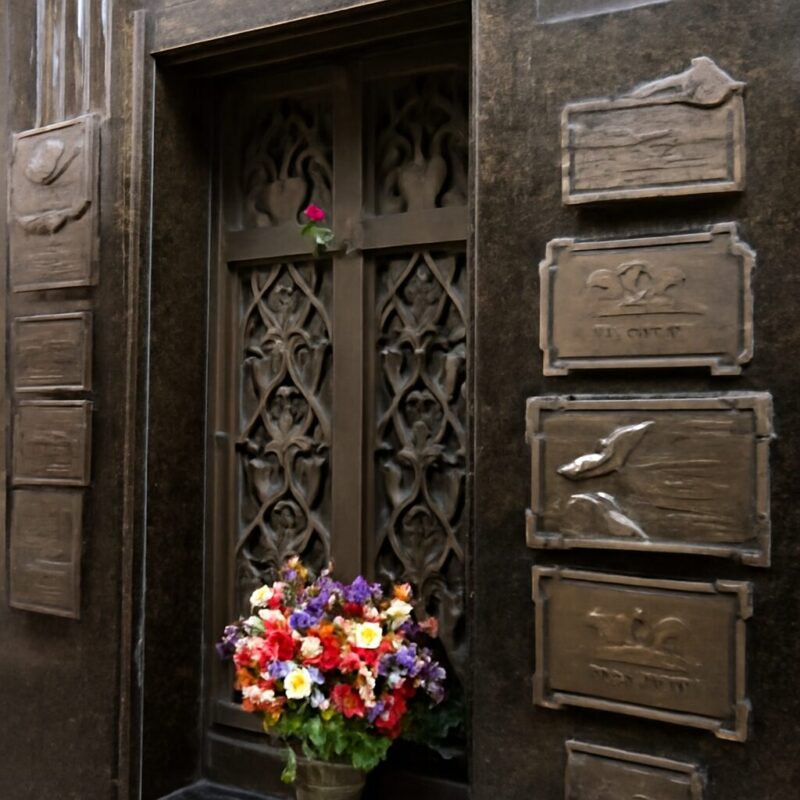
The Maya built similar elaborate tombs for royalty in other major city-states. For example, you can explore the Tikal royal tombs in Guatemala and the Copan royal burials in Honduras, which reflect the shared cultural tradition of venerating rulers through monumental underground burial chambers.