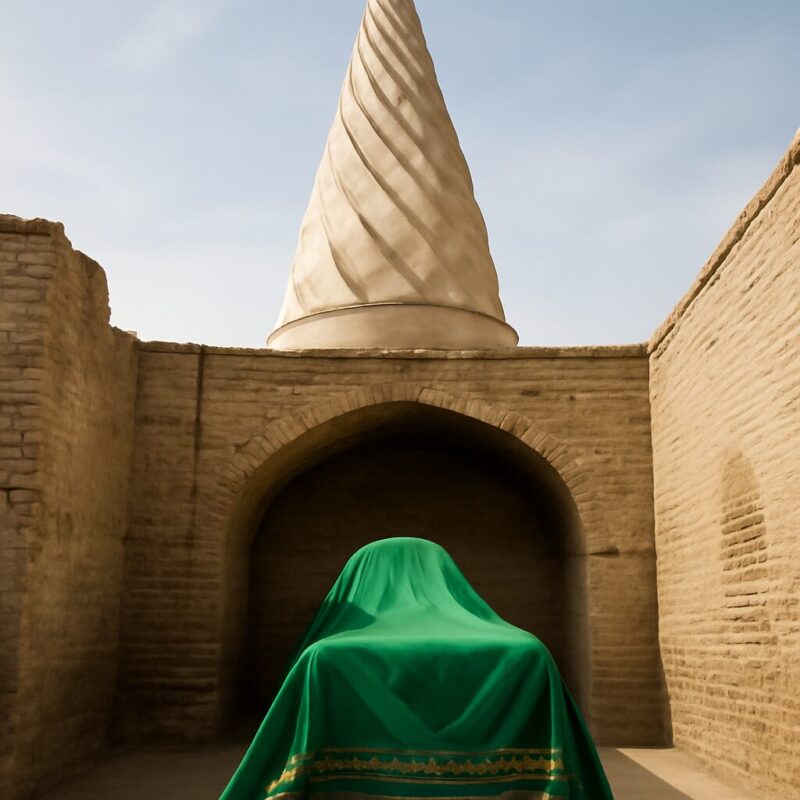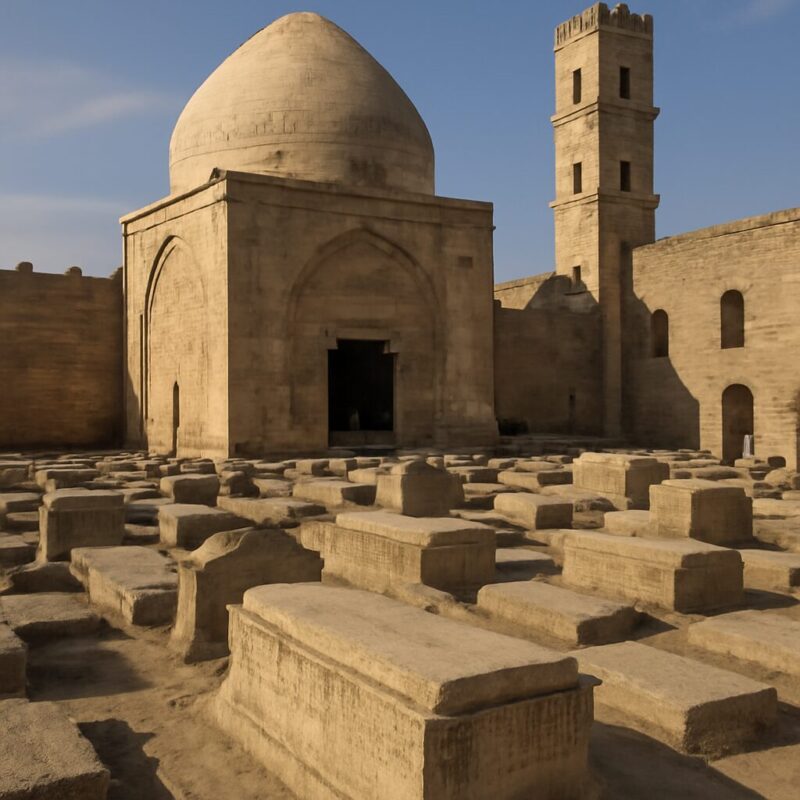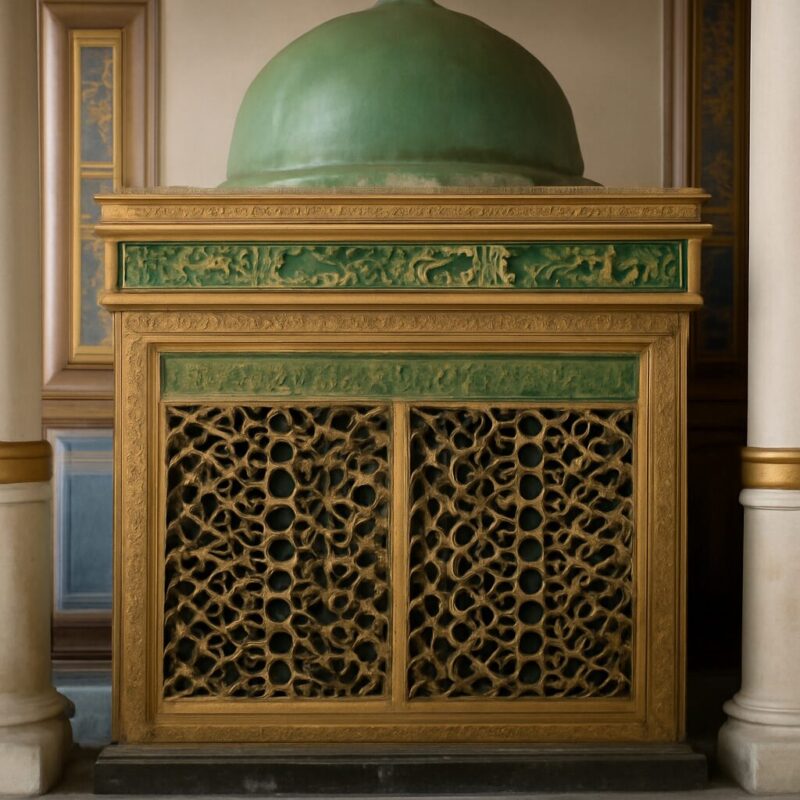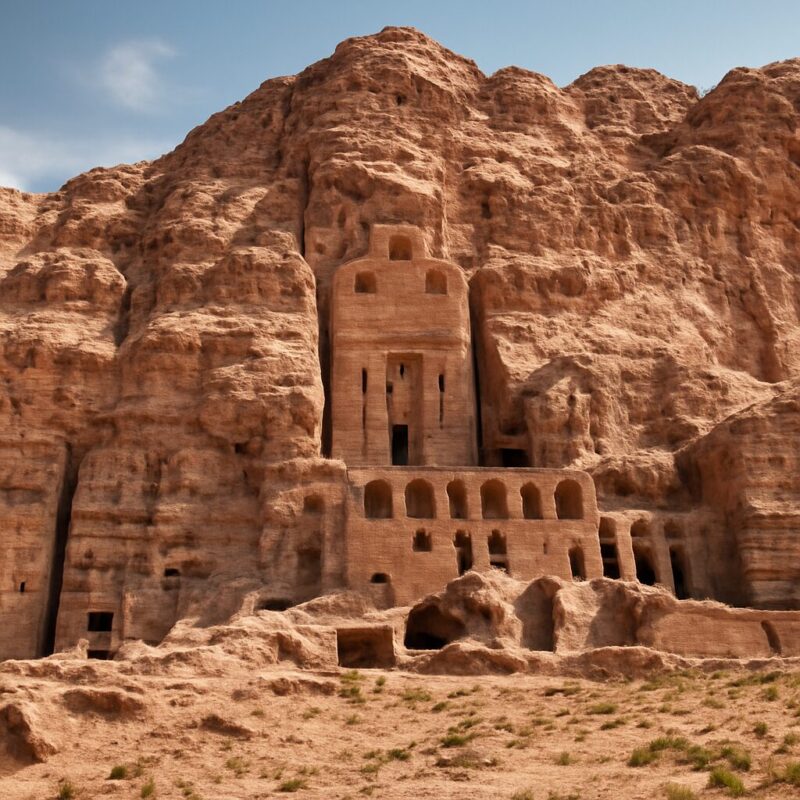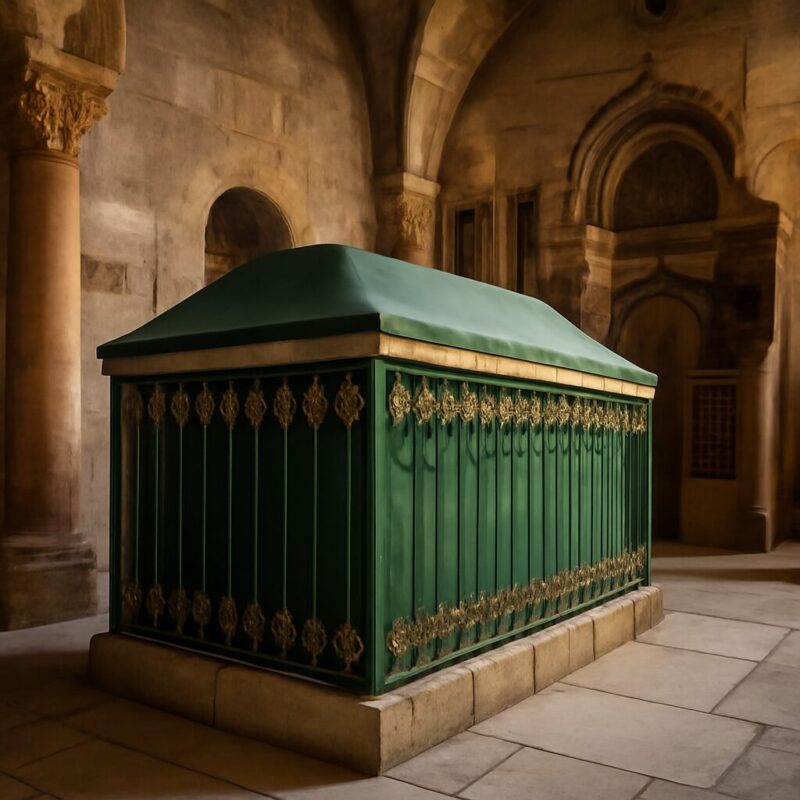
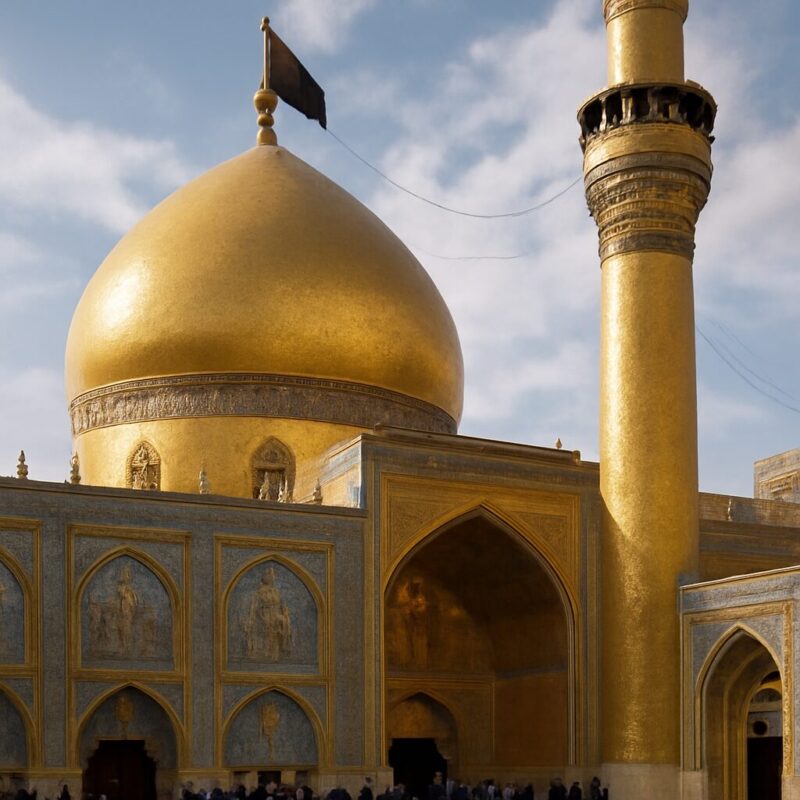
Nestled within the heart of Najaf, Iraq, the Tomb of Imam Ali is a place where the air itself seems to hum with devotion. More than a shrine, it is a magnetic epicenter for Shia Muslims, drawing pilgrims into a dazzling labyrinth of mirrored tiles and intricate calligraphy that reflects both light and a profound sense of reverence. The atmosphere is thick with whispered prayers and the soft shuffle of feet on cool marble, a tangible connection to the legacy of the first Imam. Its iconic golden dome, visible for miles across the flat desert, doesn't just dominate the skyline—it acts as a spiritual beacon, promising sanctuary and a direct line to a figure whose justice and wisdom are felt as keenly today as they were centuries ago.
Who Built Tomb of Imam Ali?
Who Built the Tomb of Imam Ali?
The original burial site of Imam Ali ibn Abi Talib in Najaf, Iraq, was a simple, unmarked grave, as was his wish. The first known structure to mark the site was built by the Abbasid Caliph Harun al-Rashid around 791 CE. However, the development of the site into a major shrine complex occurred over many centuries, with significant contributions from various Muslim rulers, including the Buyid dynasty in the 10th century and the Safavid dynasty from the 16th century onward.
Why Was It Built?
The tomb was built as a place of veneration and pilgrimage. Imam Ali is a profoundly revered figure in Islam. For Shia Muslims, he is the first Imam and the rightful successor to the Prophet Muhammad. For many Sunni Muslims, he is the fourth Rashidun Caliph and a paragon of justice and piety. The construction of a shrine over his burial place reflects the deep spiritual and cultural importance of honoring saints and holy figures in Islamic tradition, serving as a focal point for prayer, reflection, and communal identity.
Related Cultural Context: Islamic Mausoleums
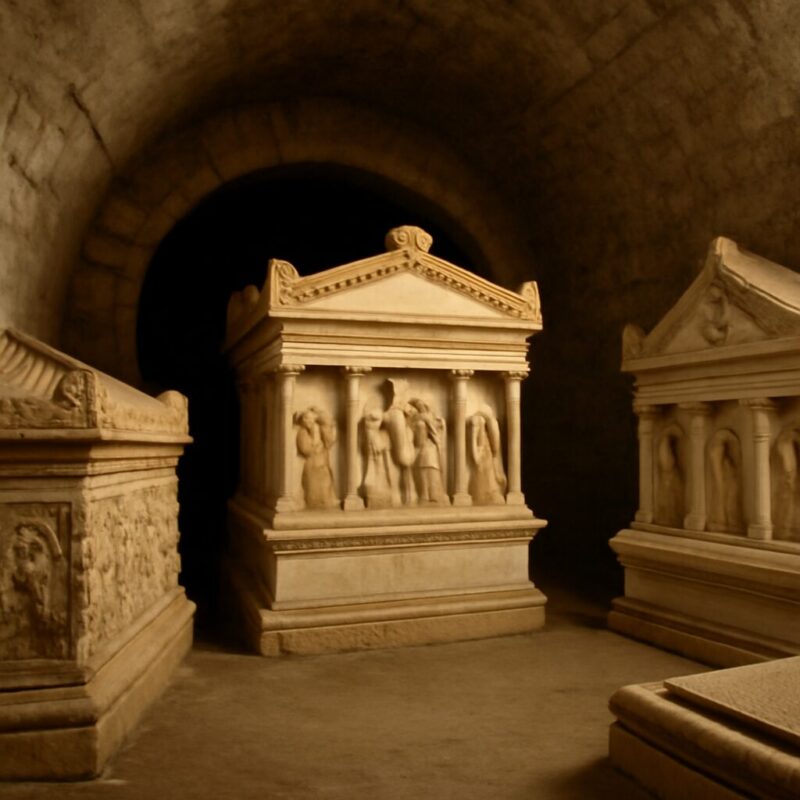
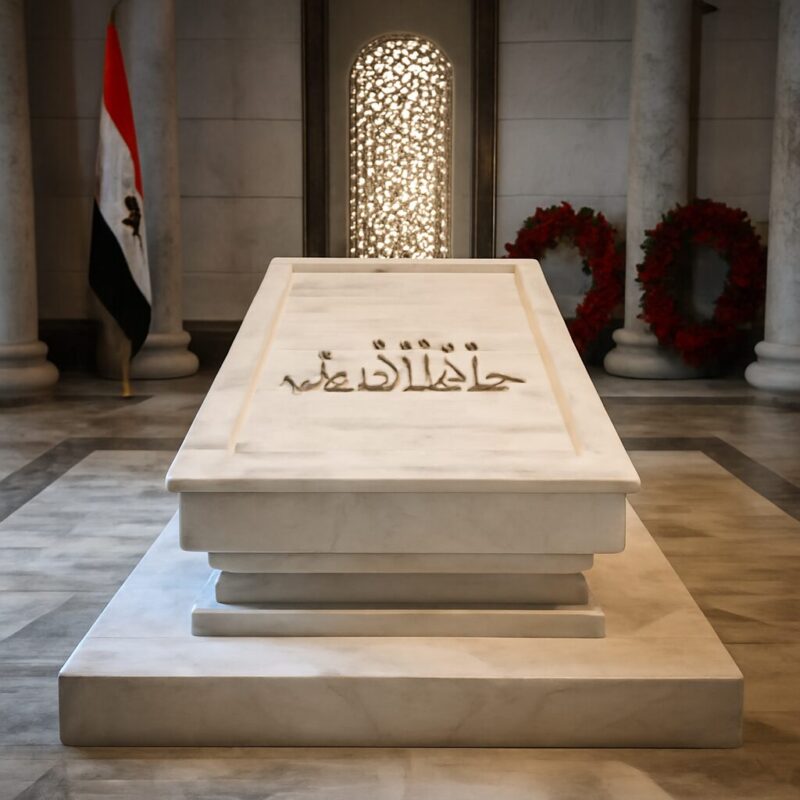
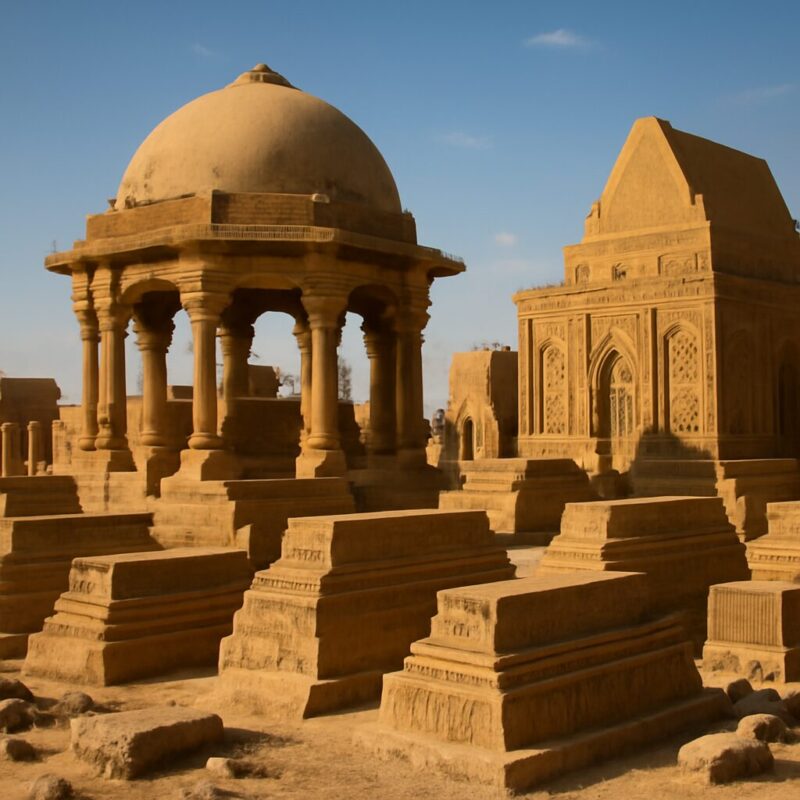
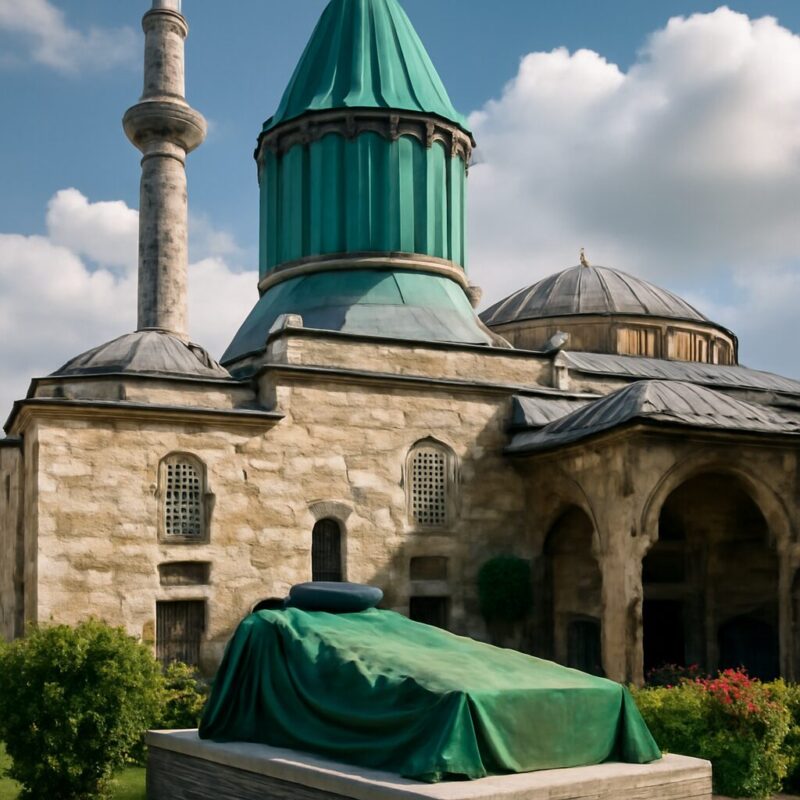
The tradition of building elaborate tombs for revered religious and political leaders is a significant feature in Islamic architecture, particularly from the medieval period onward. These structures often combine a central domed chamber housing the cenotaph with a mosque and other functional buildings, creating a complex (hawza) that serves both spiritual and educational purposes.
Other Notable Tombs from the Islamic World
This cultural practice of building monumental tombs is evident in several other important sites. For example, the Tomb of Timur (Gur-e Amir) in Samarkand is a masterpiece of Timurid architecture. In India, the Mughal Empire produced iconic mausoleums like the Taj Mahal and Humayun's Tomb. In Iran, the Shah-i-Zinda necropolis and the Tomb of Cyrus the Great (though pre-Islamic, it was respected and incorporated into later Iranian culture) are other prominent examples. The Tomb of Daniel is another revered Islamic shrine built over a traditional prophet's burial site.