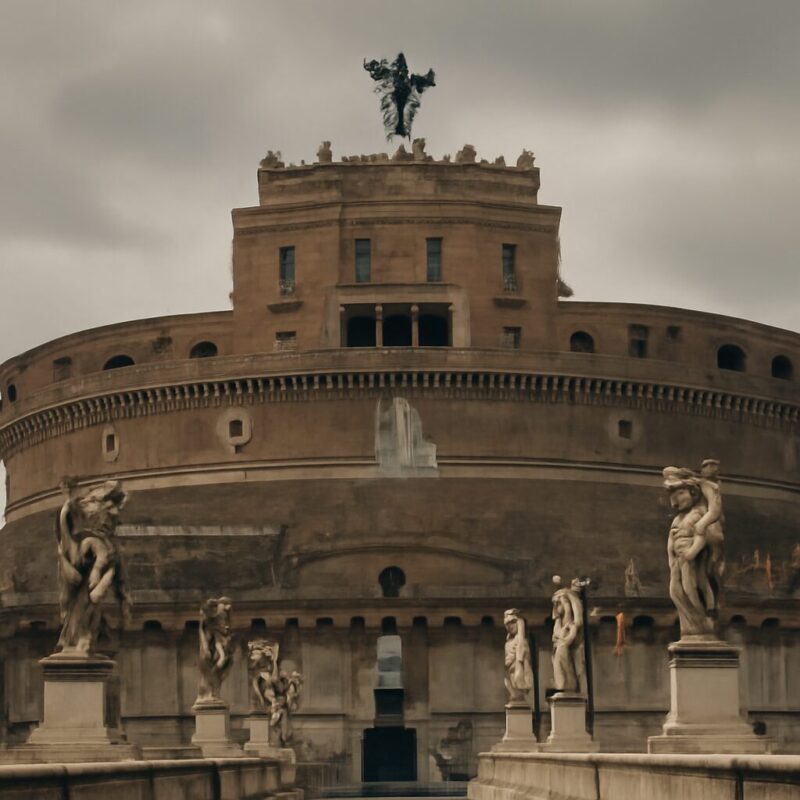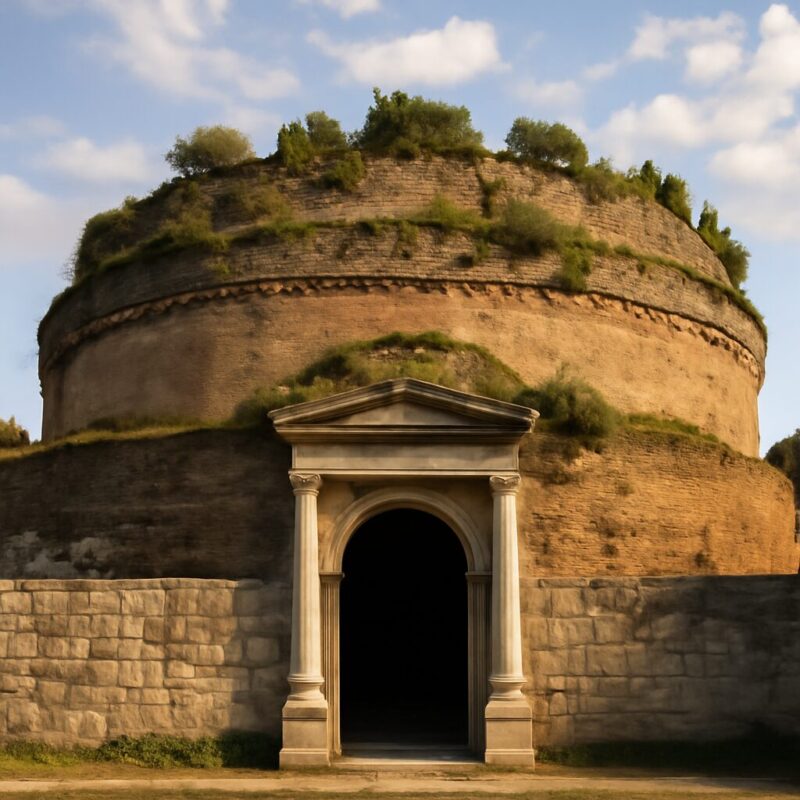
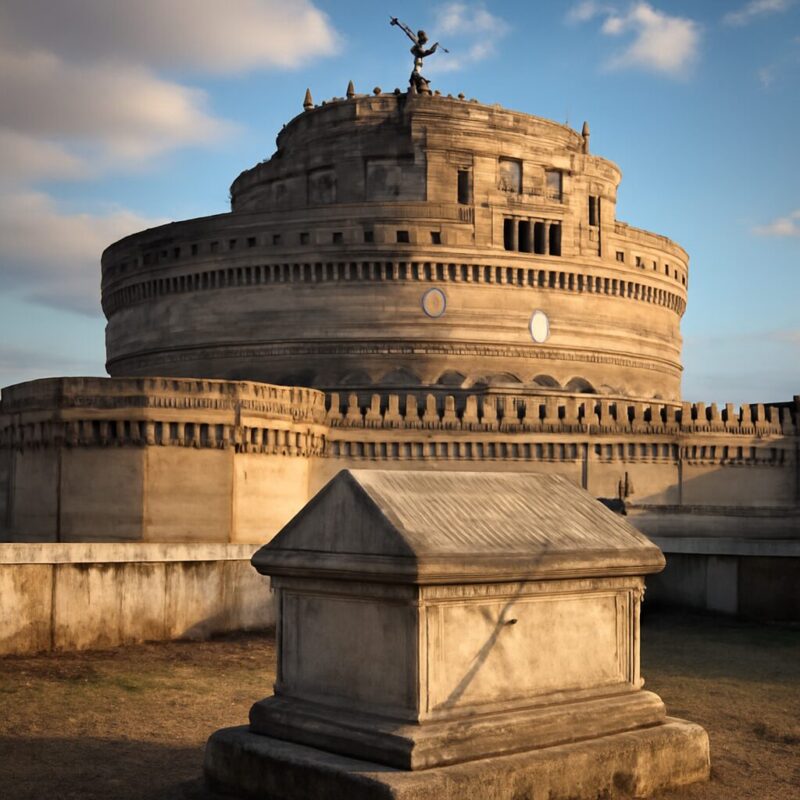

Imagine a colossal drum of marble and travertine, a fortress for the dead, rising beside the Tiber. This is the Tomb of Hadrian, though you'd likely know it as the Castel Sant'Angelo. It began as the emperor's final, grandiose resting place, a serene cylinder topped with a cypress grove and a statue of Hadrian as the sun god. But history had other plans. Over centuries, it shed its funerary silence to become a papal fortress, its stone walls scarred by siege, a prison where whispers of conspiracy lingered in damp cells, and a lavish Renaissance castle connected to the Vatican by a secret passage. Today, it stands as a stone chronicle of Rome itself—a mausoleum, a stronghold, a refuge, and a museum, all layers of time cemented together overlooking the eternal river.
Who Built Tomb of Hadrian?
Who Built the Tomb of Hadrian?
The Tomb of Hadrian, originally known as the Mausoleum of Hadrian, was commissioned by the Roman Emperor Hadrian himself. Construction began around AD 134, during his reign, and was completed by his successor, Antoninus Pius, in AD 139.
Why Was It Built?
It was built as a dynastic mausoleum for Hadrian and his family, following the tradition of earlier emperors like Augustus. The structure served as a powerful symbol of imperial power and continuity, designed to house the cremated remains of the emperor and his successors, solidifying their legacy for eternity.
Cultural Context: Imperial Roman Funerary Practices
The mausoleum reflects the peak of Roman imperial engineering and architectural grandeur. Unlike the secluded necropolises of other cultures, this tomb was a monumental public statement in the heart of the empire, combining a cylindrical base with a decorative top, possibly crowned with a statue of Hadrian. It later became a fortress, a papal residence, and is now known as the Castel Sant'Angelo.
What Else They Built
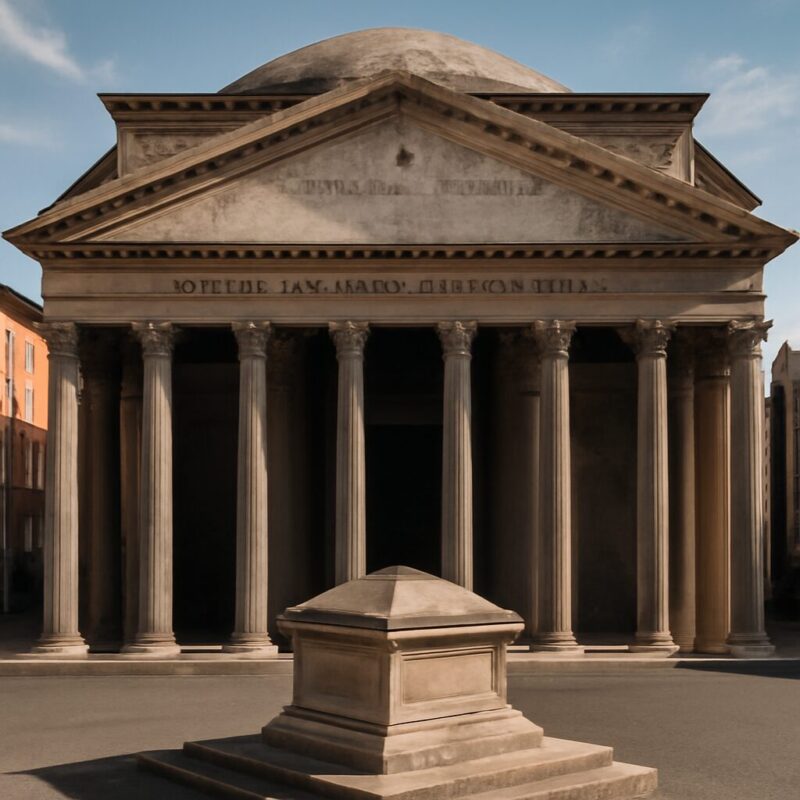
Emperor Hadrian, known for his extensive building projects across the Roman Empire, also commissioned the Pantheon in Rome (its iconic rebuild) and Hadrian's Wall in Britain. His predecessor, Augustus, built an earlier imperial mausoleum, the Mausoleum of Augustus. The cylindrical form of Hadrian's tomb shares a conceptual link with other monumental tombs like the Tomb of Cyrus the Great.