Who Built Tomb of Dante?
The Architect and Patron of Dante's Tomb
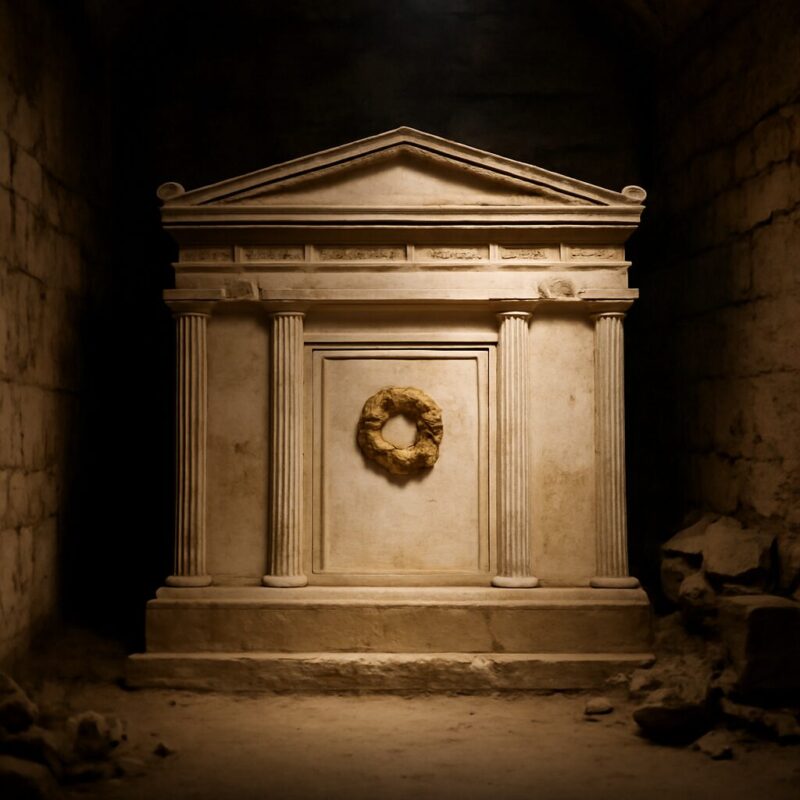
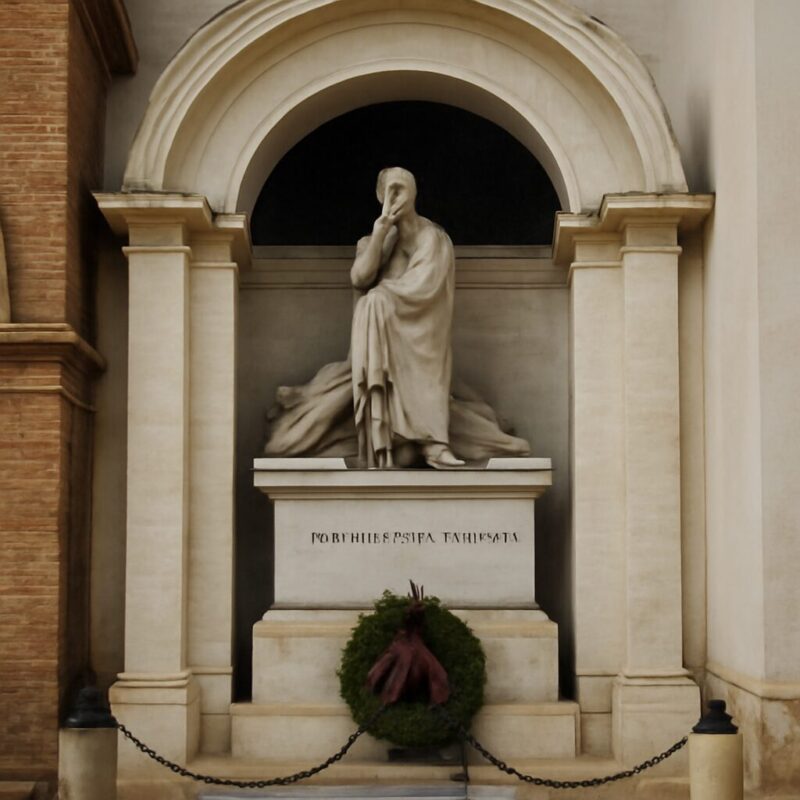
The current Tomb of Dante in Ravenna, Italy, was built in 1780-1781. It was commissioned by Cardinal Luigi Valenti Gonzaga and designed by the neoclassical architect Camillo Morigia. The structure was erected to provide a more dignified and permanent monument for the poet's remains, replacing earlier, simpler structures that had been built and modified over the centuries since his death in 1321.
Purpose and Cultural Context
The tomb was built to honor Dante Alighieri, the father of the Italian language and author of *The Divine Comedy*. Despite his immense posthumous fame, Dante died in exile in Ravenna and was initially buried there in a simple sarcophagus. The city of Florence, Dante's birthplace, repeatedly requested the return of his remains, which Ravenna refused. The 18th-century tomb project was, in part, a statement of Ravenna's enduring claim to the poet and a reflection of the growing neoclassical movement that sought to memorialize great figures of history with solemn, temple-like structures.
Related Structures by Culture
The Tomb of Dante is a Renaissance/Neoclassical memorial for a single, profoundly influential individual. This focus on commemorating a specific great person connects it culturally to other later monumental tombs, though their architectural styles differ based on period and region. For example:
- It shares the concept of a grand, architect-designed mausoleum for a revered figure with the Tomb of Timur (Gur-e Amir) in Samarkand.
- The act of building an elaborate tomb for a foundational literary figure is paralleled by the Tomb of Hafez in Shiraz, Iran.
- As a centralized, classical-style monument, it differs significantly from the extended imperial burial complexes found in sites like the Ming Tombs in China.