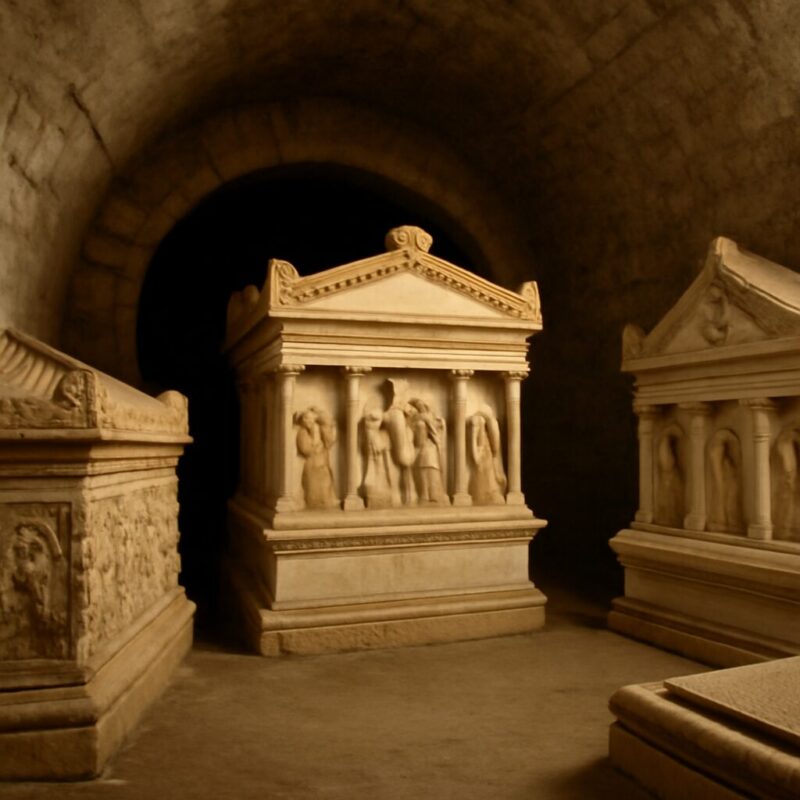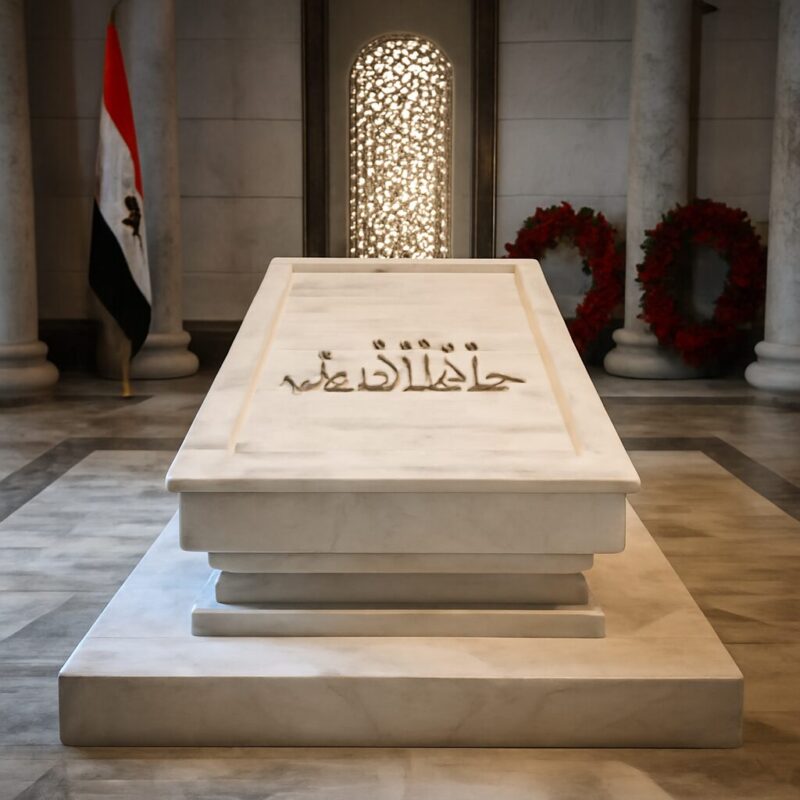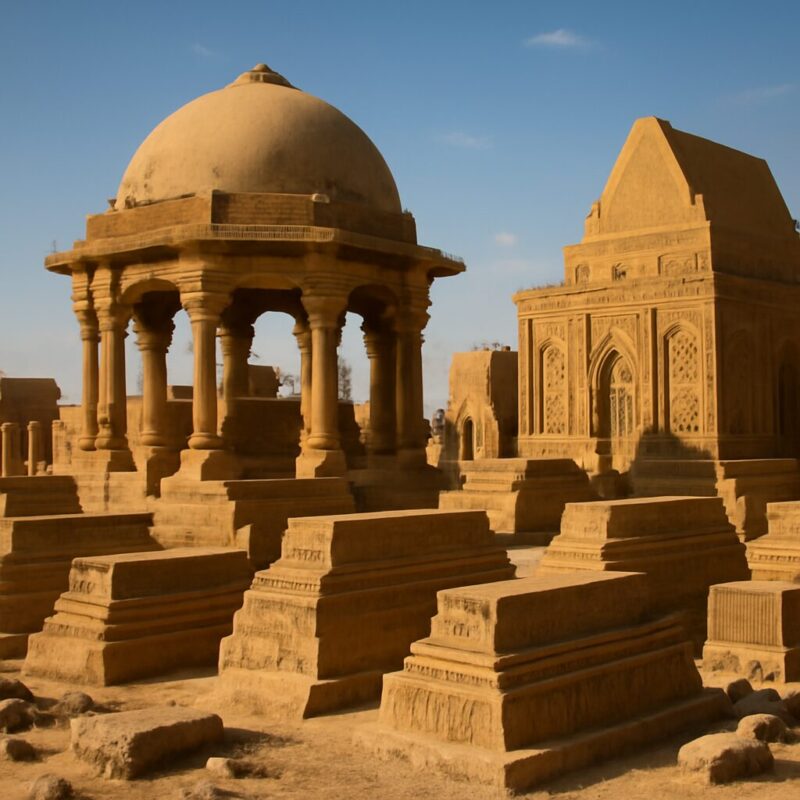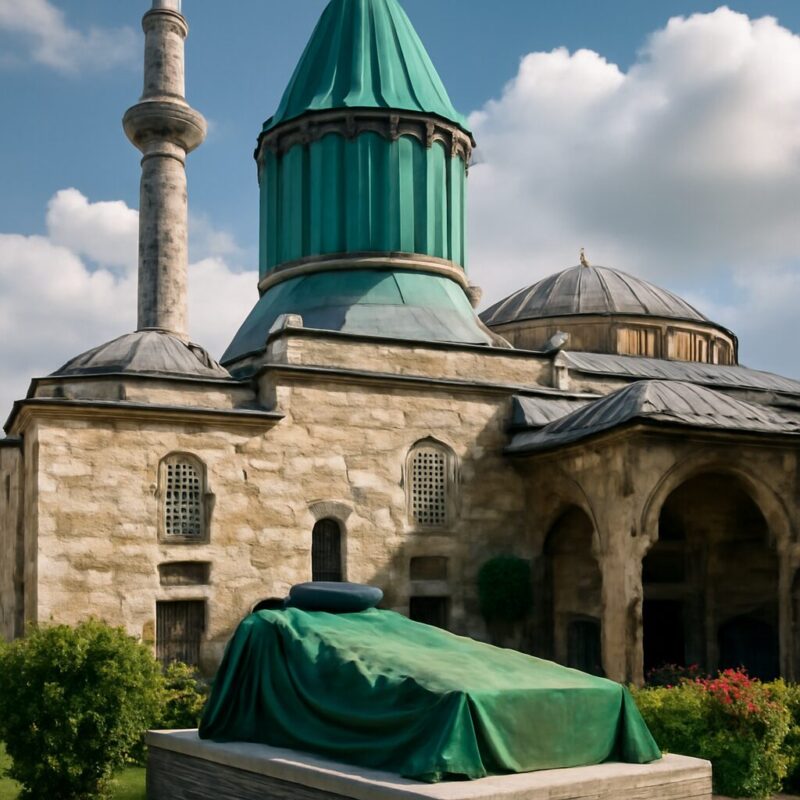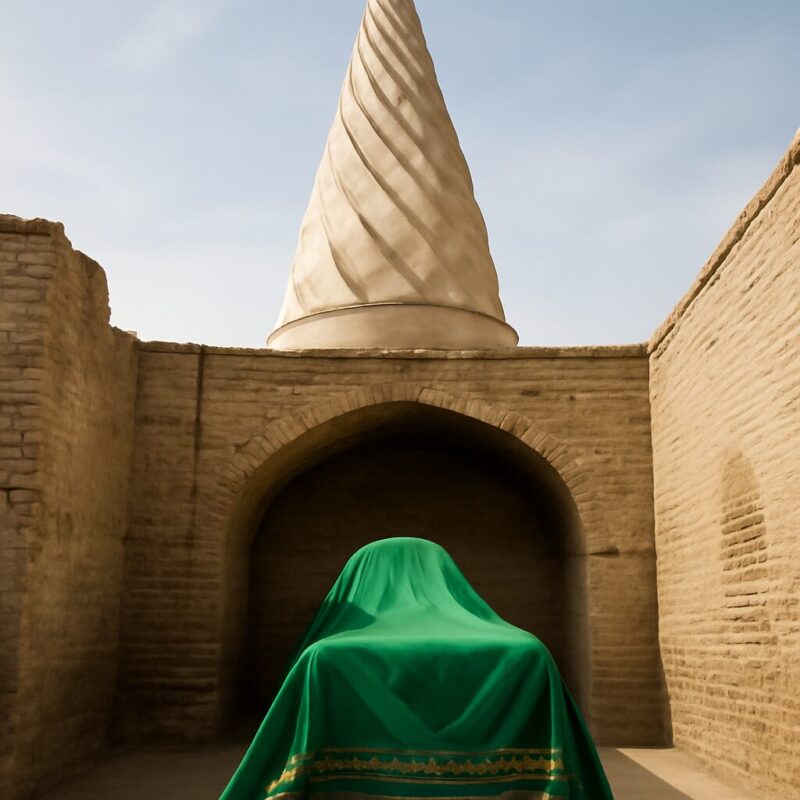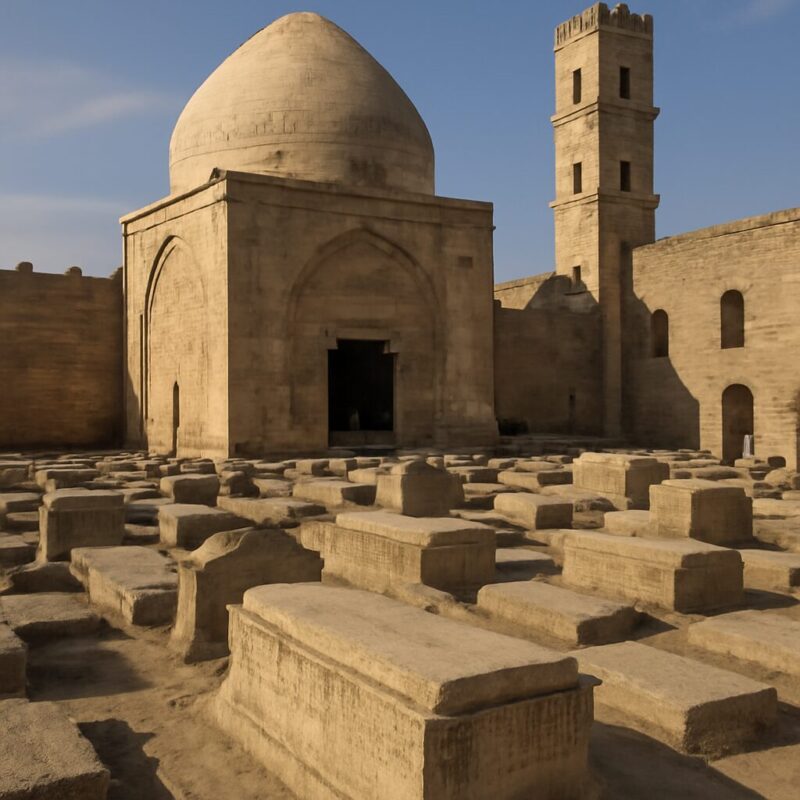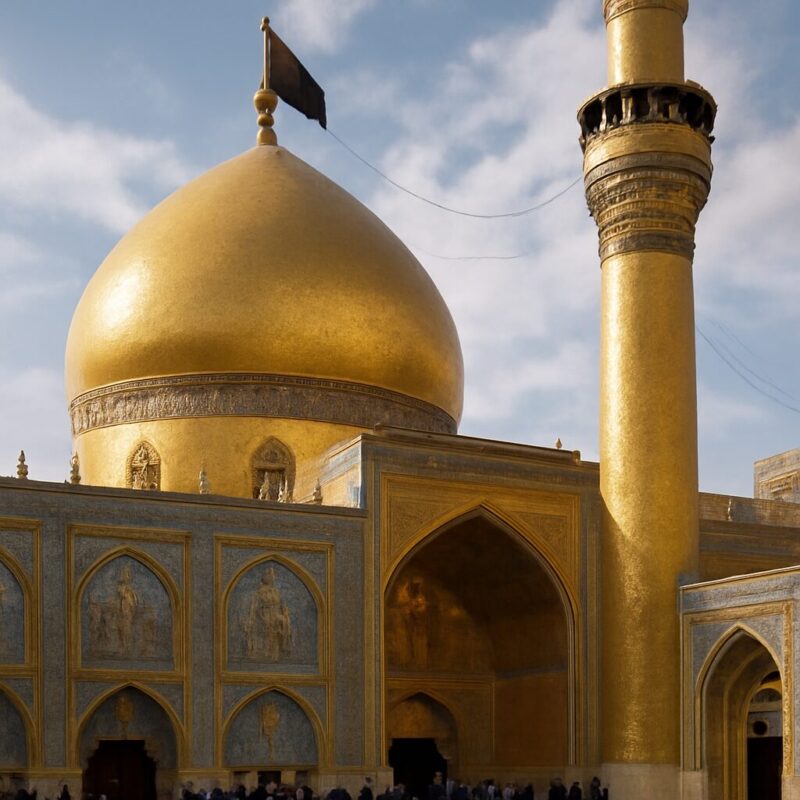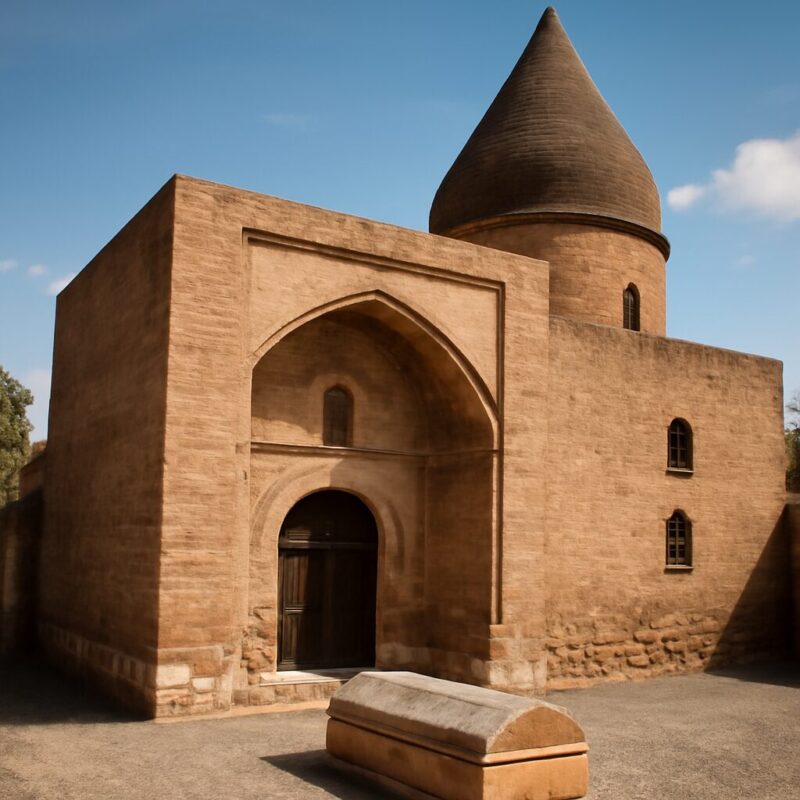
Nestled within the ancient city of Hebron, the Tomb of Abraham is a place where the very air feels heavy with reverence and layered history. Known to Muslims as the Ibrahimi Mosque and to Jews as the Cave of the Patriarchs, this massive Herodian-era structure, built over a labyrinth of caves, is believed to cradle the resting place of the patriarch Abraham—a figure sacred to Judaism, Christianity, and Islam. Its towering stone walls, weathered by two millennia, have witnessed countless prayers, conflicts, and whispers of devotion, standing as a powerful, if sometimes somber, testament to shared origins and divergent faiths.
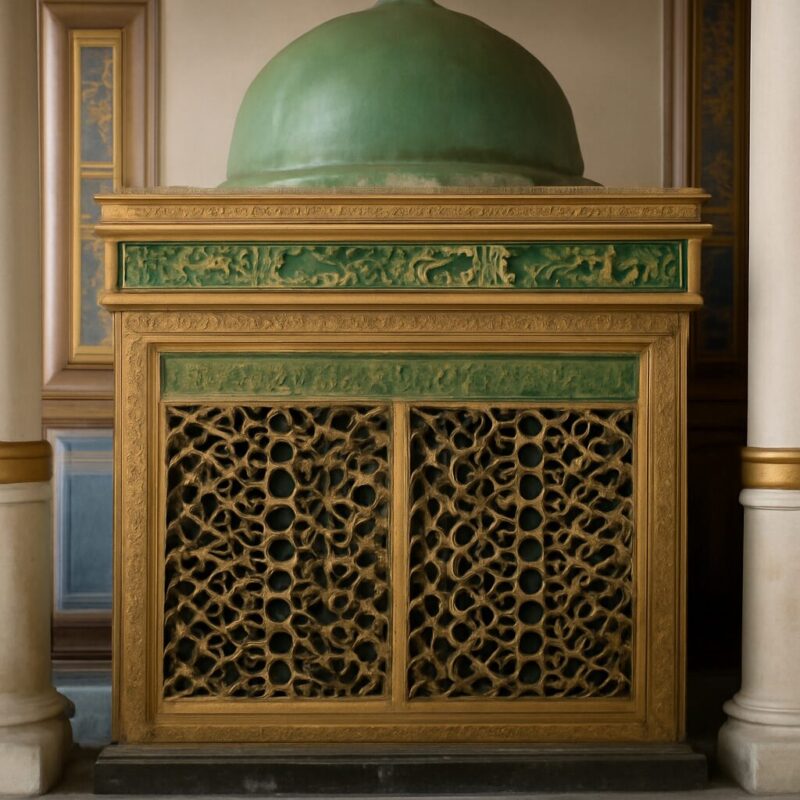
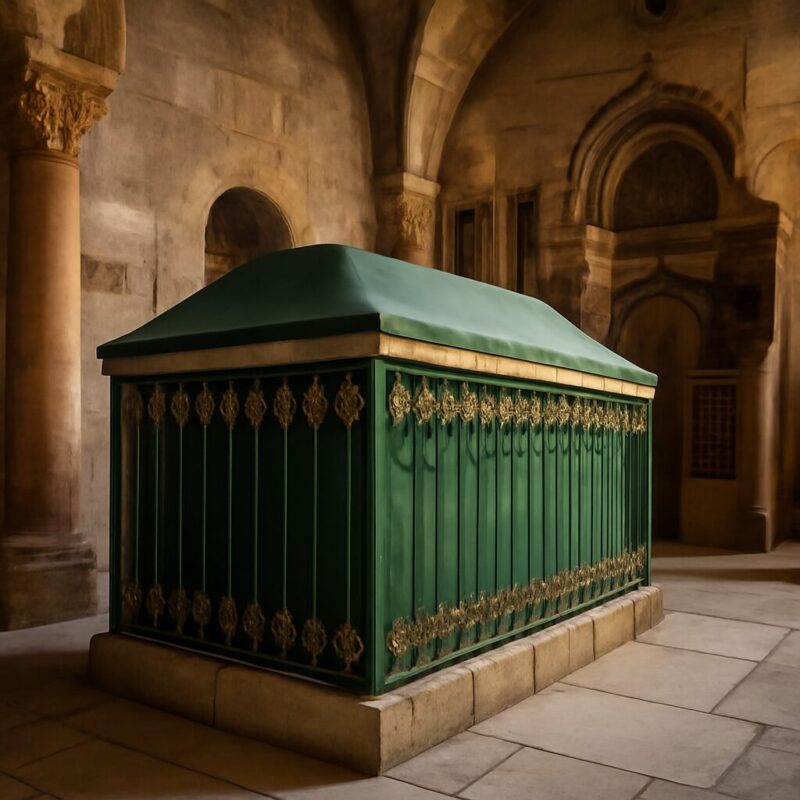
Inside, the atmosphere divides yet converges; separate halls for Muslim and Jewish worship are maintained, each filled with the soft murmur of scripture, the scent of old books and incense. The cenotaphs, ornate monuments marking the traditional tombs of Abraham and Sarah, Isaac and Rebecca, Jacob and Leah, are veiled behind intricate screens and fabrics, hinting at the profound mystery beneath the floor. More than just a monument, it is a living, breathing nexus of faith, where the longing for connection with the father of nations is palpable in every carved stone and whispered prayer.
Who Built Tomb of Abraham?
The Builders of the Tomb of Abraham
The structure known as the Tomb of the Patriarchs or the Cave of the Patriarchs in Hebron is traditionally believed to house the burial place of Abraham and other biblical figures. Its construction is attributed to King Herod the Great in the 1st century BCE. Herod, the Roman client king of Judea, was renowned for his massive building projects, and he constructed a large, rectangular enclosure wall of massive stone blocks over the traditional burial cave. This Herodian structure forms the core of the building visible today.
Purpose and Cultural Significance
The tomb was built to monumentalize and protect a site of profound religious significance. In Jewish tradition, it is the burial place of Abraham and Sarah, Isaac and Rebekah, and Jacob and Leah. In Islam, Abraham (Ibrahim) is revered as a prophet and patriarch, making the site, known as the Ibrahimi Mosque, equally sacred. Herod's construction served to assert Jewish identity and royal authority over this pivotal site. The later addition of a Byzantine church, Crusader cathedral, and Islamic elements reflects the site's continuous veneration and the layers of history in the region.
Other Structures Built by Herod the Great
King Herod was one of the ancient world's most prolific builders. His projects were characterized by grand scale, engineering innovation, and the use of Roman architectural styles. While none of the other tombs listed were built by him, his architectural legacy includes fortresses, palaces, and entire port cities. The most directly comparable structure in style and period from your list is the Tomb of Hadrian (Castel Sant'Angelo), though built over a century later; both are massive, fortified imperial mausoleums that later served other purposes.
Architecturally Related Tombs
The Herodian enclosure wall at Hebron, while unique in its specific history, shares the characteristic of being a monumental, above-ground structure built over a sacred or royal burial site. In this sense, it can be compared to other large-scale tomb complexes built by powerful rulers, such as the Mausoleum of Augustus in Rome or the later Tomb of Hadrian. The site's evolution into a major religious sanctuary also parallels sites like the Tomb of the Prophet Muhammad in Medina.