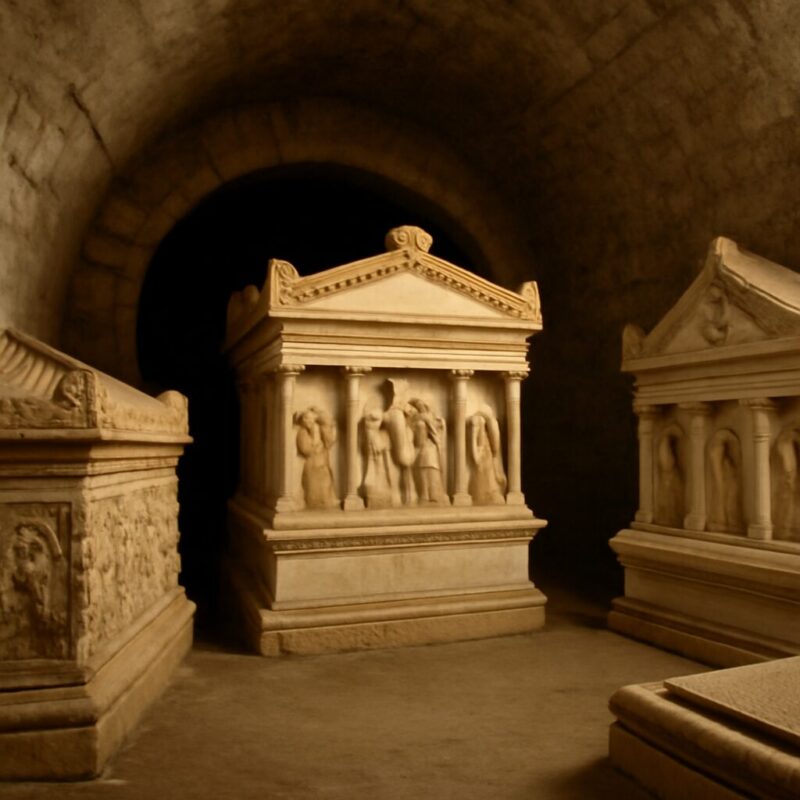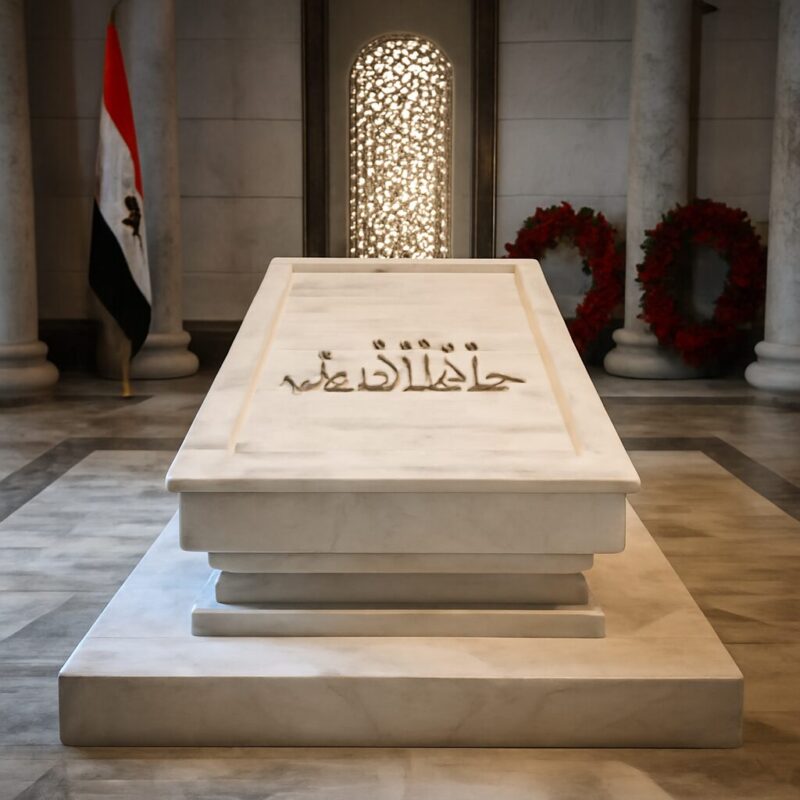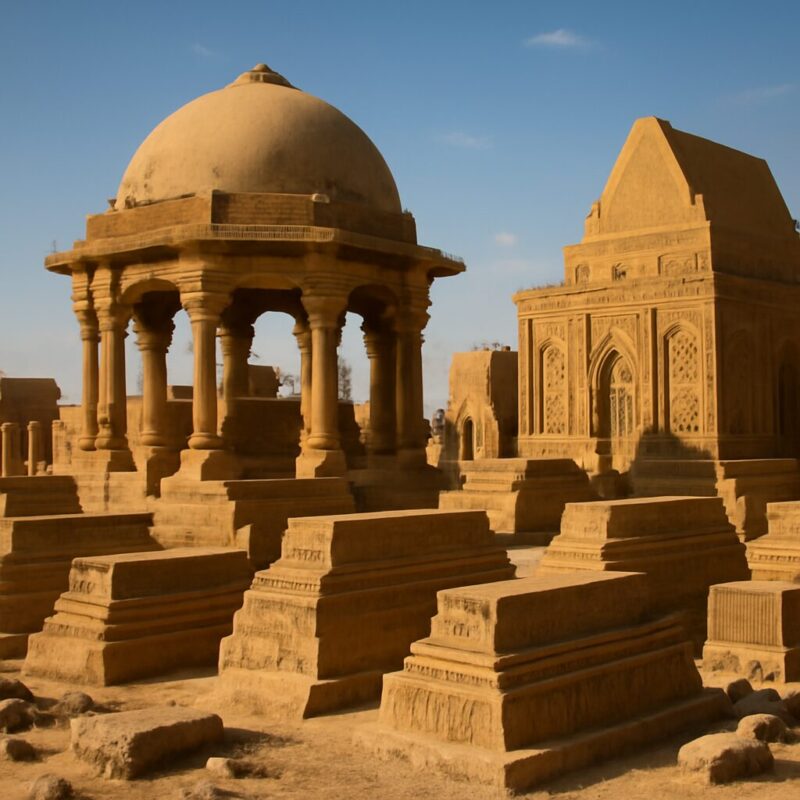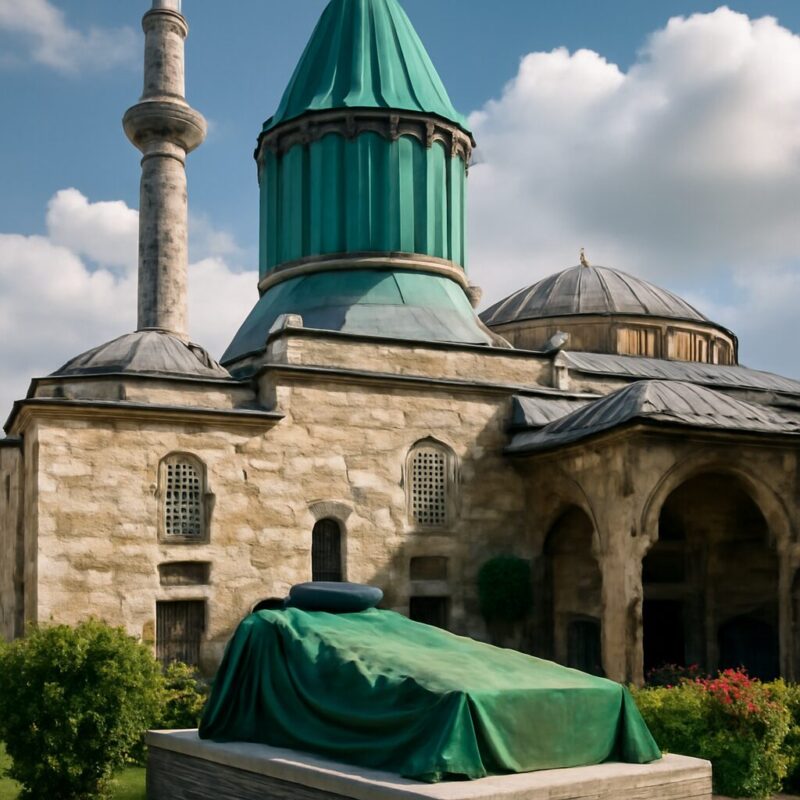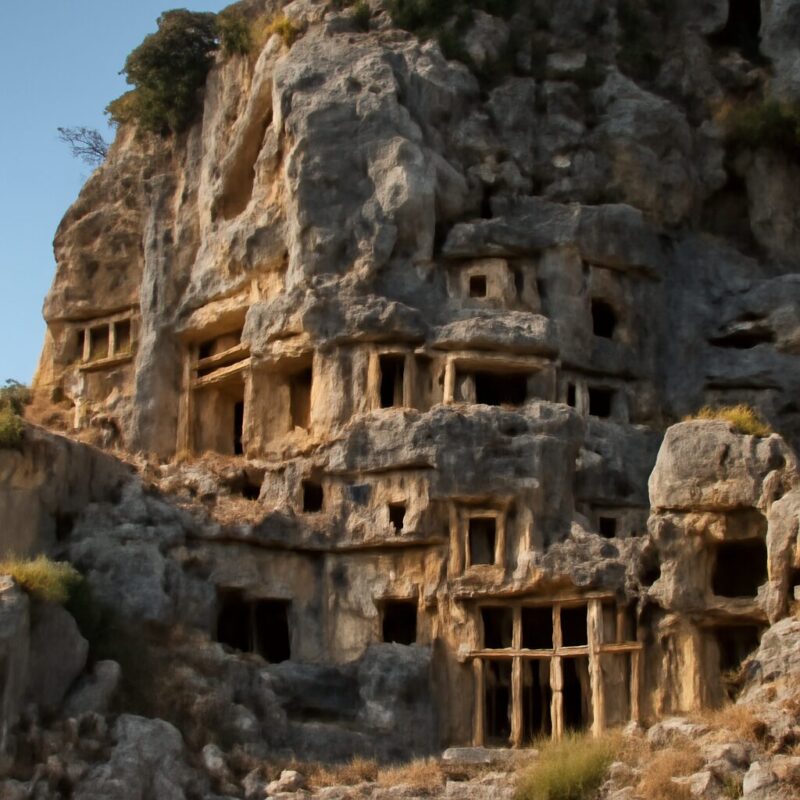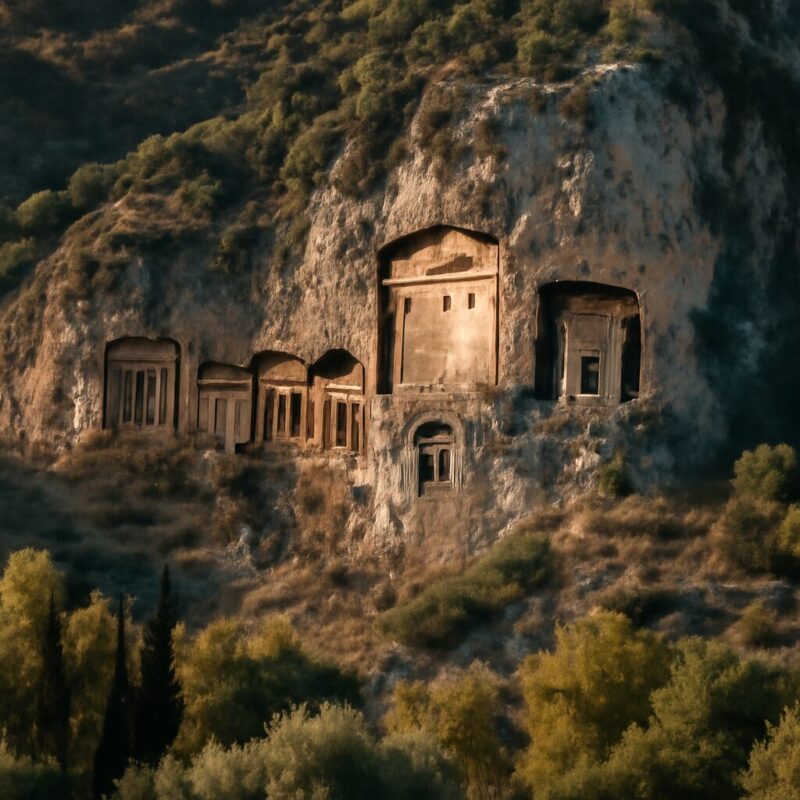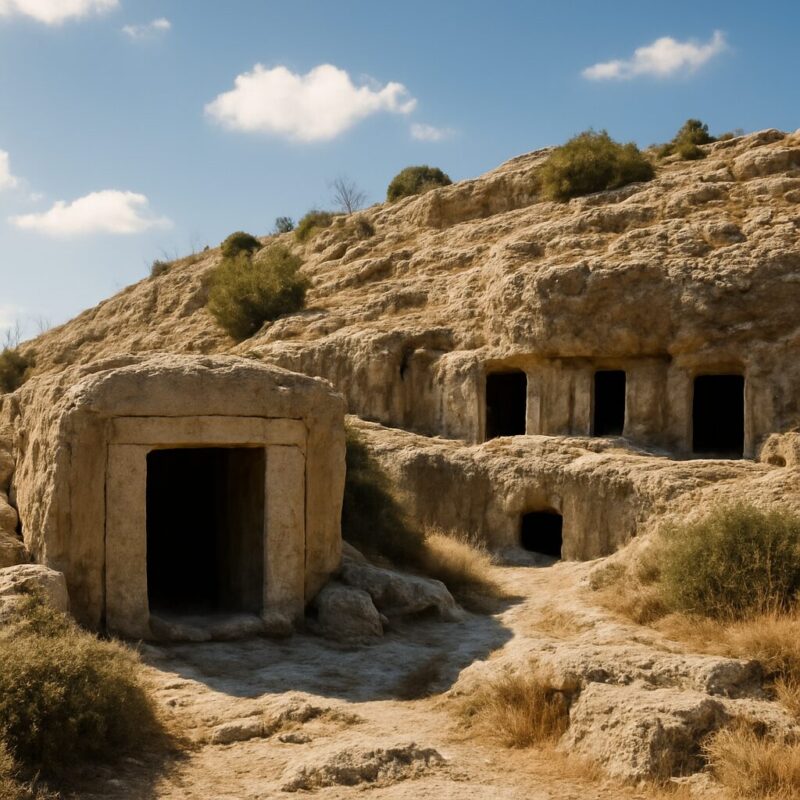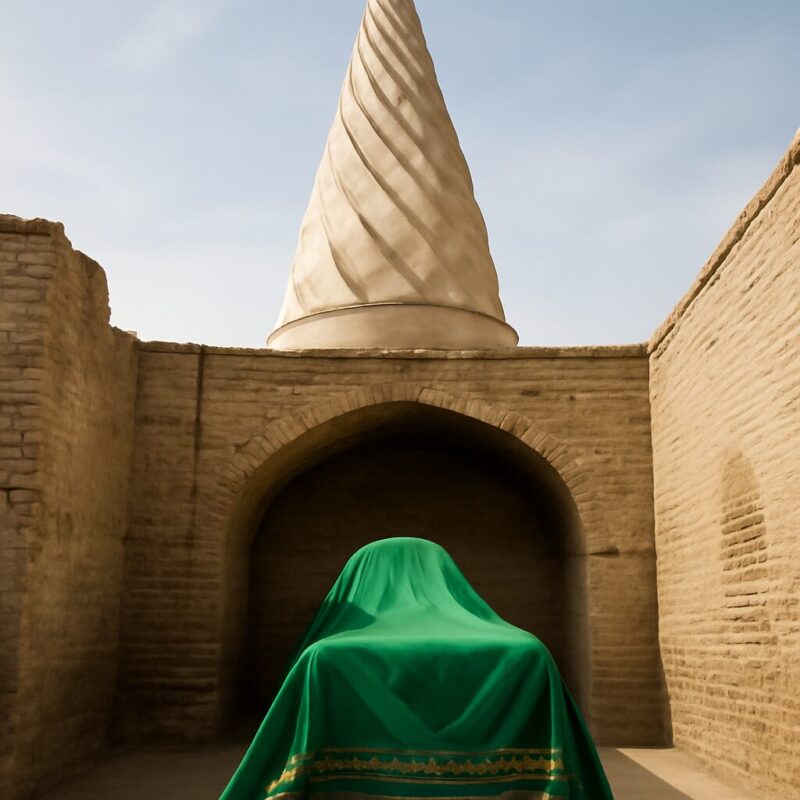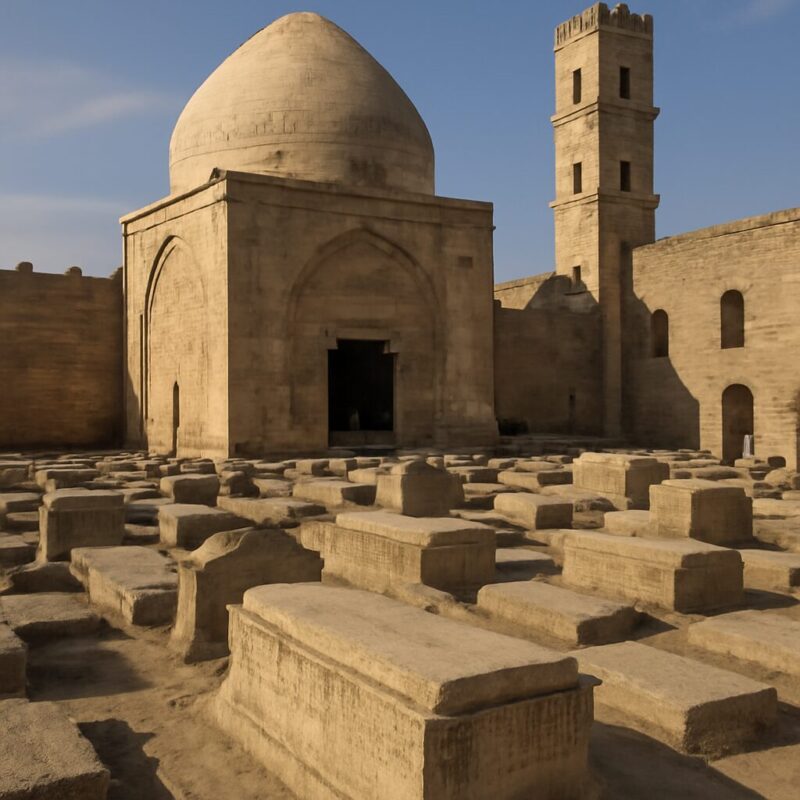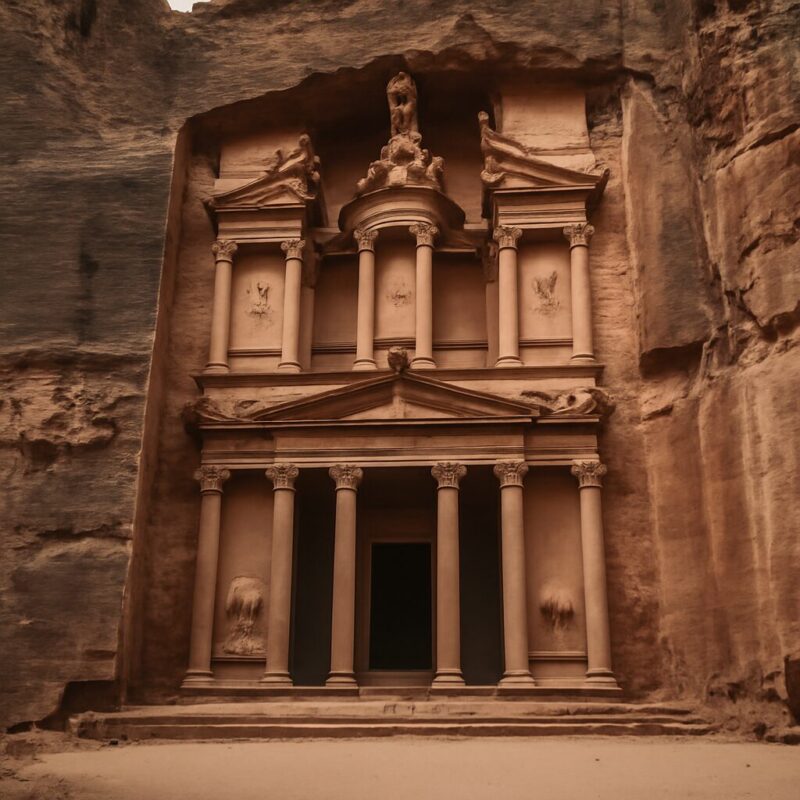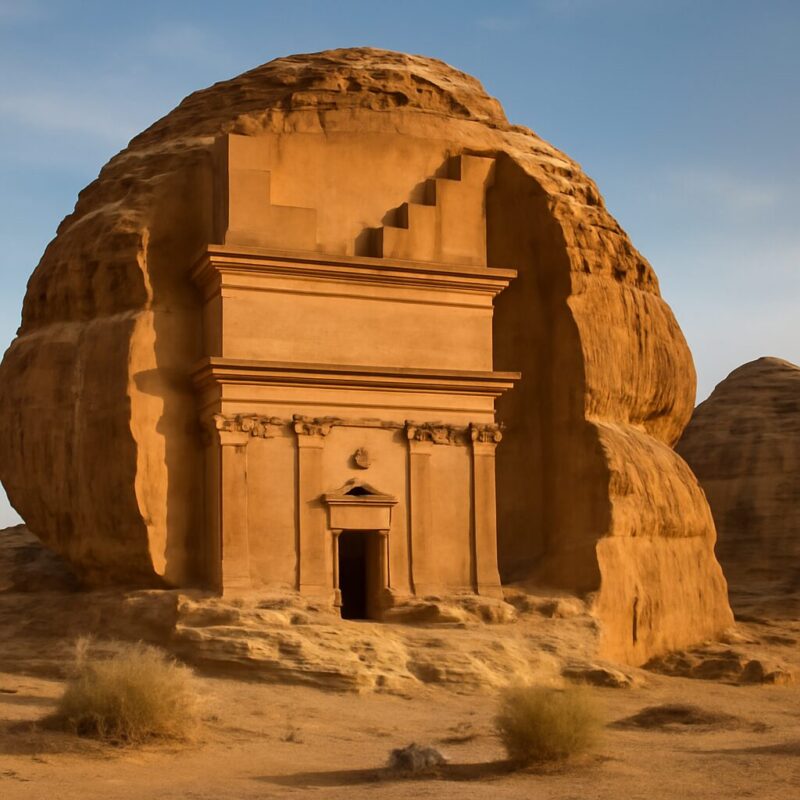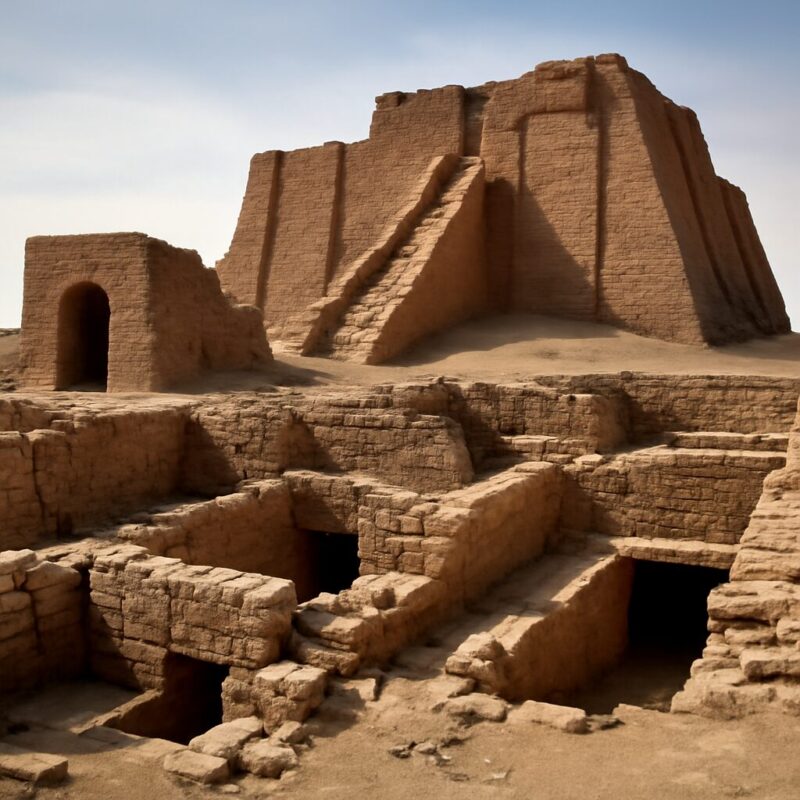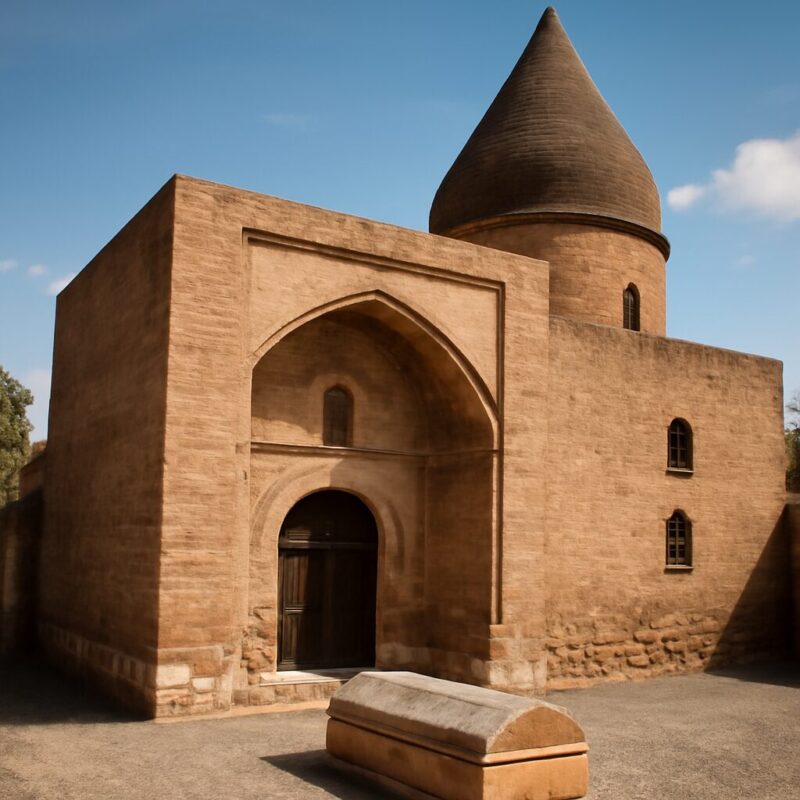
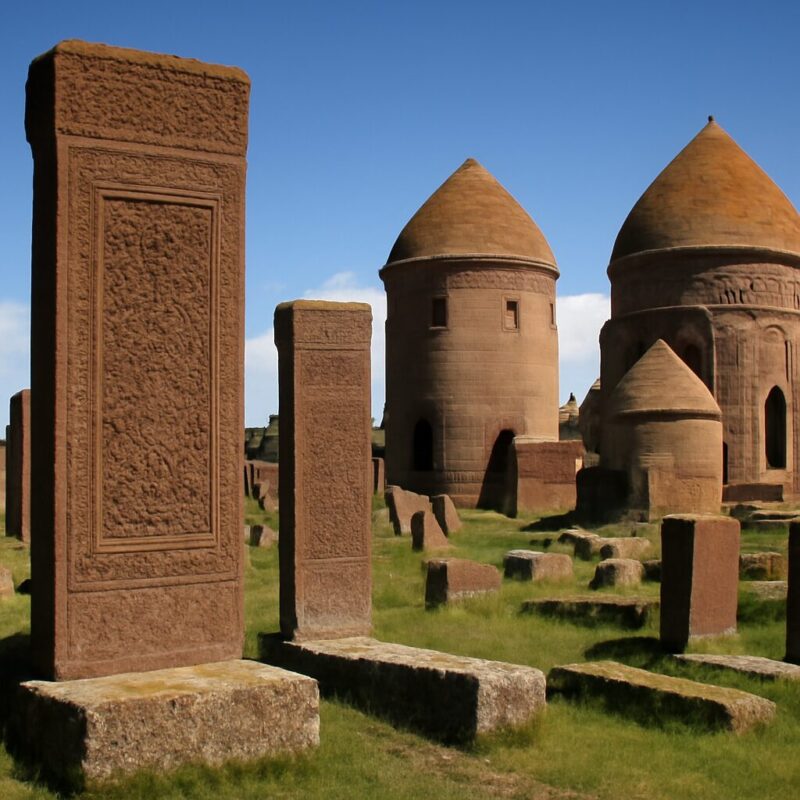
Scattered across the windswept plains near Lake Van, the Seljuk tombs of Ahlat are silent sentinels of stone. These majestic, turret-like mausoleums, some intricately carved with geometric patterns and Kufic script, rise from the earth like petrified giants. They mark the final resting place of the warriors, scholars, and princes of a vanished empire, their shadows stretching long across the highland grass. The air here feels thick with history; you can almost hear the whisper of caravan bells and the clash of empires that once echoed around this ancient crossroads between Anatolia and Persia.
Known locally as the 'City of the Dead,' the vast cemetery holds thousands of upright tombstones, each a unique work of art. The craftsmanship tells a story of its own—from stark, imposing domes to slender, elegant cylinders, each tomb reflects the status and taste of those interred within. Visiting Ahlat is less about viewing monuments and more about walking through a vast, open-air museum of stone, where the very landscape seems to breathe with the memory of the Seljuk age.
Who Built Seljuk tombs of Ahlat?
Who Built the Seljuk Tombs of Ahlat?
The Seljuk tombs of Ahlat were built by the Seljuk Turks, a major medieval Sunni Muslim empire of Turkic origin. Specifically, they were constructed by local rulers, emirs, and prominent families within the Seljuk Sultanate of Rum and its successor Beyliks (principalities) during the 12th to 14th centuries.
Why Were They Built?
These monumental tombs, known as "kümbets" or "türbes," were built to serve as eternal resting places for Seljuk elites, military commanders, and religious scholars. Their construction was driven by several cultural and religious factors:
- Islamic Funerary Tradition: They reflect the Islamic emphasis on commemorating the dead with dignified structures, often incorporating mosques or madrasas nearby.
- Turkic Architectural Identity: The distinct conical or pyramidal stone roofs represent a fusion of Central Asian Turkic nomadic tent designs with Persian and Anatolian stone masonry.
- Political Statement: Erecting such permanent, ornate monuments in the strategic town of Ahlat (in modern-day Turkey, near Lake Van) solidified Seljuk authority and Islamic presence in the region.
- Spiritual Significance: They often functioned as pilgrimage sites, with their interiors sometimes serving as places of prayer and reflection.
Related Seljuk and Islamic Tomb Architecture
The Seljuks were prolific builders of mausolea. Their architectural style, characterized by geometric patterns, intricate stone carving, and high portals, influenced later Islamic tomb construction. While the provided list does not include other Seljuk tombs specifically, the cultural and technical lineage of monumental tomb building can be seen in later periods.
Highly Relevant Structures from the List
While not built by the Seljuks, the following tombs share conceptual or cultural relevance, such as being rock-cut monuments from another Islamic civilization or grand imperial mausolea:
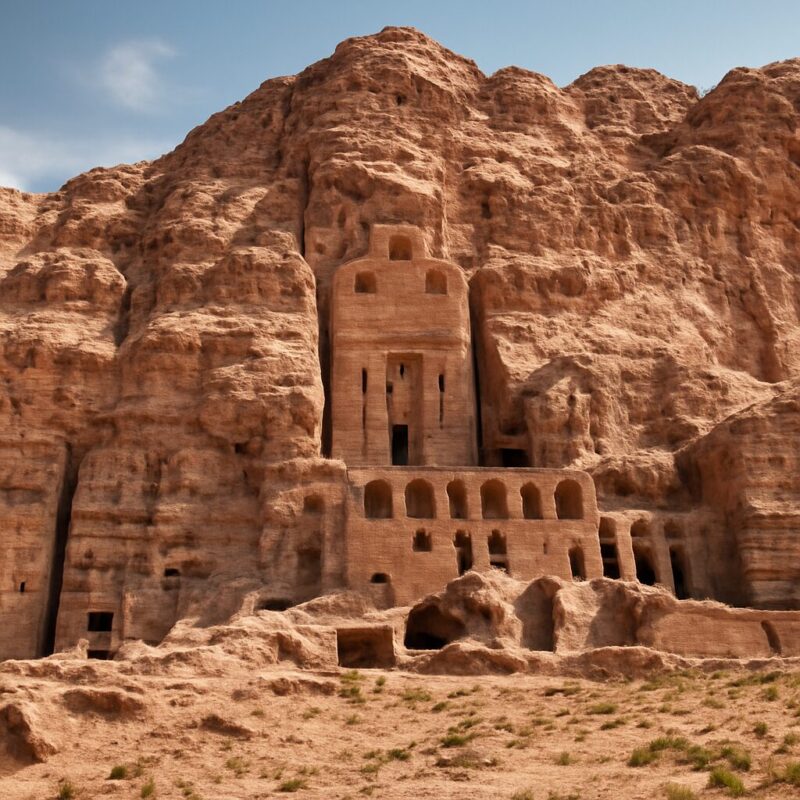
- Naqsh-e Rostam: An ancient Achaemenid necropolis of rock-cut tombs in Iran, later revered by the Sassanians. It represents the long-standing Persian tradition of monumental royal burial that influenced later Islamic architecture in the region.
- Tomb of Timur (Gur-e Amir): The mausoleum of the Turco-Mongol conqueror Timur in Samarkand. It is a masterpiece of Islamic architecture from the Timurid period, which was itself influenced by earlier Seljuk design principles.