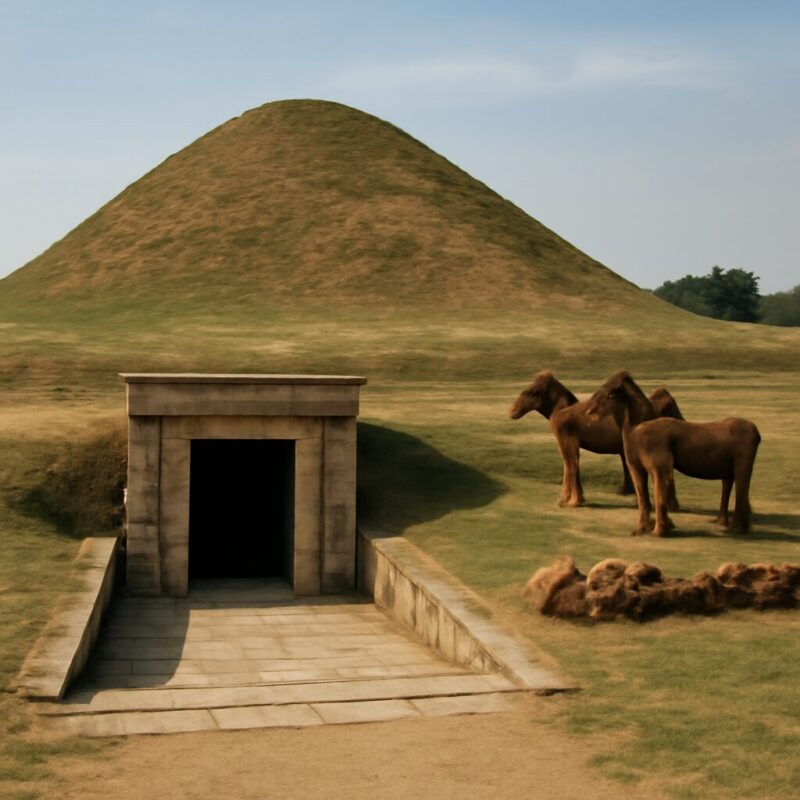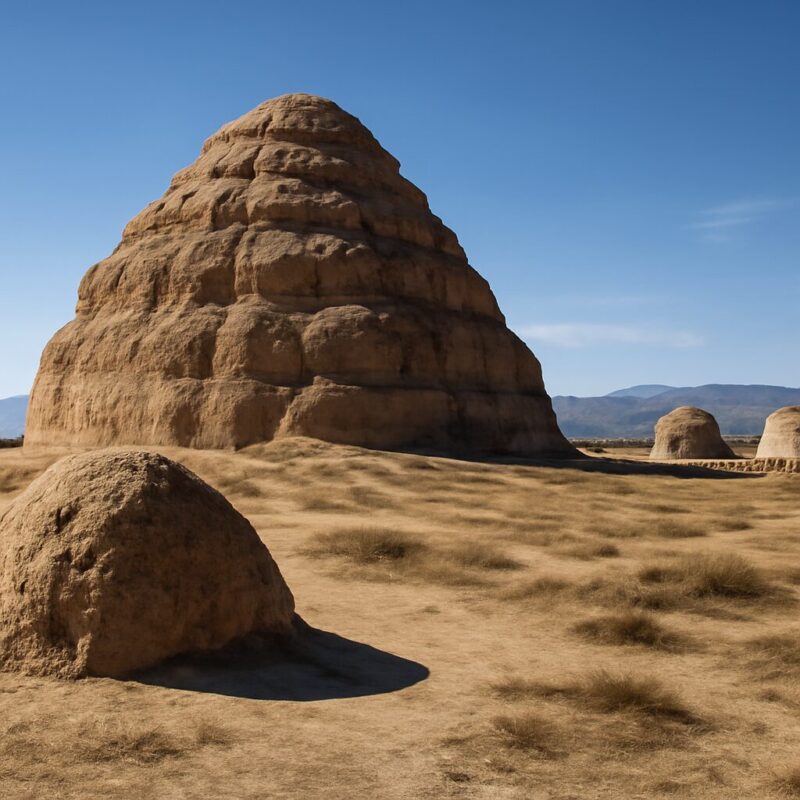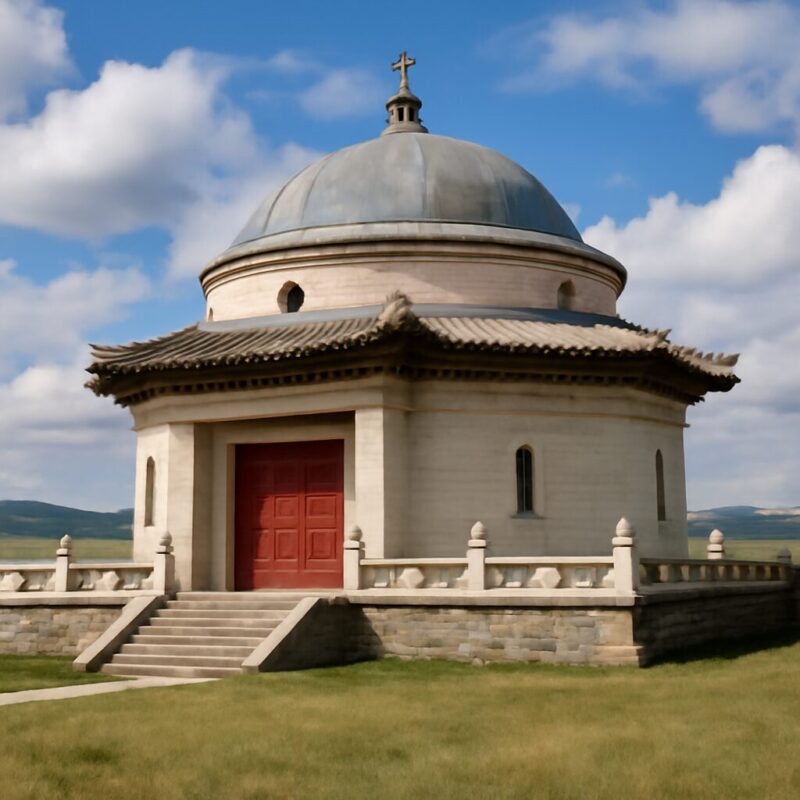
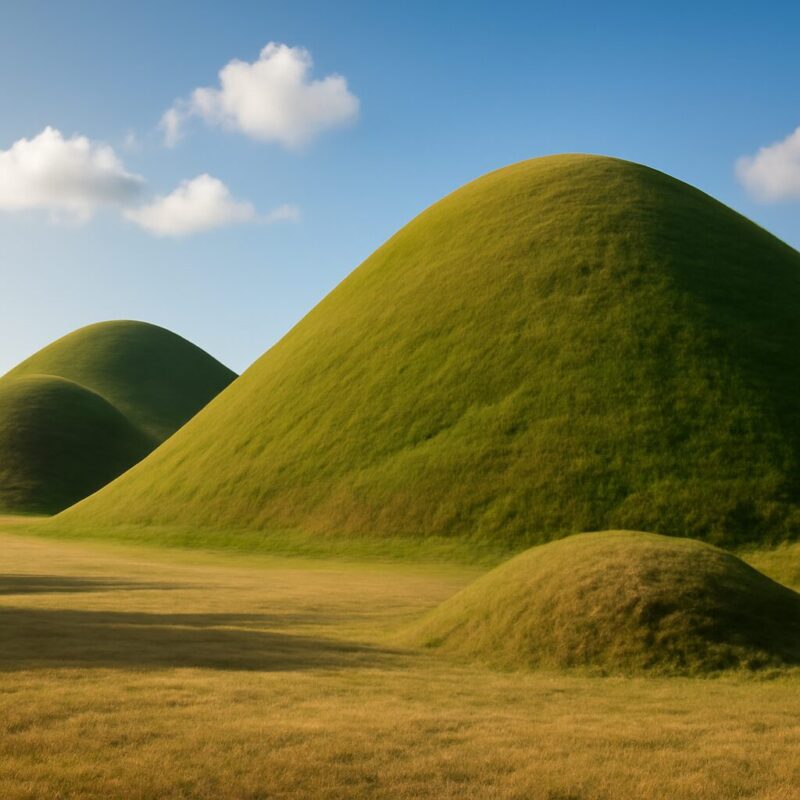
Nestled in the heart of modern Gyeongju, South Korea, the Royal Tombs of Silla are silent, grassy hills that belie the splendor within. These majestic earthen mounds, known as cheonwonchong or "sky garden tombs," are the final resting places of kings and queens from a dynasty that ruled for nearly a millennium. Unlike the stark pyramids of Egypt, these tombs are deceptively simple from the outside, their rounded forms blending with the natural landscape. But beneath the turf and stone, they held astonishing treasures—gold crowns of intricate, branching design, delicate glassware from across the Silk Road, and jade ornaments that whisper of a sophisticated and powerful kingdom. They are not monuments of death, but rather eternal palaces, preserving the artistry and ambition of the Golden Age of Silla for over a thousand years.
Who Built Royal Tombs of Silla?
Who Built the Royal Tombs of Silla?
The Royal Tombs of Silla were built by the Silla Kingdom (57 BCE – 935 CE), one of the Three Kingdoms of Korea. They were constructed for the interment of Silla's kings, queens, and high-ranking nobility. The specific builders were the state's artisans, laborers, and engineers, working under the direction of the royal court.
Why Were They Built?
The tombs served multiple purposes central to Silla culture and belief. Primarily, they were monumental expressions of power and legitimacy for the ruling elite. They were designed as elaborate burial chambers to house the body and a vast array of grave goods for use in the afterlife, reflecting a strong belief in an existence beyond death. The construction of these large mounds also reinforced social hierarchy and demonstrated the kingdom's wealth and organizational capability.
Silla Burial Culture
The most distinctive feature is the tomb mound itself. These are large, grass-covered, dome-shaped earthen mounds, often surrounded by a stone curb. Beneath the mound lies a wooden burial chamber, constructed from heavy timber, which housed the deceased in a wooden coffin alongside lavish grave goods like gold crowns, jewelry, pottery, and weapons. The tombs were not meant to be entered again, creating a sealed time capsule of Silla art and culture.
Related Tombs from Other Cultures
The practice of constructing large, mound-like tombs for royalty is a global phenomenon. In this context, the Silla tombs share a highly relevant conceptual link with other monumental burial mounds from different parts of the world.
Kofun Burial Mounds (Japan)
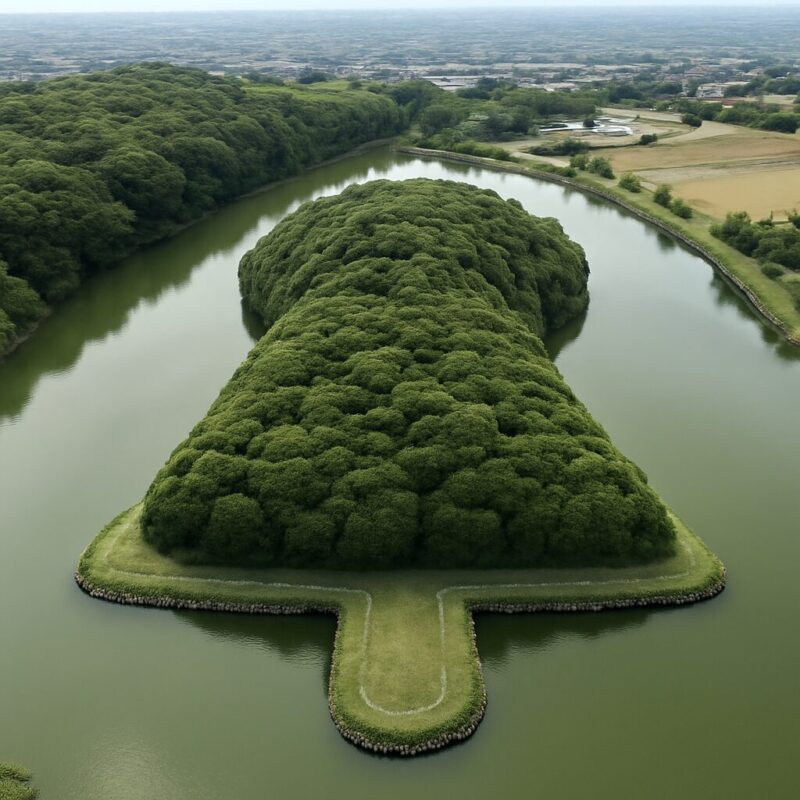
Like the Silla tombs, the Kofun burial mounds of Japan (c. 3rd to 7th centuries) are keyhole-shaped or round earthen mounds built for elite burials. Both cultures were contemporary and engaged in exchange, and their tomb styles reflect similar uses of monumental earthworks to signify status and authority.
Mound Builder Burials (North America)
Various cultures in ancient North America, such as those at Cahokia, built significant earthen mounds for ceremonial and burial purposes. The Mound Builder burials represent a parallel tradition of using shaped landscapes of earth for elite interment, similar in scale and social function to the Silla mounds.
Samoa Royal Burial Mounds
In Polynesia, the Samoa royal burial mounds served a similar purpose. These were sacred mounds used for burying high chiefs and royalty, emphasizing the connection between lineage, sacred geography, and political power, much like the tombs in Silla.