Who Built Mausoleum of Augustus?
Who Built the Mausoleum of Augustus?
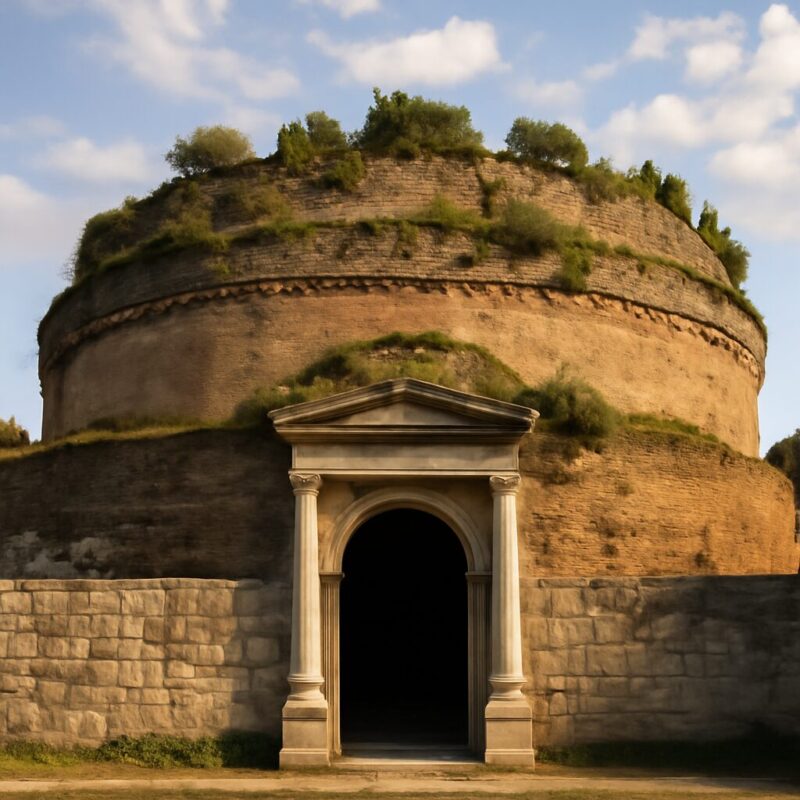
The Mausoleum of Augustus was built by and for the first Roman emperor, Augustus (born Gaius Octavius Thurinus, later Gaius Julius Caesar Octavianus). Construction began around 28 BCE on the Campus Martius in Rome.
Why Was It Built?
Augustus commissioned the massive circular tomb as a dynastic monument for himself and his family. Its primary purpose was to solidify his legacy and the legitimacy of the Julio-Claudian line, projecting power and permanence for the new imperial system he founded. It was also a potent piece of political propaganda, consciously echoing the grand tombs of Hellenistic kings and heroes like Alexander the Great to position Augustus as the culmination of a great tradition.
Cultural Context of Roman Imperial Tombs
The mausoleum reflects a key shift in Roman burial culture during the transition from Republic to Empire. While earlier aristocratic Romans might have family tombs, the scale and public prominence of Augustus's tomb were unprecedented. It established a model for later imperial mausolea, emphasizing the emperor's semi-divine status and the eternal nature of the empire itself. The structure originally featured a colossal bronze statue of Augustus at its pinnacle and was surrounded by a public park, integrating the emperor's memory into the daily life of the city.
Other Related Structures
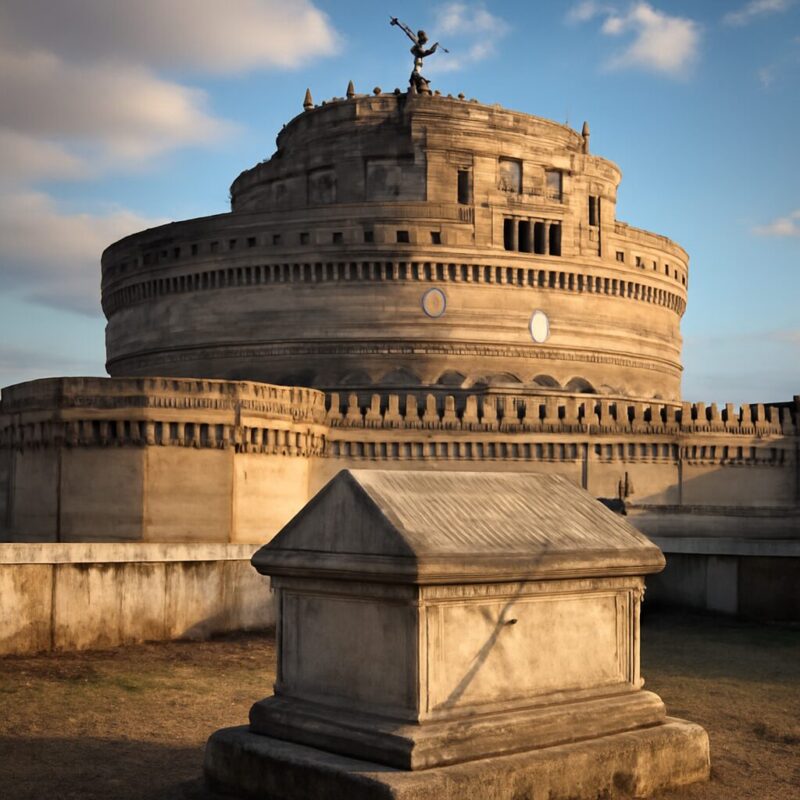
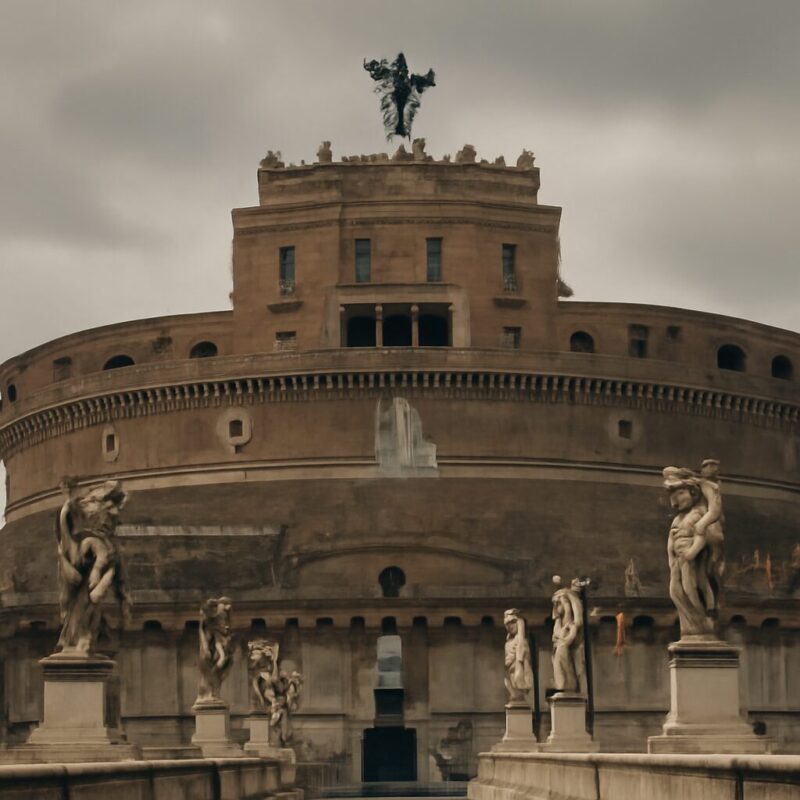
While the Mausoleum of Augustus was the first of its kind in Rome, a later and equally significant imperial tomb is the Tomb of Hadrian, better known today as Castel Sant'Angelo. This structure, built over a century later, continued the tradition of monumental imperial burial and is included in your list as Castel Sant’Angelo.