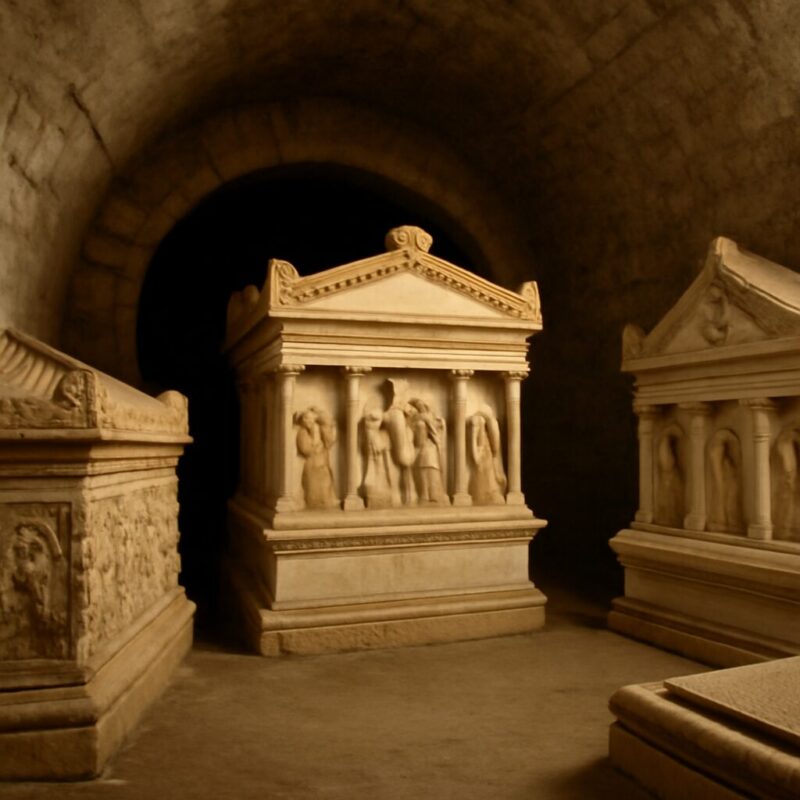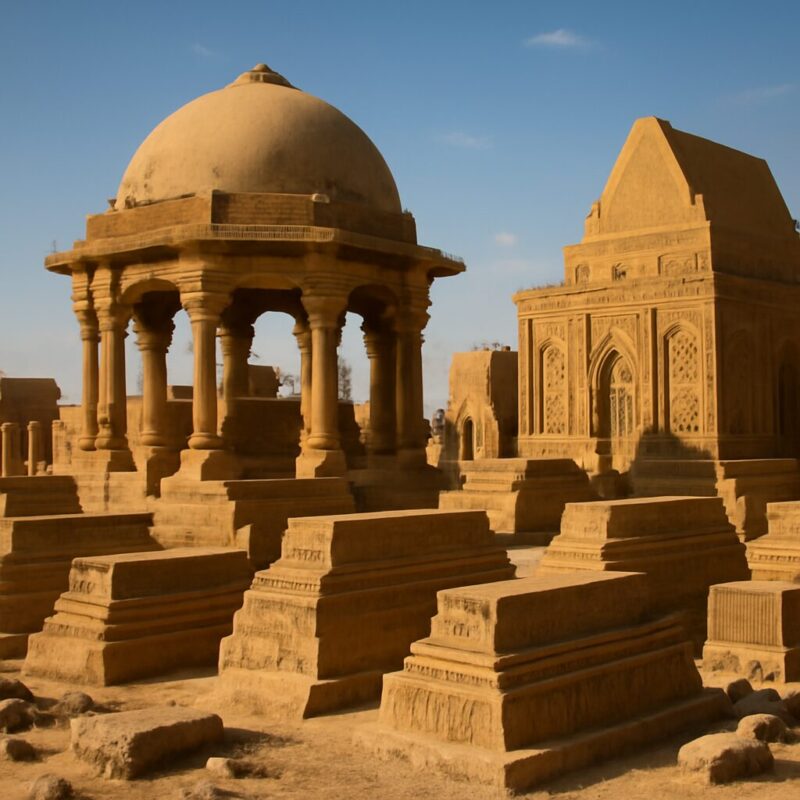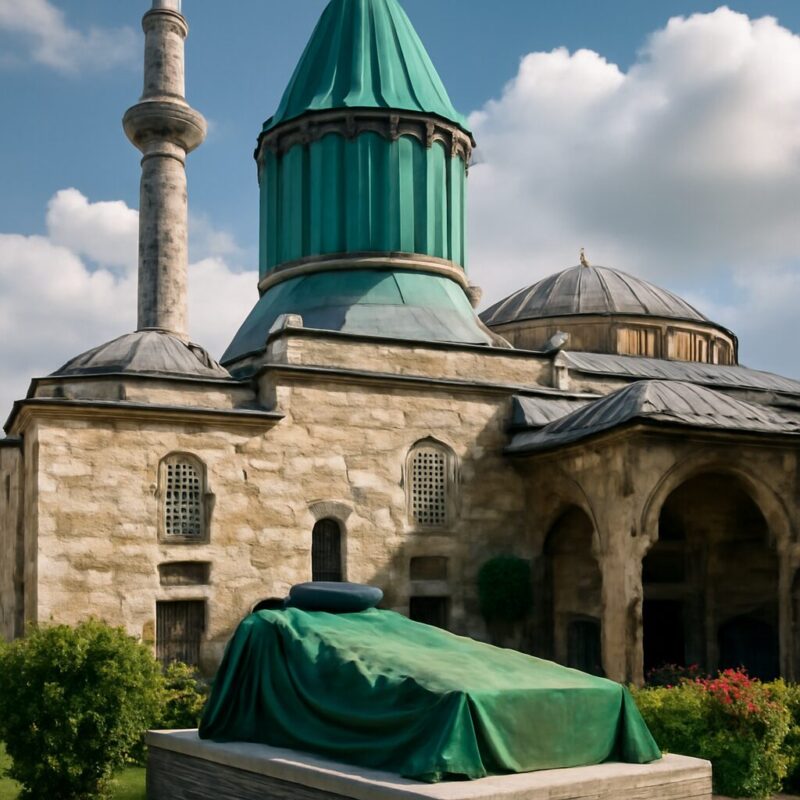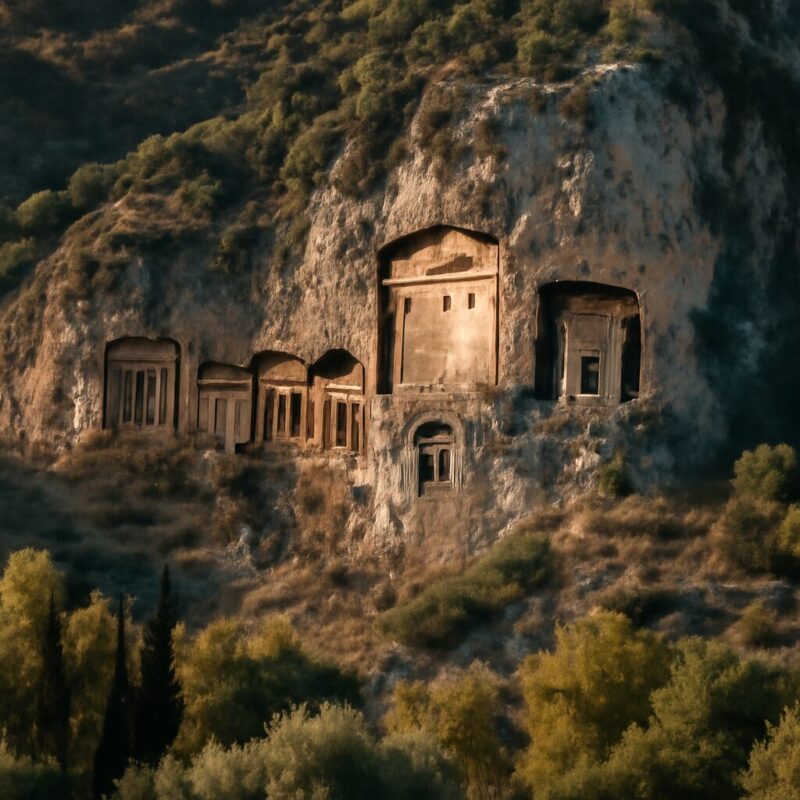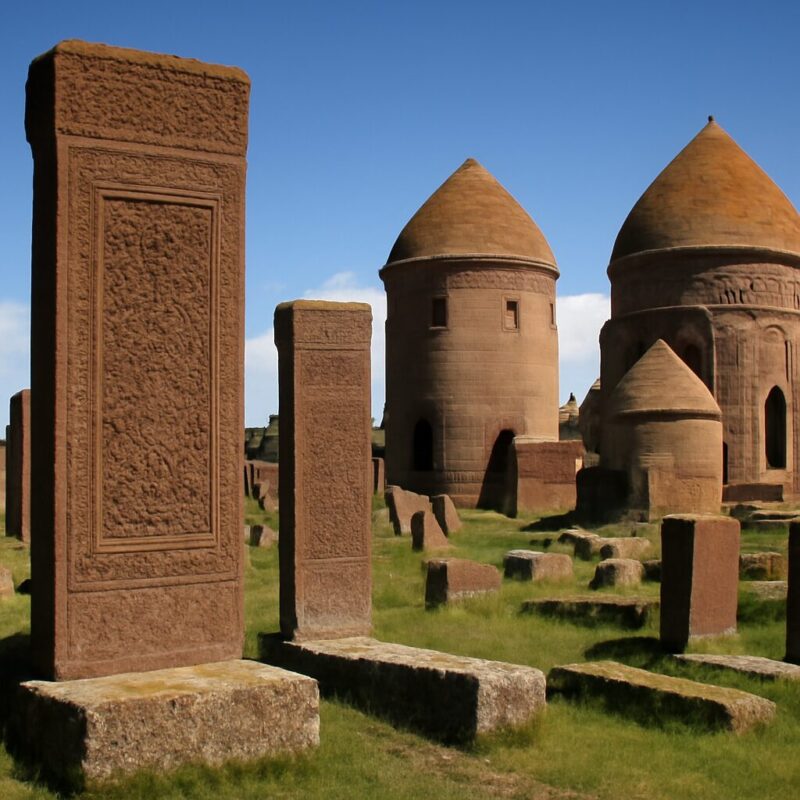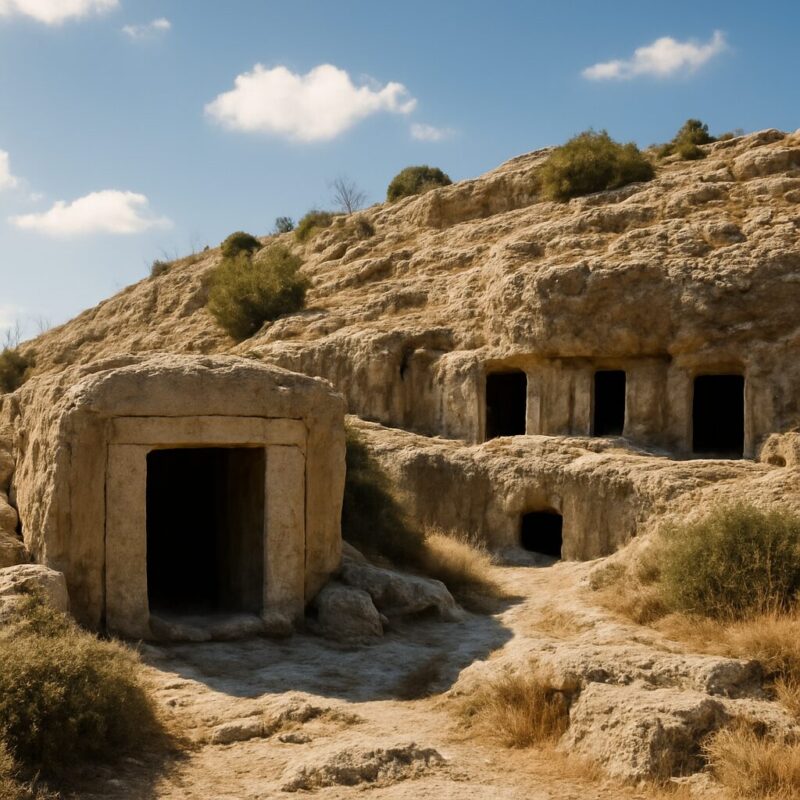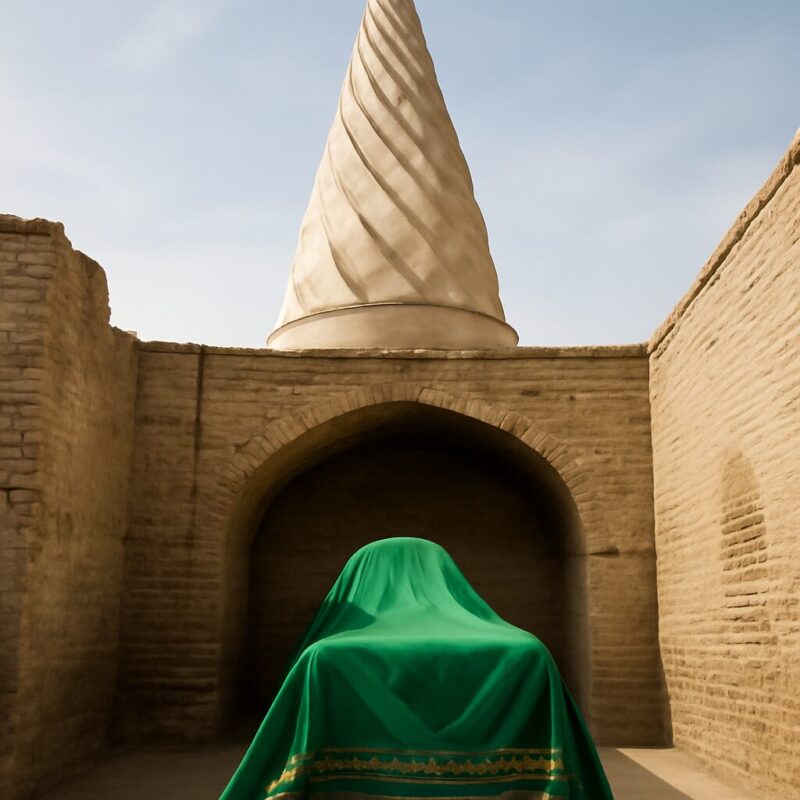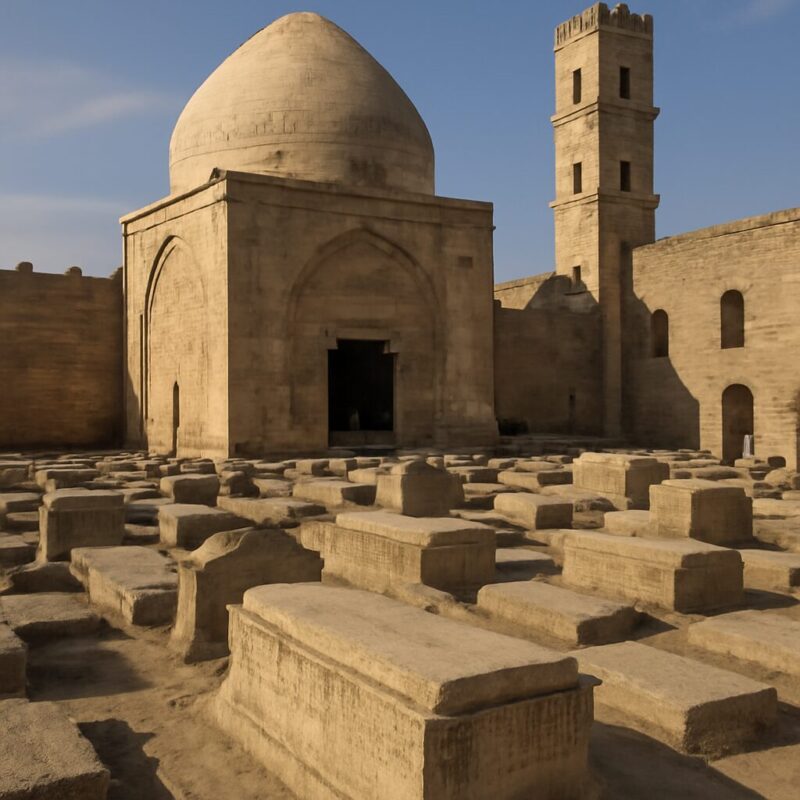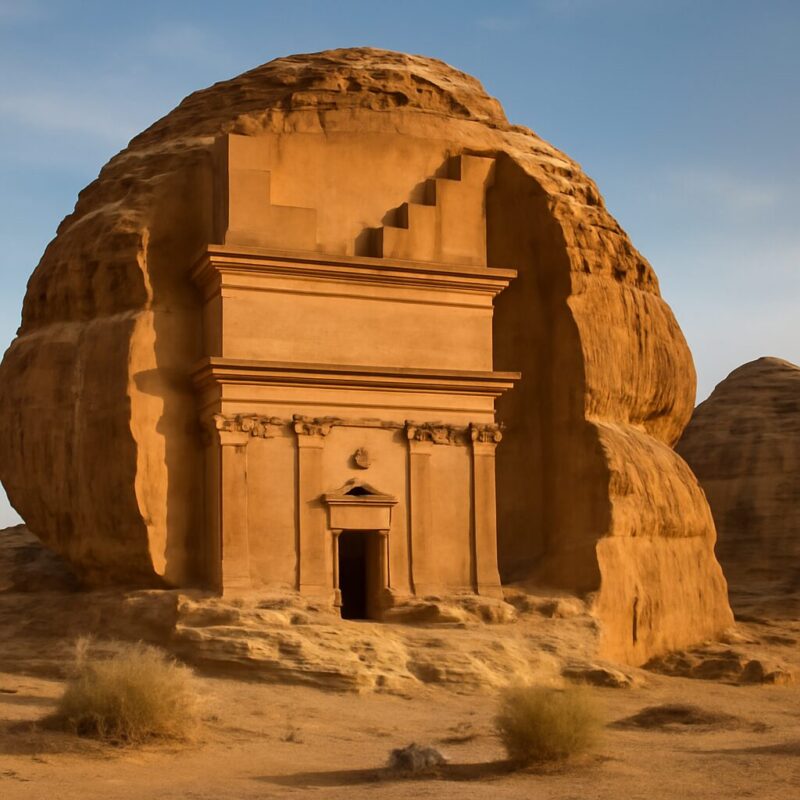
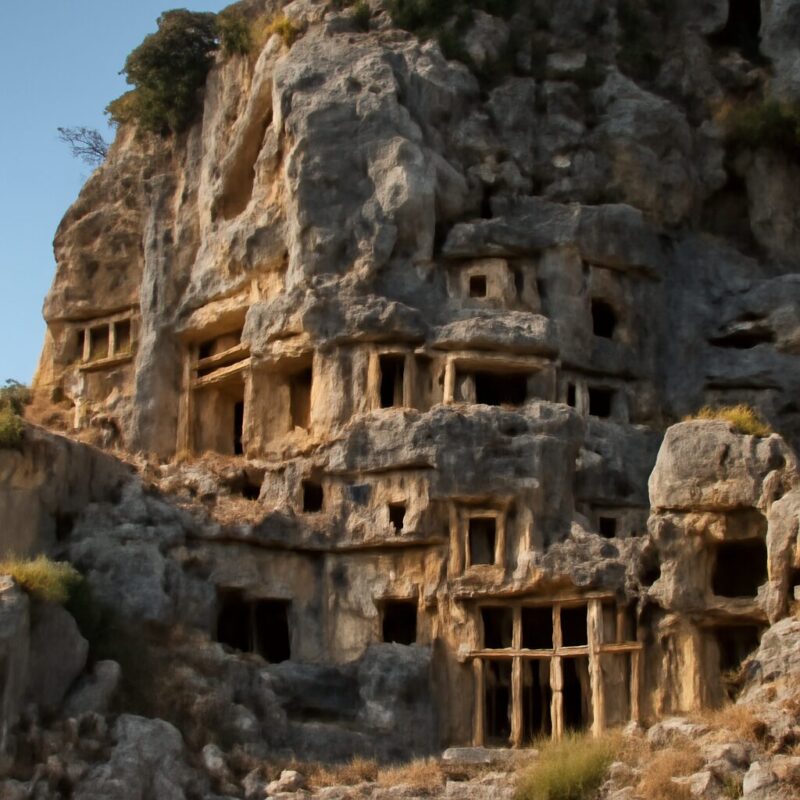
Carved into the sun-bleached cliffs of ancient Lycia, these tombs are not mere graves but defiant declarations of identity. Instead of hiding their dead, the Lycians elevated them, sculpting intricate temple facades and house-like fronts directly into the rock face, creating a city for the departed that mirrored their world above. The most striking, like the famed Tomb of Amyntas, present perfect classical porticos where one might expect living nobles, not eternal silence. It’s as if the cliffs themselves became a canvas for the belief that life continued beyond, in a home overlooking the brilliant turquoise sea—a breathtaking fusion of geology, art, and immortality that makes the landscape itself a monument.
Who Built Lycia rock cut tombs?
The Builders of the Lycian Rock-Cut Tombs
The Lycian rock-cut tombs were built by the Lycians, an ancient Anatolian people who inhabited the mountainous region of southwest Turkey (classical Lycia) from at least the 1st millennium BCE until their gradual assimilation following Alexander the Great's conquests. The Lycians were a unique culture with a distinct language, script, and social organization, forming a federation of city-states.
Purpose and Significance
These elaborate tombs were constructed primarily for elite members of Lycian society, including rulers, nobles, and wealthy families. The Lycians held strong beliefs in an afterlife, and they placed great importance on venerating their ancestors. The tombs were designed as eternal houses for the dead, often reflecting the architectural style of Lycian wooden houses, complete with carved beams, roof details, and porch-like facades. Many were placed high on cliff faces, which served both to protect them from tomb robbers and to make them visually prominent, ensuring the deceased remained a visible part of the community's landscape.
Related Structures from the Provided List
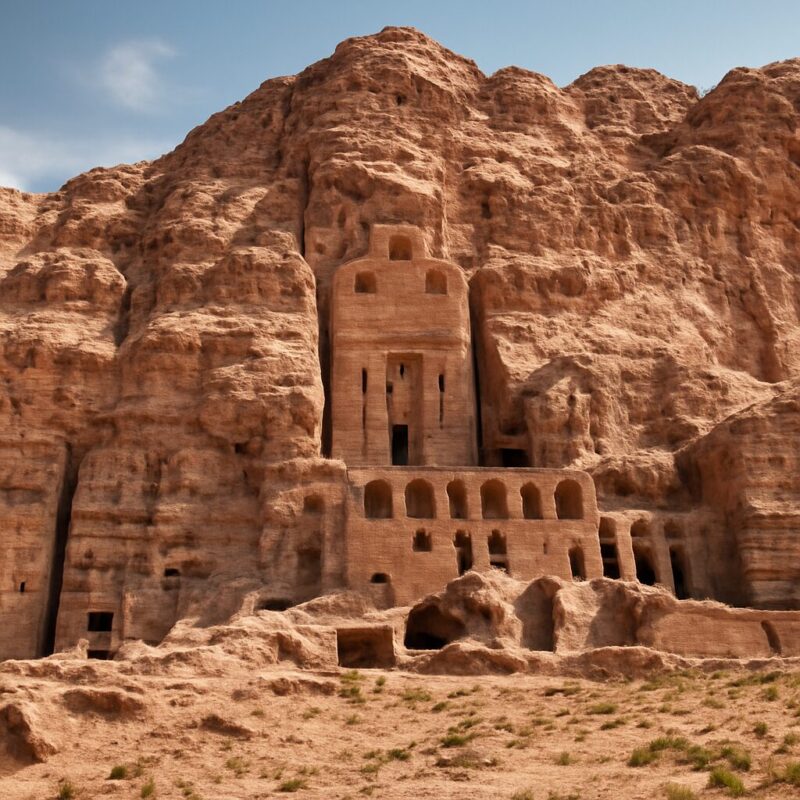
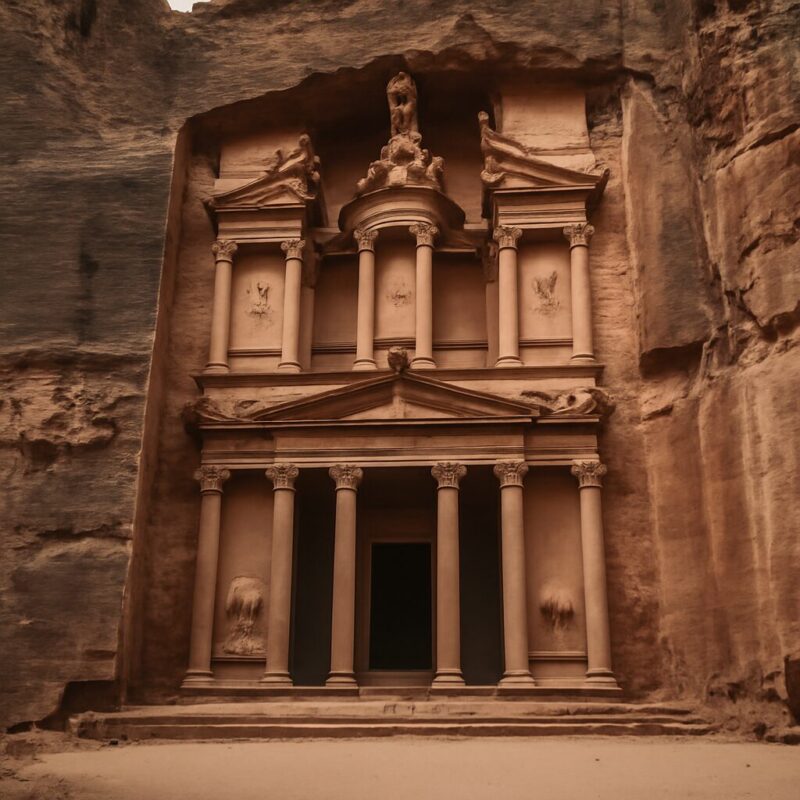
While the Lycian tombs are a distinct Anatolian phenomenon, the practice of creating monumental rock-cut architecture for the dead finds a highly relevant parallel in the Nabataean culture at Petra Royal Tombs. Similarly, the Achaemenid Persians created impressive royal rock-cut tombs at Naqsh-e Rostam. Another notable site from the same broader region that features rock-cut tombs is Kaunos tombs, from the neighboring Carian civilization.