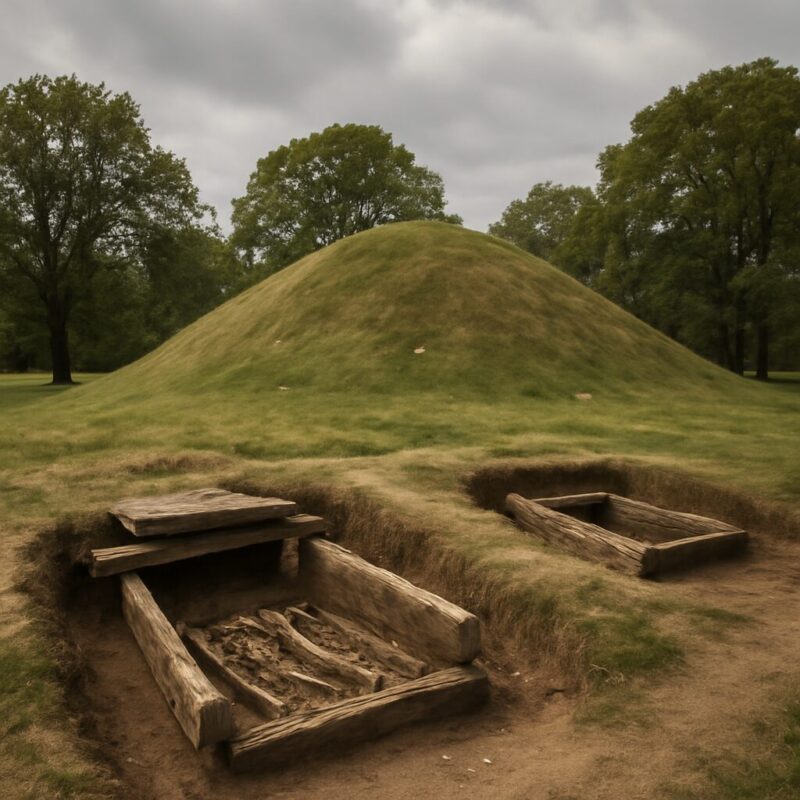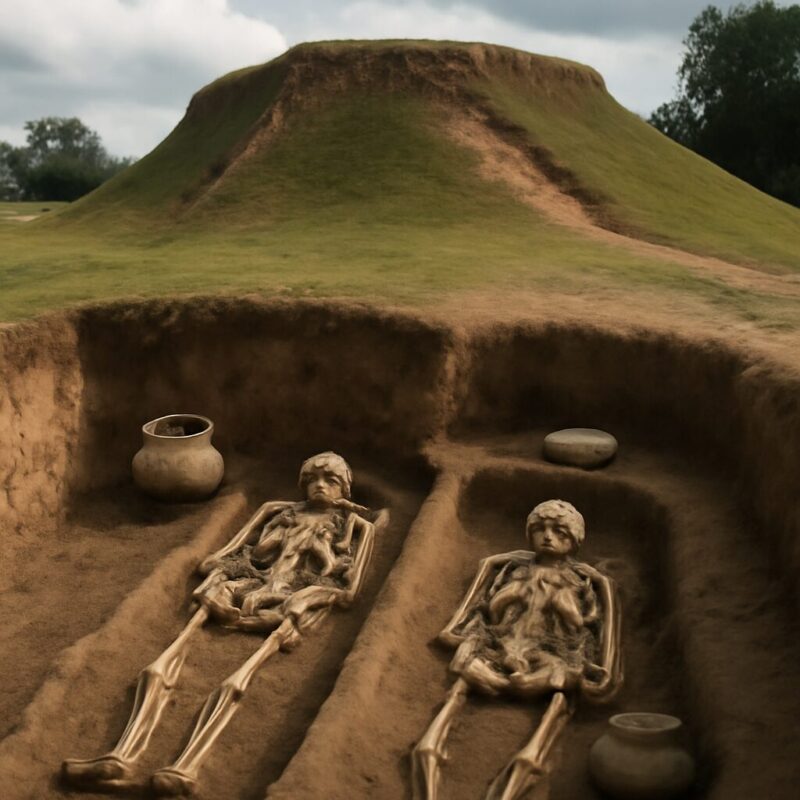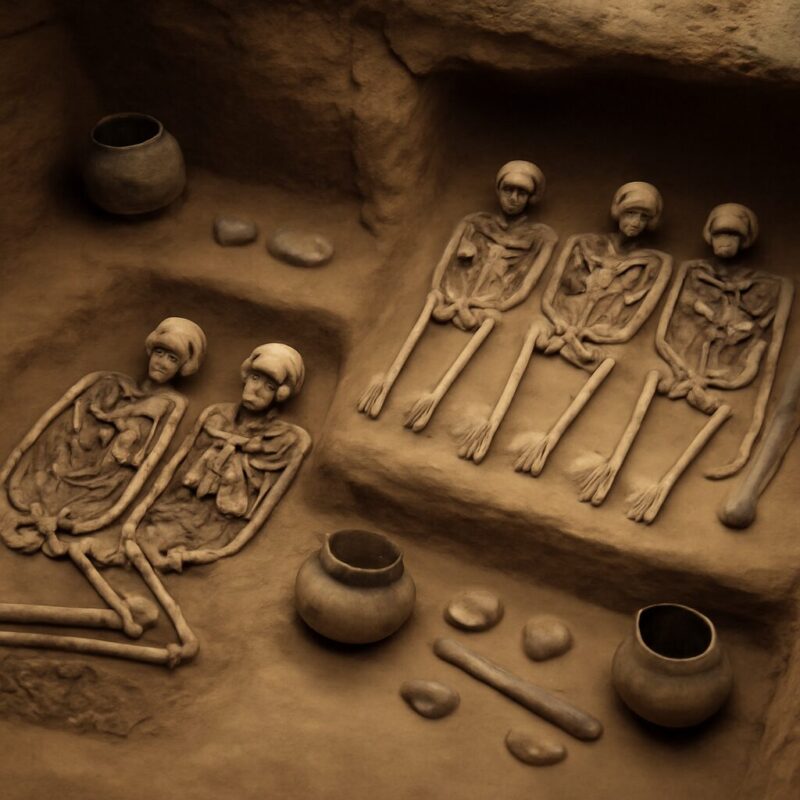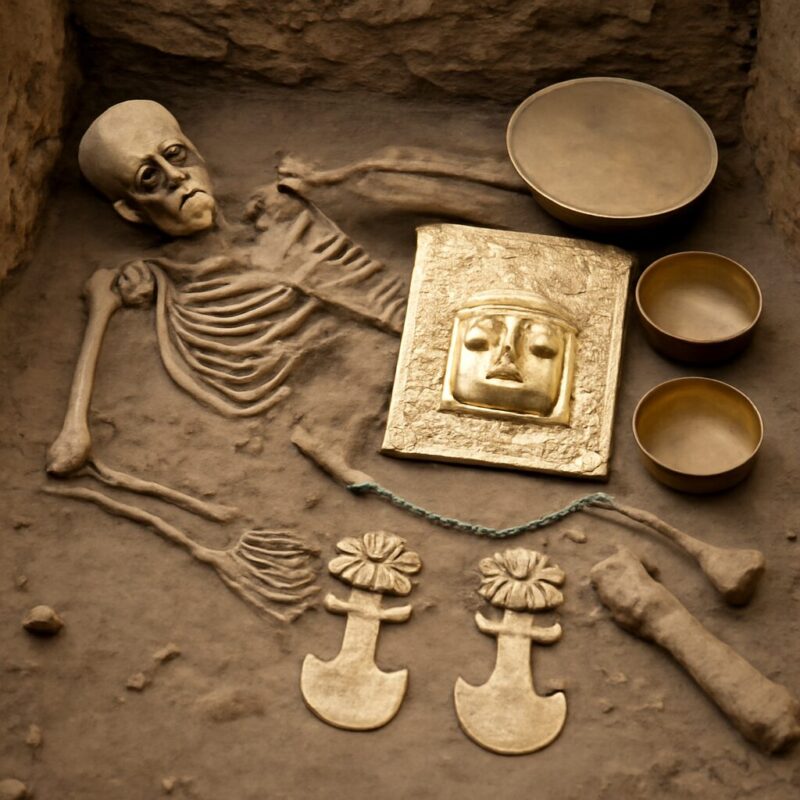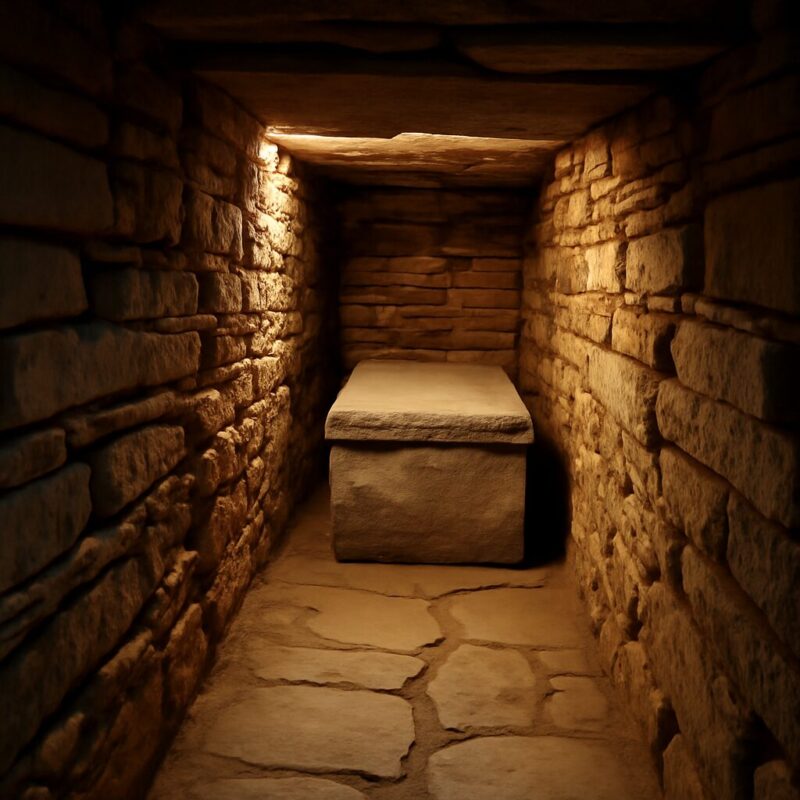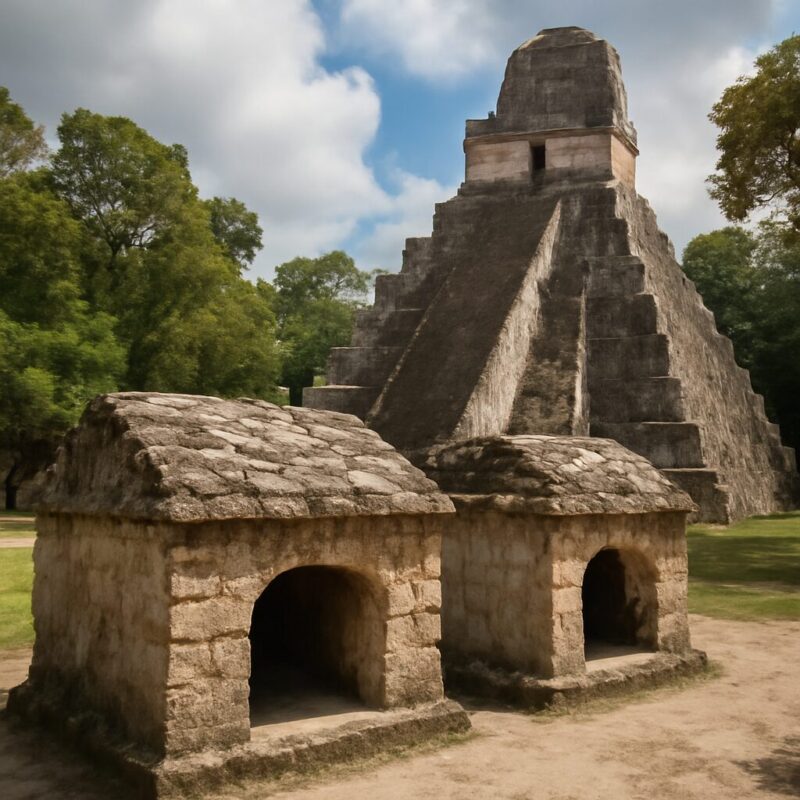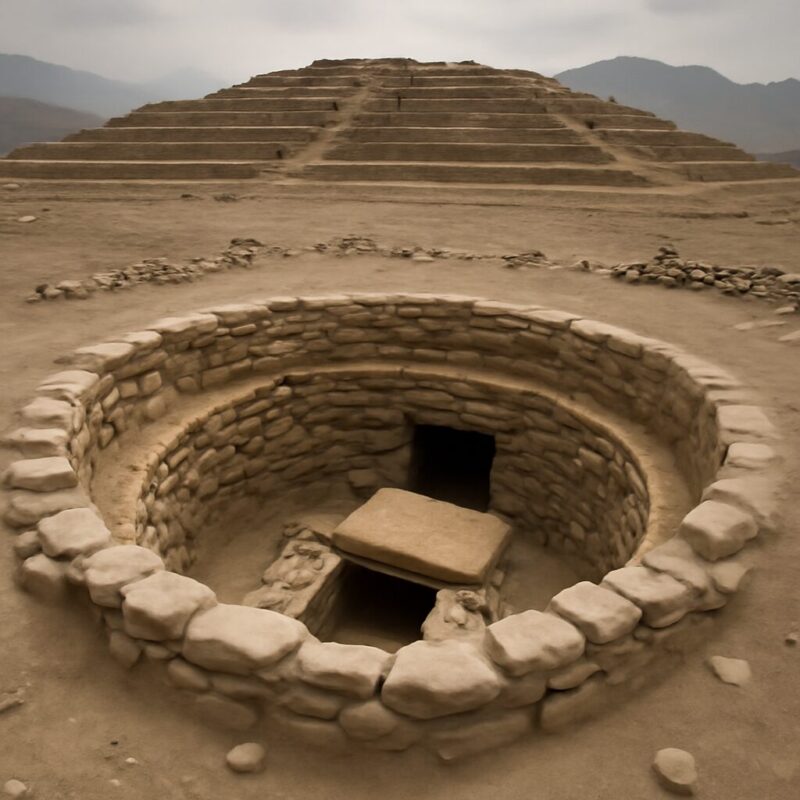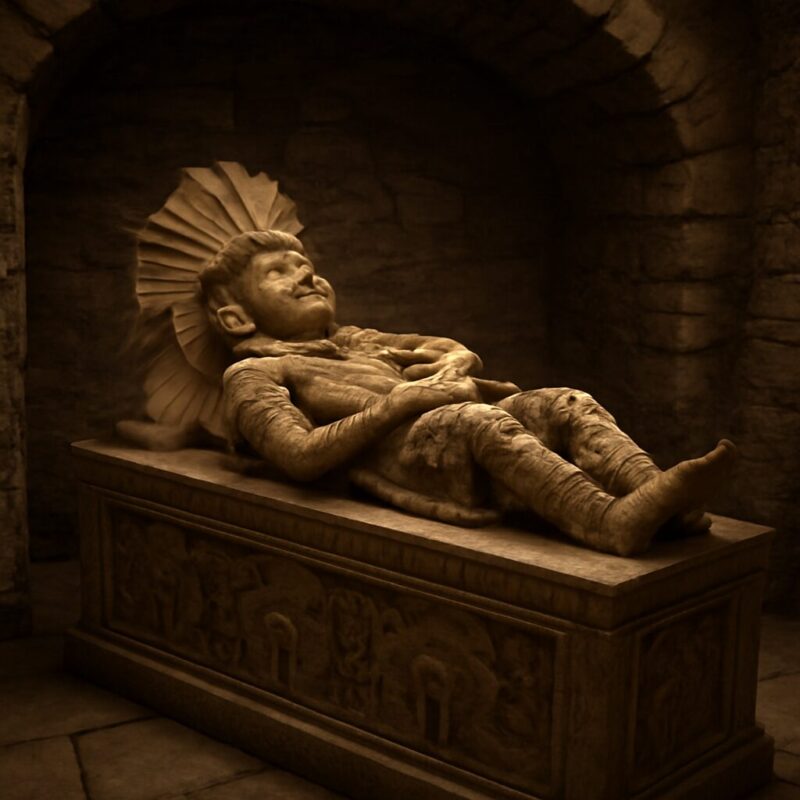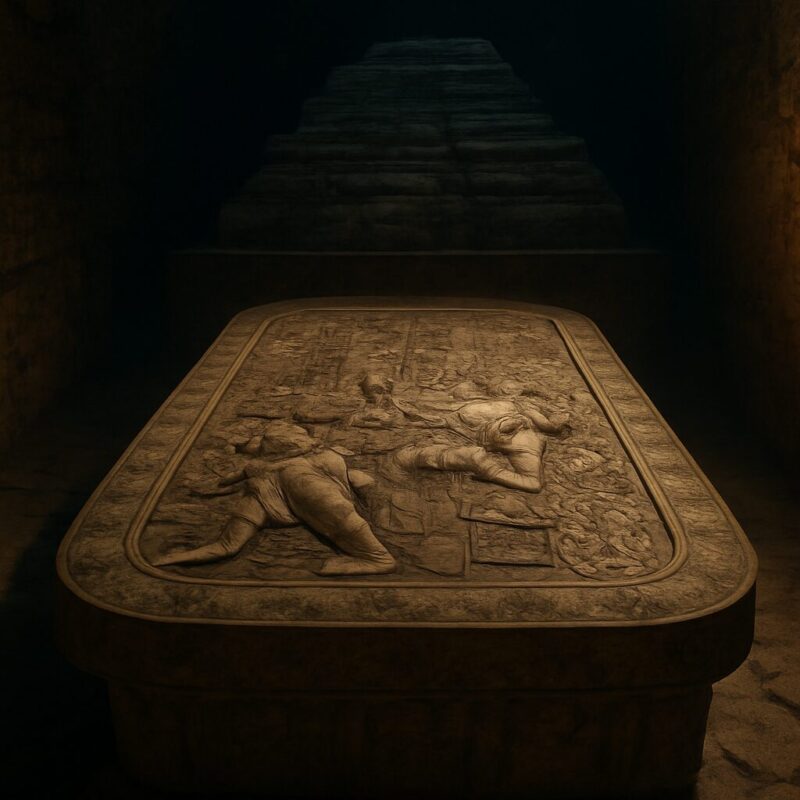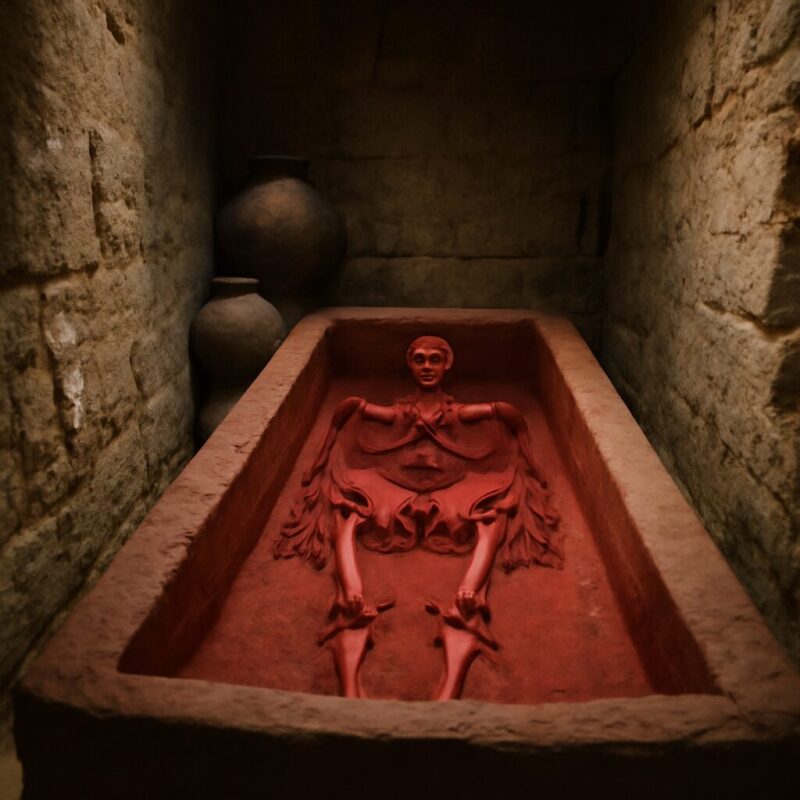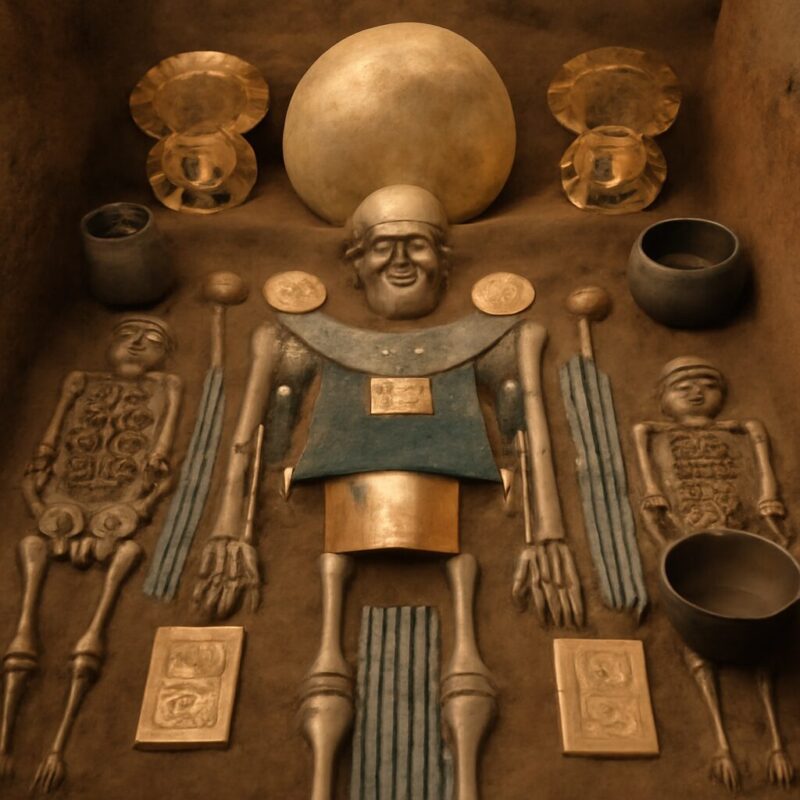
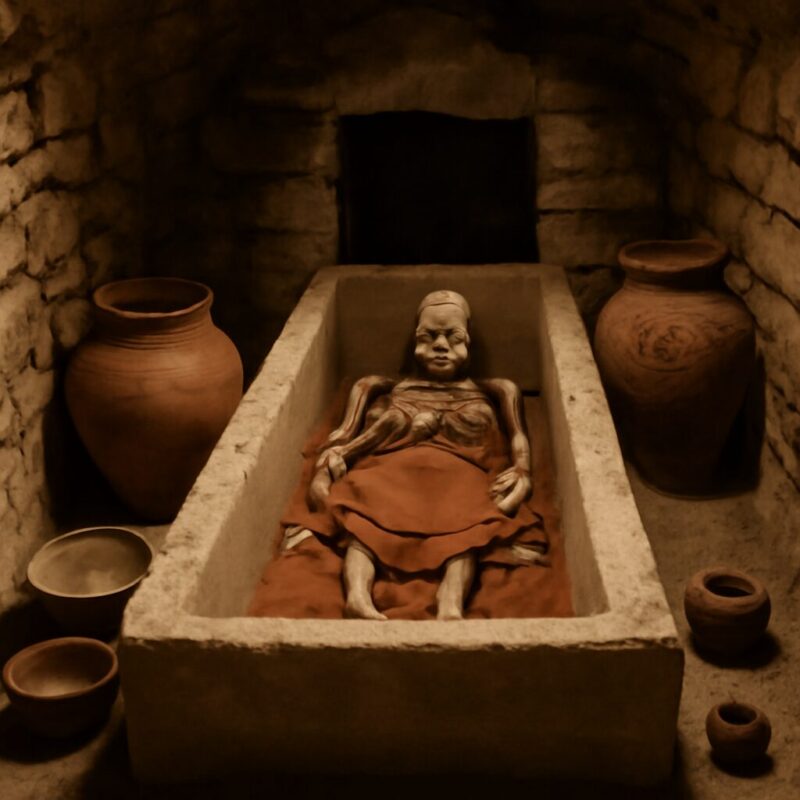
Deep beneath the plazas and pyramids of Copán, the Maya kings sleep in chambers of stone and shadow. These aren't mere graves, but portals to the underworld, Xibalba, built to mirror the sacred landscape above. Imagine descending a narrow stairway, the air thick with centuries, to find a vaulted crypt. Inside, the silence is profound, broken only by the ghostly shimmer of jade—a mosaic mask of countless green stones still clinging to a royal skull, a final, defiant portrait. The bones might be draped in the dust of scarlet cinnabar, a symbolic rebirth into the afterlife, surrounded by offerings of exquisite pottery, carved jade, and the spines of stingrays once used for ritual bloodletting. Each tomb is a frozen moment of divine transition, where a K'uhul Ajaw, a holy lord, was carefully packaged for his journey among the stars, taking his power and the soul of the city with him.
Who Built Copan royal burials?
The Builders of Copan's Royal Burials
The royal burials at Copan were built by the Maya civilization, specifically by the ruling dynasty of the Classic Period city-state of Copan, located in present-day Honduras. The most significant construction was undertaken by the kings themselves as monuments to their power and divine lineage, with elite artisans and laborers executing the work.
Purpose of the Tombs
These tombs were constructed to serve as eternal resting places for Copan's rulers and their elite family members. Their primary purpose was religious and political: to ensure the deceased king's successful journey to the underworld (Xibalba) and his subsequent transformation into a divine ancestor. The lavish tombs, often located beneath major temples and filled with jade, pottery, shells, and sacrificial offerings, were meant to perpetuate the king's authority, legitimize the rule of his successors, and serve as a focal point for ancestor veneration.
Related Structures from the Provided List
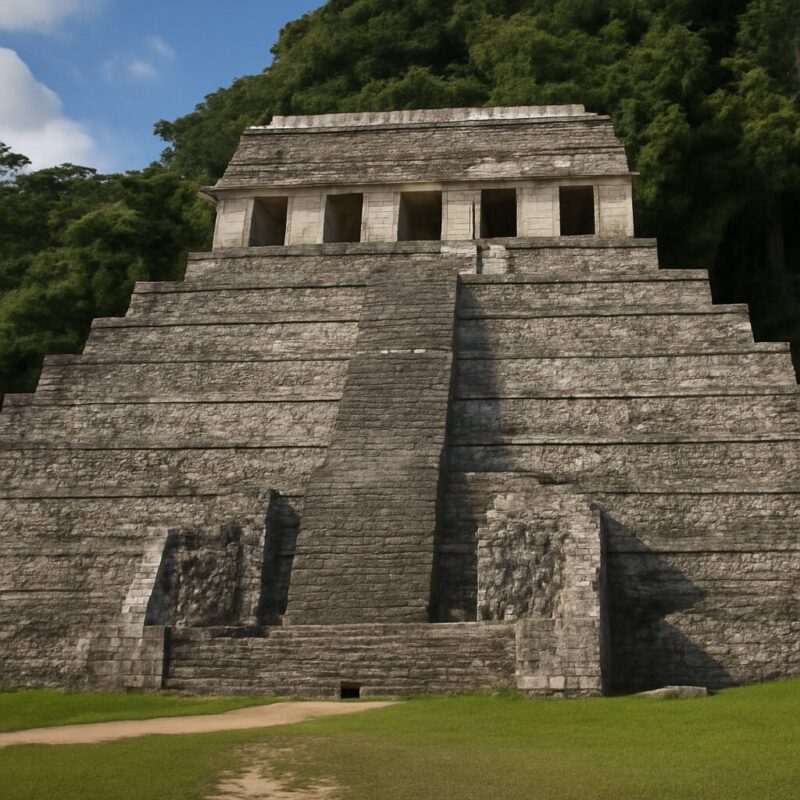
The Maya of Copan were part of a broader Mesoamerican tradition of constructing elaborate tombs for royalty. Other Maya city-states built similar funerary monuments. From your list, a highly relevant parallel is the Tomb of Pakal, the famous ruler of the Maya city of Palenque. His tomb, housed within the Temple of the Inscriptions, is a quintessential example of Classic Maya royal burial practices, sharing concepts of deep temple-pyramid tombs, rich grave goods, and symbolic inscriptions meant to deify the king.
Furthermore, the architectural practice of integrating a ruler's tomb into the heart of a temple pyramid is also seen in other cultures. While not Maya, the Temple of the Inscriptions at Palenque (the structure containing Pakal's tomb) is directly named on your list and represents the same architectural and cultural tradition.