Middle East
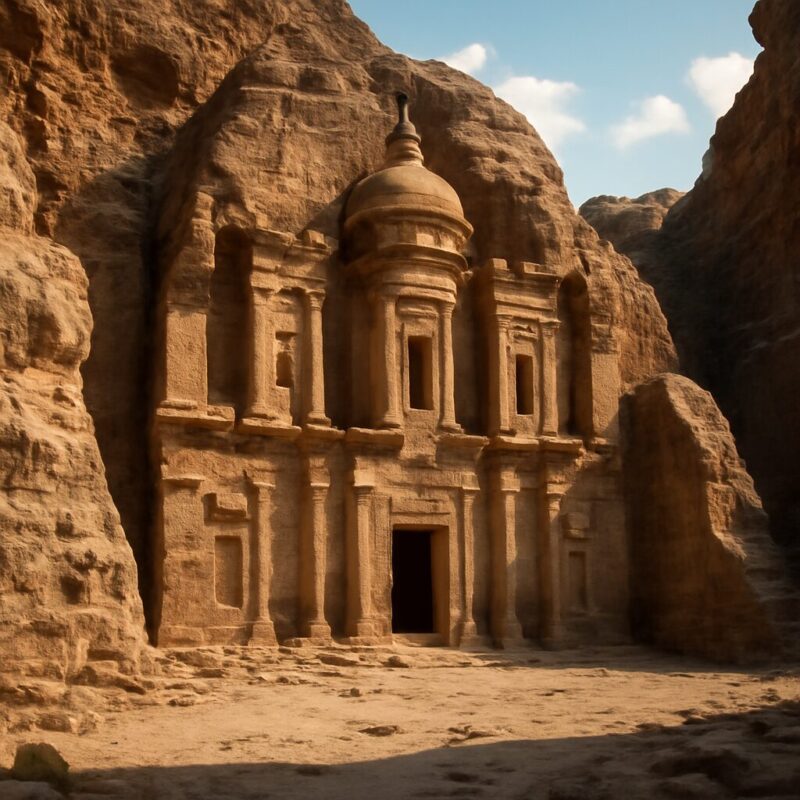
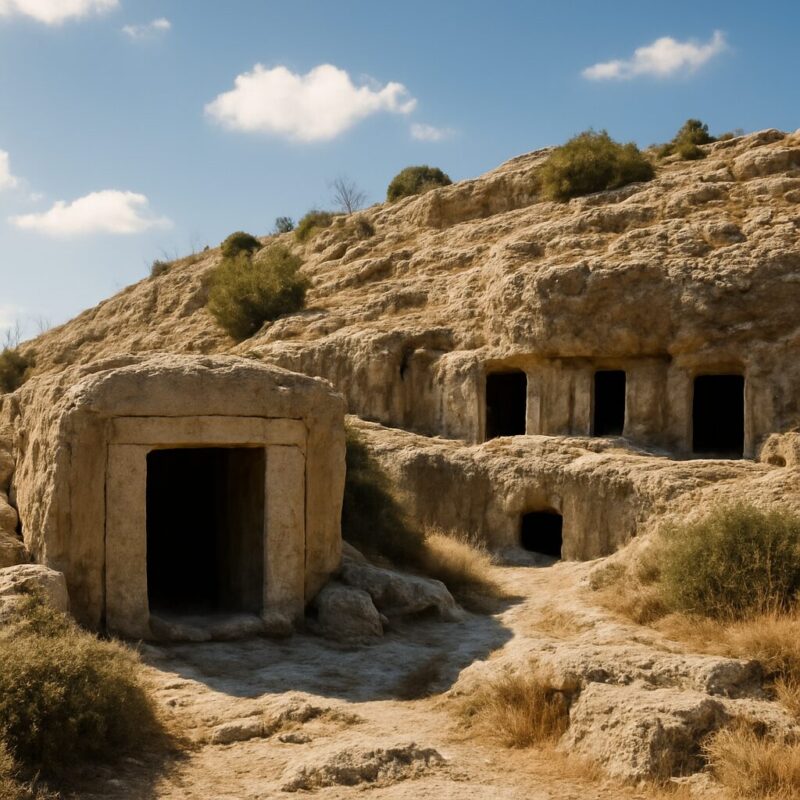
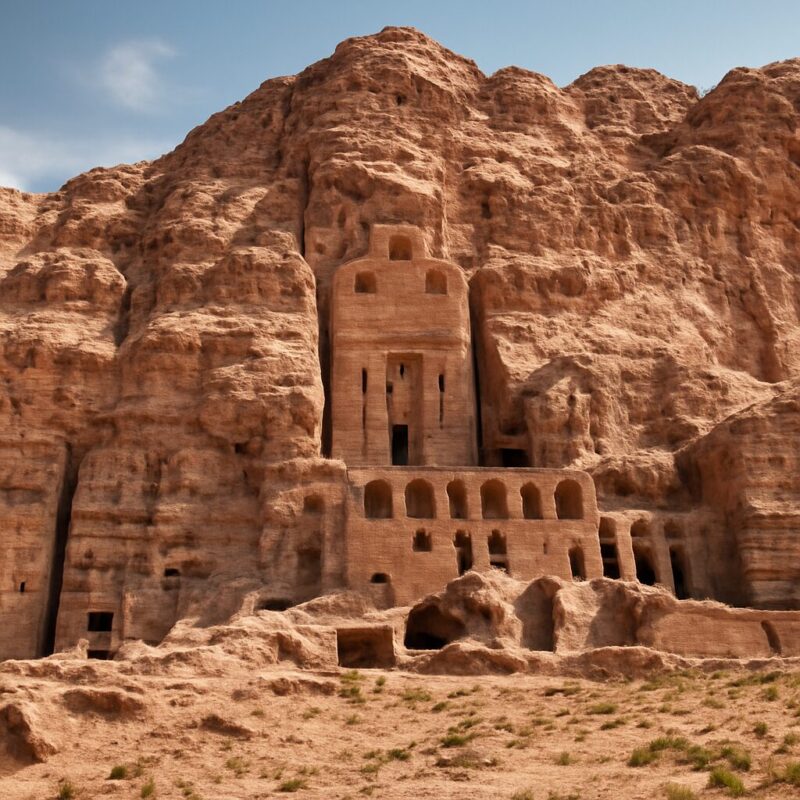
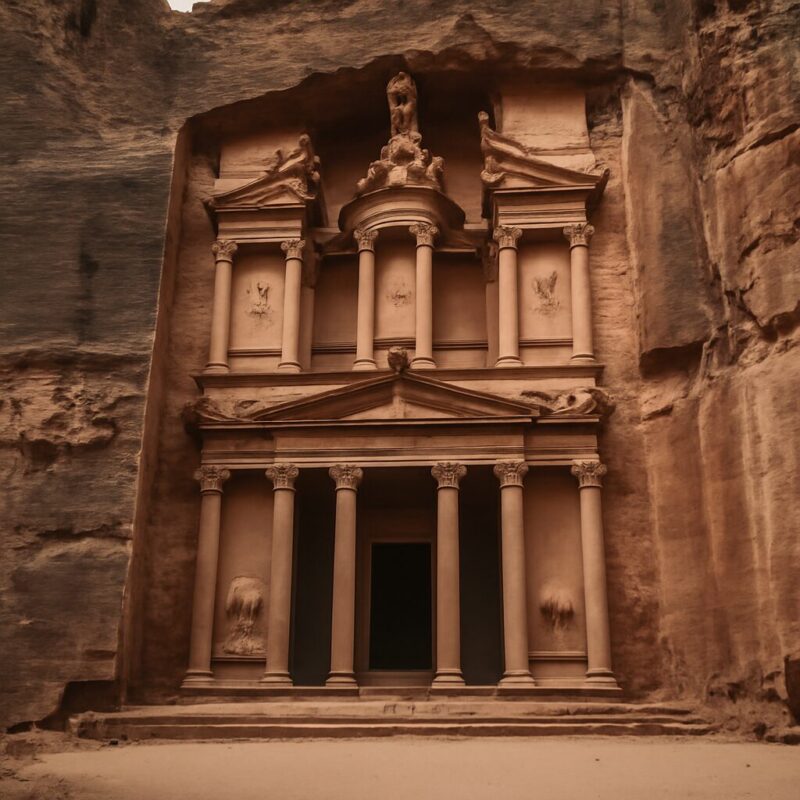
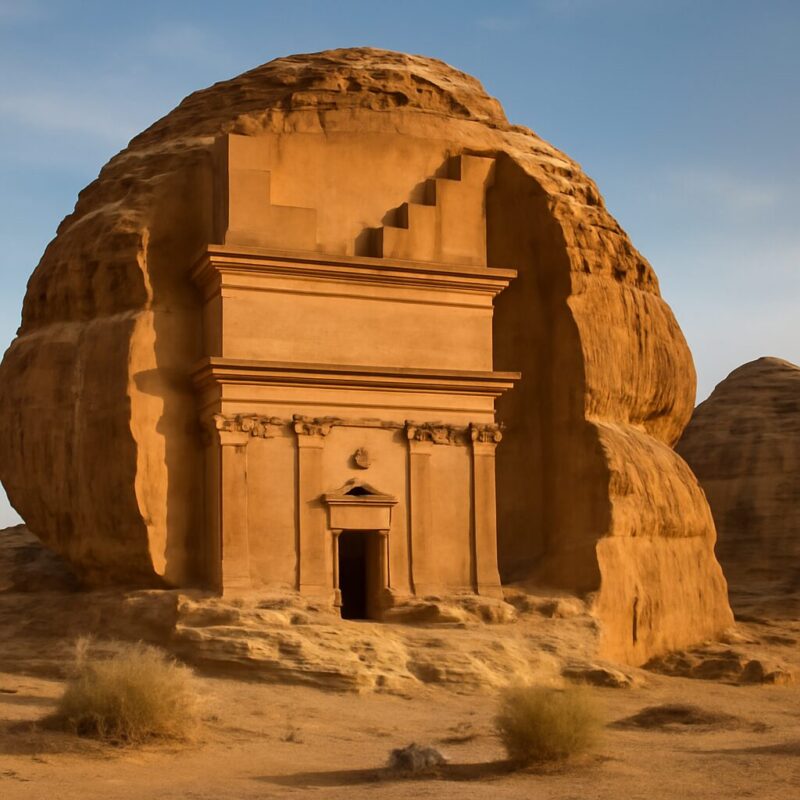
The Middle East is home to some of the world's most ancient and architecturally diverse tombs, reflecting millennia of cultural and religious evolution. Among the most iconic are the rock-cut monuments of Petra in Jordan, where the magnificent Al Khazneh (The Treasury) and the grand Petra Royal Tombs showcase the Nabatean kingdom's mastery over stone. Similarly, the pre-Islamic site of Madain Saleh tombs in Saudi Arabia features over a hundred monumental Nabatean tombs carved into sandstone outcrops, serving as a southern counterpart to Petra.
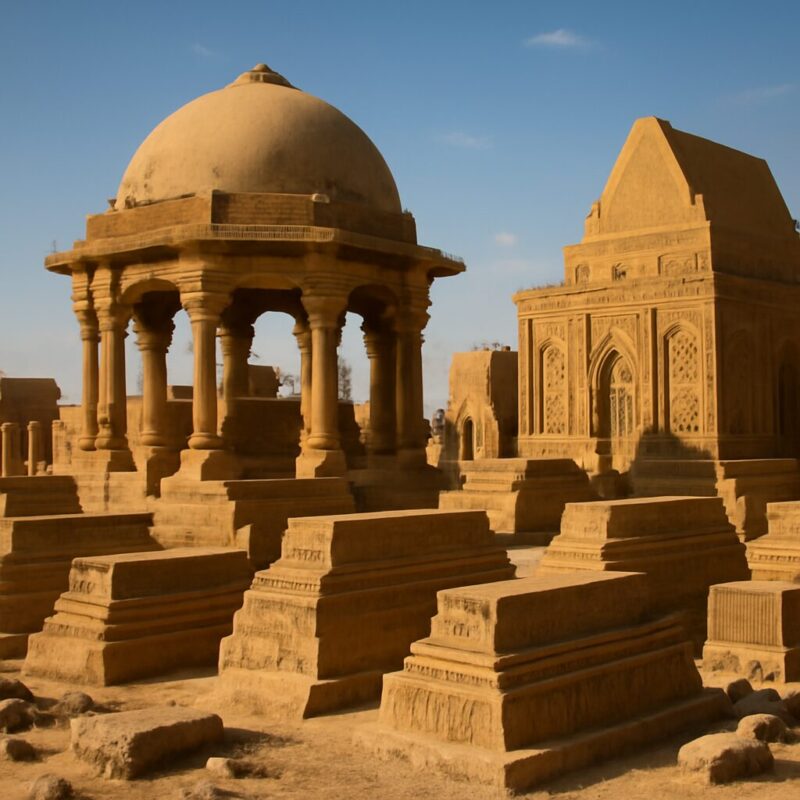
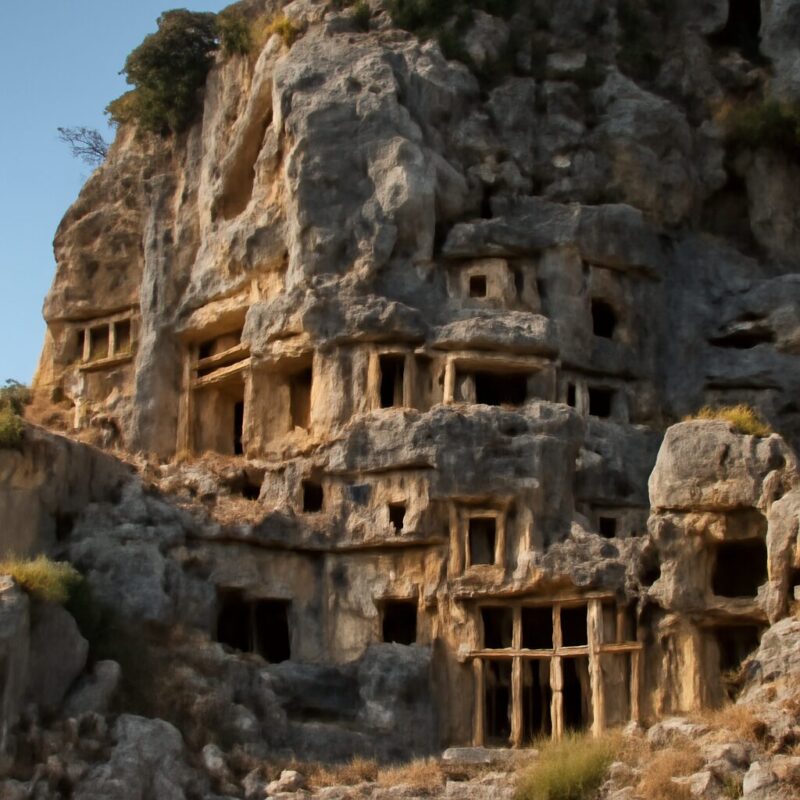
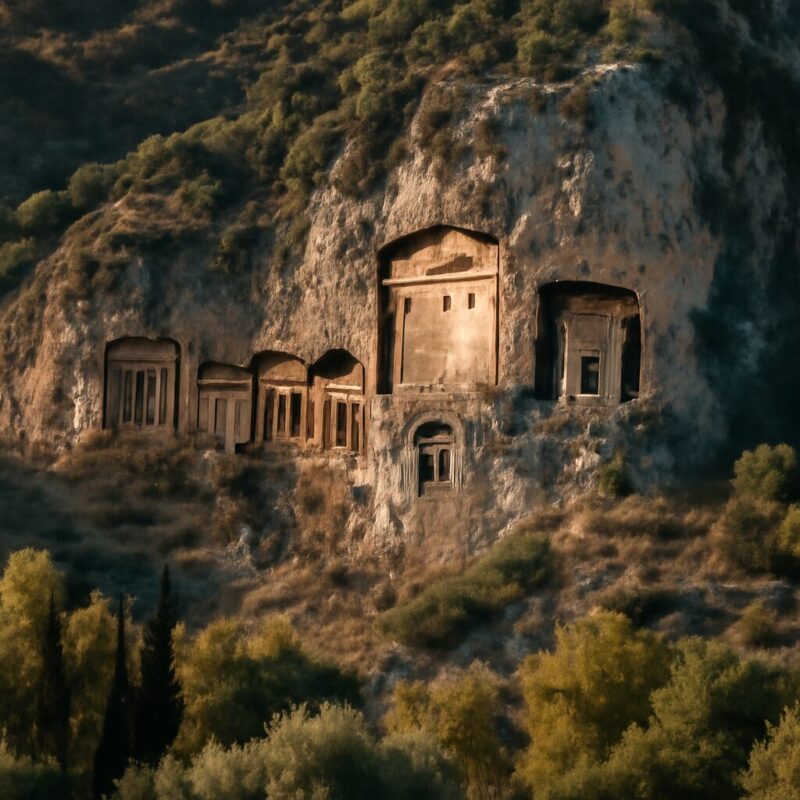
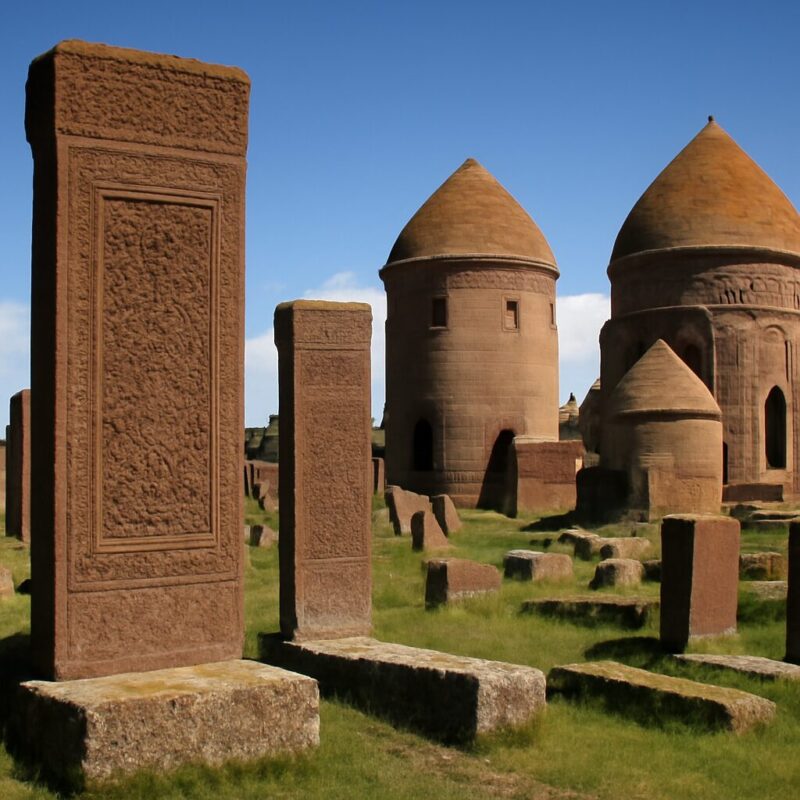
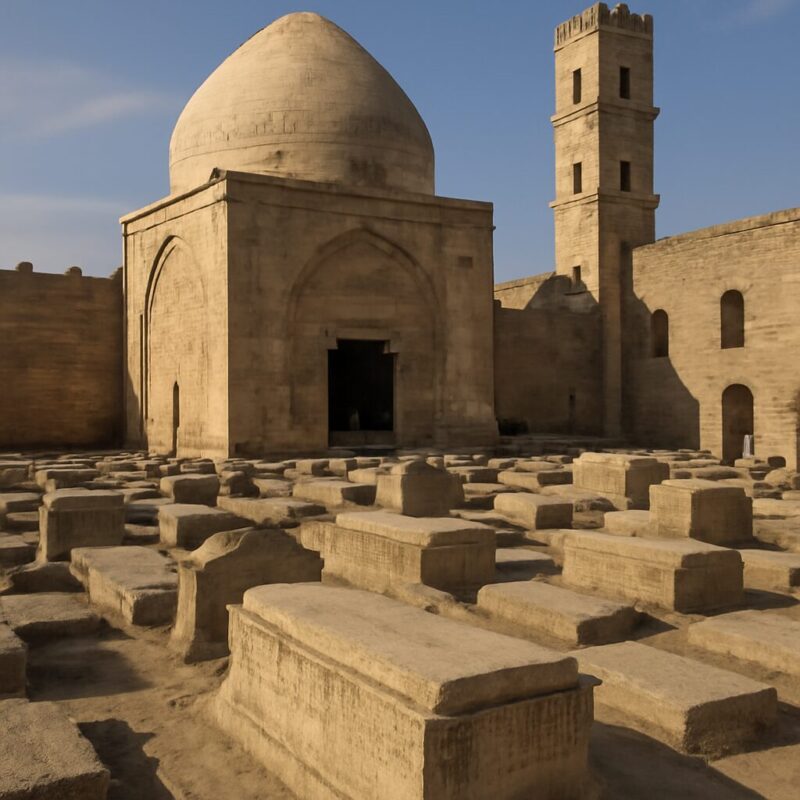
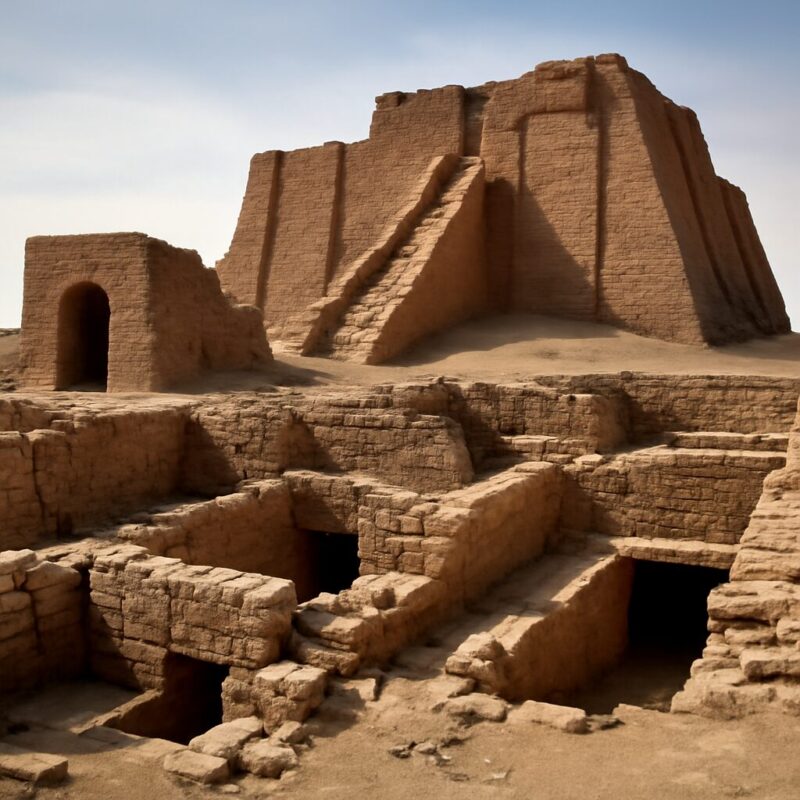
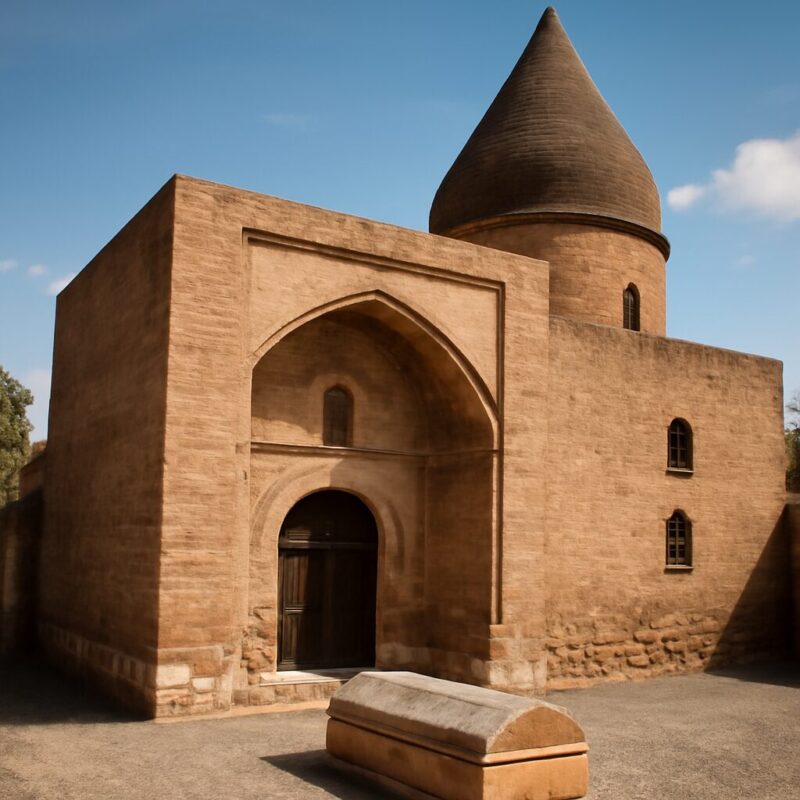
Ancient funerary practices are further illustrated by the Royal Tombs of Ur in Iraq, Sumerian burial sites dating to circa 2600 BCE that contained spectacular treasures and evidence of ritual sacrifice. In Turkey, the Lycia rock cut tombs and the Kaunos tombs, often carved to resemble temple facades on cliff faces, demonstrate the region's unique blend of Anatolian, Greek, and Persian influences. Later periods are represented by sites like the Seljuk tombs of Ahlat, with their distinctive cylindrical and polygonal stone turbe structures.
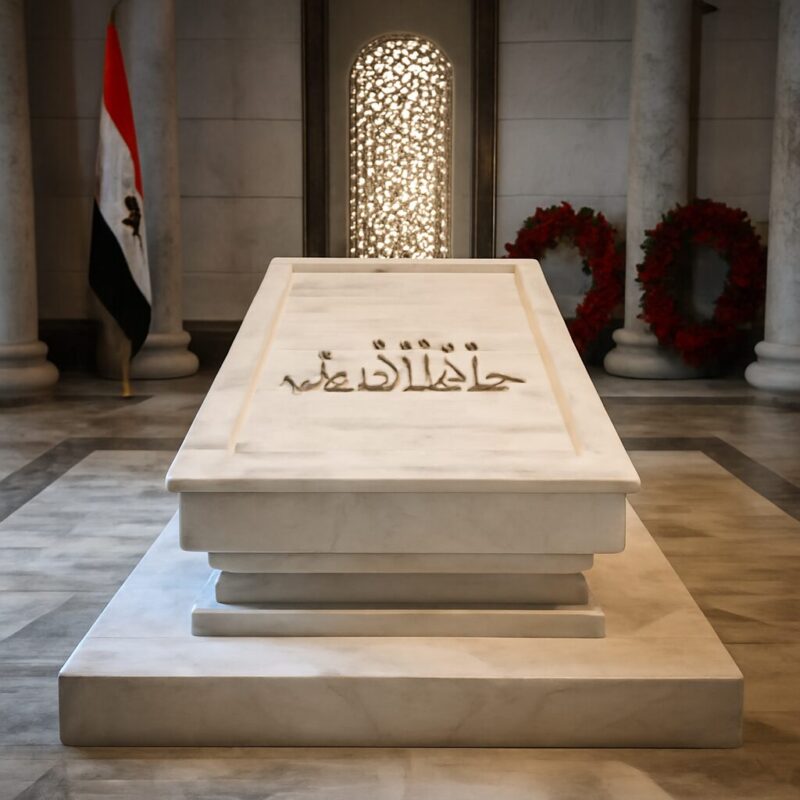
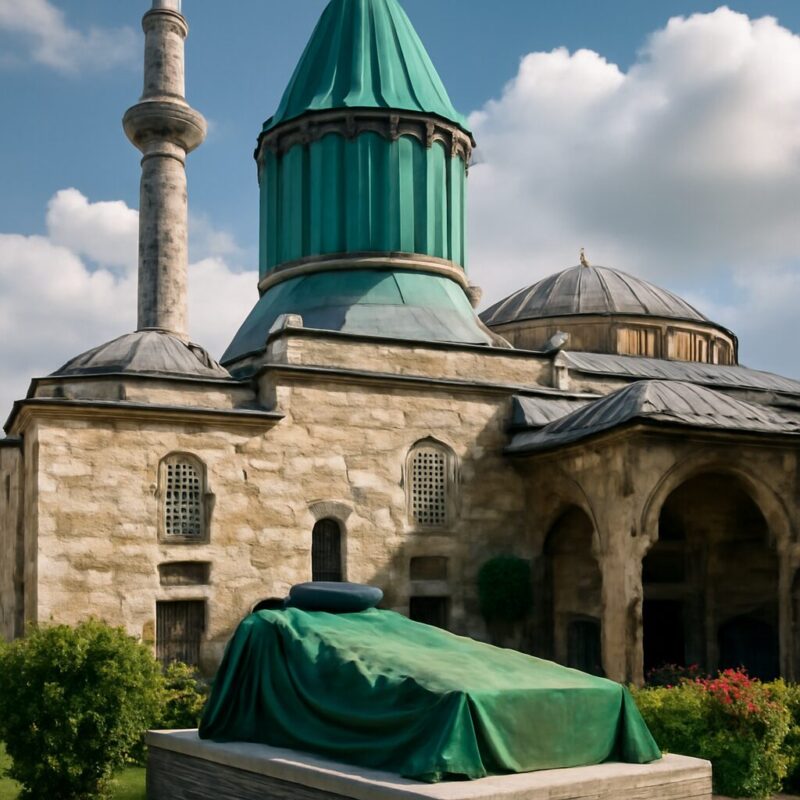
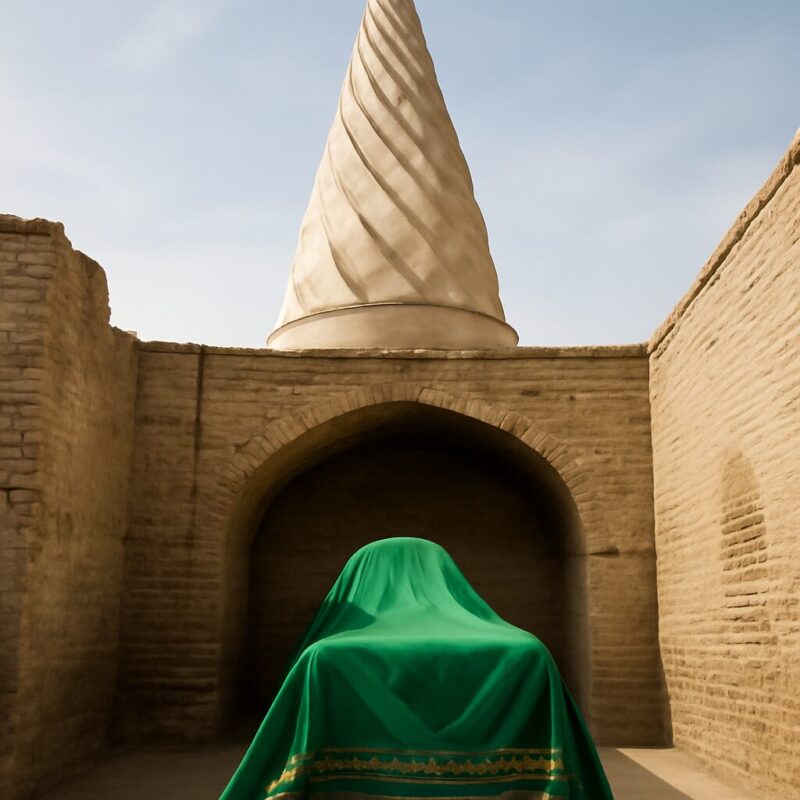
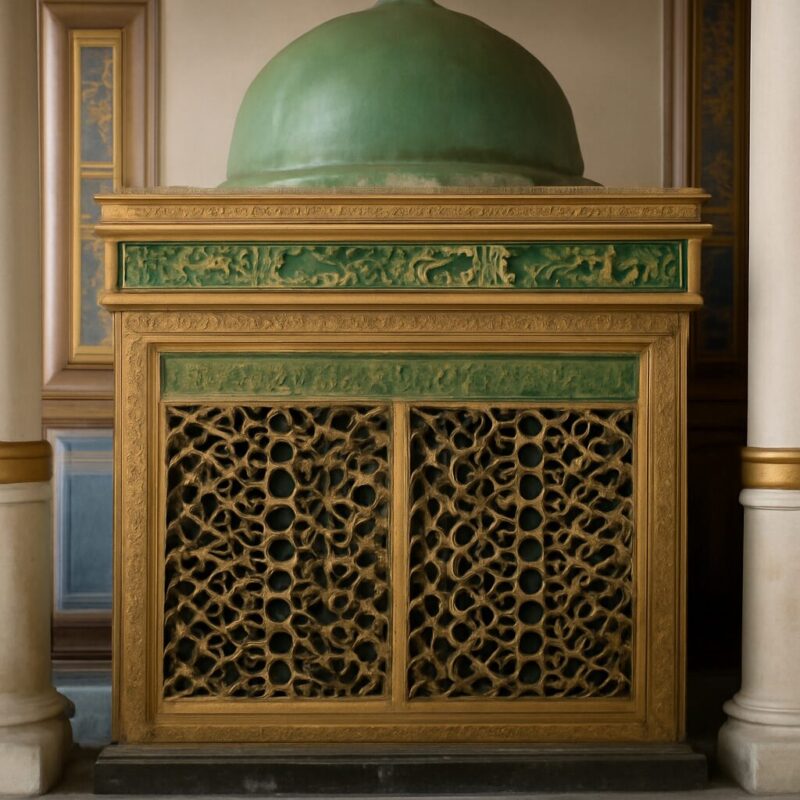
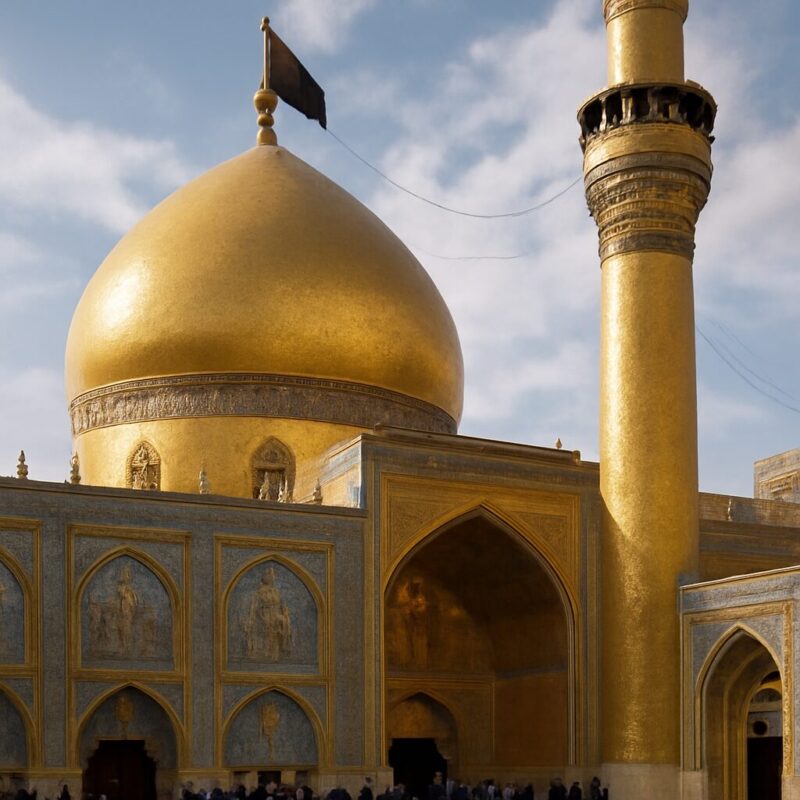
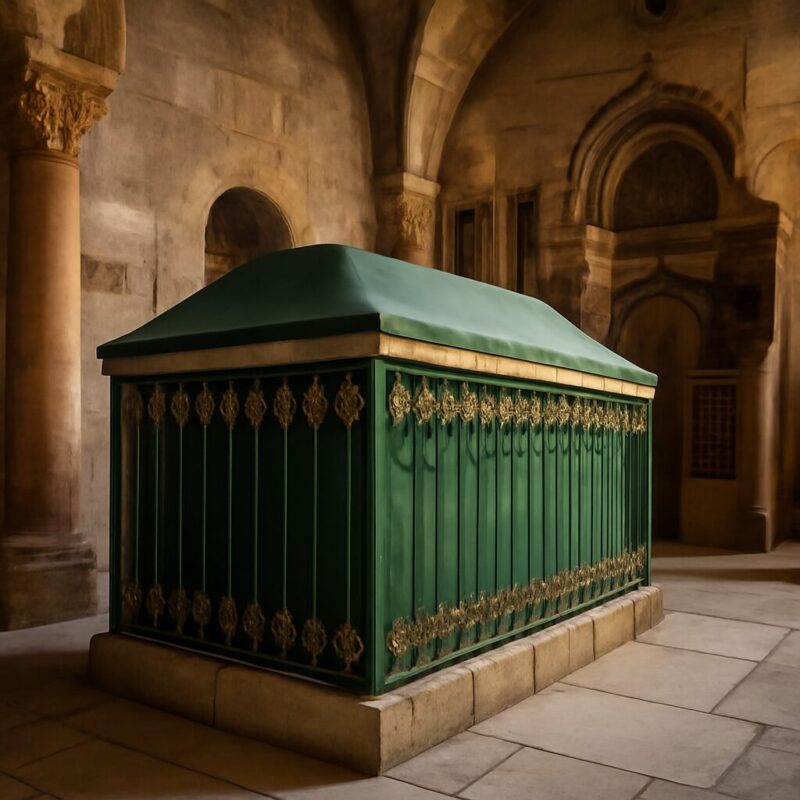
The region is also a profound center for religious pilgrimage, housing venerated shrines of key prophetic and historical figures. These include the Tomb of Abraham in Hebron, the Tomb of the Prophet Muhammad in Medina, and the Tomb of Imam Ali in Najaf, which are sacred to Judaism, Christianity, and Islam. Other significant sites are the Tomb of Daniel, the Tomb of Ezekiel, and the Tomb of Esther and Mordechai, which hold deep importance for Jewish and Muslim communities. More recent mausoleums, such as the Tomb of Rumi in Konya and the Tomb of Hafez al Assad in Syria, reflect continued traditions of monumental commemoration.
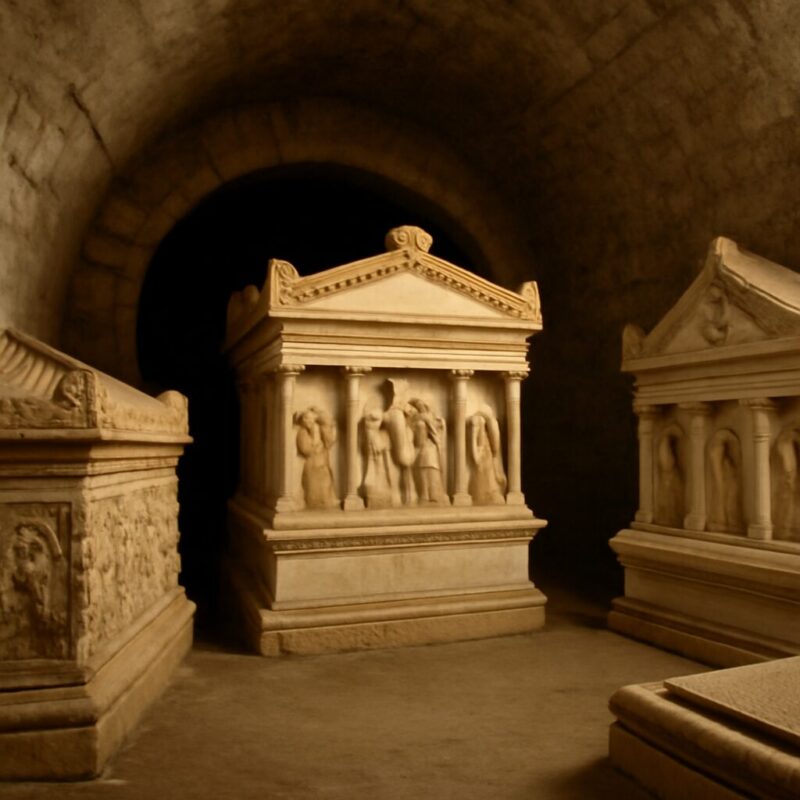
Further examples of necropolis design can be found at the Necropolis of Shahzada in Uzbekistan and the ancient Phoenician Royal Tombs of Sidon in Lebanon, the latter yielding famous sarcophagi like that of Alexander. The Umm el-Amad necropolis in Tyre provides another window into Phoenician burial customs, collectively illustrating the rich tapestry of beliefs and artistic expression surrounding death and remembrance across the Middle East.