Europe
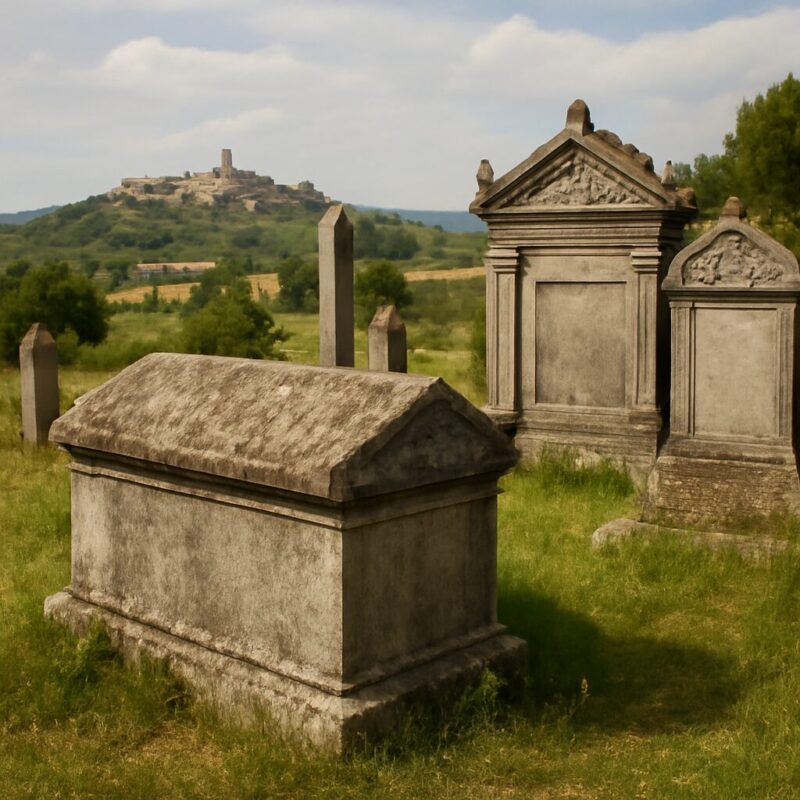
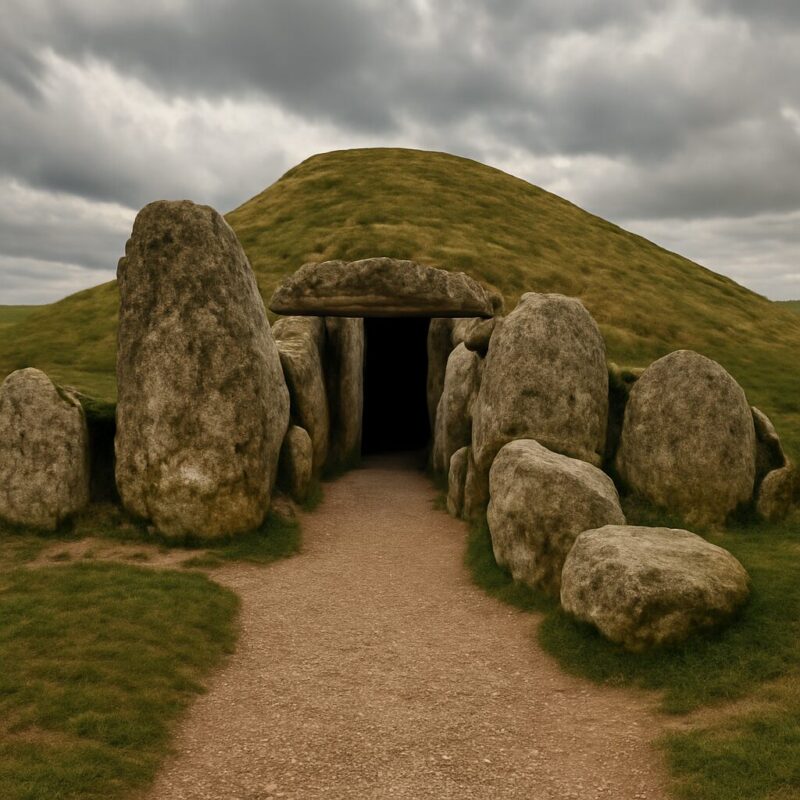
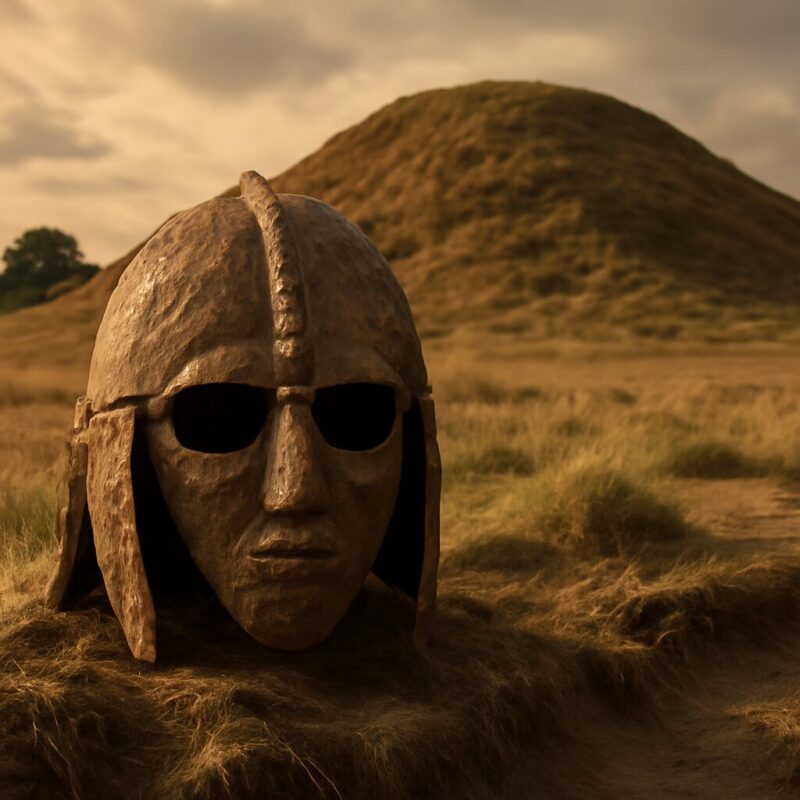
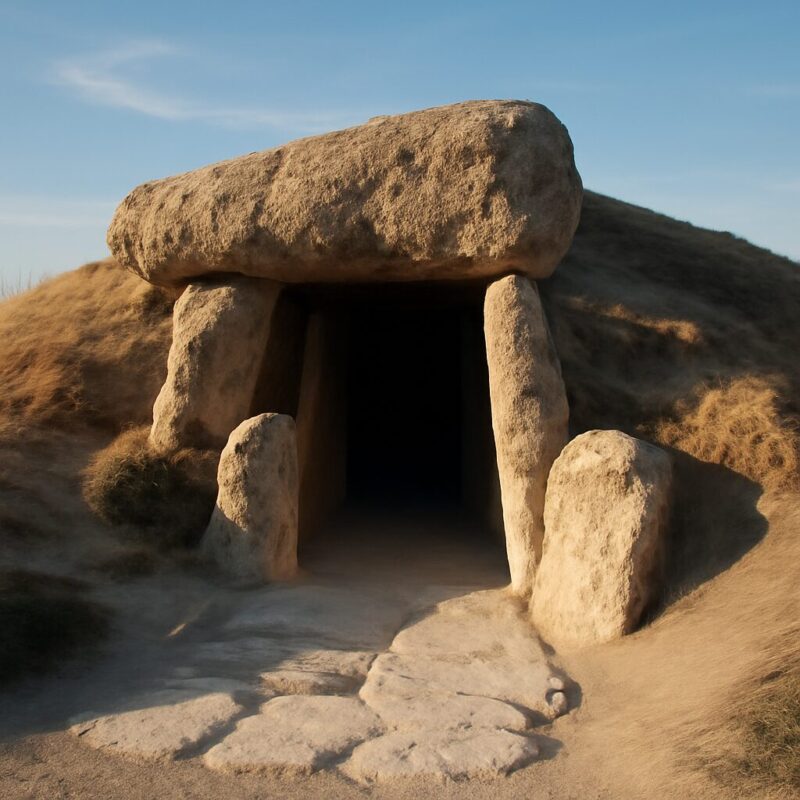
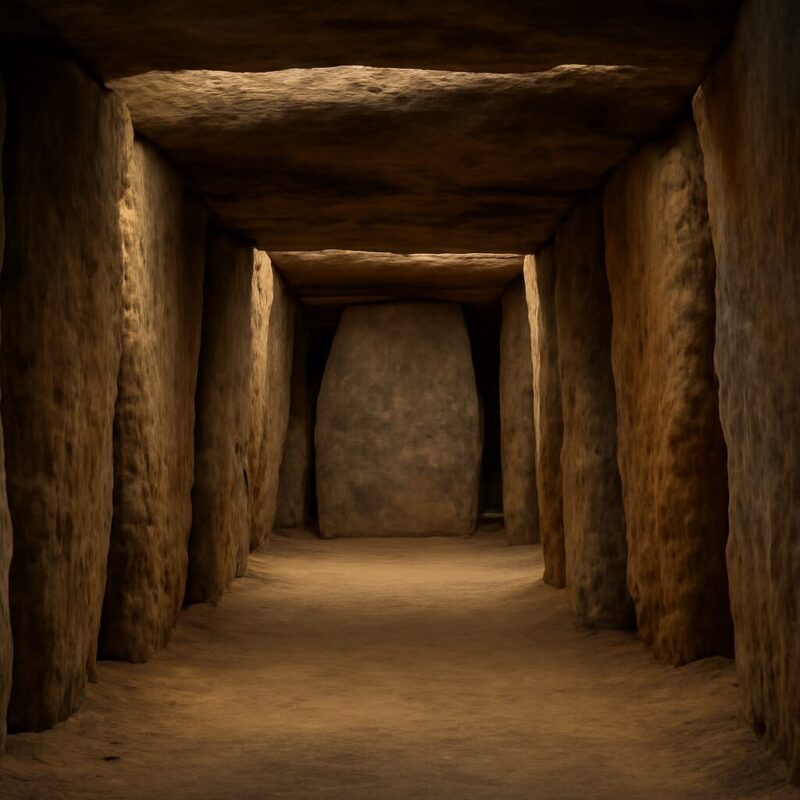
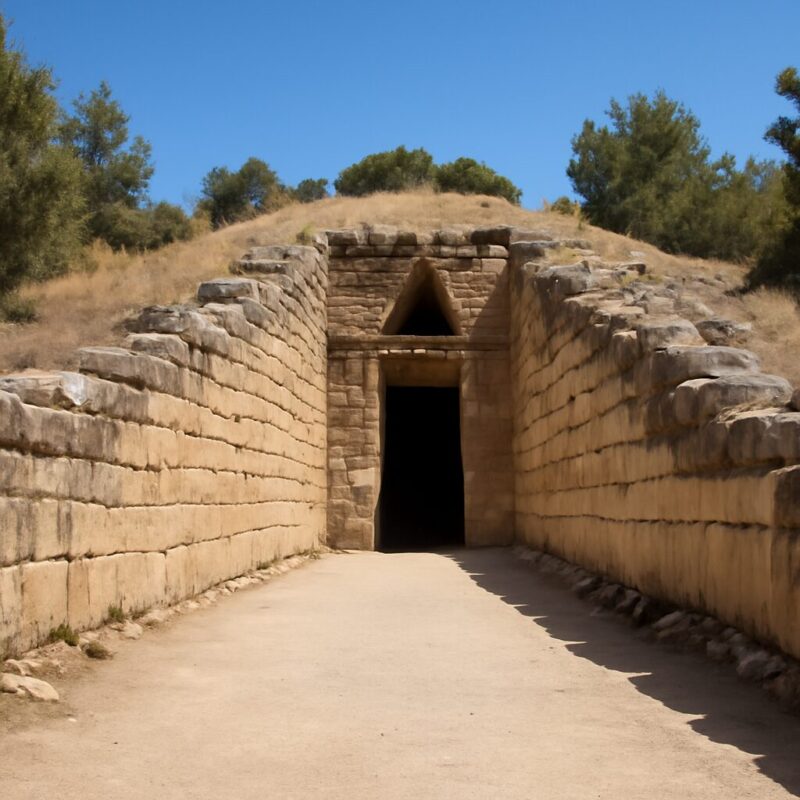
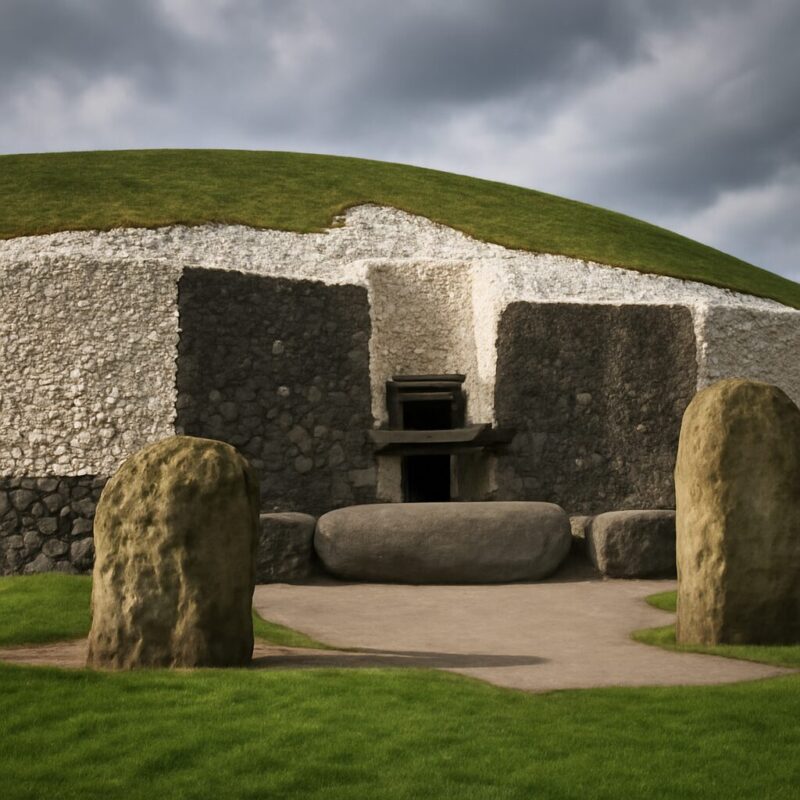
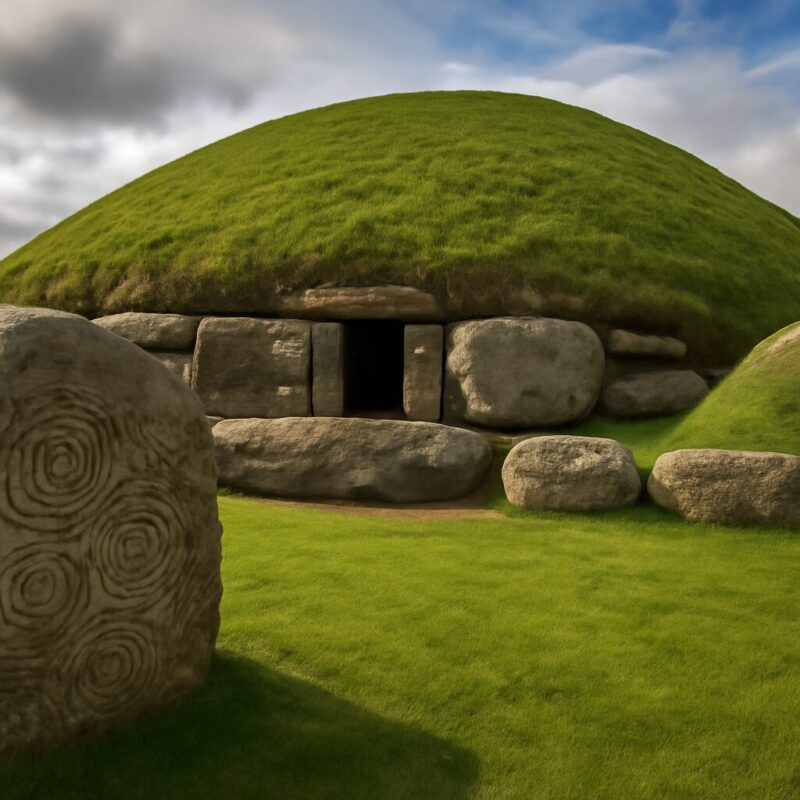
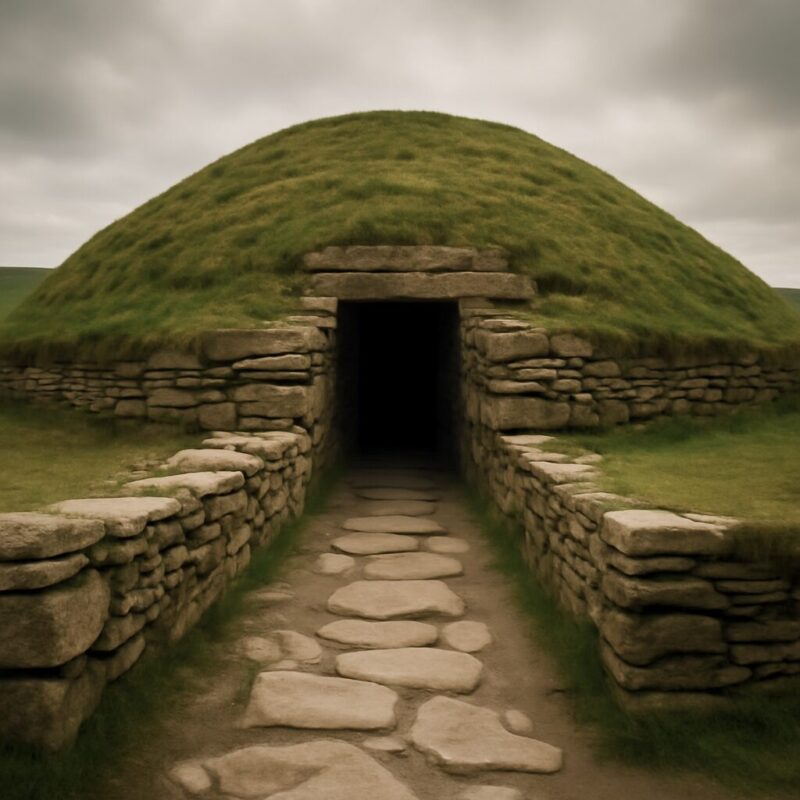
Europe's tombs offer a profound journey through time, reflecting diverse cultures, beliefs, and architectural prowess. Among the oldest are the Neolithic passage tombs, monumental feats of engineering like Ireland's Newgrange and Knowth, or Scotland's Maeshowe, aligned with celestial events. Similar megalithic traditions are found in Spain, such as the Dolmen de Menga and the Dolmen de Soto, and in England at West Kennet Long Barrow. The Bronze Age saw the development of sophisticated burial structures like the Mycenaean tholos tombs in Greece and the spectacular ship burial at Sutton Hoo in England.
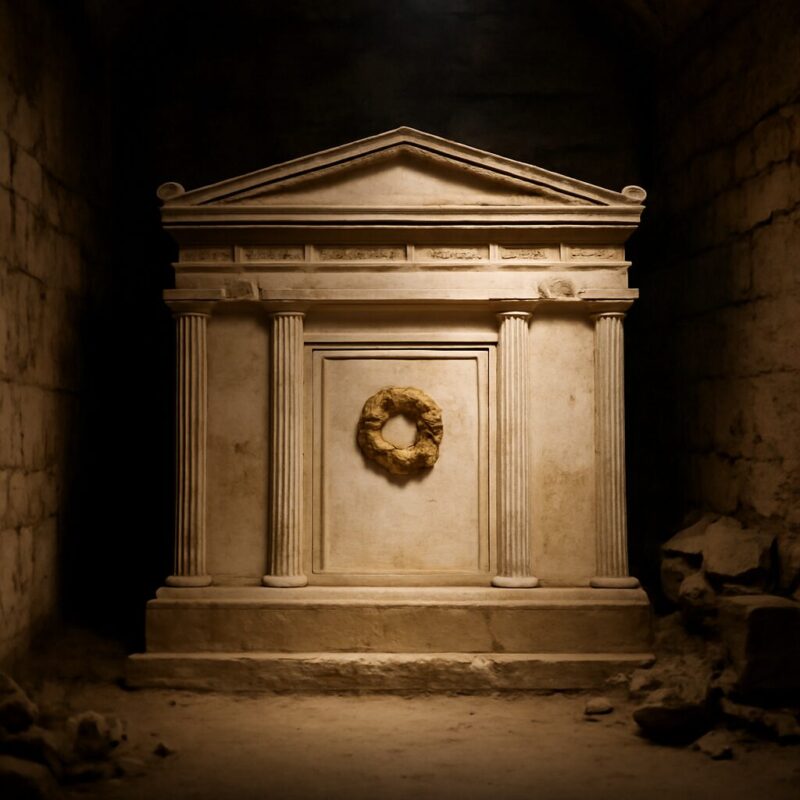
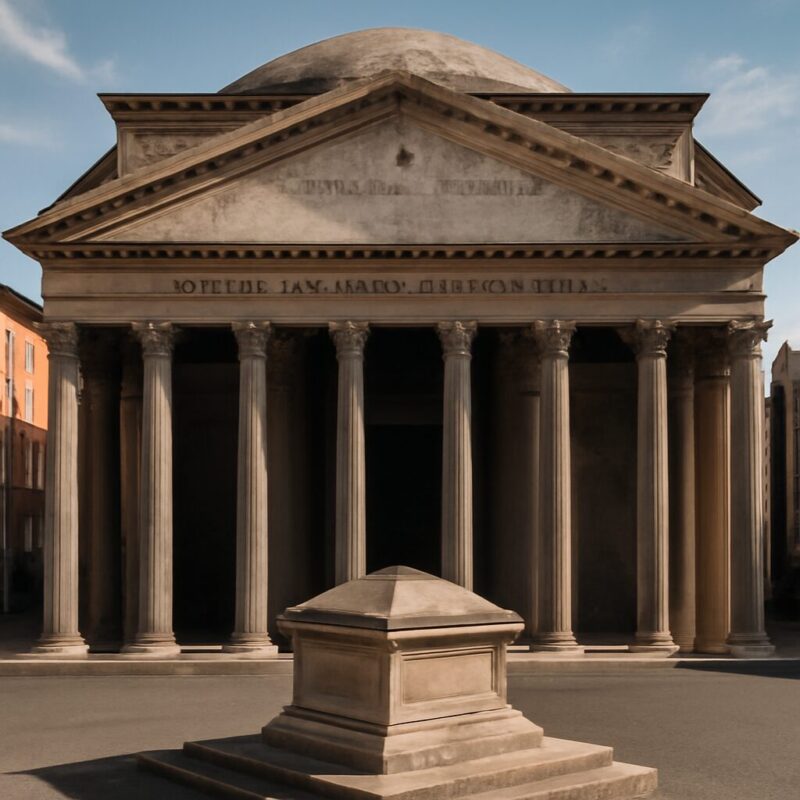
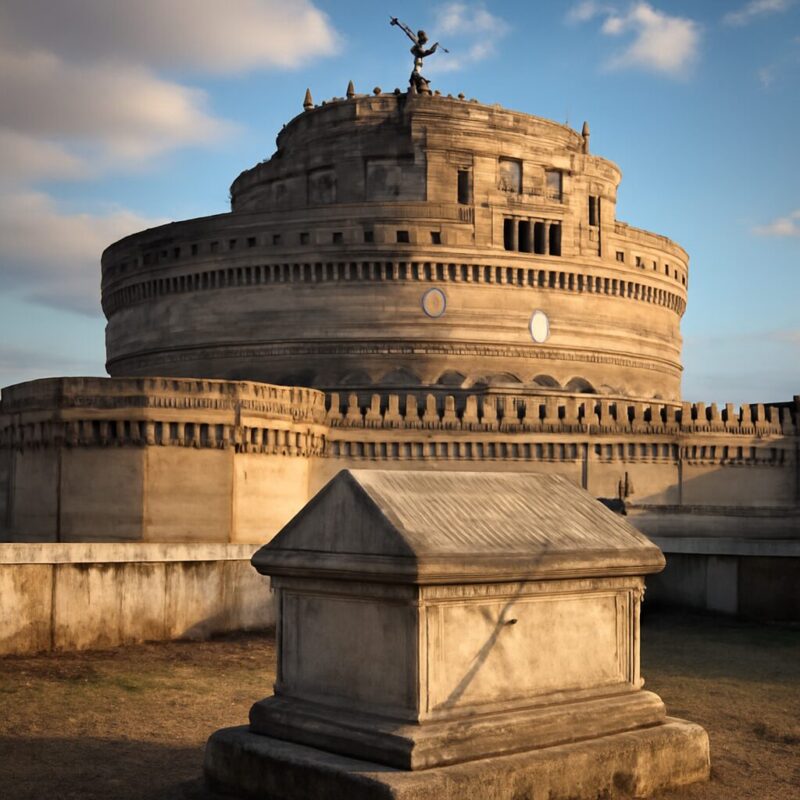
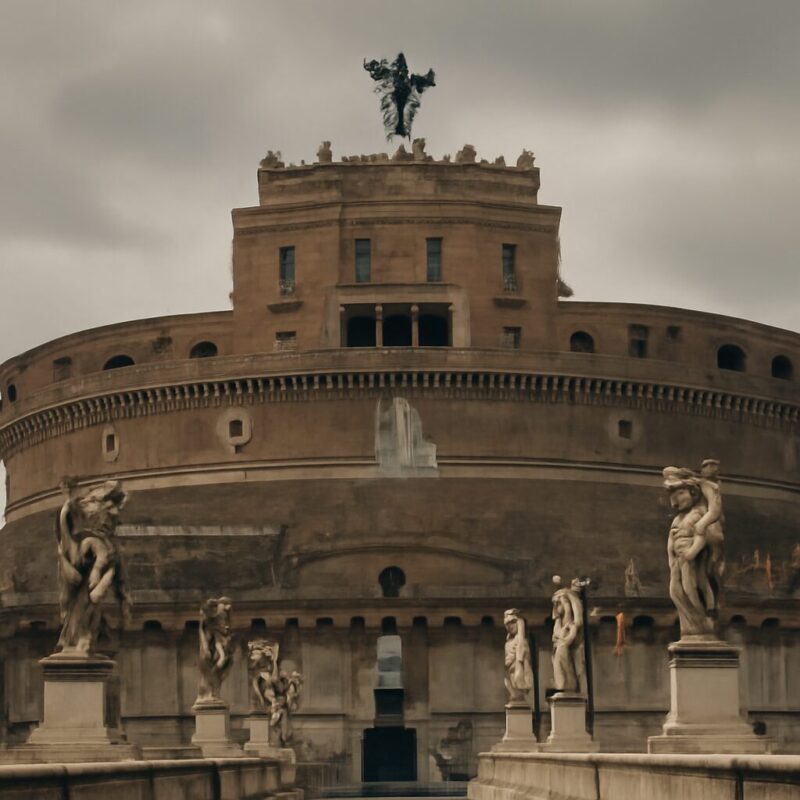
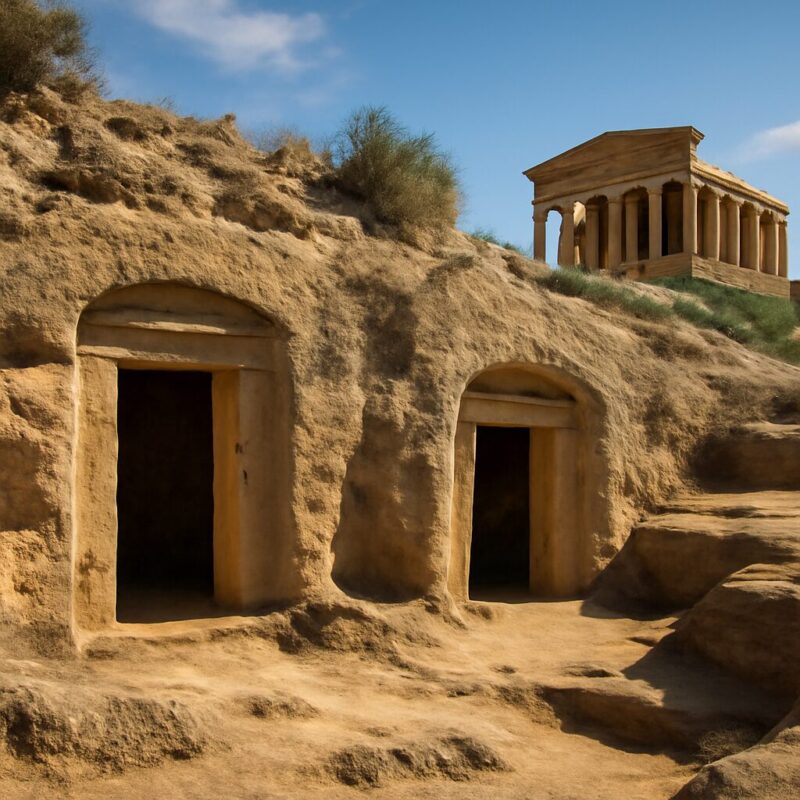
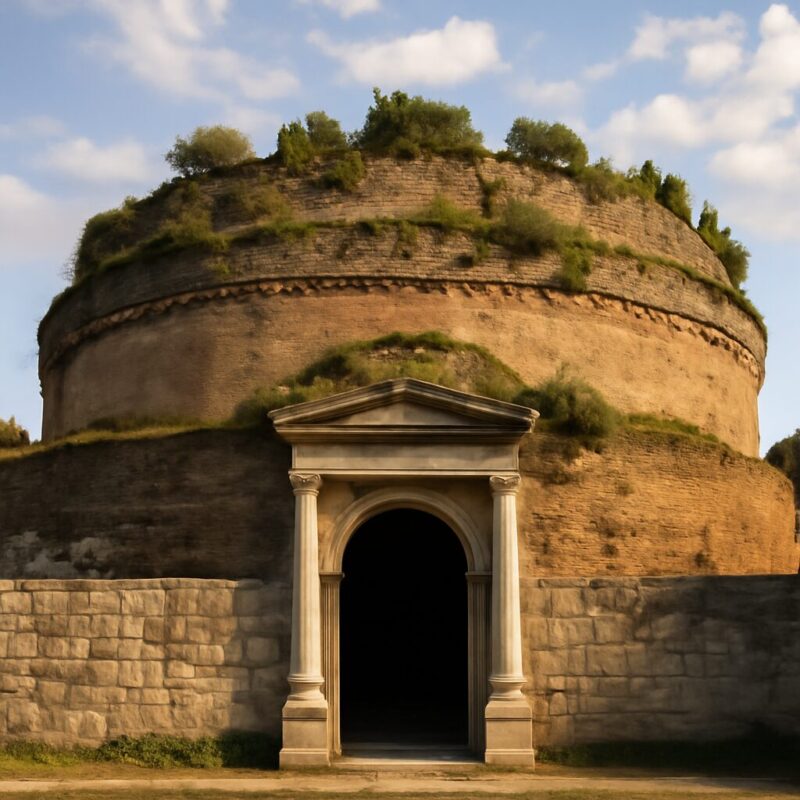
The classical world left grand mausoleums for its rulers. In Rome, the Mausoleum of Augustus and the Tomb of Hadrian (later Castel Sant'Angelo) were imperial statements in stone. The Pantheon, though a temple, famously became the tomb for Raphael and Italian kings. Later, the Tomb of Philip II at Vergina revealed the splendor of Macedonian royalty, while in Sicily, the Valley of the Temples tombs showcase Punic and Roman funerary art.
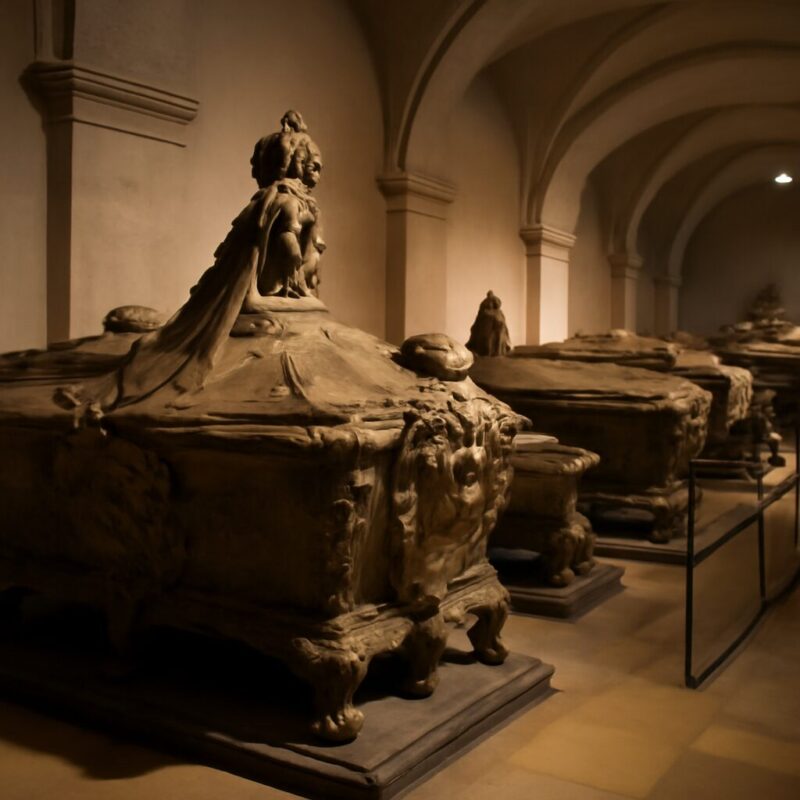
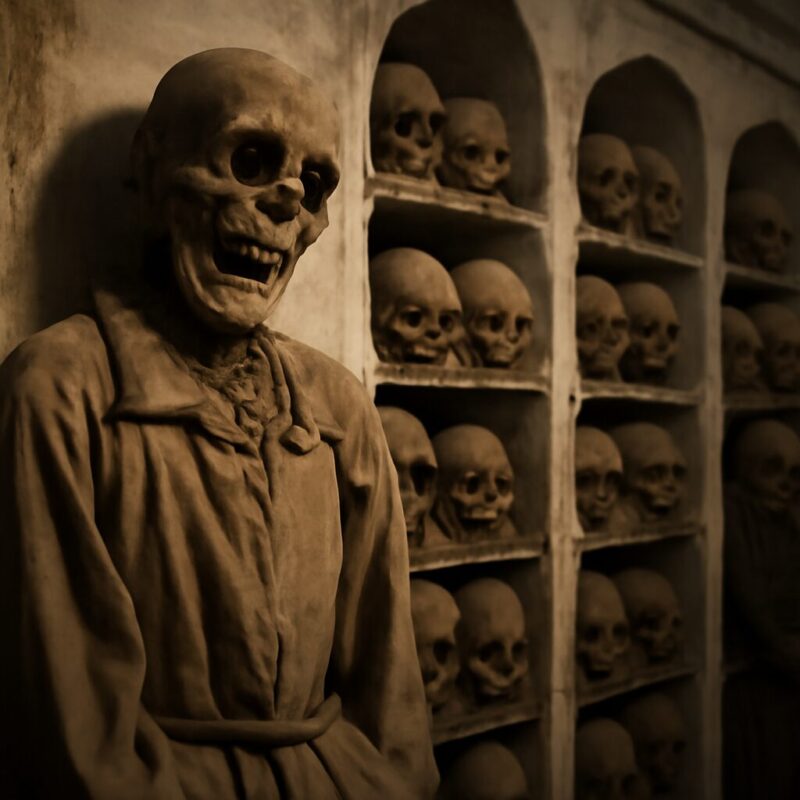
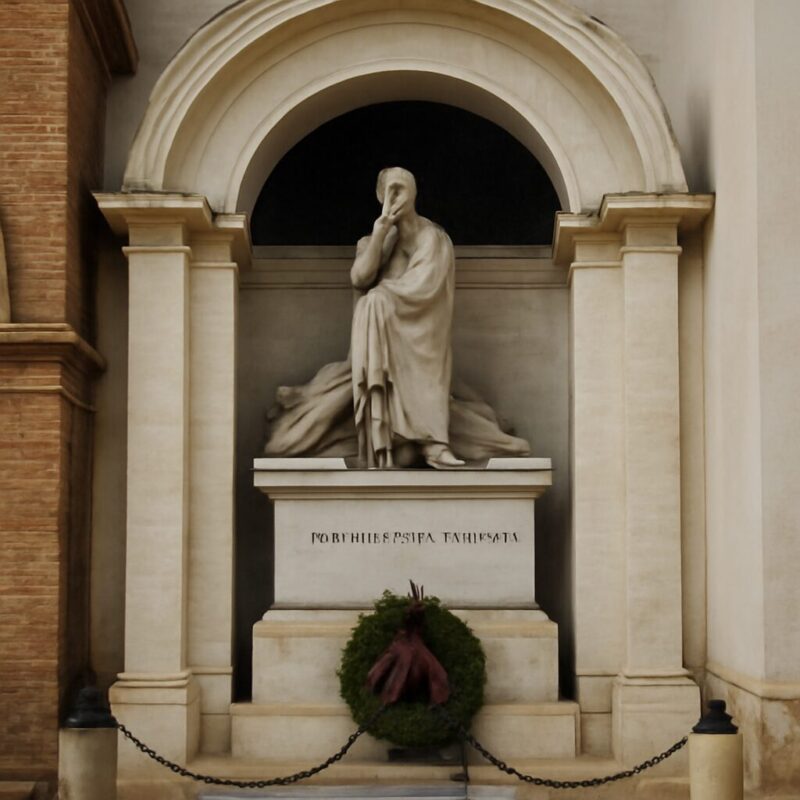
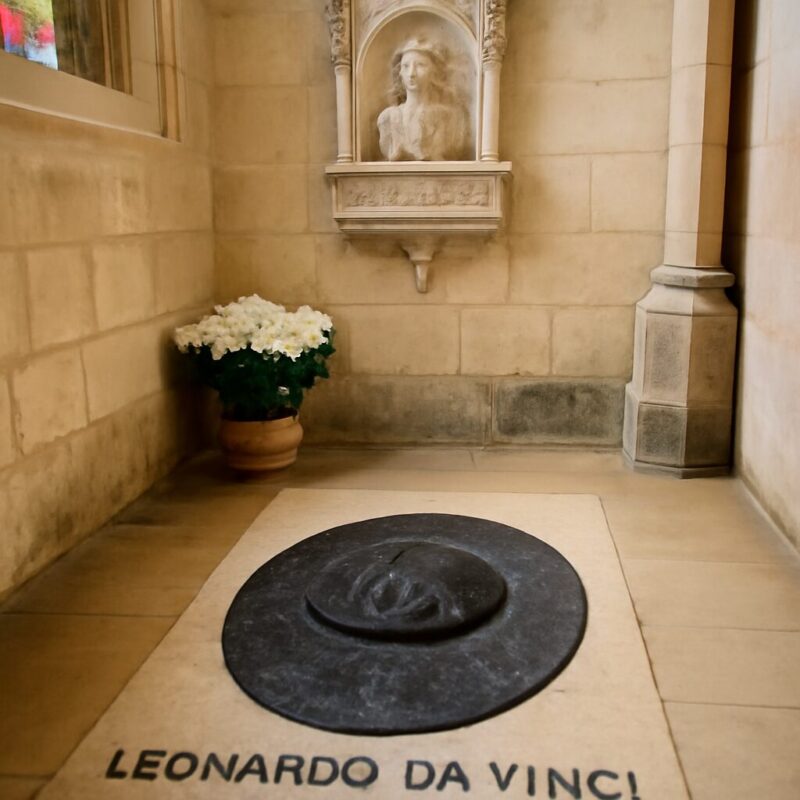
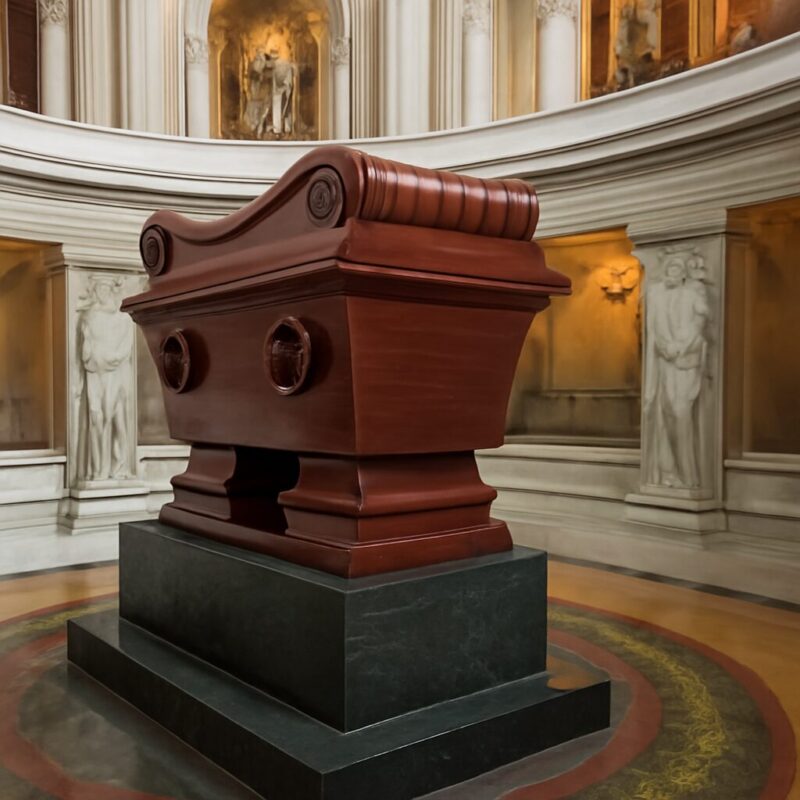
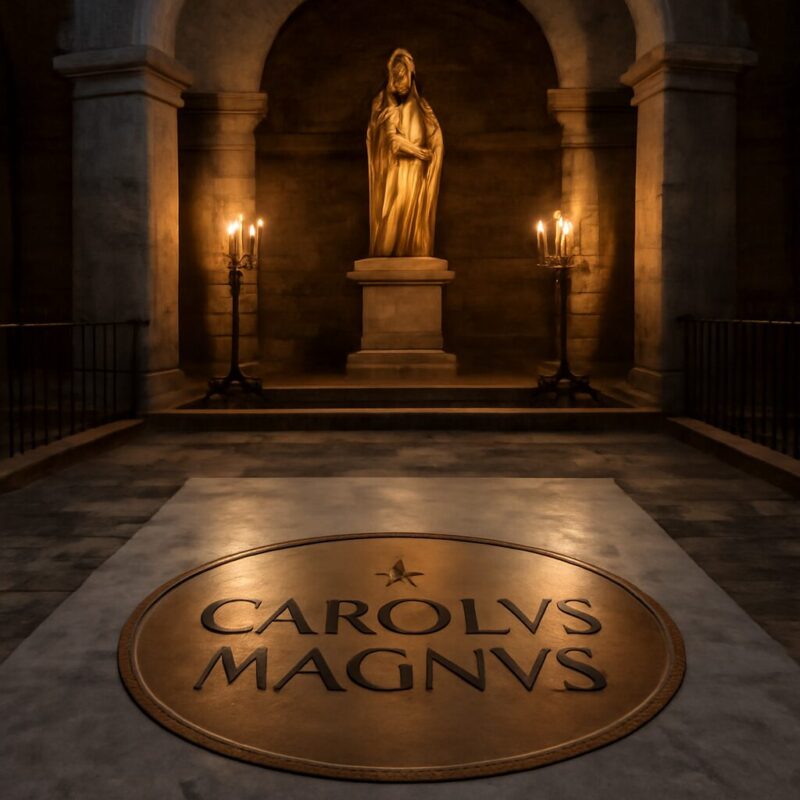
From the medieval period onward, tombs became central to both reverence and power. The Grave of Charlemagne at Aachen and the Imperial Crypt in Vienna house the remains of Holy Roman Emperors and Habsburg rulers. More macabre expressions of mortality are found in places like the Capuchin Catacombs of Palermo. The tombs of revered figures draw continuous pilgrimage, from the Tomb of Dante in Ravenna to the Tomb of Leonardo da Vinci at Amboise. In Paris, the Tomb of Napoleon stands as a monumental tribute to modern ambition, echoing the imperial grandeur of antiquity.