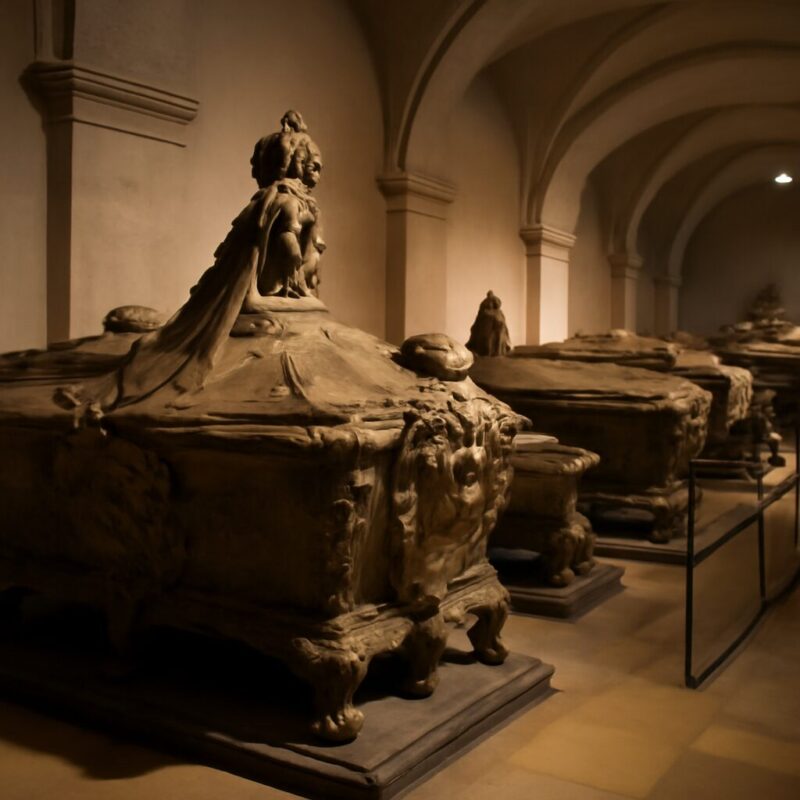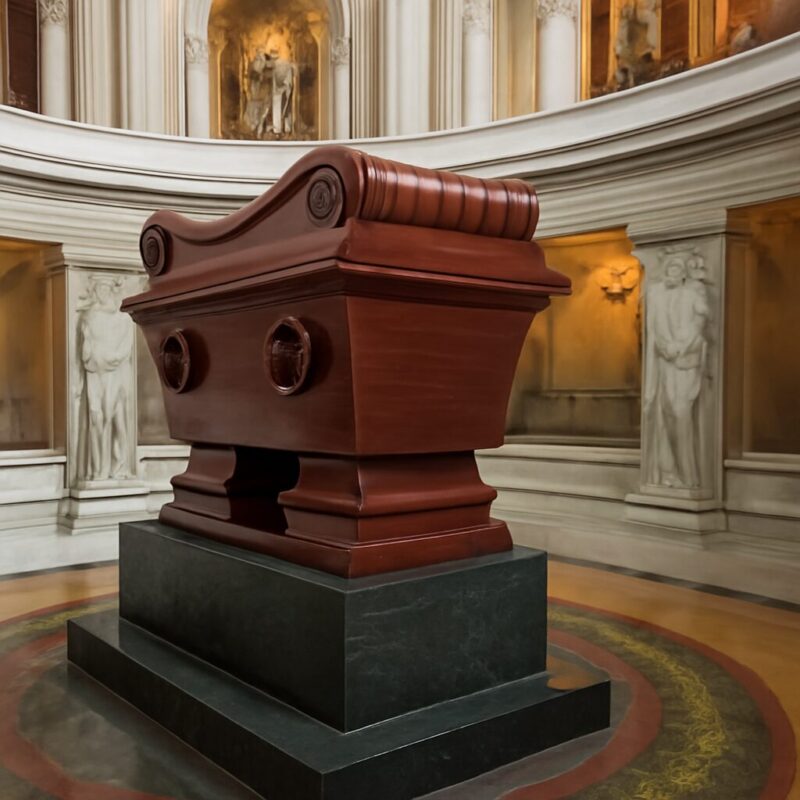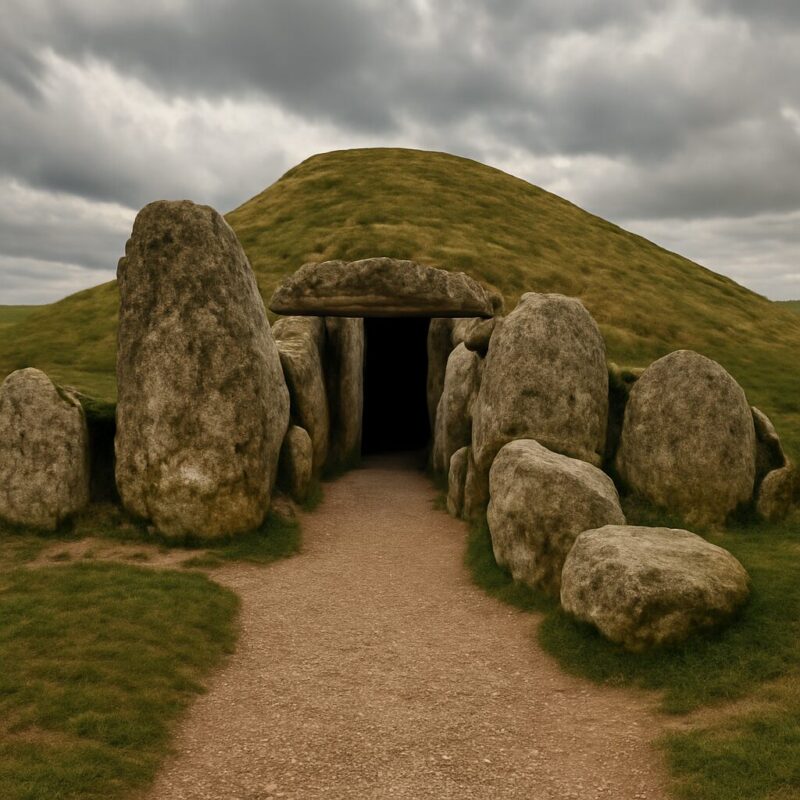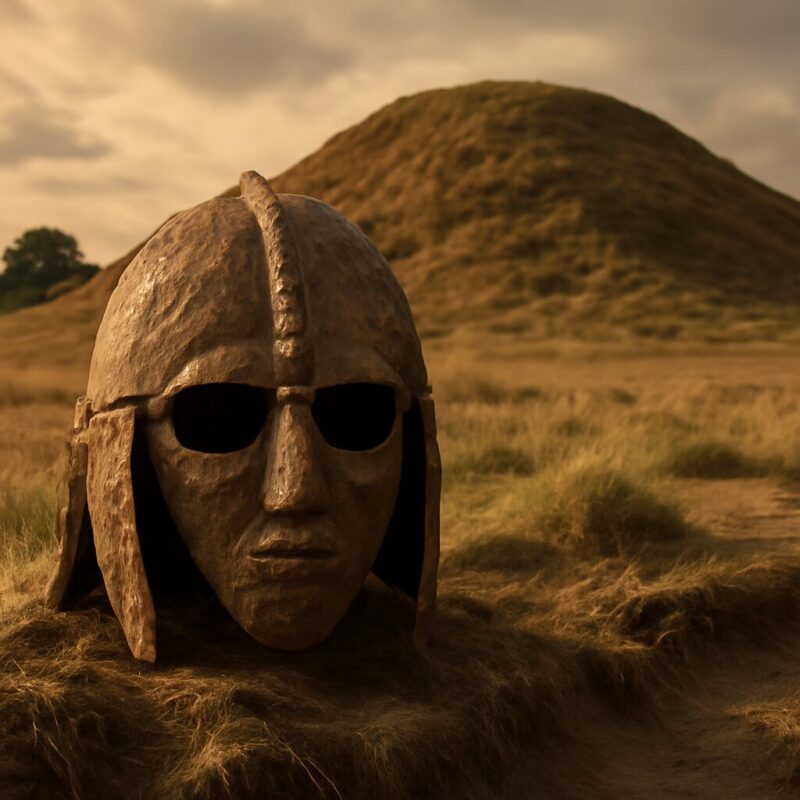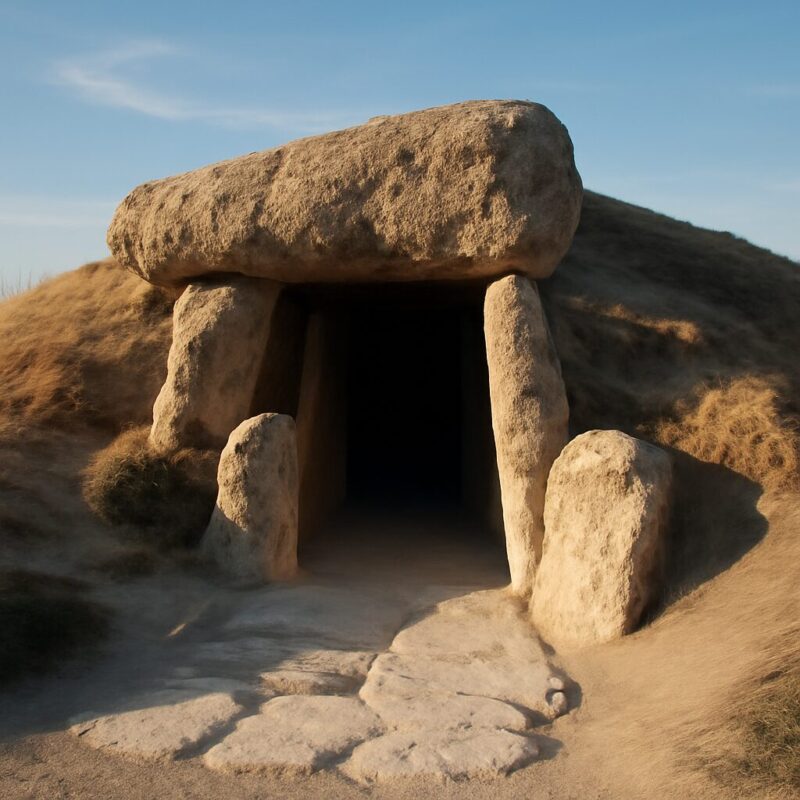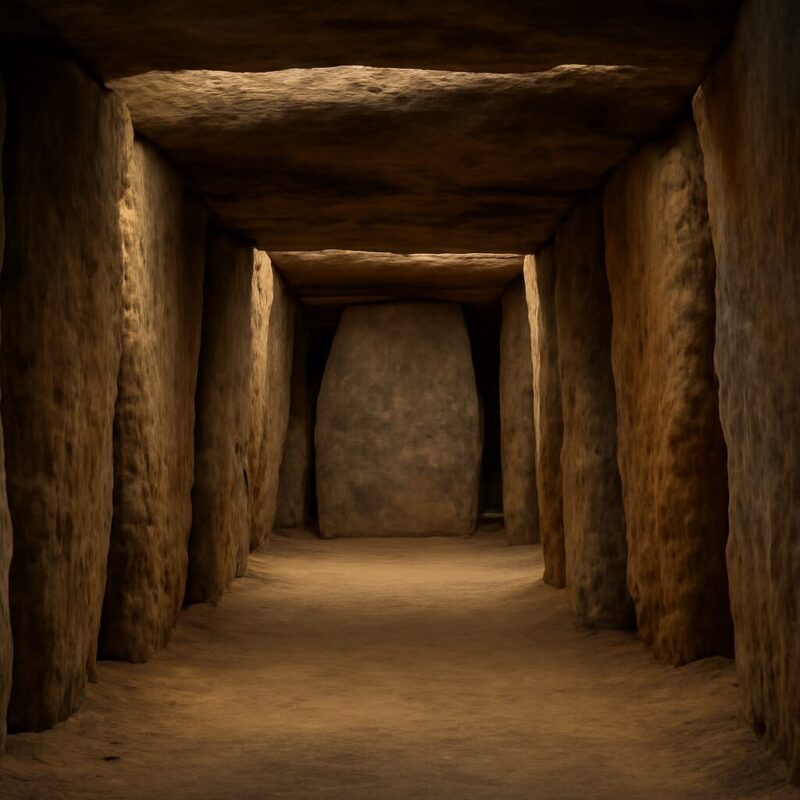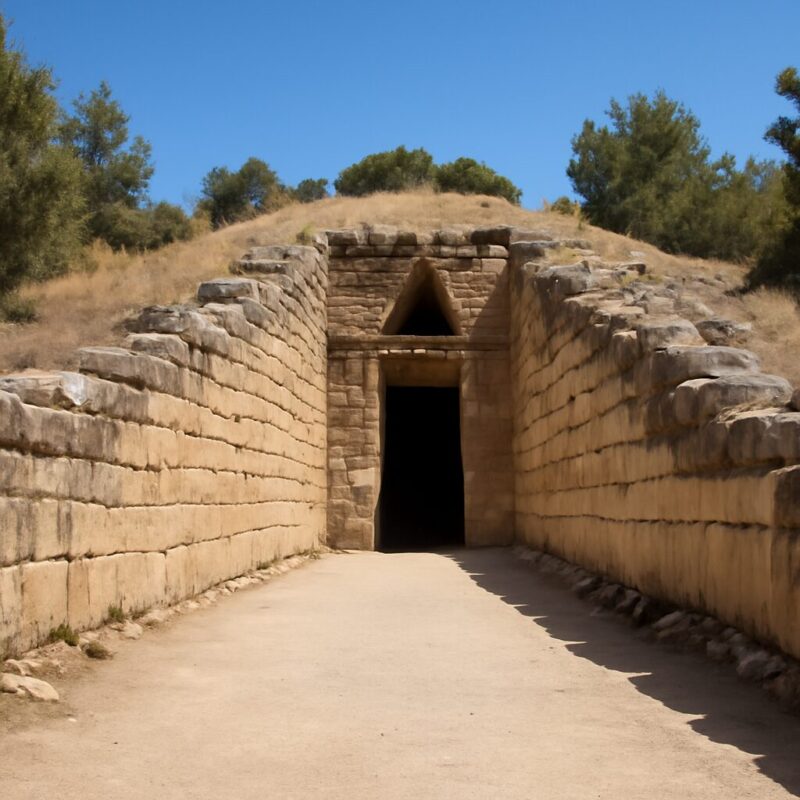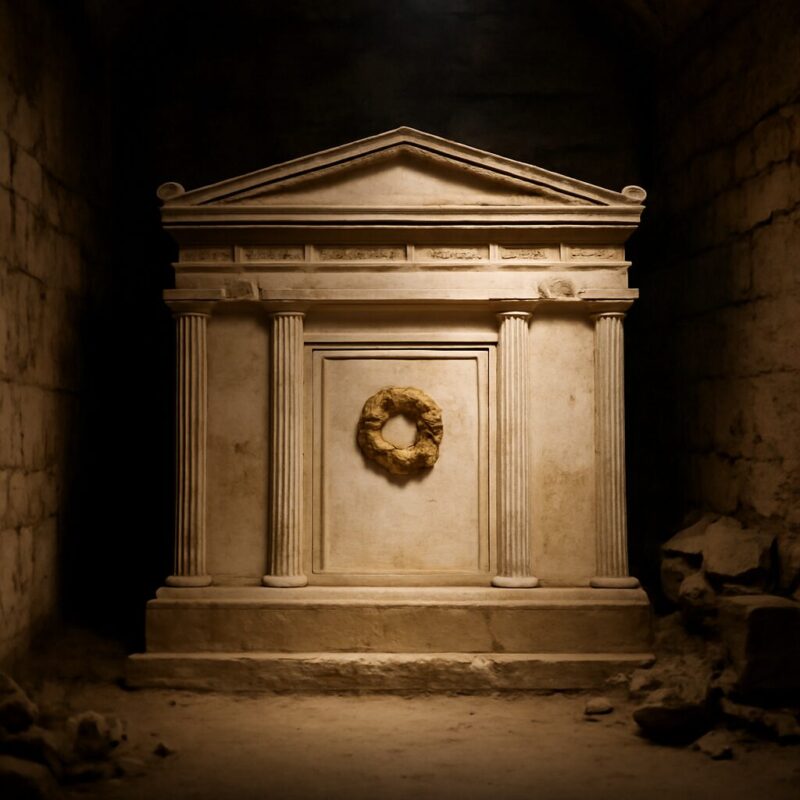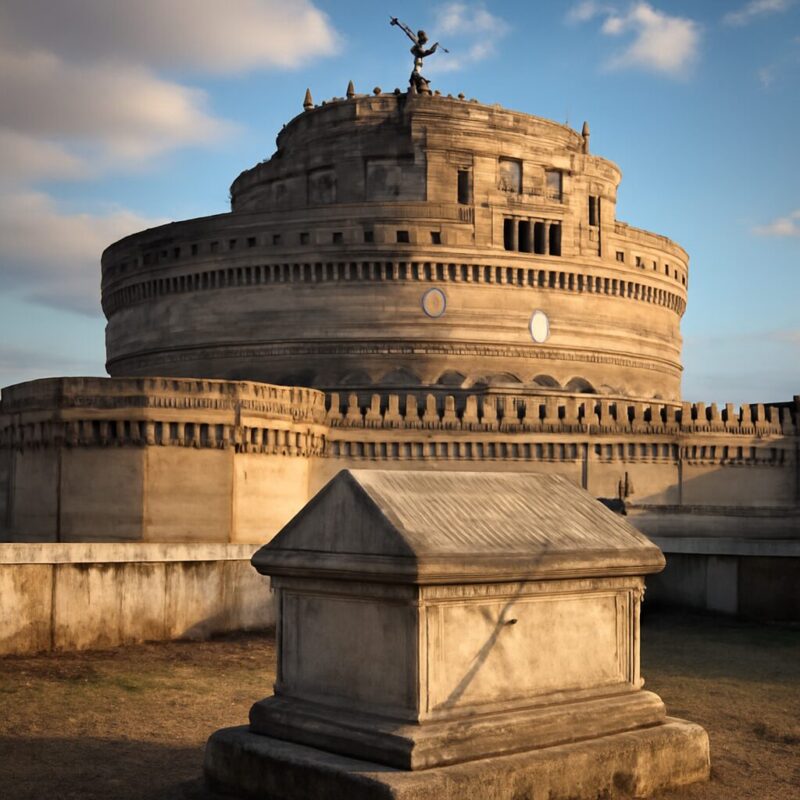
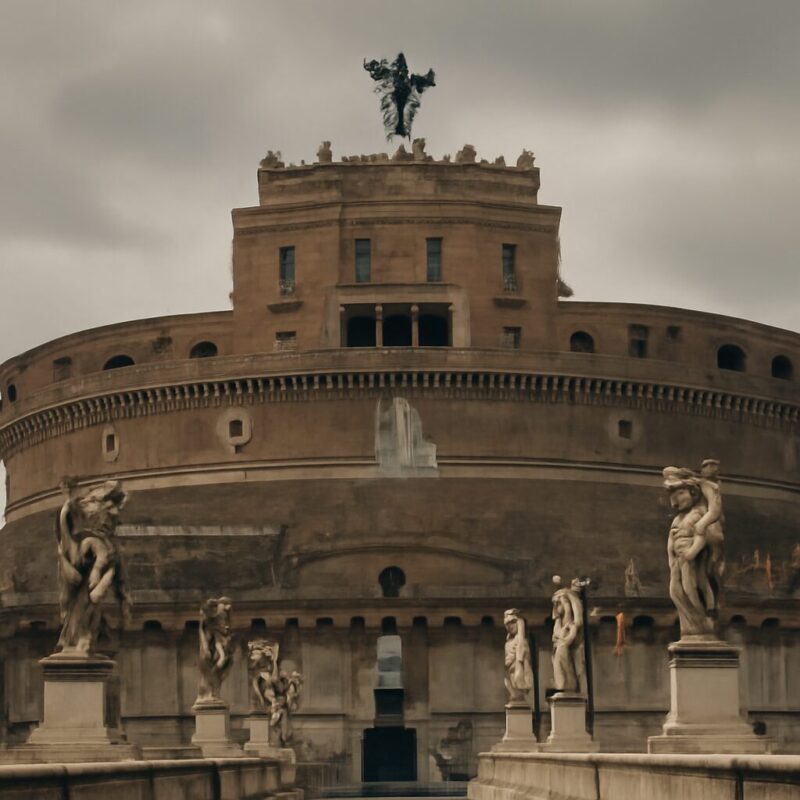
Rising from the banks of the Tiber like a stern sentinel, Castel Sant’Angelo holds Rome’s layered history within its cylindrical walls. It began not as a fortress, but as a tomb—the grand mausoleum commissioned by Emperor Hadrian for himself and his successors, a final, majestic resting place crowned with a statue of the emperor as the sun god. Over centuries, it shed its funerary purpose, transforming into a papal fortress, a prison with cells that whispered with the despair of Renaissance figures like Benvenuto Cellini, and even a lavish papal residence connected to the Vatican by a secret passage. The angel perched at its summit, for which it is now named, watches over a monument that is less a static relic and more a chameleon of stone, its very stones echoing with the ghosts of emperors, popes, prisoners, and soldiers.
Who Built Castel Sant’Angelo?
Who Built Castel Sant’Angelo?
Castel Sant’Angelo was originally commissioned by the Roman Emperor Hadrian in 123 AD. It was constructed as a monumental mausoleum for himself and his family, continuing a tradition of imperial tomb-building in Rome.
Why Was It Built?
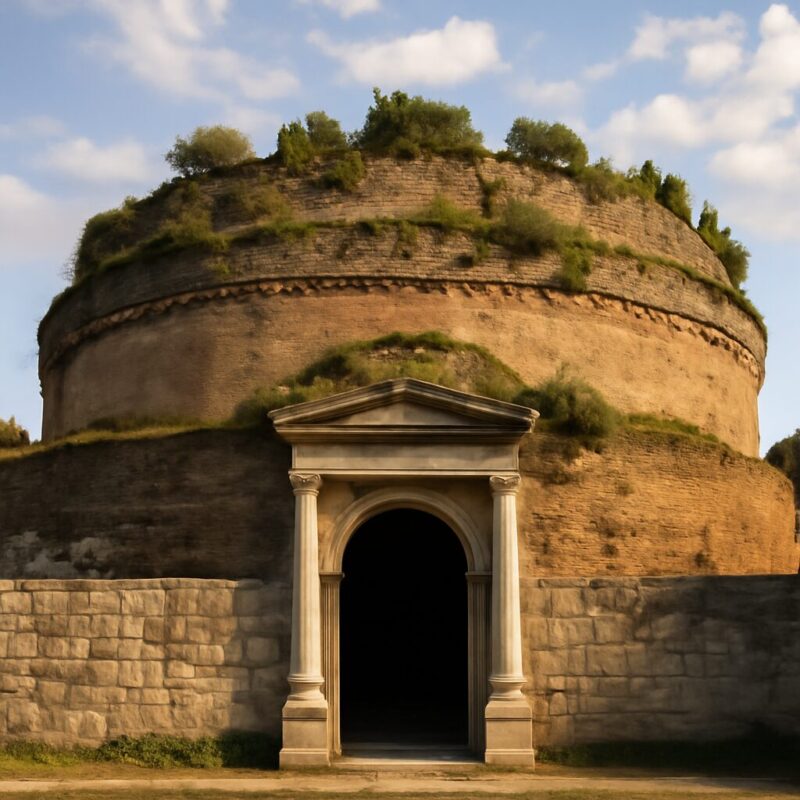
The primary purpose was to serve as an imperial tomb, known as the Mausoleum of Hadrian. Its design, featuring a square base and a cylindrical drum topped with a statue of the emperor, was inspired by earlier mausoleums like the Mausoleum of Augustus. It was situated outside the ancient city boundary, a common practice for tombs in Roman culture, which emphasized grand, eternal monuments to assert the dynasty's power and legacy.
Later History and Other Relevant Tombs
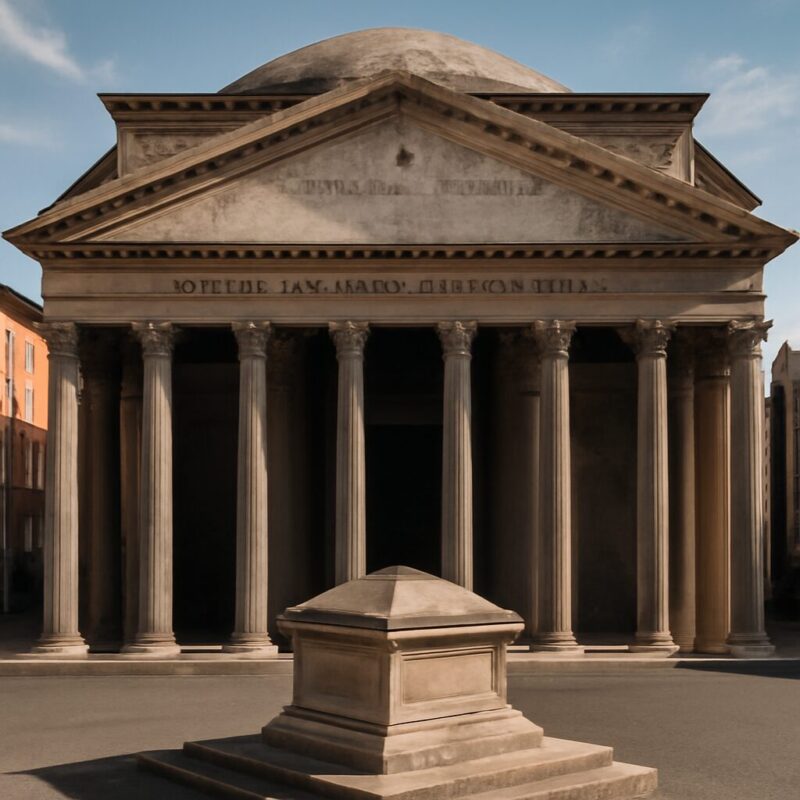
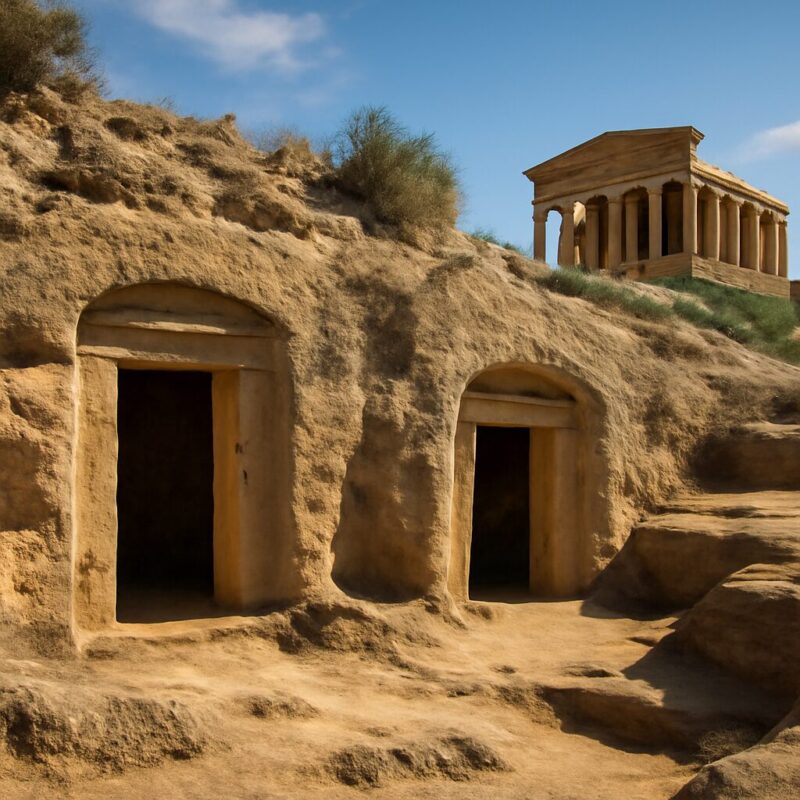
Over centuries, the building's function shifted dramatically from a tomb to a fortress, papal residence, and prison. Its connection to tomb culture is most direct in its origins. Emperor Hadrian, who also built the Pantheon (which later served as a tomb for notable figures including Raphael), was part of a long lineage of rulers who constructed vast funerary monuments. This practice spans cultures, from the Pyramid of Khafre in Egypt to the Ming Tombs in China.
What Else Did Hadrian Build?
While not a tomb, Hadrian's most famous surviving architectural project is the Pantheon in Rome. In the context of tomb architecture from the provided list, a direct parallel in function and form is the Mausoleum of Augustus, built by Rome's first emperor, which set the precedent Hadrian followed.