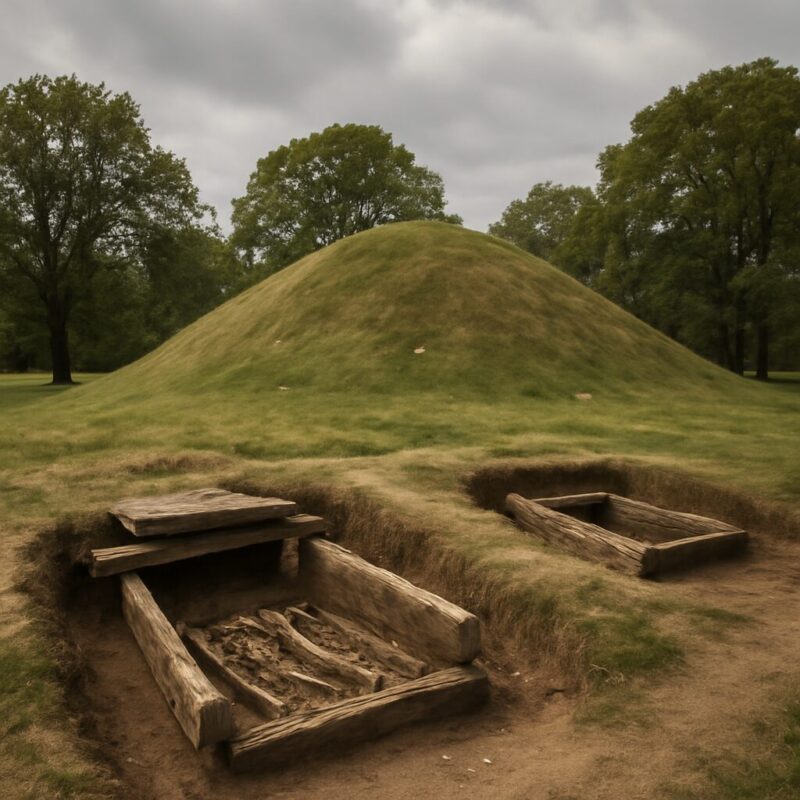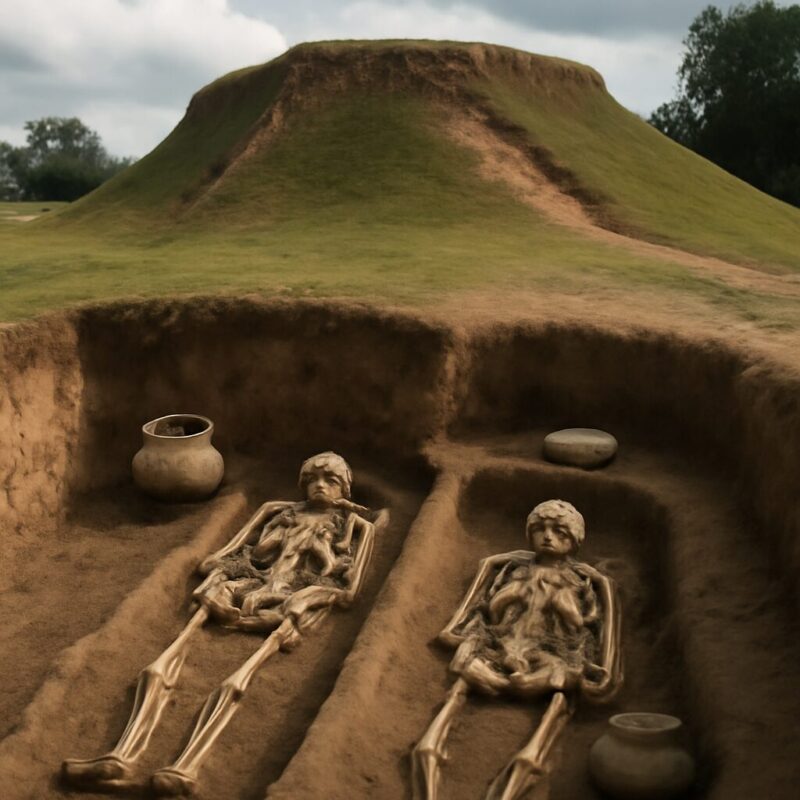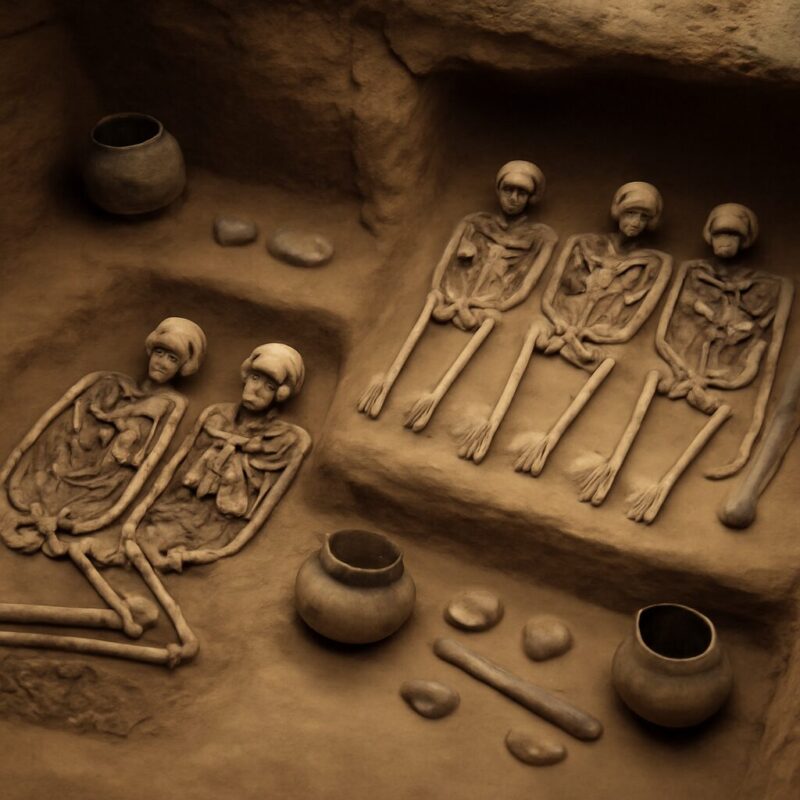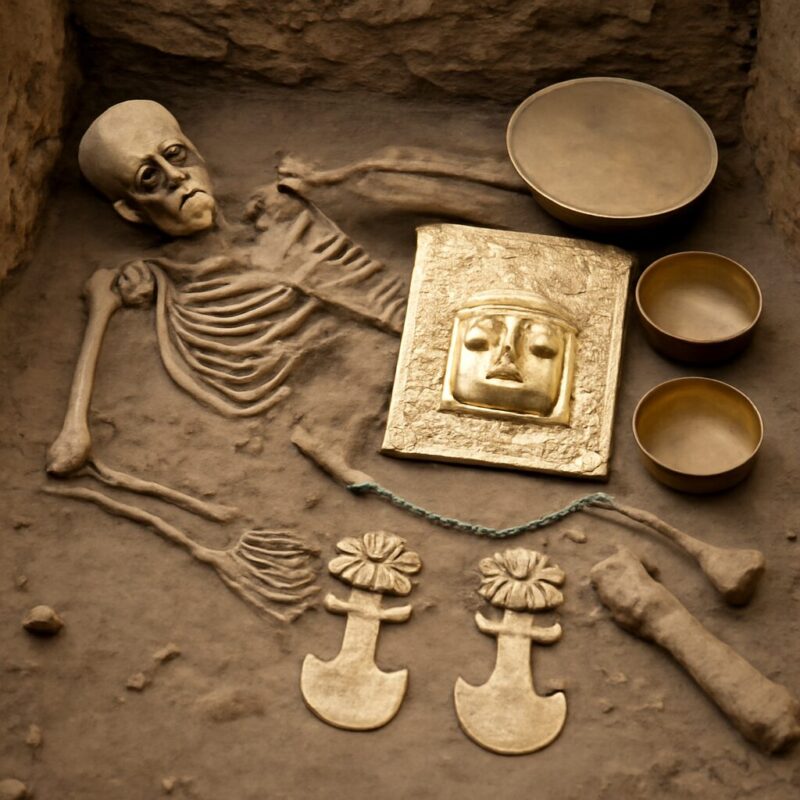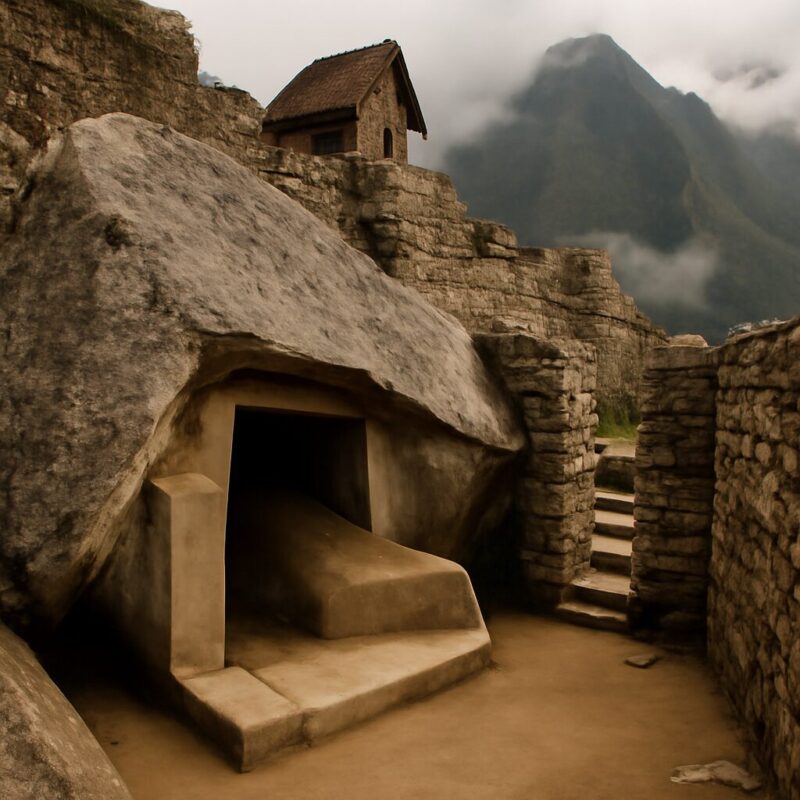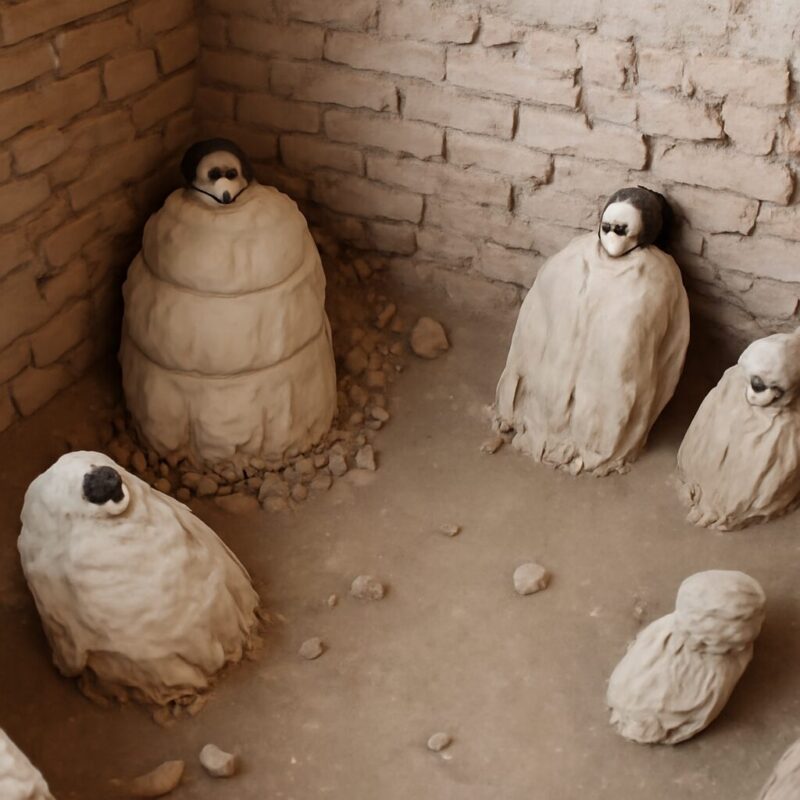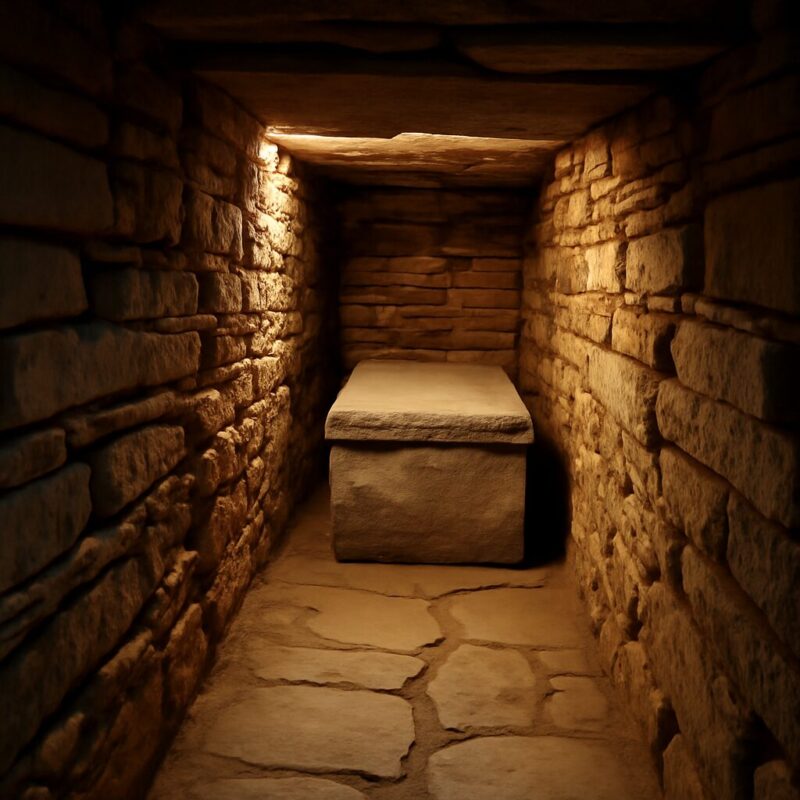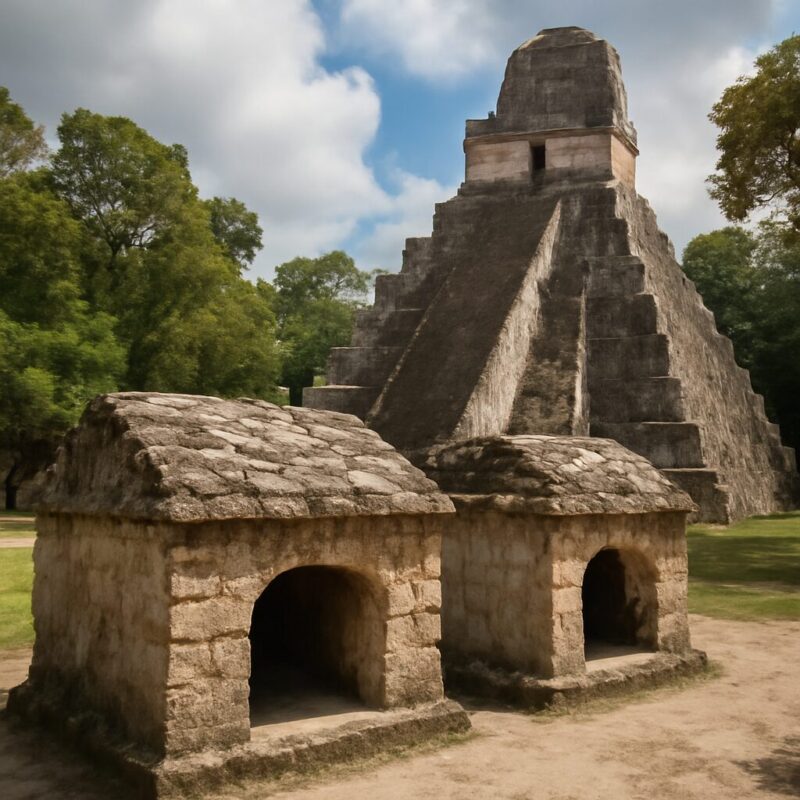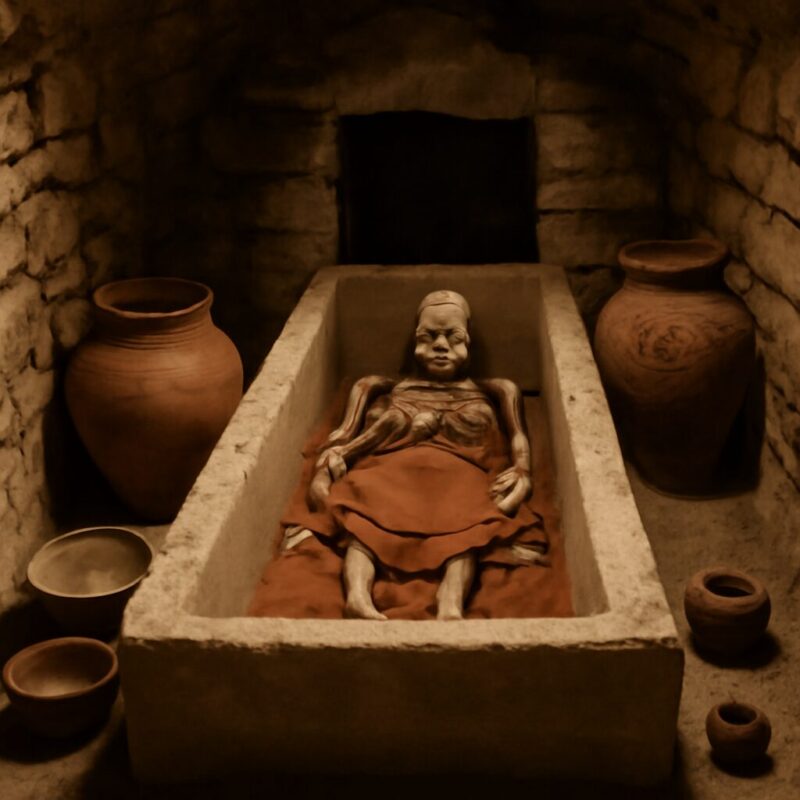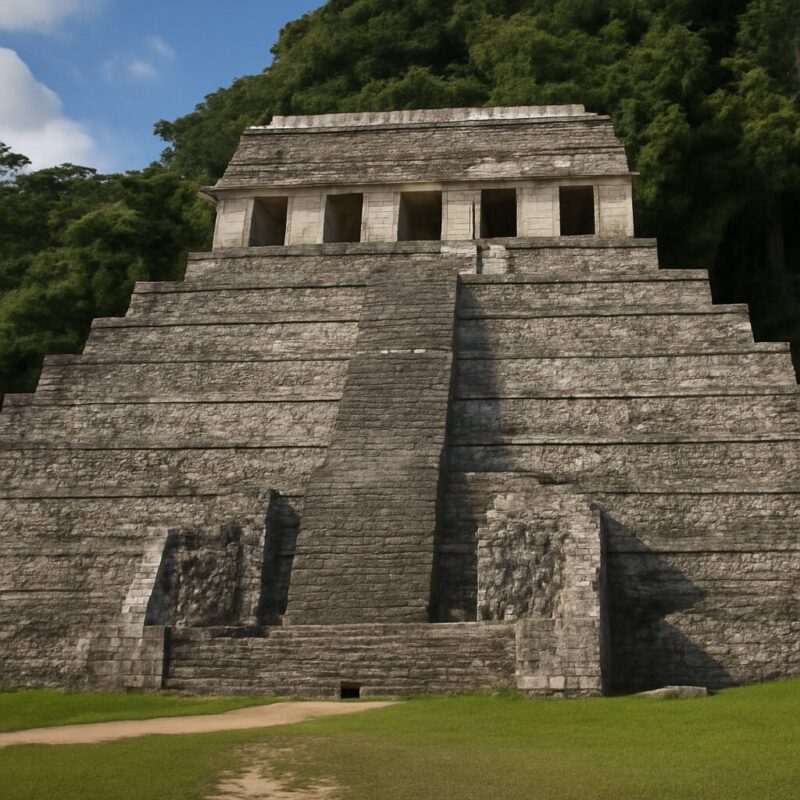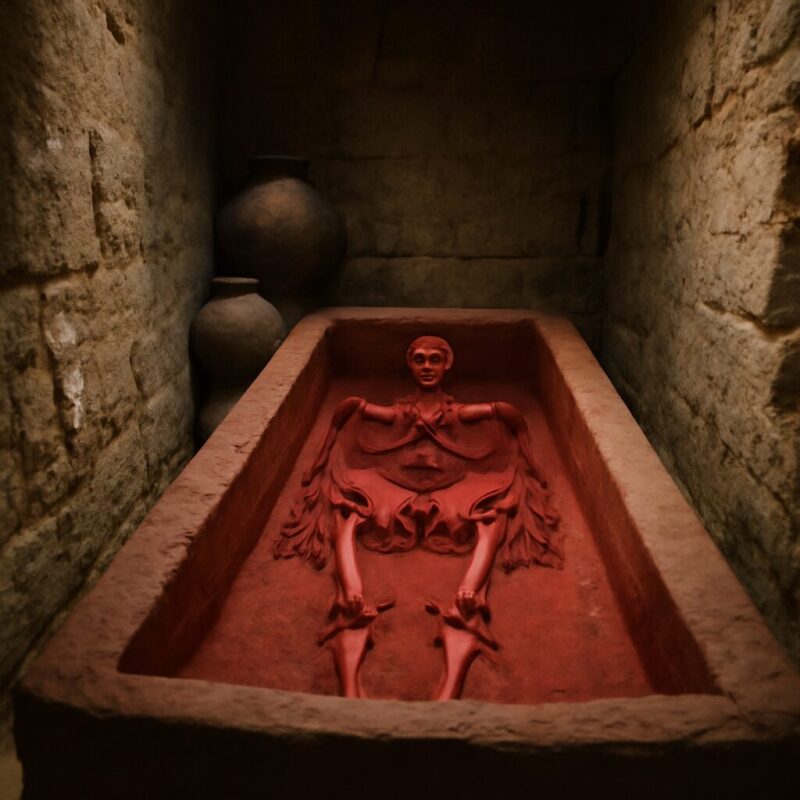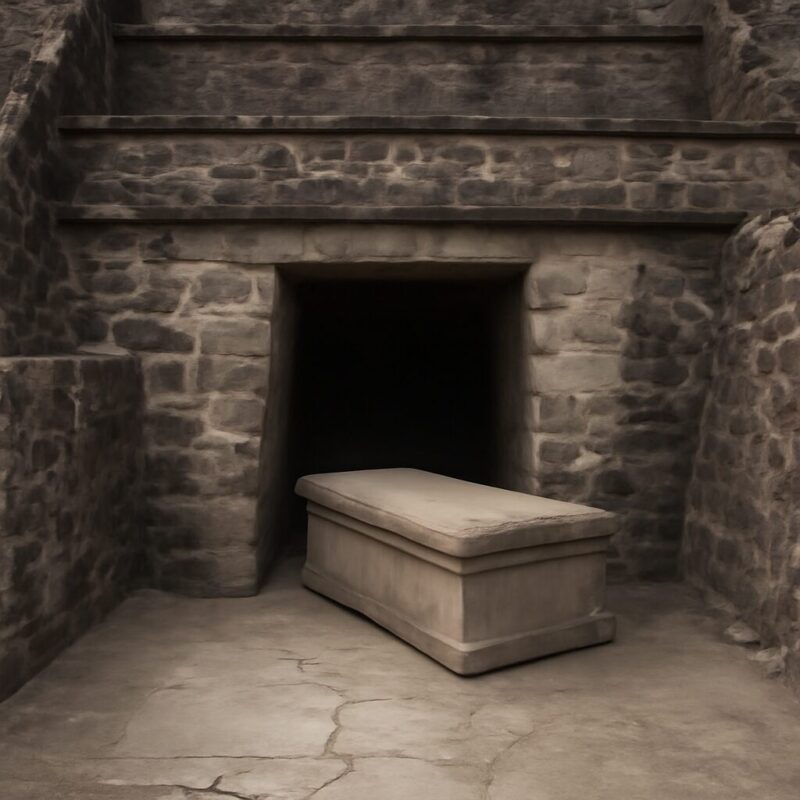
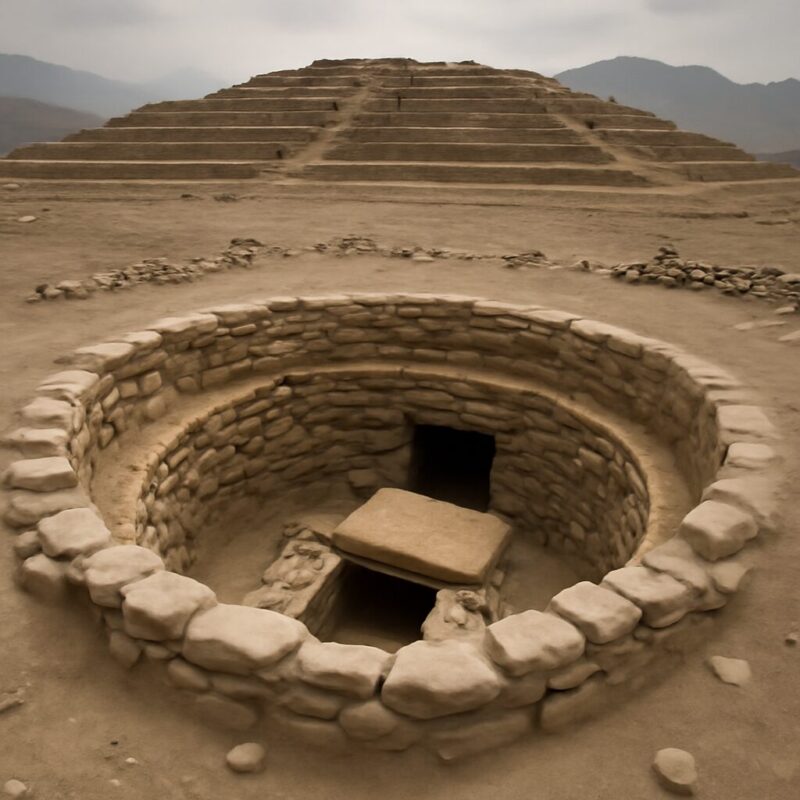
Imagine a city older than the pyramids, rising from a sun-baked desert valley in Peru. This is Caral, the cradle of Andean civilization. Its tombs, unlike the later, gold-laden burials of the Inca, whisper a different story. They are simple, subterranean chambers lined with stones or reeds, holding individuals curled in a fetal position as if returning to the earth. The true treasure here isn't glittering metal, but the profound absence of it. These graves contain offerings of simple seeds, worn tools, and intricate necklaces made of shells laboriously brought from distant shores. In their quiet humility, the Caral tombs speak volumes: they tell of a society that, five thousand years ago, valued collective labor, sacred music, and celestial harmony over individual wealth, laying the spiritual foundations for an entire continent.
Who Built Caral tombs?
Who Built the Caral Tombs?
The tombs at Caral were built by the people of the Norte Chico civilization, also known as the Caral-Supe civilization. This culture flourished in the Supe Valley of north-central coastal Peru from approximately 3000 BCE to 1800 BCE, making it one of the oldest known complex societies in the Americas.
Why Were They Built?
The tombs were constructed as part of a sophisticated urban and ceremonial complex. They were likely intended for individuals of high status, such as religious or political leaders. The burial practices and the effort put into tomb construction reflect a complex belief system concerning ancestry, the afterlife, and the social hierarchy. Interring important figures within the monumental architecture of the city served to legitimize authority and connect the living community to its ancestral and spiritual foundations.
The Caral-Supe Culture and Other Constructions
The Caral-Supe civilization is renowned not for elaborate, treasure-filled tombs like later Andean cultures, but for its monumental architecture and urban planning. The city of Caral itself is a vast complex of pyramids, plazas, residential areas, and temples. Key structures include the Great Pyramid of Caral and the Amphitheater Temple. Their architectural achievements demonstrate advanced knowledge of engineering, acoustics, and astronomy, focusing on large-scale public and ceremonial buildings rather than ornate individual tombs.
Related Tombs from Other Andean Cultures
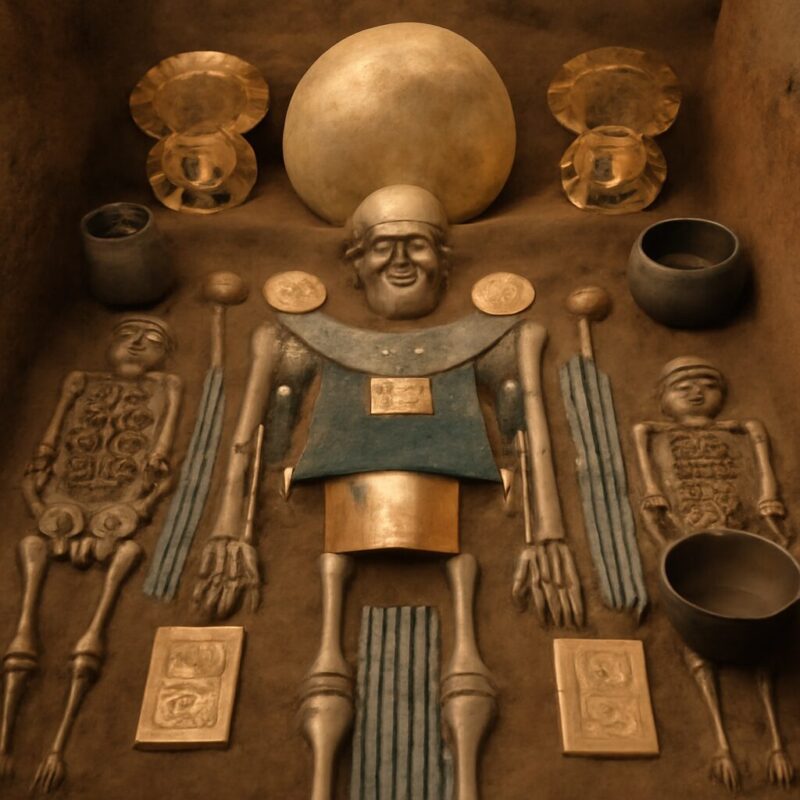
While the Caral tombs are relatively simple, later cultures in the Andes developed more elaborate burial traditions for their elite. A highly relevant and famous example from the Moche culture, which thrived much later on the north coast of Peru, is the Lord of Sipan tomb. This discovery revealed an incredibly rich burial with vast quantities of gold, silver, and ceremonial regalia, showcasing the evolution of tomb complexity and wealth in the region.