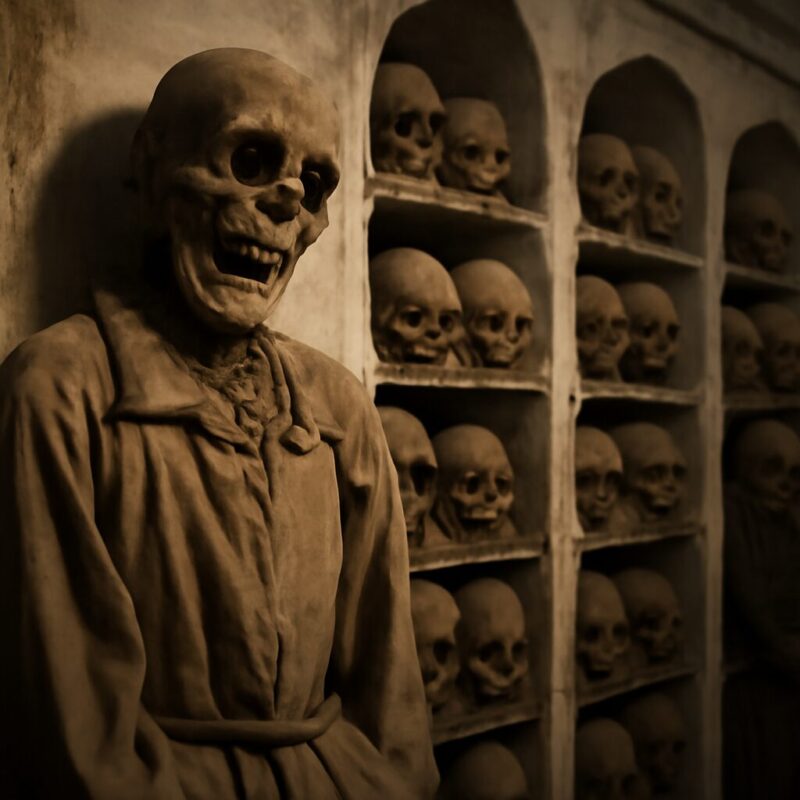
Step into the silent, subterranean world beneath Palermo’s Capuchin monastery, and you’ll find a spectacle that is both macabre and strangely intimate. The Capuchin Catacombs are not a collection of bones, but a gallery of the dead, where thousands of bodies from the 16th to 20th centuries stand, recline, and hang in their period attire. The dry air preserved them, turning skin to leather and features into haunting masks. They are arranged by profession and social class—soldiers in uniform, priests in vestments, virgins with withered flower crowns—creating a chilling, silent census of a bygone society. It’s a profound and unsettling meditation on mortality, where visitors don’t just see history; they stare directly into its face.
Who Built Capuchin Catacombs?
Who Built the Capuchin Catacombs?
The Capuchin Catacombs of Palermo, Italy, were created by the local friars of the Capuchin monastic order. The initial burial crypt was constructed in the late 16th century, following the discovery that the friars' cemetery had limited space. The first body to be interred there was that of Friar Silvestro da Gubbio in 1599.
Why Were They Built?
The catacombs were built out of a practical need for a new burial site, but they evolved into a profound cultural and religious expression. The Capuchins developed a unique mummification process to preserve the bodies of their deceased brethren. This practice, rooted in the Catholic belief in the sanctity of the body and the resurrection of the dead, allowed the community to keep their departed "present." Over centuries, the custom expanded to include laypeople—wealthy citizens, professionals, and even children—who paid for the privilege of being preserved and displayed in their finest attire, turning the catacombs into a macabre social chronicle of Palermo.
Related Tombs of Note
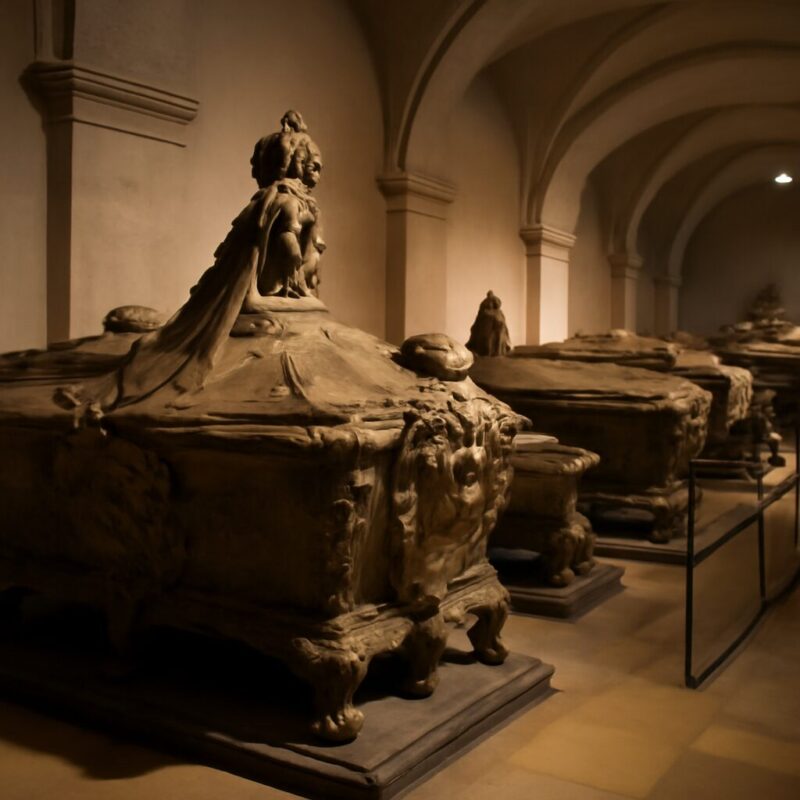
While the Capuchin Catacombs are unique in their public display of mummies, other cultures have created elaborate underground necropolises or crypts for collective burial and veneration. One highly relevant example from your list is the Imperial Crypt in Vienna, which served as the principal burial site for the Habsburg dynasty, housing ornate sarcophagi in a subterranean space, reflecting a different form of dynastic and sacred interment.