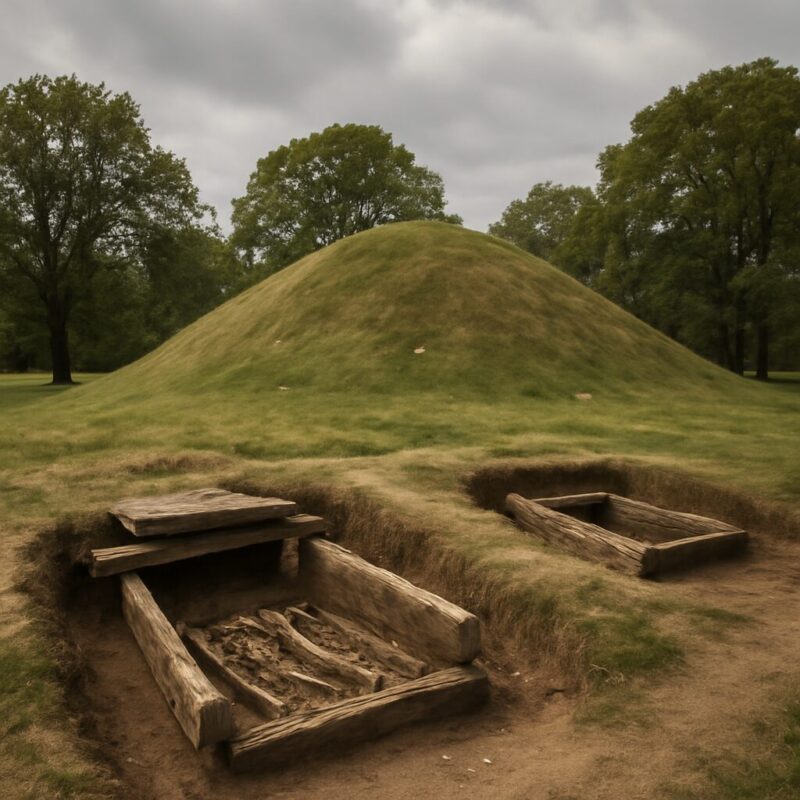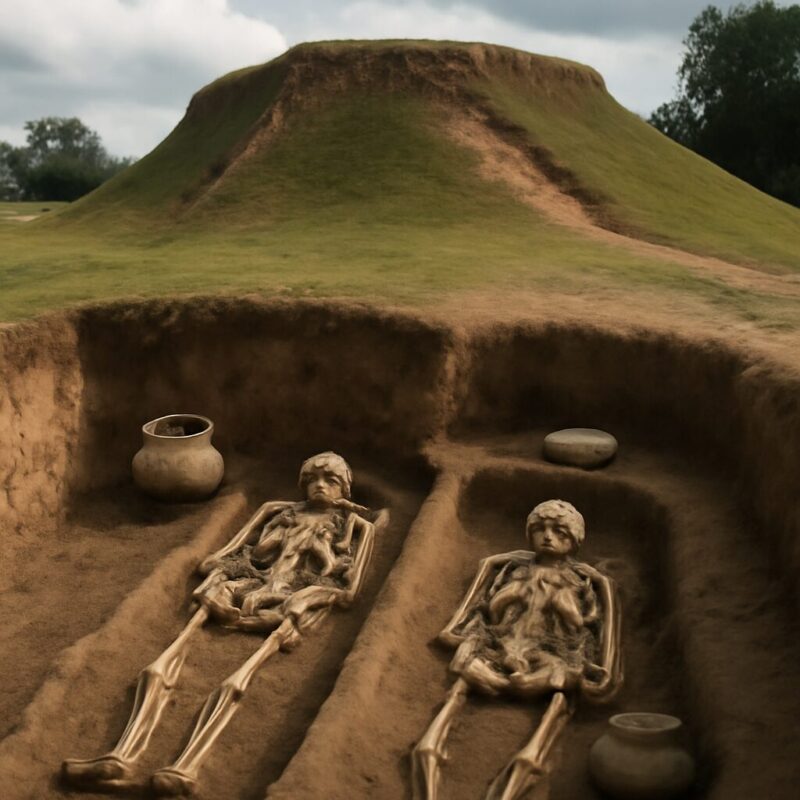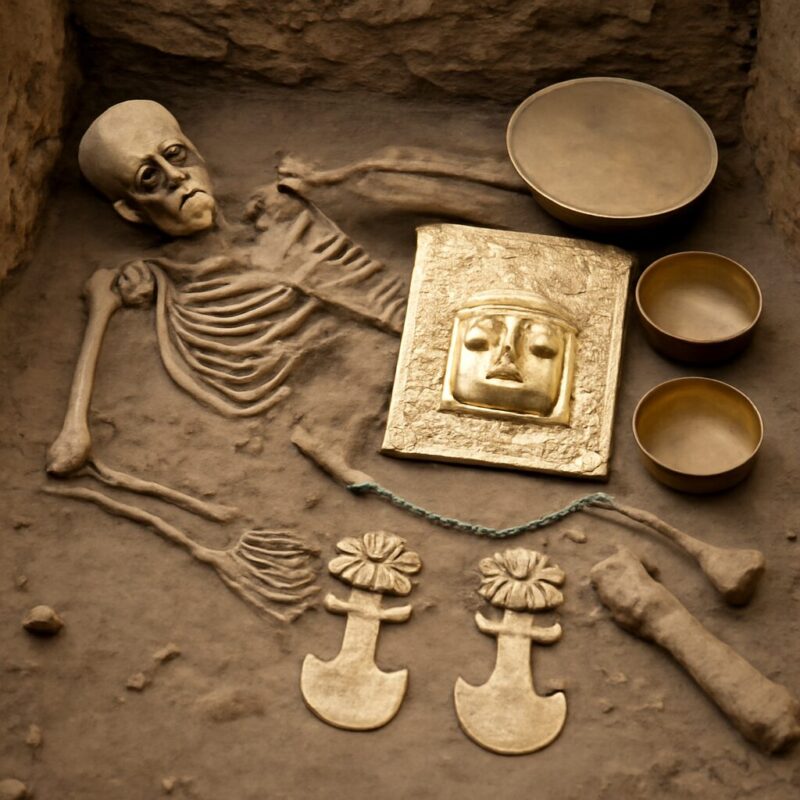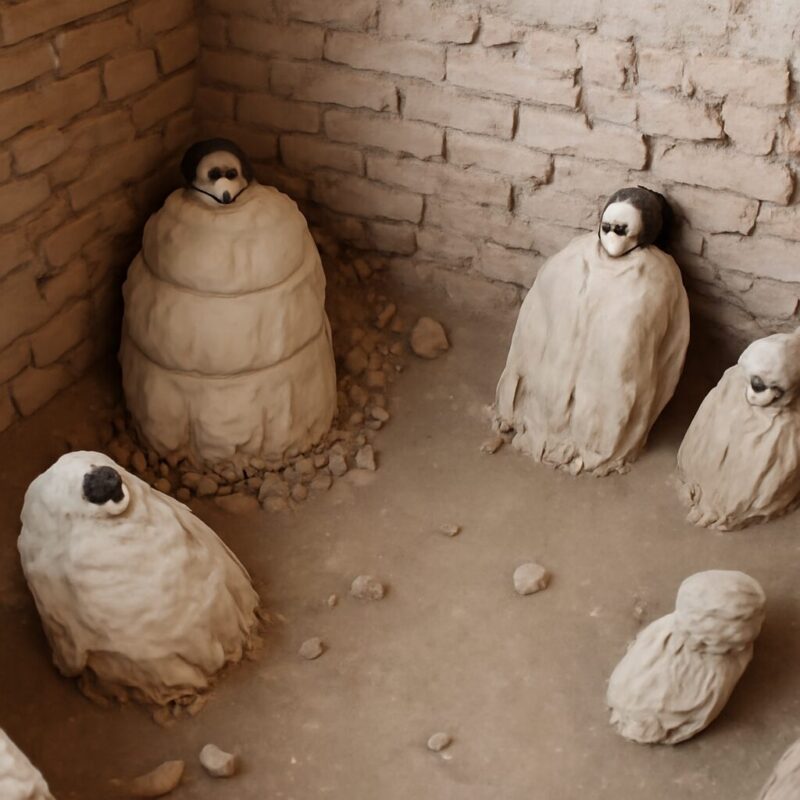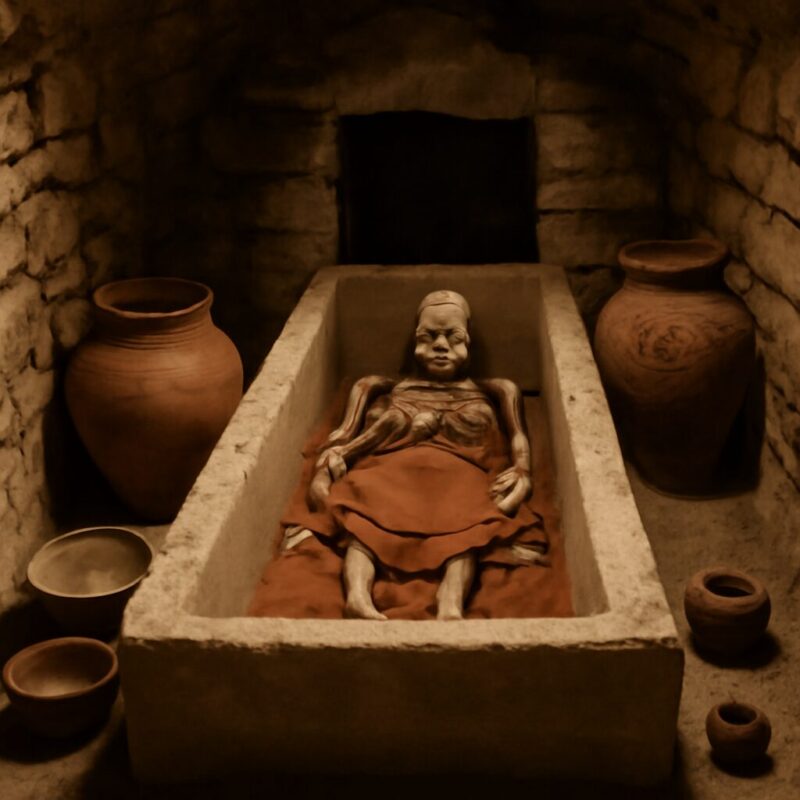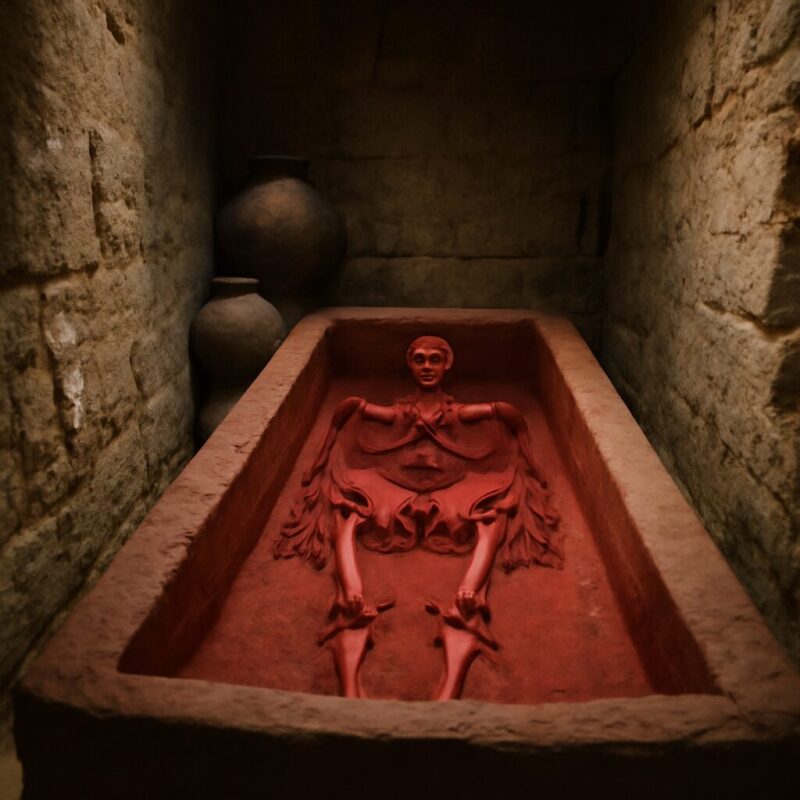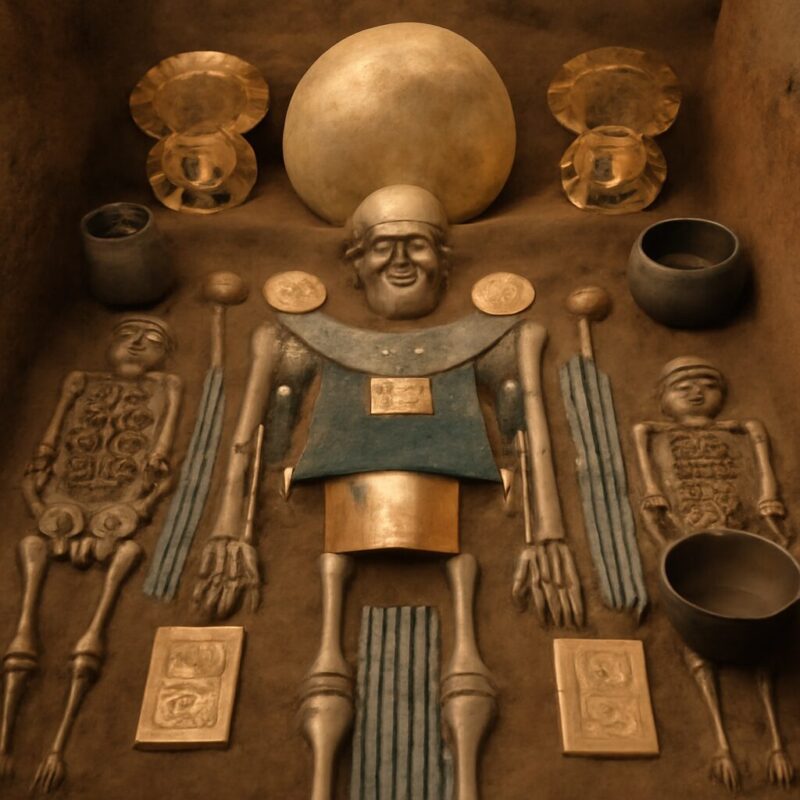
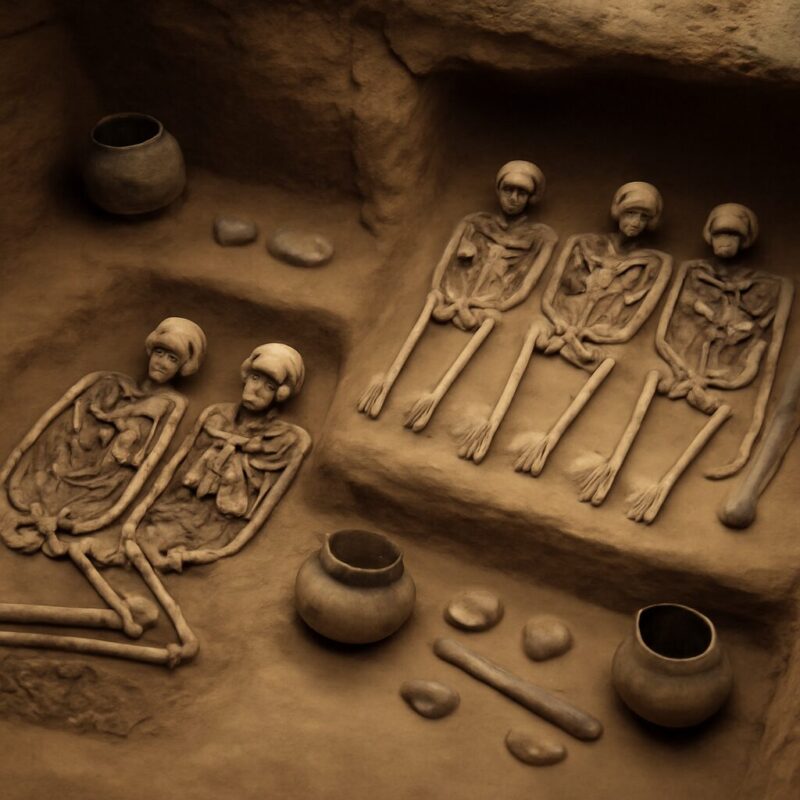
Imagine a city of earth, where the horizon is shaped by human hands. At Cahokia, beneath what is now called Mound 72, the soil holds a story of power and ceremony that still whispers. Archaeologists found a high-status man laid upon a blanket of thousands of shell beads, like a cape of shimmering sea-light. But the narrative darkens; nearby, the remains of over fifty young women were arranged in neat, grim rows, suggesting a mass sacrificial rite to accompany this ruler into the afterlife. Other pits revealed groups of men and women, some beheaded, others buried with the honored dead—perhaps retainers, war captives, or offerings to the gods. This mound isn't just a grave; it's a stark monument to the spiritual and political might of a thriving, complex society that once pulsed where the Mississippi and Missouri rivers meet.
Who Built Cahokia Mound burials?
Who Built the Cahokia Mounds?
The Cahokia Mound burials were built by the Mississippian culture, a sophisticated pre-Columbian Native American civilization that flourished in what is now the Midwestern, Eastern, and Southeastern United States from approximately 800 to 1600 CE. The site of Cahokia itself, located near present-day Collinsville, Illinois, was the largest and most influential urban settlement of this culture.
Purpose of the Mound Burials
The mounds served multiple purposes, functioning as platforms for important buildings, stages for public ceremonies, and, crucially, as burial sites for the elite. The burials within the mounds, particularly under Monks Mound and in Mound 72, reveal a complex society with a powerful ruling class. These tombs contained high-status individuals, sometimes accompanied by elaborate grave goods and even sacrificial retainers, indicating a belief in an afterlife and the use of burial practices to legitimize social hierarchy and political power.
Other Related Constructions
The Mississippian culture, often referred to broadly as the Mound Builders, constructed similar earthworks across North America. Their architectural legacy is primarily defined by these large platform, ridgetop, and conical mounds used for ceremonial and burial purposes.
For more information on the broader tradition of mound building in North America, you can explore the related page on Mound Builder burials. Another significant site built by a later, related culture in the Southeastern United States is detailed at Etowah Mound burials.