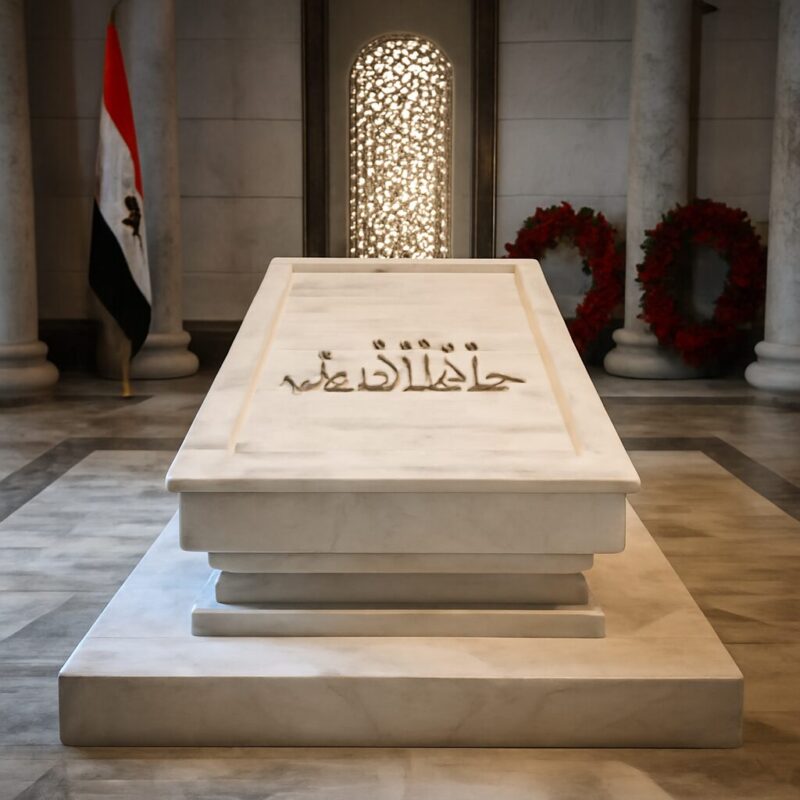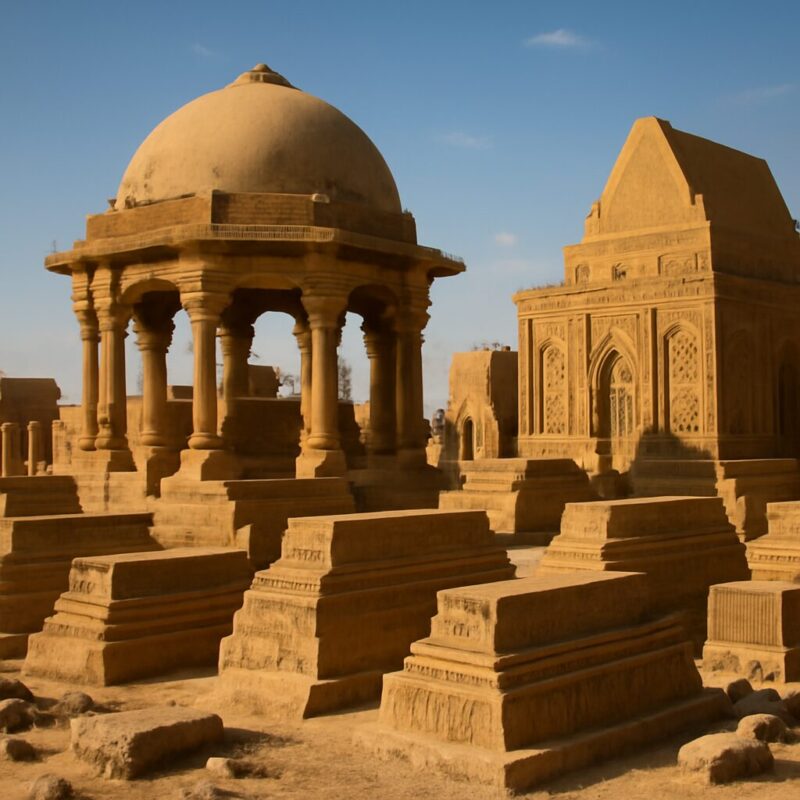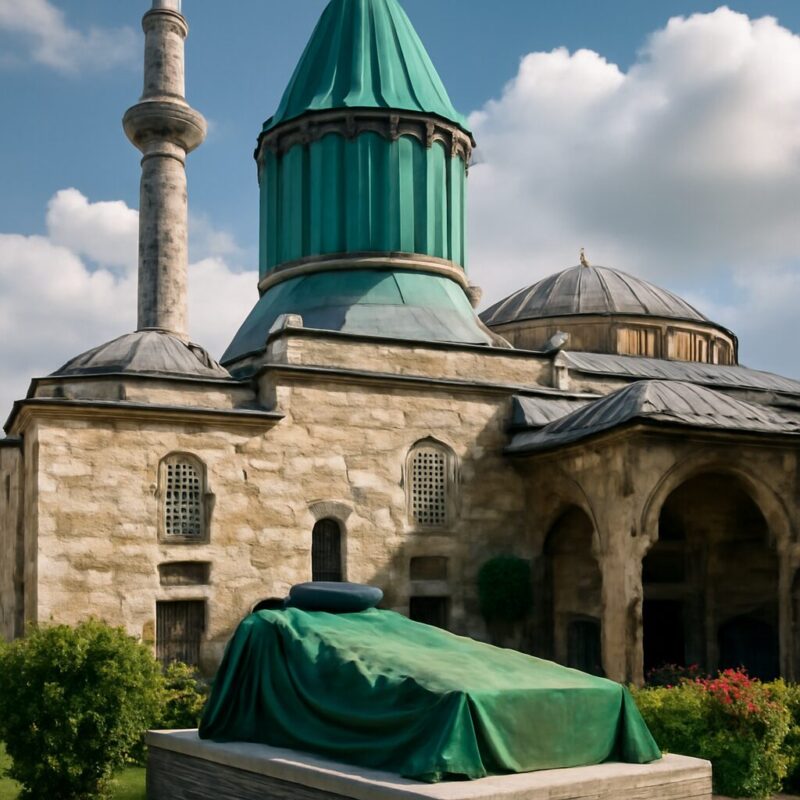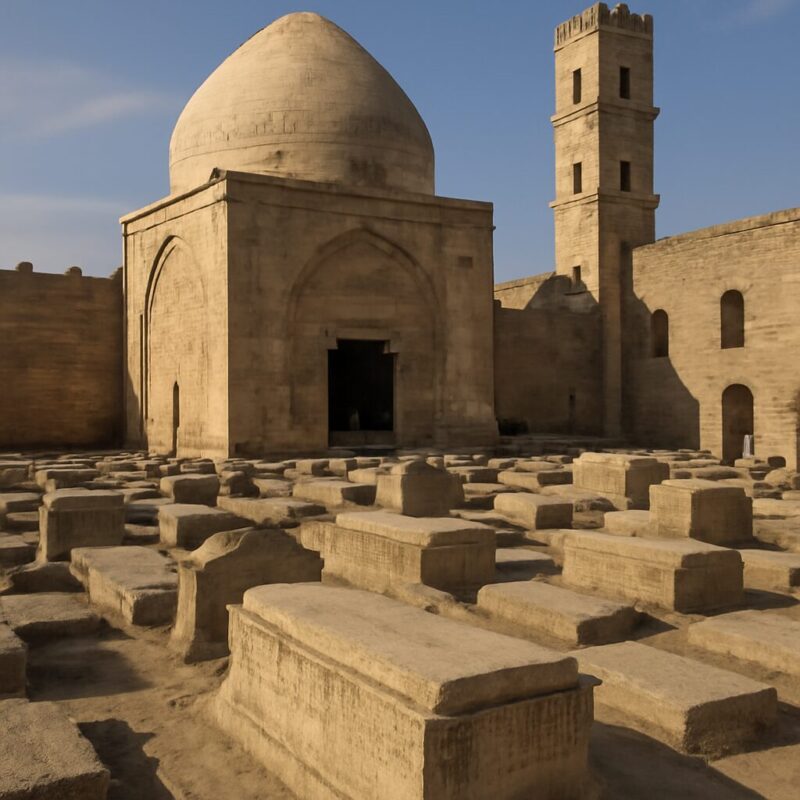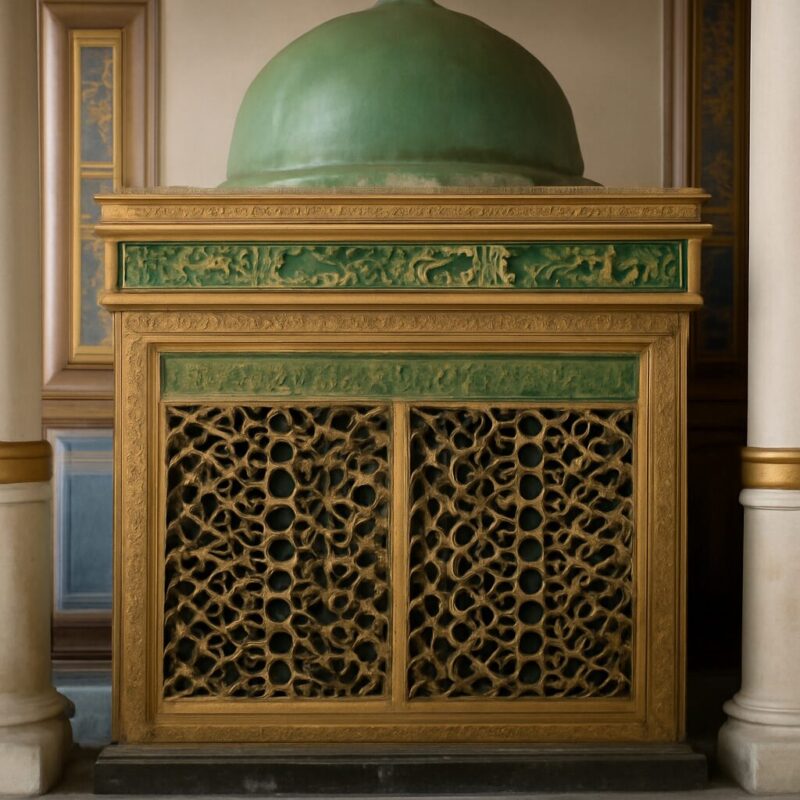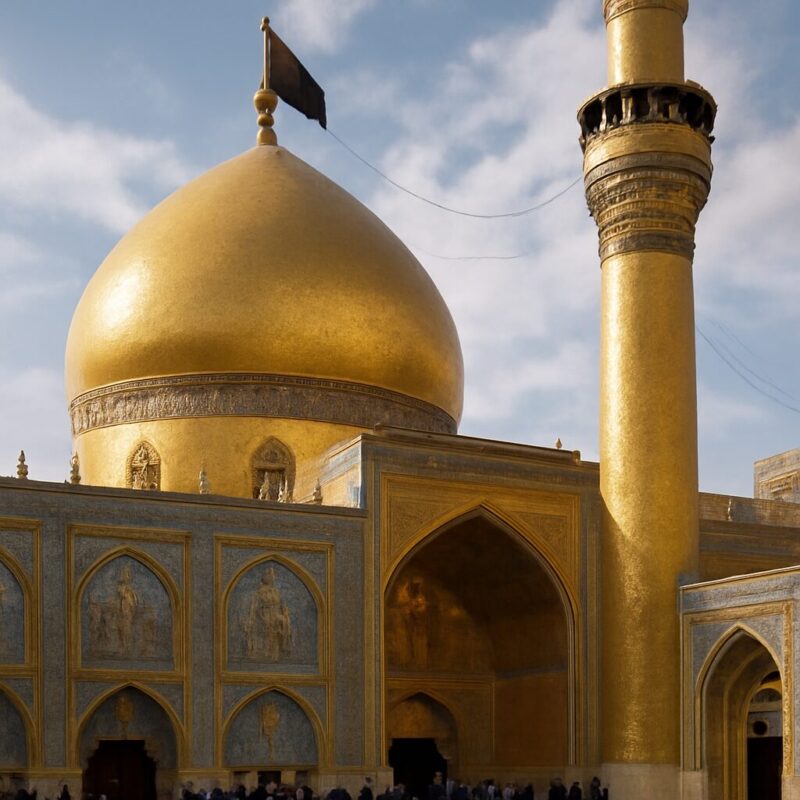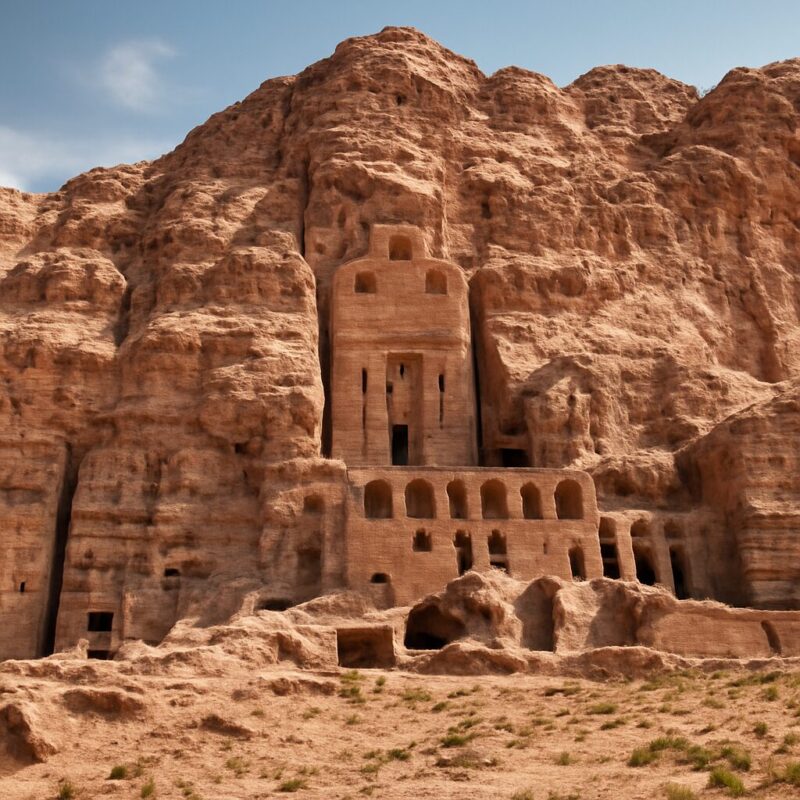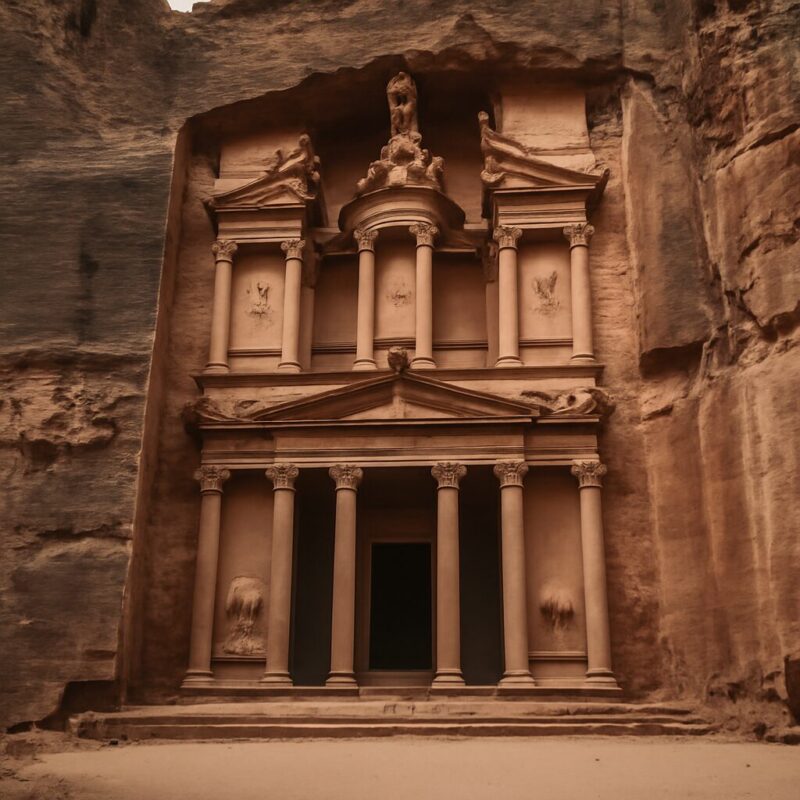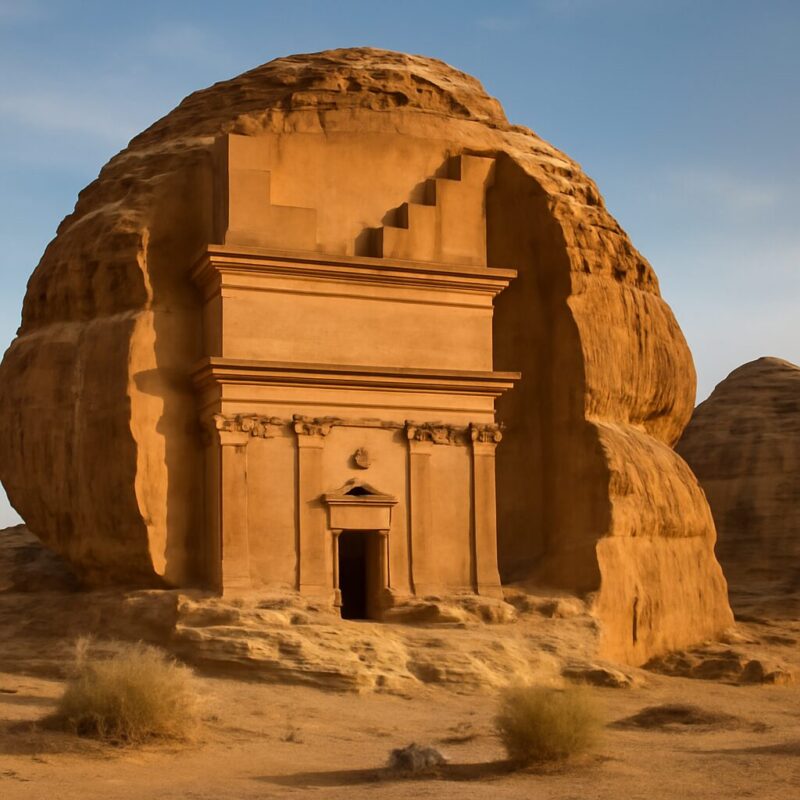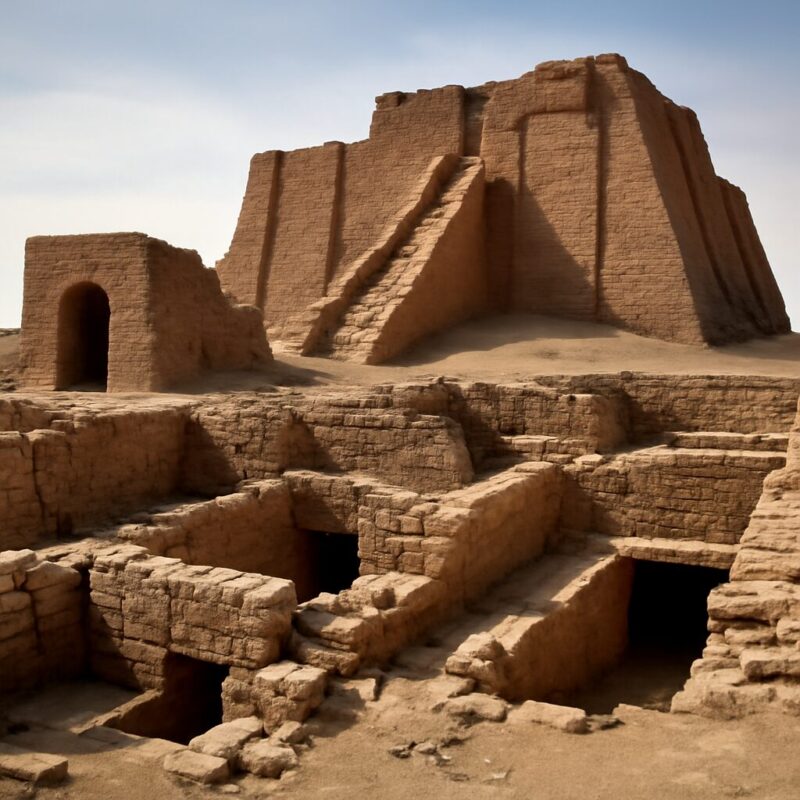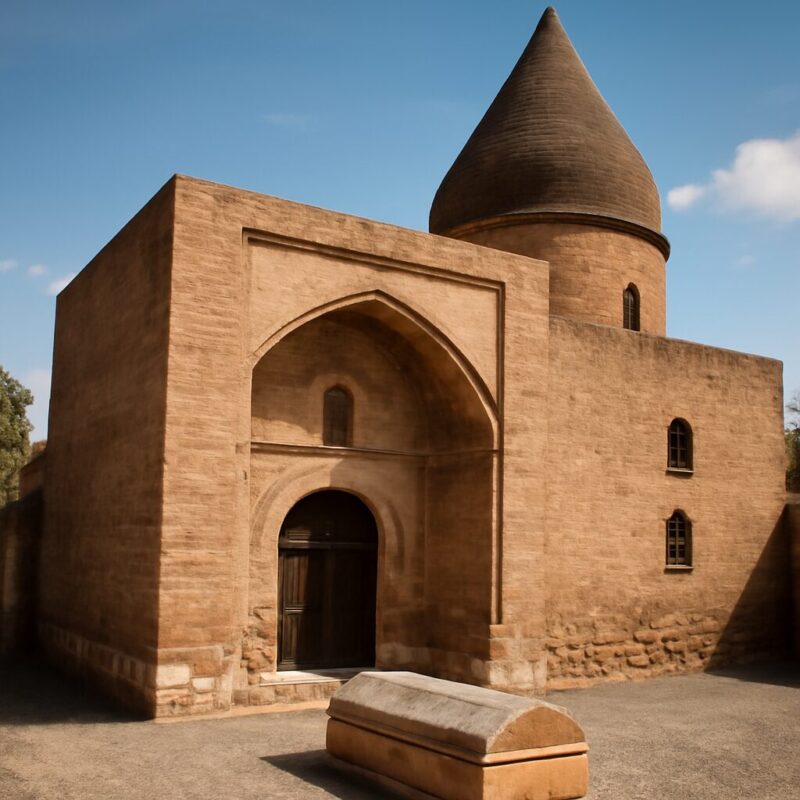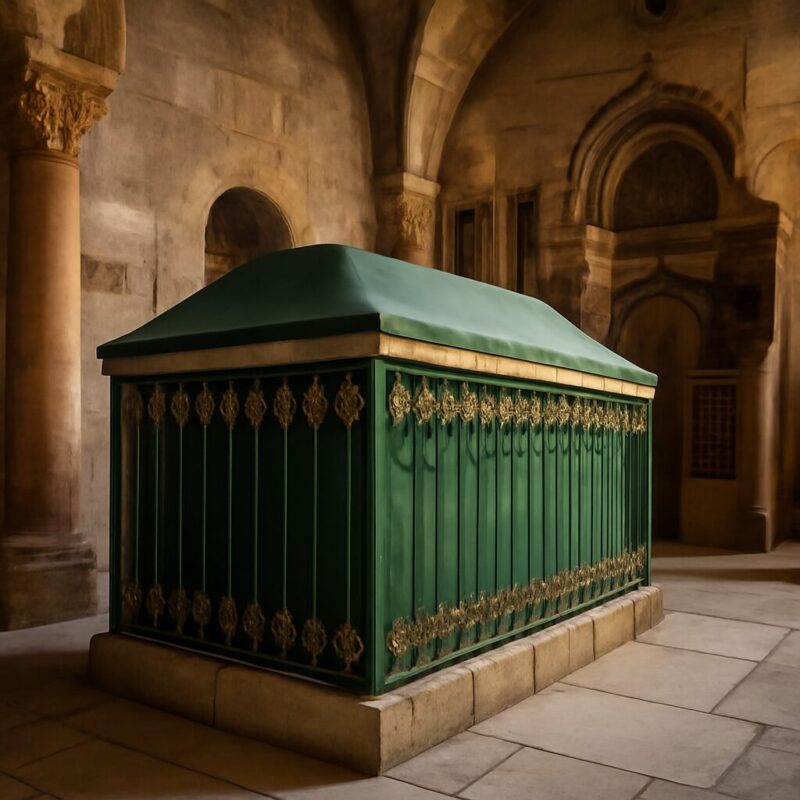
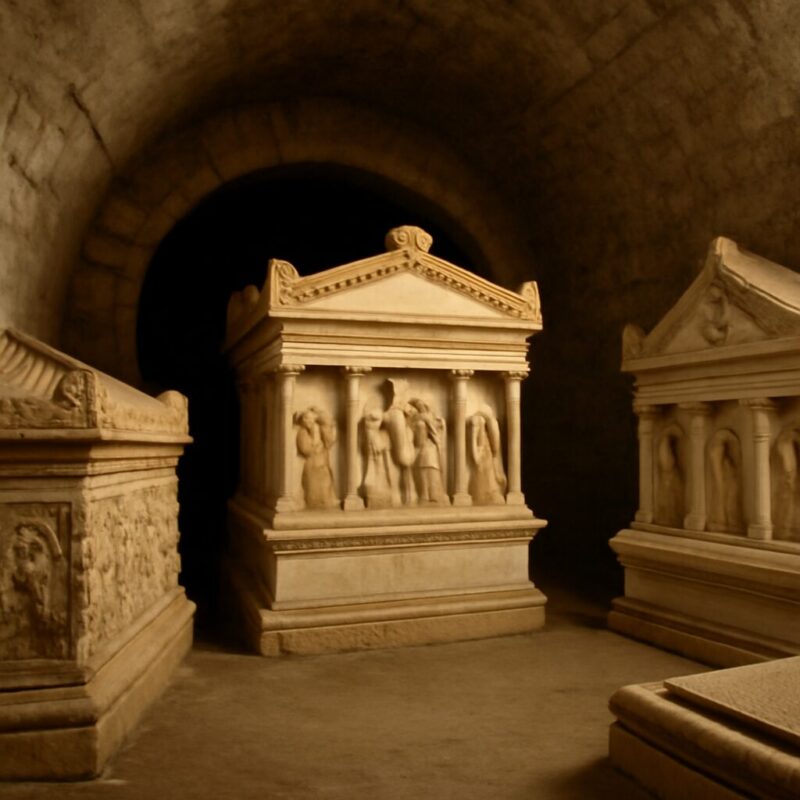
Imagine stumbling upon a secret city of the dead, hidden for centuries beneath the orange groves and olive trees just outside the ancient Phoenician port of Sidon. That’s precisely what happened in the late 19th century when Ottoman workers, quarrying for stone, broke into a breathtaking subterranean world. The Royal Tombs of Sidon aren't just a single grave, but a sprawling necropolis, a silent stone testament to the wealth and artistry of a vanished maritime empire. Within its cool, dark chambers, you'd find a mix of Egyptian, Greek, and Assyrian styles carved into the rock—a melting pot of influences gathered from across the Mediterranean by Phoenician traders. The most famous find, the dazzling Alexander Sarcophagus, wasn't actually for the conqueror himself, but for a local king, its sides alive with exquisitely painted scenes of Alexander in battle and on a hunt, a burst of color and motion frozen for eternity. It’s a place where the scent of earth and history mingles, telling stories of kings who ruled the waves and took their splendour with them into the underworld.
Who Built Royal Tombs of Sidon?
Who Built the Royal Tombs of Sidon?
The Royal Tombs of Sidon were built by the Phoenician civilization, specifically for the kings and nobles of the ancient city-state of Sidon, a major maritime and commercial power in the Levant. The most famous of these, discovered in the late 19th century, date primarily from the 5th century BCE during the Persian Achaemenid period.
Why Were They Built?
They were constructed as elaborate underground necropolises to serve as eternal resting places for Sidonian royalty and elite. Their purpose was to demonstrate power, wealth, and cultural sophistication, ensuring a grand afterlife for the deceased. The tombs reflect a blend of Egyptian, Greek, and Persian artistic influences, showcasing Sidon's role as a cosmopolitan trading hub. Lavish grave goods, including the famous Alexander Sarcophagus (actually made for King Abdalonymus of Sidon), were placed within to accompany and honor the dead.
Related Tombs from the Phoenician and Levantine Cultural Sphere
While the Phoenicians left many archaeological sites, specific royal tombs like those at Sidon are rare. However, their construction techniques and cultural interactions are reflected in other monumental tombs from the ancient Mediterranean and Near East.
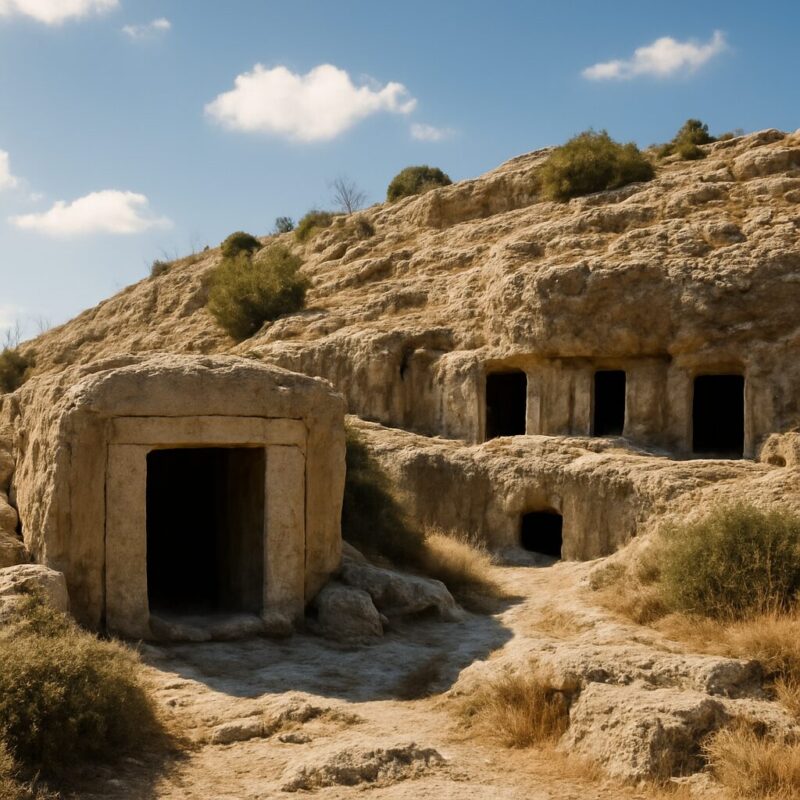
Umm el-Amad Necropolis
For another significant Phoenician burial site, you can explore the Umm el-Amad necropolis. This site in Lebanon contains rock-cut tombs and is an important example of Phoenician funerary architecture from a slightly later Hellenistic period.
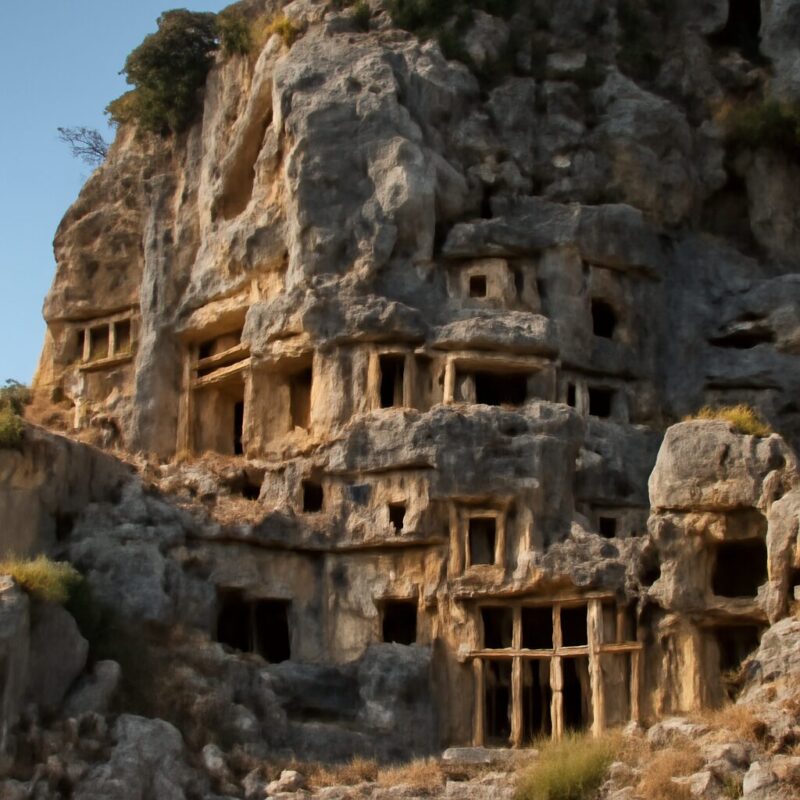
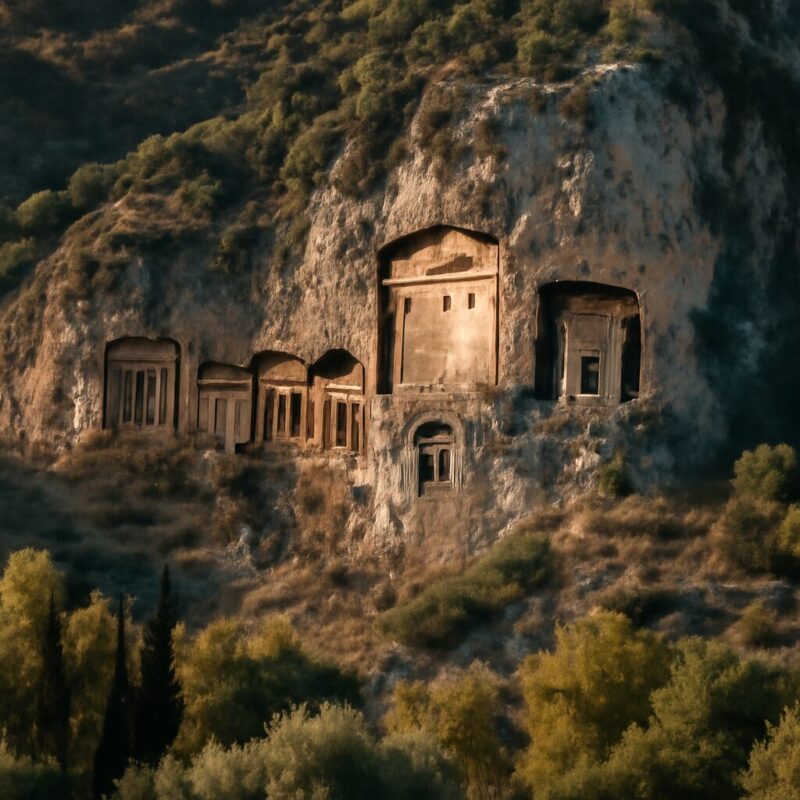
Lycia Rock Cut Tombs
Although from a different culture (Lycian), the Lycia rock cut tombs in Anatolia share a similar monumental, cliff-carved construction technique and function as elite burial places, reflecting the cross-cultural exchange in the ancient Eastern Mediterranean where the Phoenicians were active.
Kaunos Tombs
Similarly, the Kaunos tombs (Carian, later Hellenized) are another example of elaborate rock-cut facades carved into cliffs overlooking a city, a tradition that resonates with the grandeur and permanent display of status seen in Sidonian royal burials.