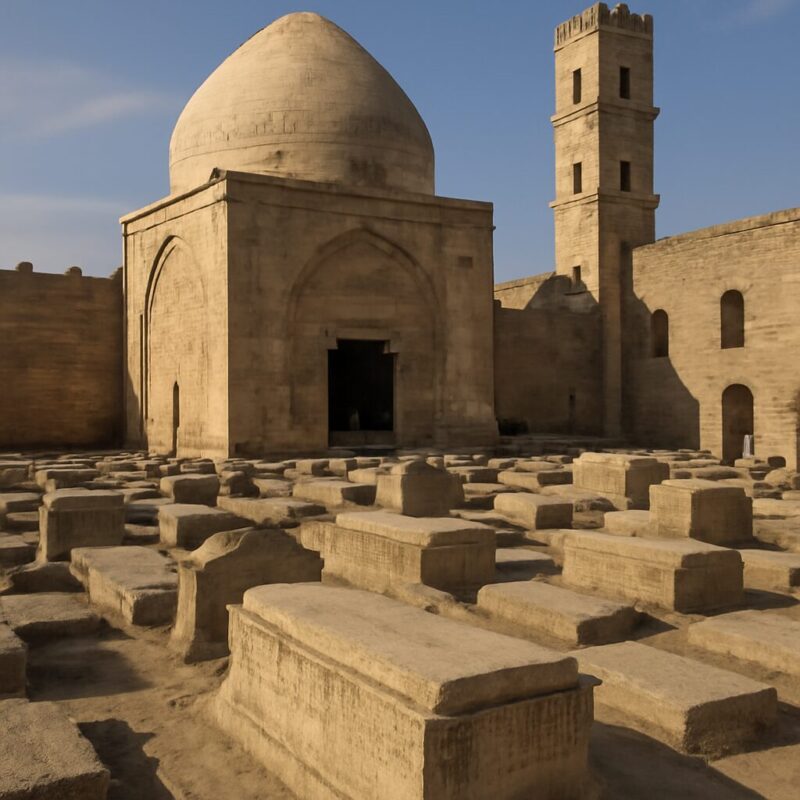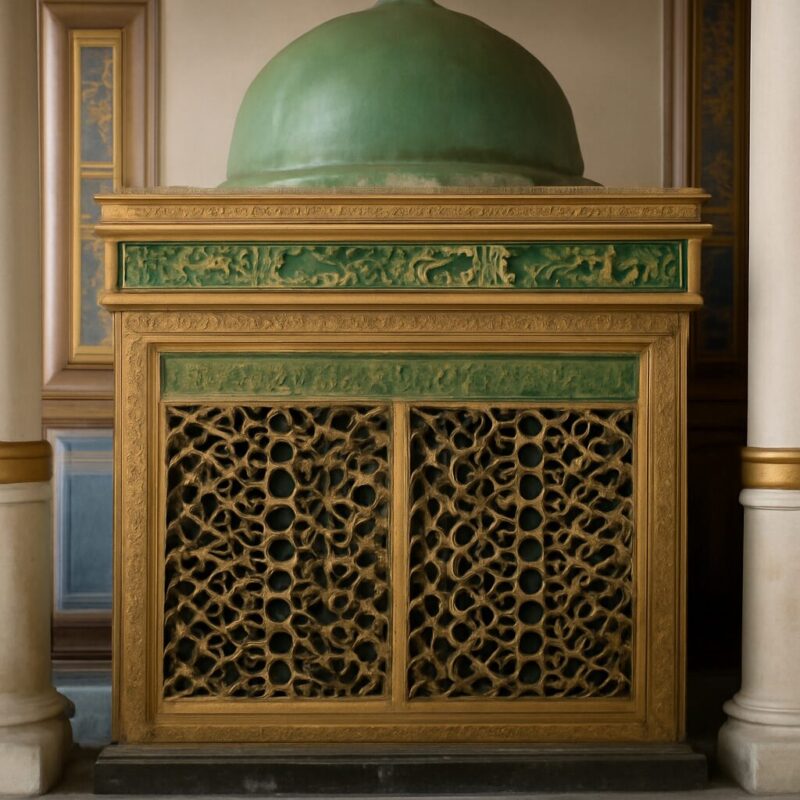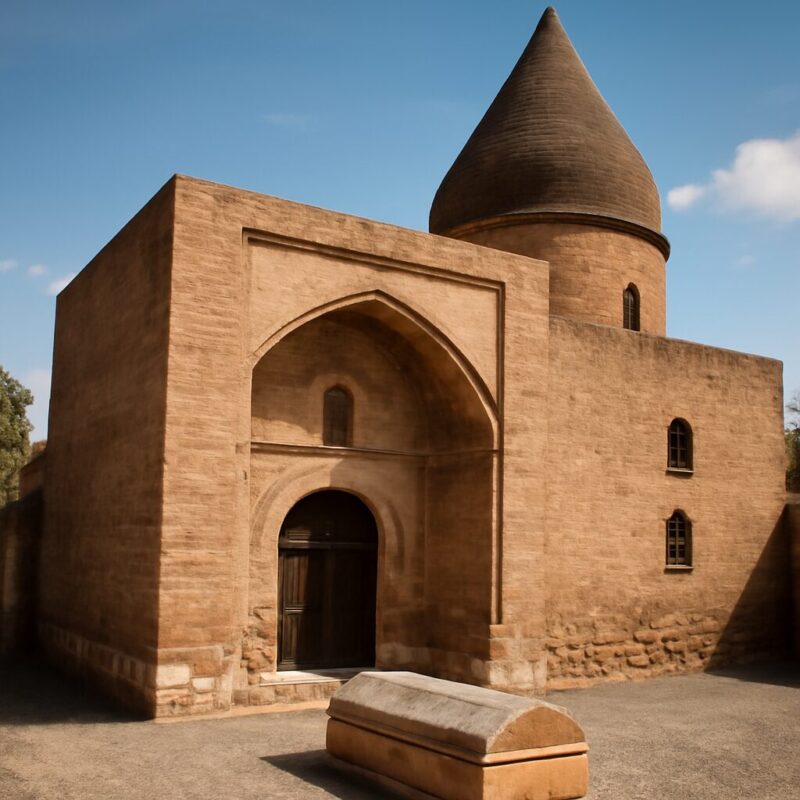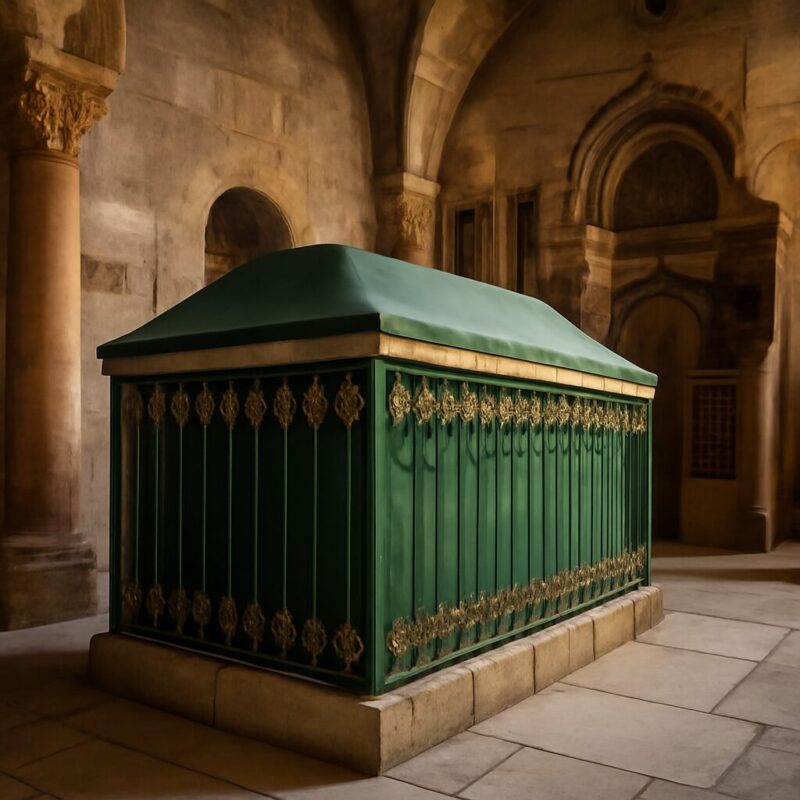
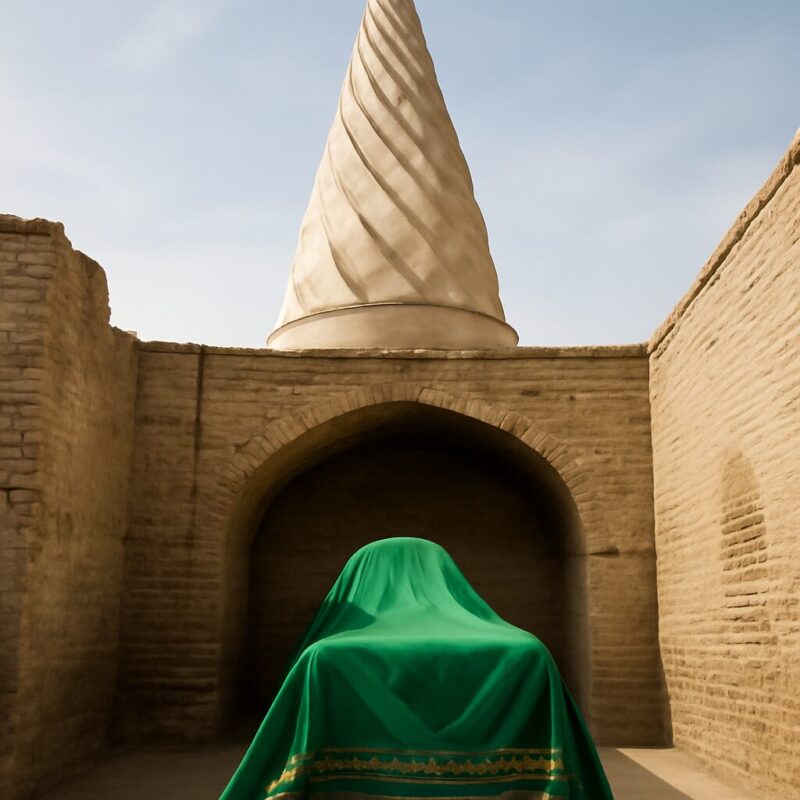
Nestled within the ancient city of Susa, now modern-day Iran, the Tomb of Daniel is a place where faith and folklore intertwine like the roots of an old tree. This revered site, claimed by Jews, Christians, and Muslims alike, is a simple, whitewashed structure crowned by an unusual conical spire. Inside, a long, ornate silver casket is said to hold the bones of the biblical prophet, though its exact length shifts with local legend—some say it miraculously grows, a testament to Daniel’s enduring spirit. The air is thick with the scent of incense and whispered prayers, a quiet hum of devotion that has echoed here for centuries, making it less a monument of death and more a living parchment of hope.
The river Choaspes flows quietly beside it, and local lore insists that the water possesses a peculiar sweetness because of the prophet’s presence. Pilgrims tie colorful ribbons to the iron grille surrounding the tomb, each knot representing a wish or a plea, transforming the sanctuary into a tapestry of human yearning. It’s a spot where history feels palpable, not in grand carvings, but in the silent, steadfast belief that something sacred sleeps here, guarded by the slow, patient flow of the water and the watchful eyes of the faithful.
Who Built Tomb of Daniel?
Who Built the Tomb of Daniel?
The Tomb of Daniel, a site venerated by multiple faiths, is not attributed to a single, known builder from antiquity. Its construction and development are the result of centuries of reverence and modification by various cultures and rulers. The site is traditionally associated with the biblical prophet Daniel, and its current form in Susa, Iran, largely stems from significant architectural contributions made during the medieval Islamic period.
Cultural Significance and Construction Phases
The tomb's importance spans Jewish, Christian, and Islamic traditions, all of which honor Daniel as a prophet. The structure seen today is primarily a Seljuk-era construction, likely commissioned or significantly expanded by local rulers or pious benefactors in the 11th or 12th centuries CE. A key architectural feature is the distinctive conical dome, a hallmark of Seljuk Persian architecture. The tomb has been maintained, restored, and modified by subsequent dynasties, including the Safavids and Qajars, reflecting its enduring sacred status.
Related Structures from the Provided List
If you are interested in other tombs from the broader Islamic and Persianate world that share cultural or architectural relevance, consider the following:
Seljuk-Era Tombs
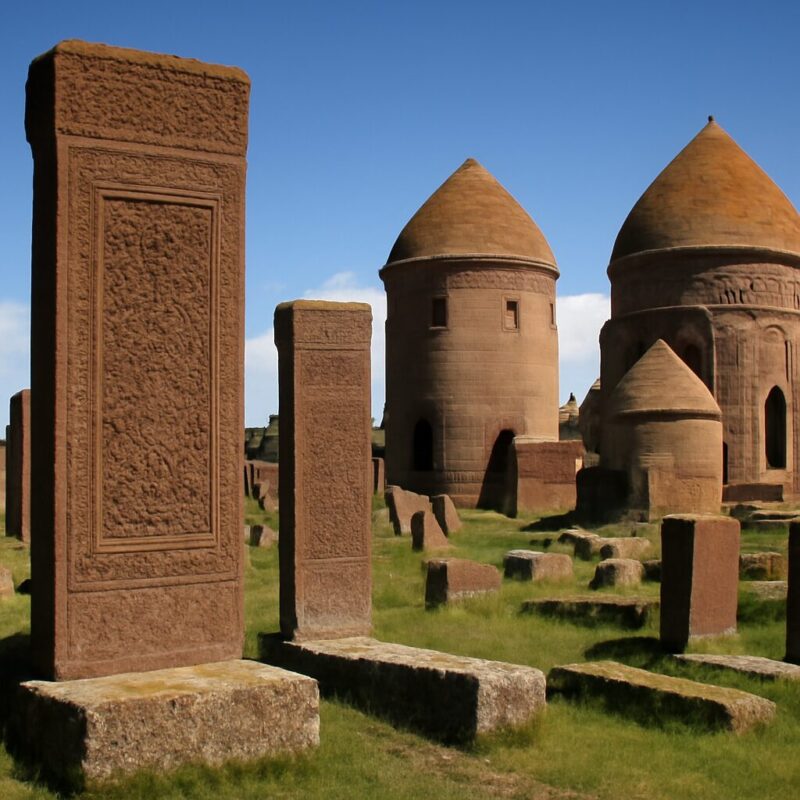
The Seljuk tombs of Ahlat are a remarkable collection of monumental stone tombs (kümbets) from the Seljuk period in Anatolia. They share the era and architectural patronage of the builders who shaped the Tomb of Daniel.
Other Venerated Prophet Tombs
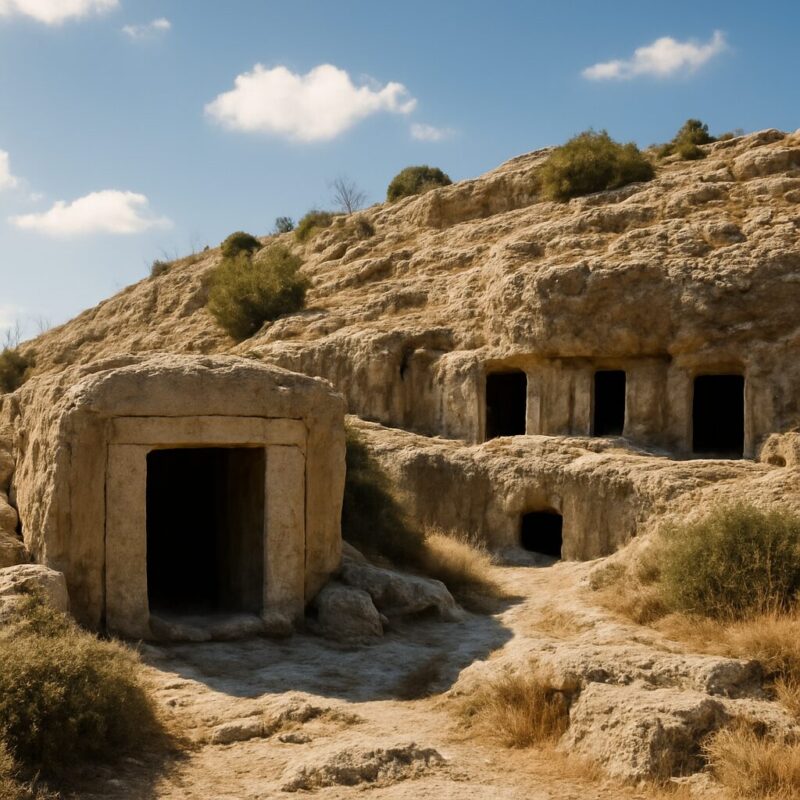
The tradition of venerating biblical prophets is also seen at the Tomb of Abraham (the Cave of the Patriarchs) in Hebron, a site sacred to Judaism, Christianity, and Islam.
Architecturally Significant Islamic Mausoleums
For a later, world-renowned example of an Islamic mausoleum, you can explore the Taj Mahal in Agra, built by the Mughal Emperor Shah Jahan. While from a different era and dynasty, it represents the pinnacle of funerary architecture in the Islamic world.