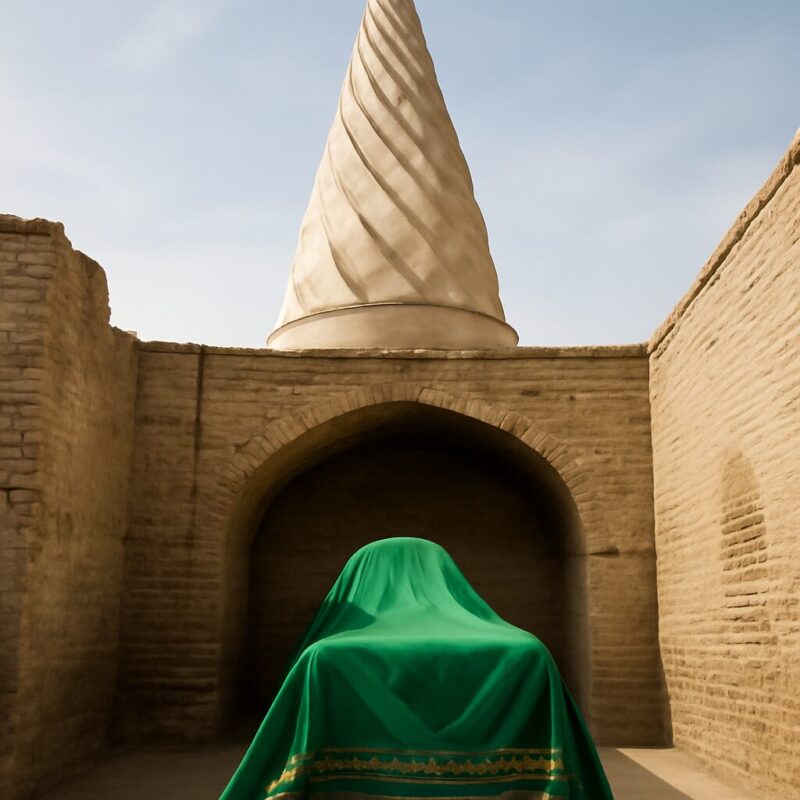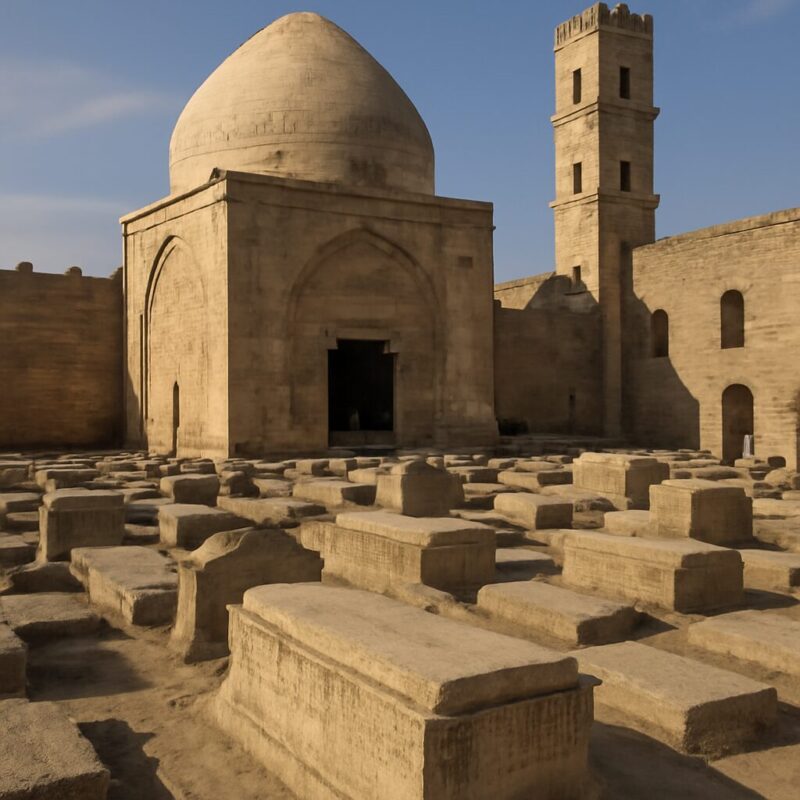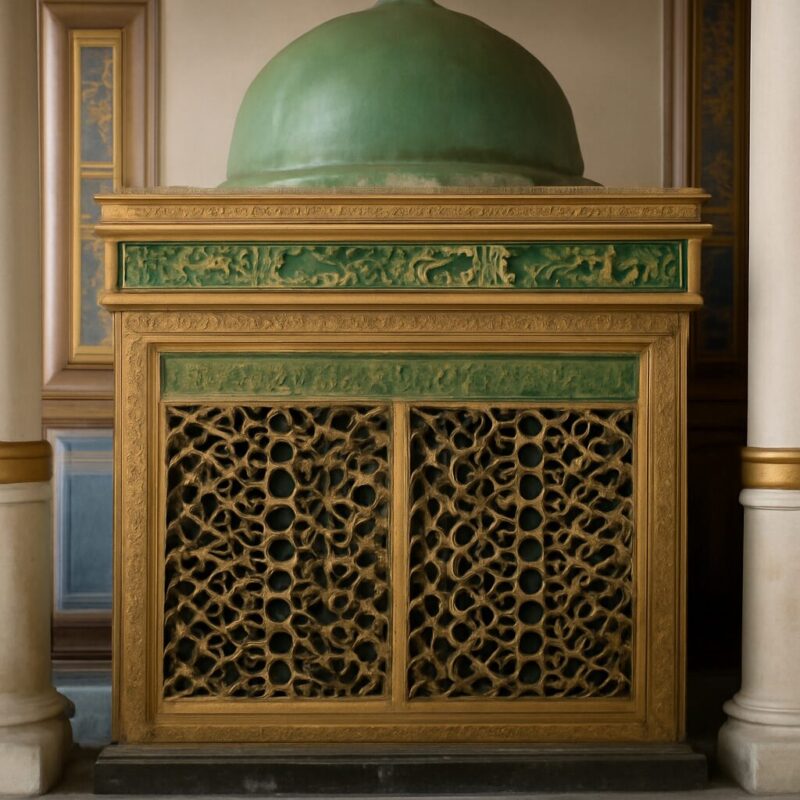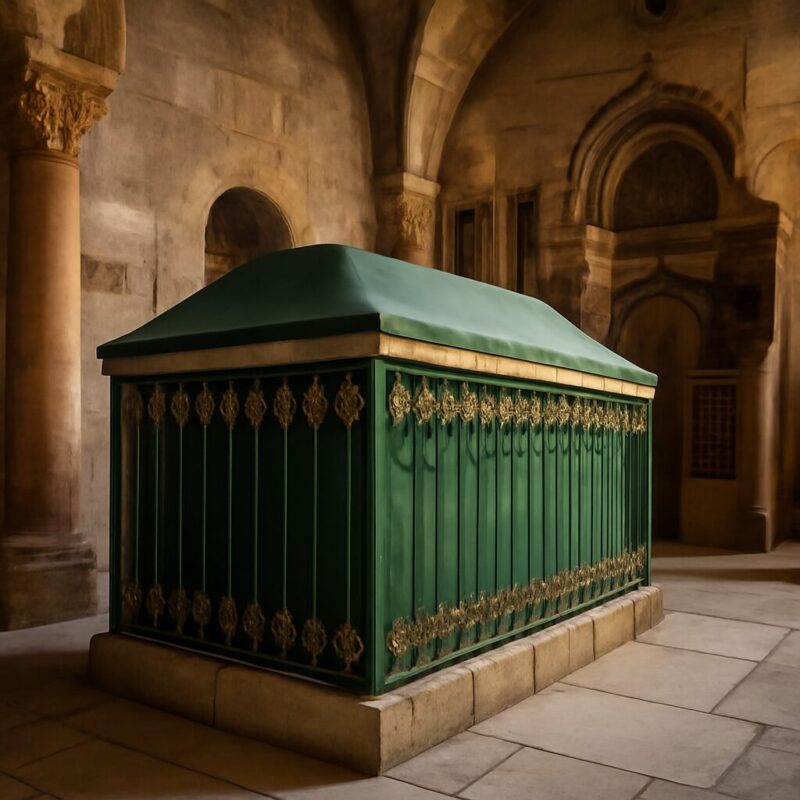
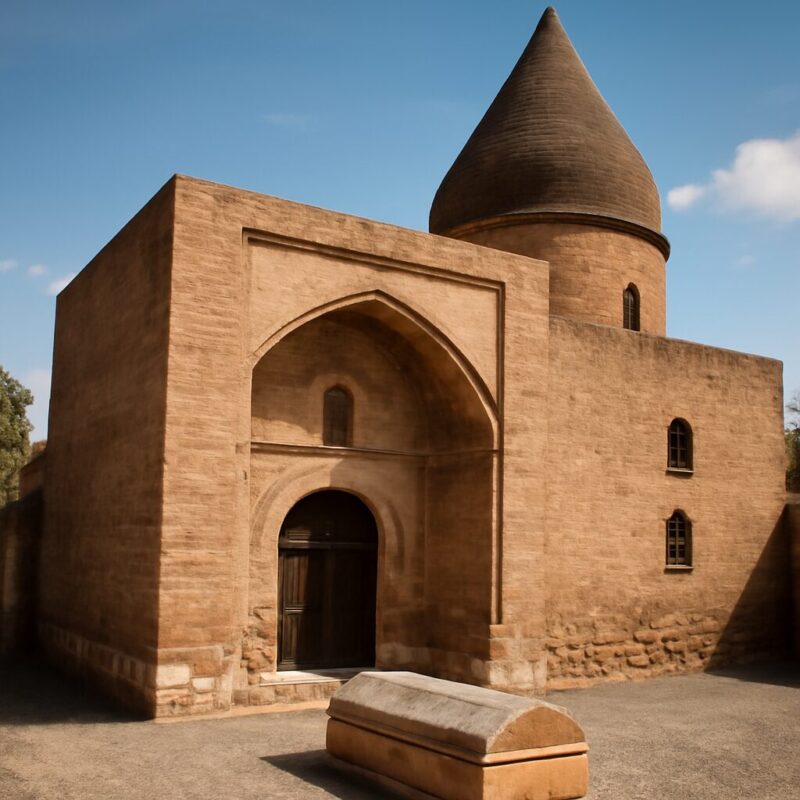
Nestled in the ancient city of Hamadan, Iran, the Tomb of Esther and Mordechai is a place where history, faith, and legend intertwine beneath a humble brick dome. This unassuming structure, with its Hebrew inscriptions and quiet courtyard, is believed by many Iranian Jews to hold the remains of the biblical queen who saved their ancestors from annihilation. The air inside is thick with the scent of aged wood and whispered prayers, a sanctuary preserving a story of courage that leaps from the pages of the Book of Esther into the tangible world. For centuries, it has been a poignant pilgrimage site, a silent testament to a diaspora community's enduring identity and a rare Jewish monument standing resilient in the heart of Persia.
Who Built Tomb of Esther and Mordechai?
Who Built the Tomb of Esther and Mordechai?
The specific builders of the Tomb of Esther and Mordechai in Hamadan, Iran, are unknown. Its construction is attributed to the Jewish diaspora community in Persia, likely over many centuries, with significant renovations and patronage from various rulers and communities.
Why Was It Built?
The tomb is a traditional Jewish pilgrimage site, believed to house the remains of the biblical Queen Esther and her cousin Mordechai. Their story, central to the Jewish holiday of Purim, tells of their role in saving the Jewish people in the ancient Persian Empire. The site was built and maintained as a sacred shrine and a symbol of Jewish survival and identity within Persian culture.
Cultural and Architectural Context
The structure reflects the architectural styles of the regions it has existed within over time, primarily Persian-Islamic influences. Its current form, including a brick dome and a modest interior, dates from significant reconstructions, possibly during the Mongol Ilkhanate period (14th century) and later under the Qajar dynasty. It stands as a testament to the long history of Jewish communities in Iran.
Related Structures from the List
While the builders of this specific tomb are not linked to other monumental tombs on the list, the practice of creating revered tombs for religious or royal figures is a global phenomenon. For example, the Tomb of Daniel is another biblical figure's shrine significant in Islamic and Jewish traditions. Similarly, the tradition of royal mausoleums is exemplified by sites like the Tomb of Cyrus the Great, the founder of the Persian Achaemenid Empire, located in the same region.