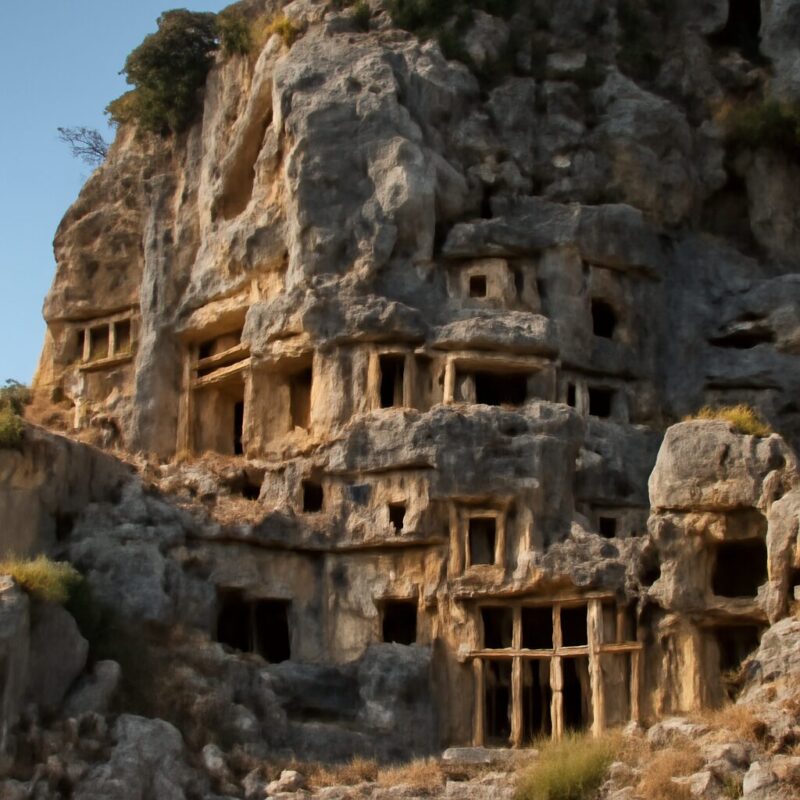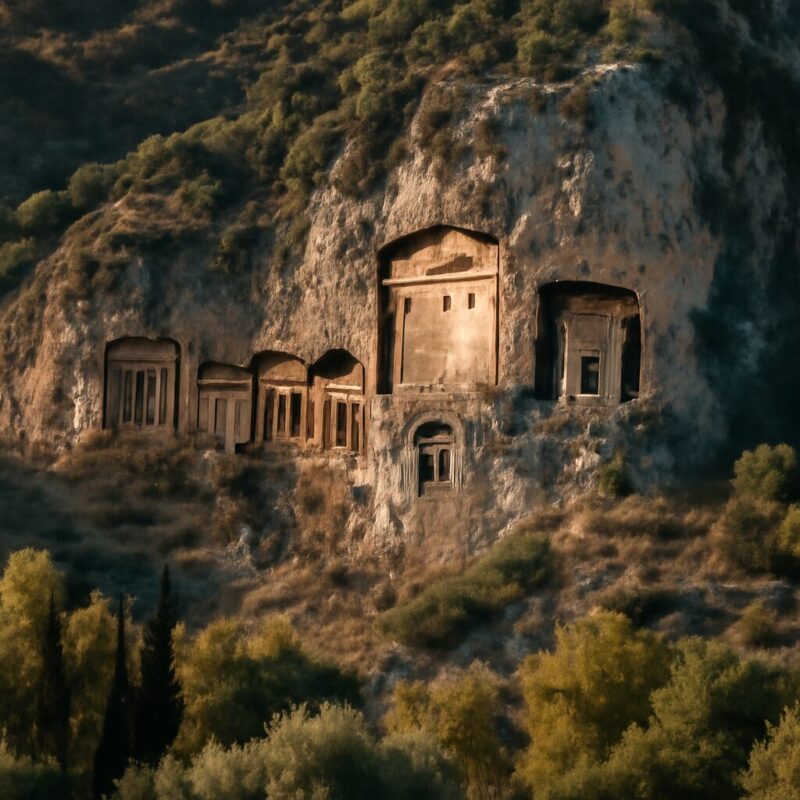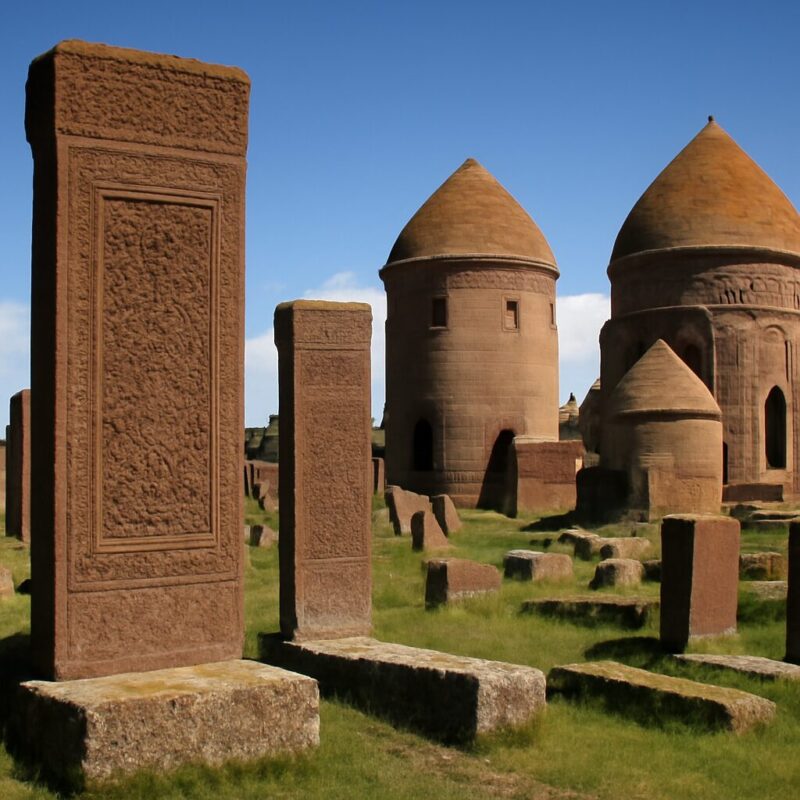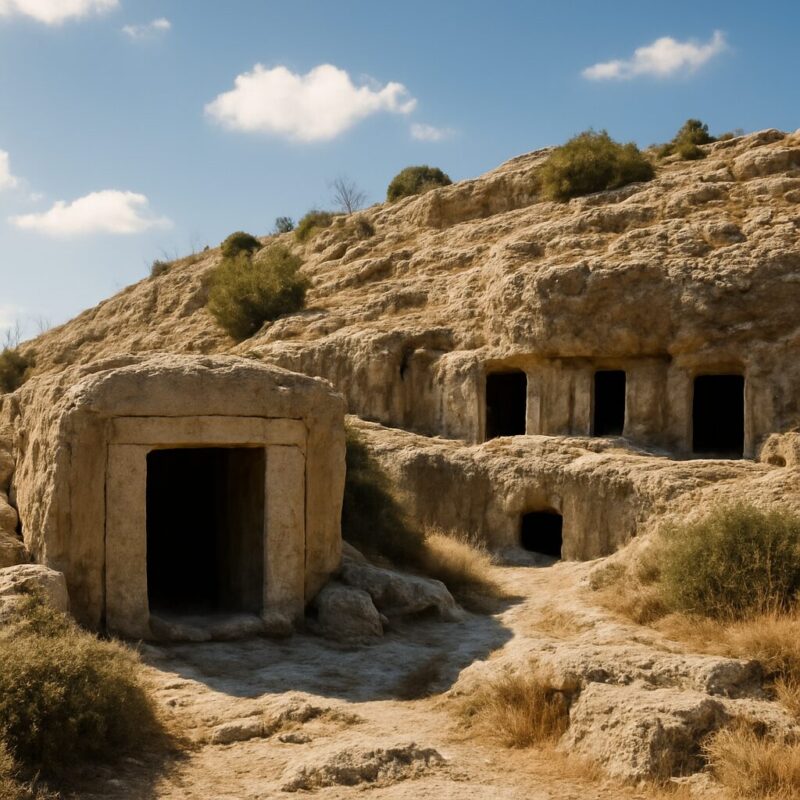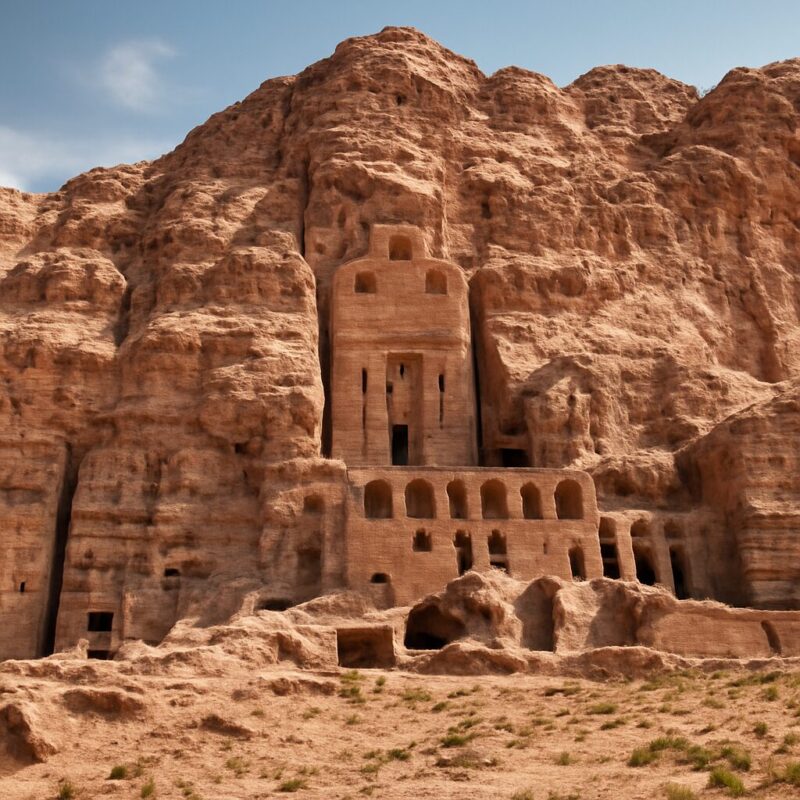
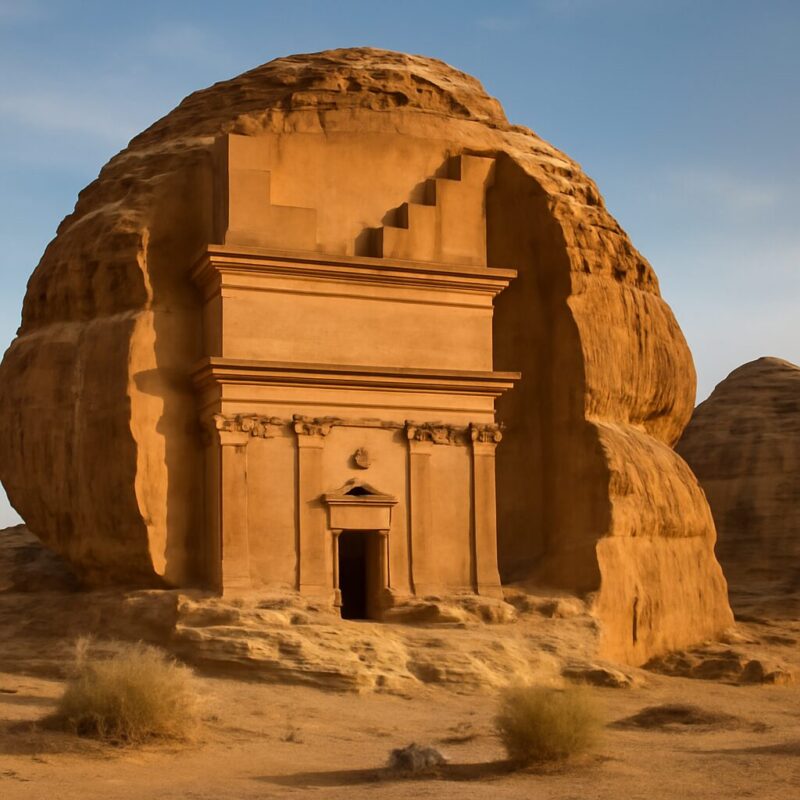
Carved into the golden sandstone outcrops of Saudi Arabia's Al-ʿUla desert, the tombs of Madain Saleh stand as silent, monumental witnesses to a lost kingdom. Over two thousand years old, these 111 elaborate facades were the necropolis of the Nabateans, the same ingenious civilization that sculpted Petra to the north. Walking among them, you're struck by the sheer audacity of the craftsmanship—ornate pediments, grimacing eagles, and cryptic inscriptions etched directly into the living rock, all framed by a vast, empty silence. The local lore whispers that the site was cursed by God for its idolatry, adding a layer of haunting mystery to the sun-baked stillness. It’s a place where the desert wind seems to carry echoes of caravan bells and a profound, enduring solitude.
Who Built Madain Saleh tombs?
The Builders of Madain Saleh
The monumental rock-cut tombs at Madain Saleh (also known as Al-Hijr) were built by the Nabataeans, an ancient Arab civilization that flourished from around the 4th century BCE to the 1st century CE. They are best known as the builders of the city of Petra, their capital in modern-day Jordan.
Purpose and Cultural Significance
The tombs were constructed as elaborate burial places for wealthy Nabataean families and elites. The Nabataeans carved these tombs directly into the sandstone outcrops, reflecting their advanced stone-working skills and their integration of Hellenistic, Egyptian, and Assyrian architectural styles into their own unique aesthetic. The facades served as eternal statements of social status and wealth, while the interiors held burial chambers. The site also functioned as a major trading hub on the incense route, making it a prosperous settlement second only to Petra.
Other Notable Nabataean Construction
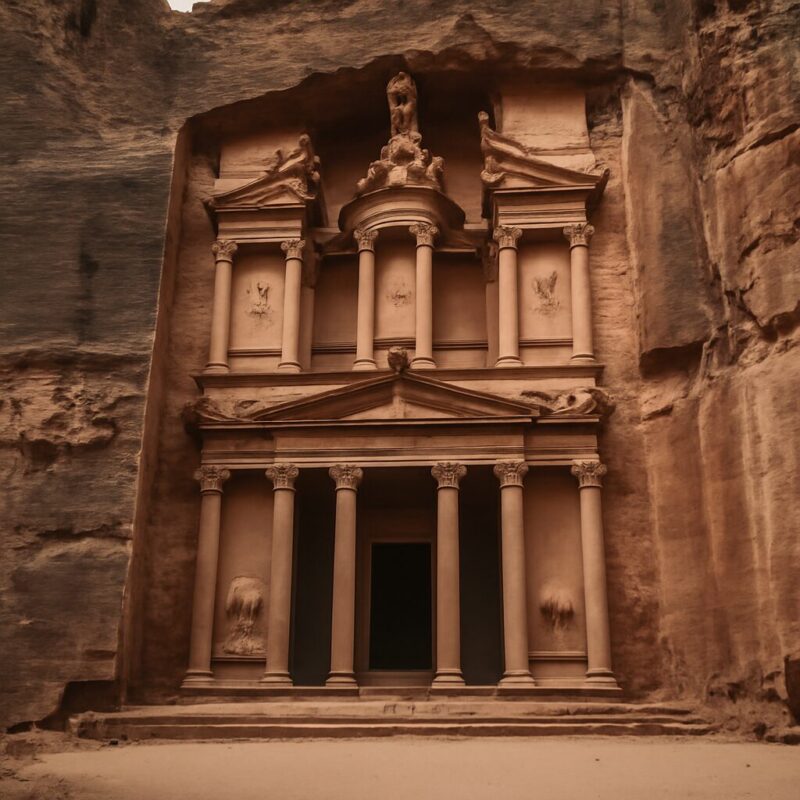
The most famous and directly relevant comparison is the magnificent city of Petra, which contains hundreds of similar rock-cut tombs and temples. The most iconic structure there is Al Khazneh (The Treasury), a tomb or temple with a stunning Hellenistic-style facade. The techniques, artistic styles, and cultural motivations behind Al Khazneh are directly comparable to those at Madain Saleh.