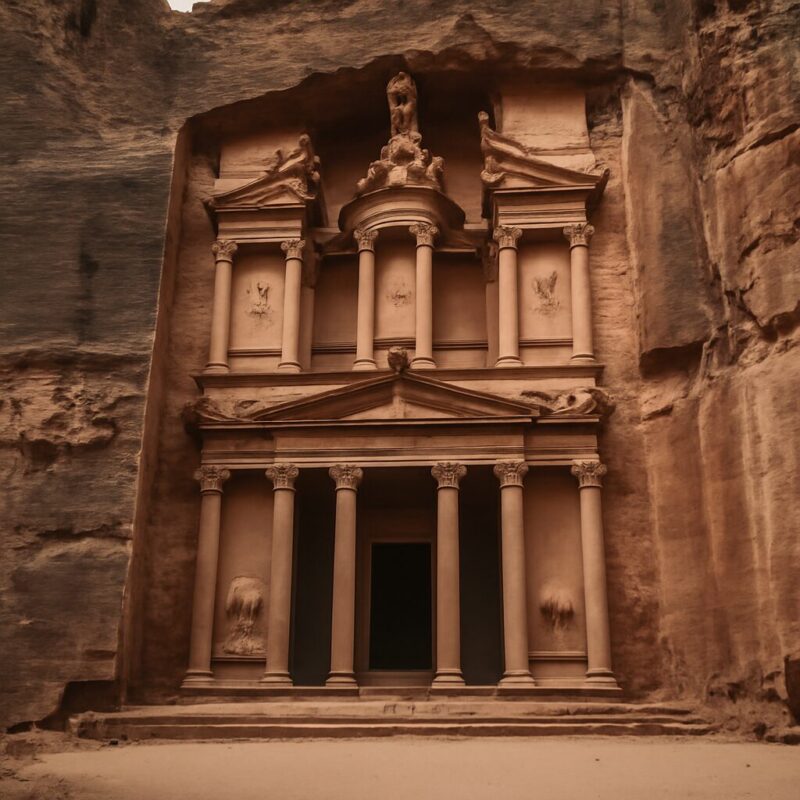
Carved with impossible precision into the rose-red cliffs of Petra, Al Khazneh, or "The Treasury," appears not as a building but as a mirage. Its ornate, two-story façade, a breathtaking fusion of Hellenistic and Nabatean artistry, emerges from the narrow end of the Siq like a jewel revealed from a stone sheath. Though its popular name stems from the legend of hidden pharaoh’s treasure, it was most likely a majestic tomb for a Nabatean king, its towering columns and intricate statues of gods standing as eternal sentinels. The morning sun transforms its sandstone surface into a living canvas of fiery hues, a silent, spectacular monument to a lost empire’s ambition and artistry.
Who Built Al Khazneh?
The Builders of Al Khazneh
Al Khazneh, also known as The Treasury, was built by the Nabataeans, an ancient Arab civilization that established Petra as their capital city. This sophisticated culture flourished from around the 4th century BCE to the 1st century CE, controlling vital trade routes and amassing great wealth.
Purpose and Function
While its exact original purpose remains debated, Al Khazneh is widely believed to have been a monumental tomb for a Nabataean king, most likely Aretas IV Philopatris, who reigned from 9 BCE to 40 CE. The elaborate, Hellenistic-style façade carved directly into the rose-red sandstone cliff face served to project the power, wealth, and cultural sophistication of the Nabataean monarchy. Its popular name, "The Treasury," comes from a later Bedouin legend that a pharaoh hid his treasure in the urn at the top.
Other Nabataean Tombs
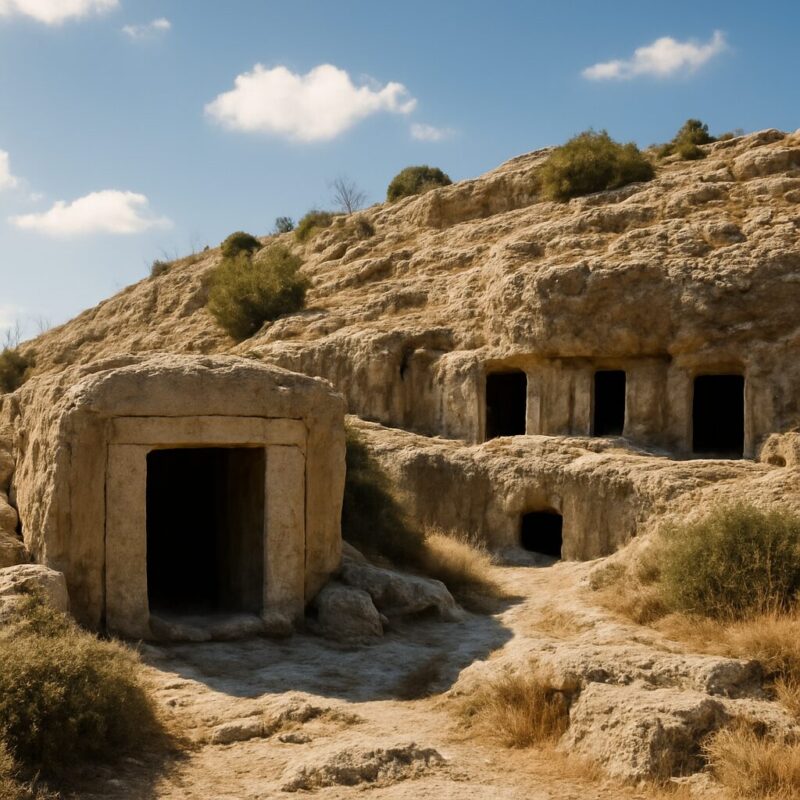
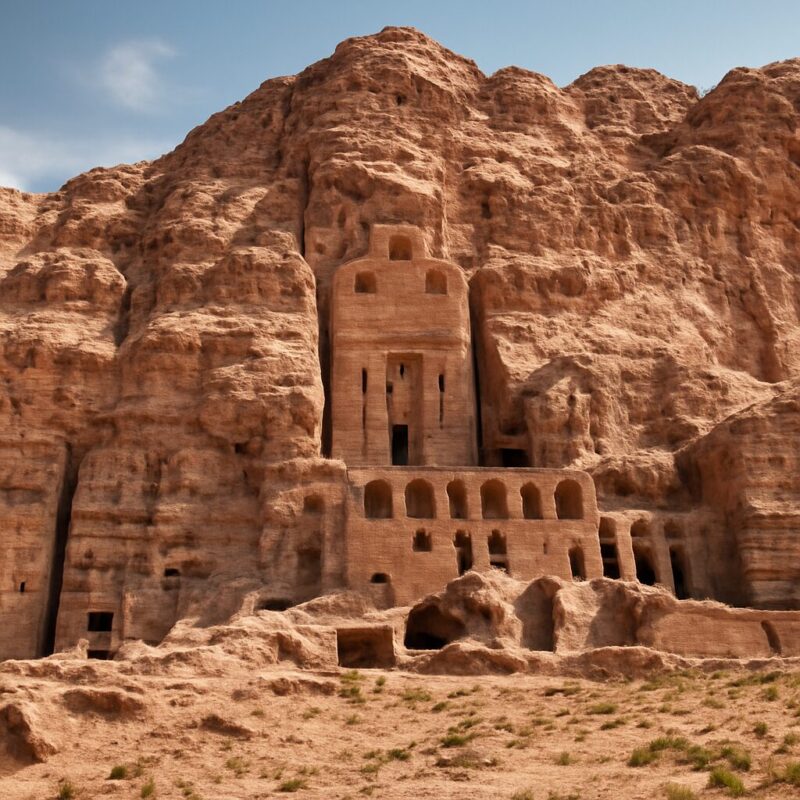
The Nabataeans were master stone-carvers, and Al Khazneh is just one of hundreds of tombs they created in Petra. Their funerary architecture ranged from simple rock-cut chambers to immense, ornate facades. Another significant group of tombs built by the same culture are the Petra Royal Tombs, a collection of several large and impressive mausoleums, including the Urn Tomb, the Silk Tomb, the Corinthian Tomb, and the Palace Tomb, located in the eastern cliffs of the Petra valley.
Related Rock-Cut Tomb Cultures
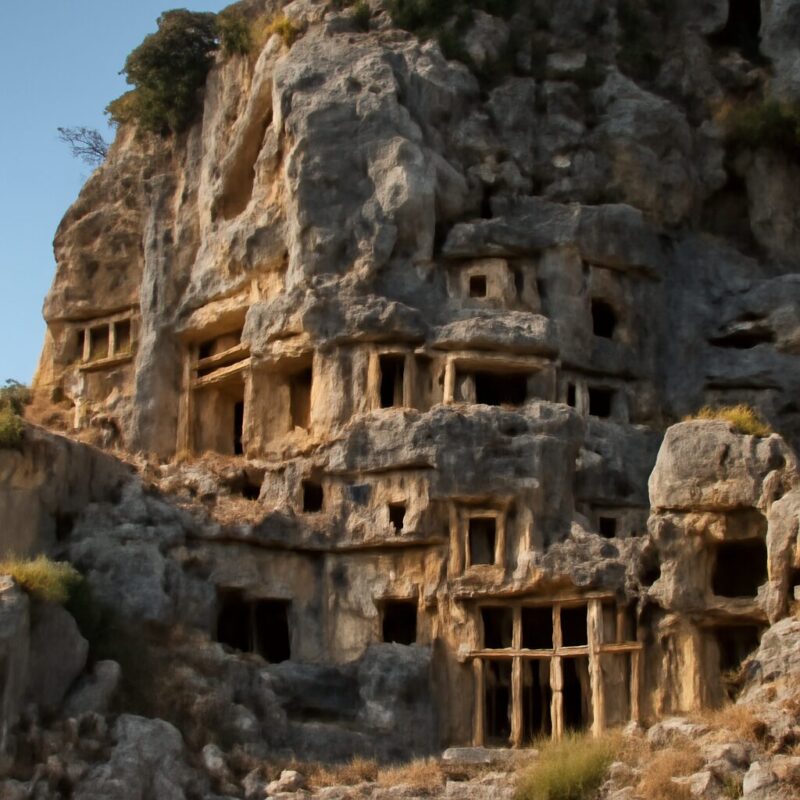
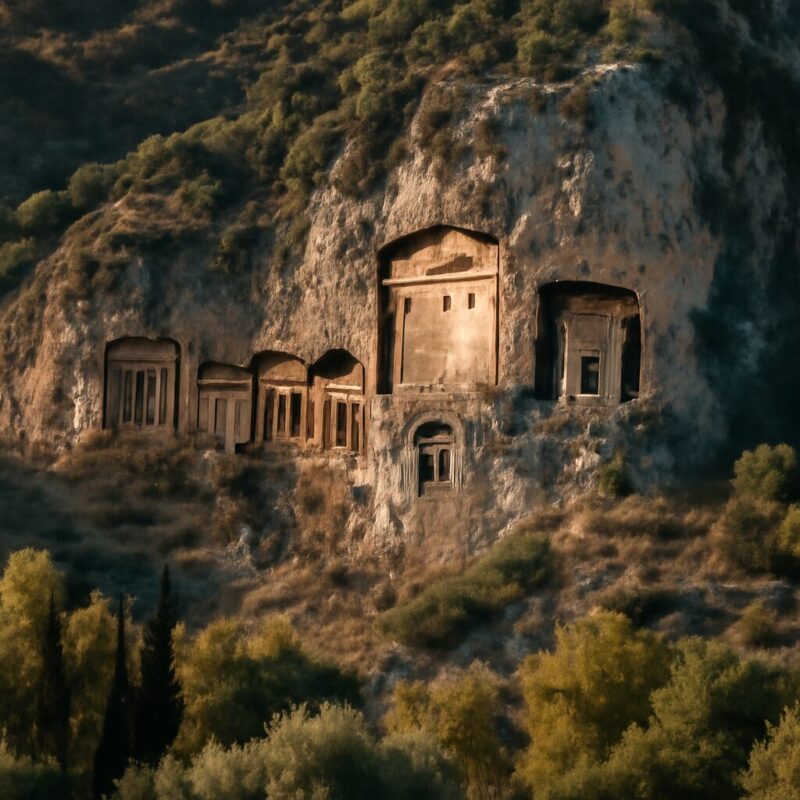
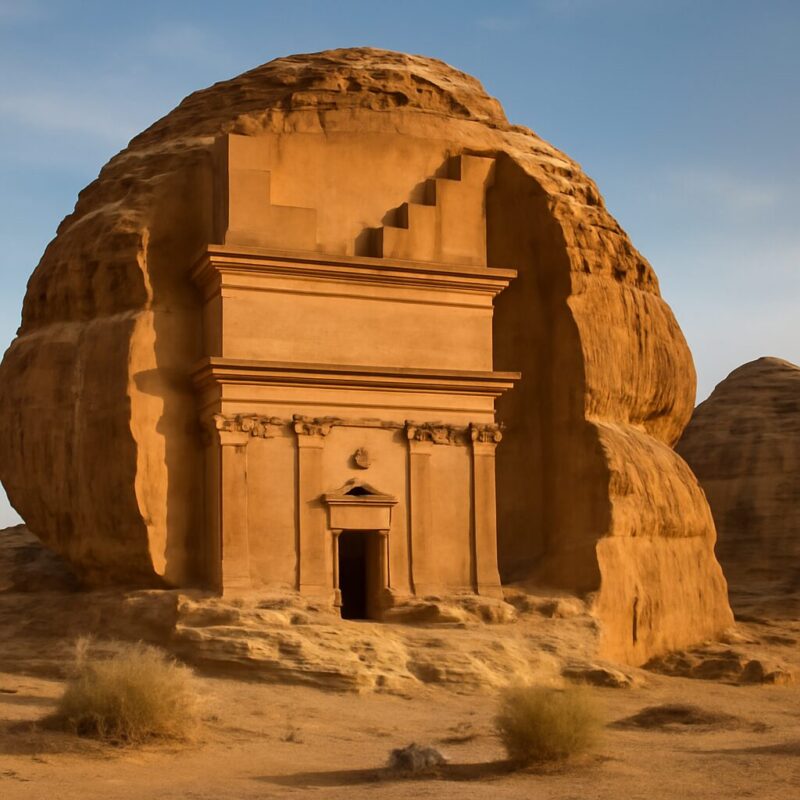
The practice of creating elaborate tombs by carving directly into rock faces is a tradition found in several ancient cultures. For further exploration of this fascinating burial method, you can learn about the Lycia rock cut tombs in Turkey or the spectacular Madain Saleh tombs in Saudi Arabia, which were also built by the Nabataeans and represent the southernmost major settlement of their kingdom.