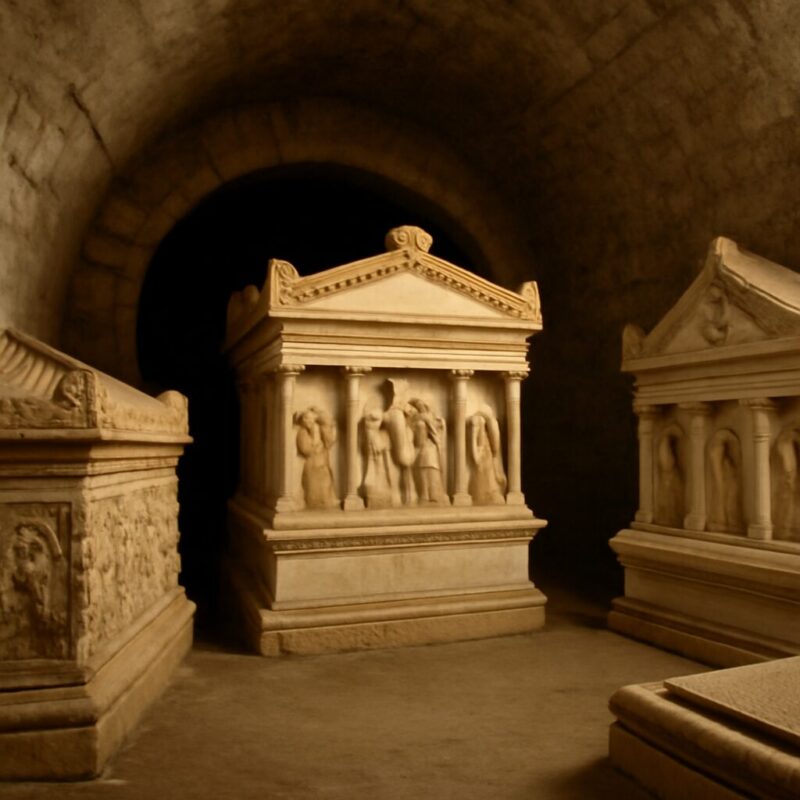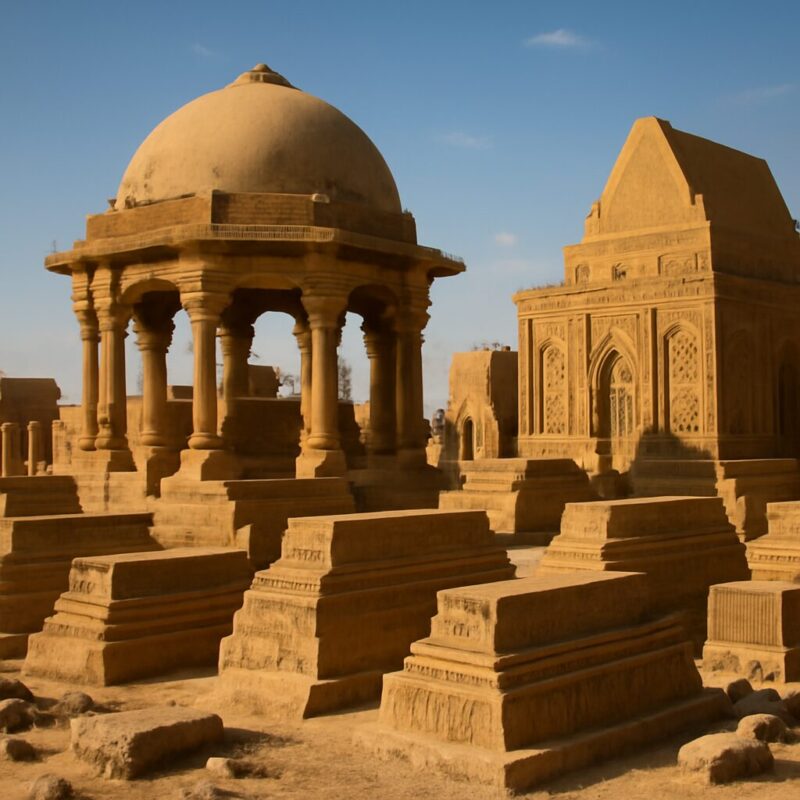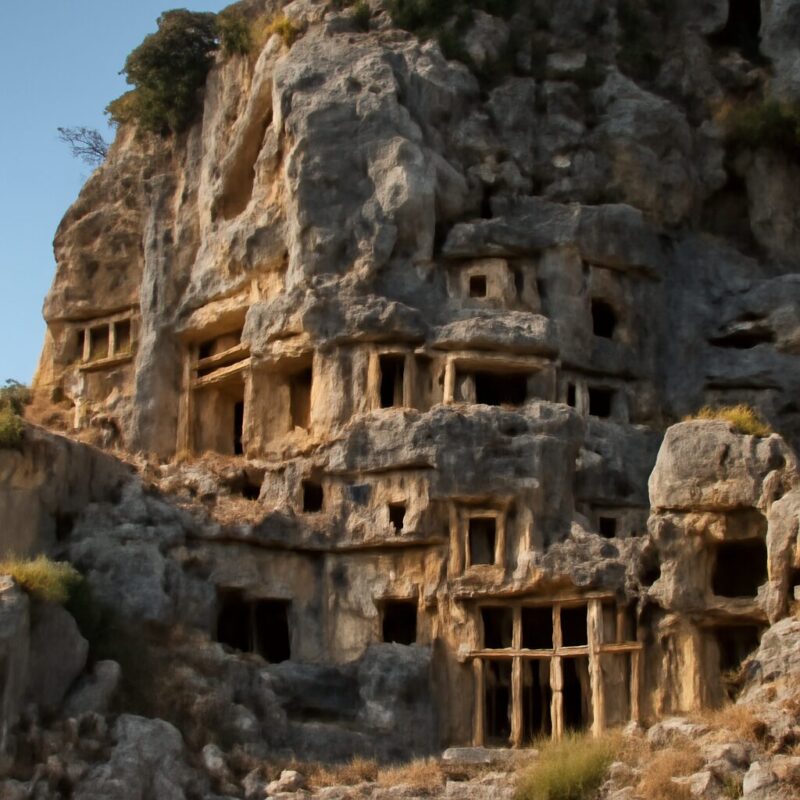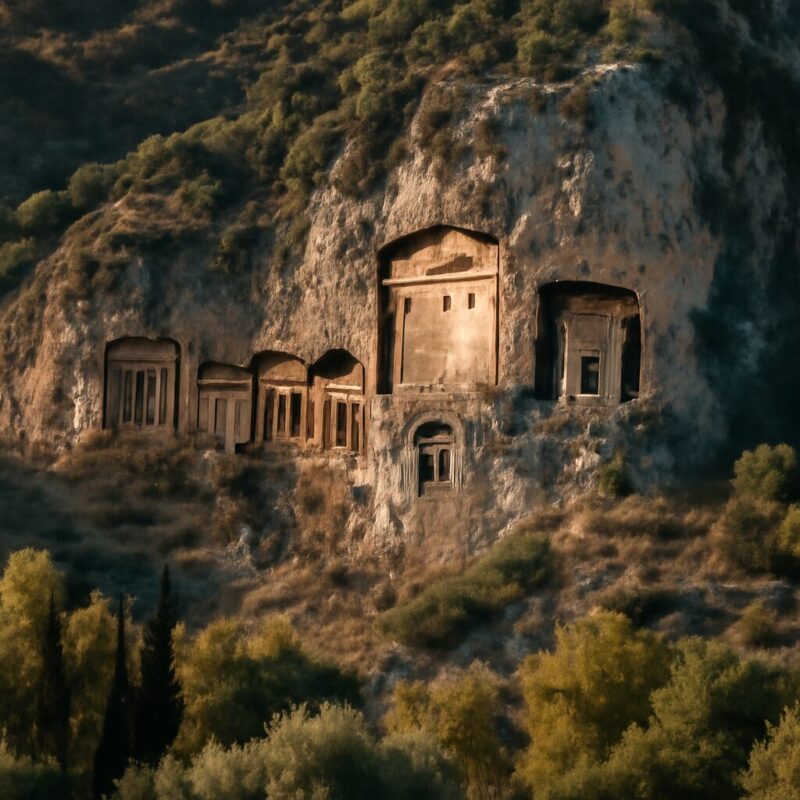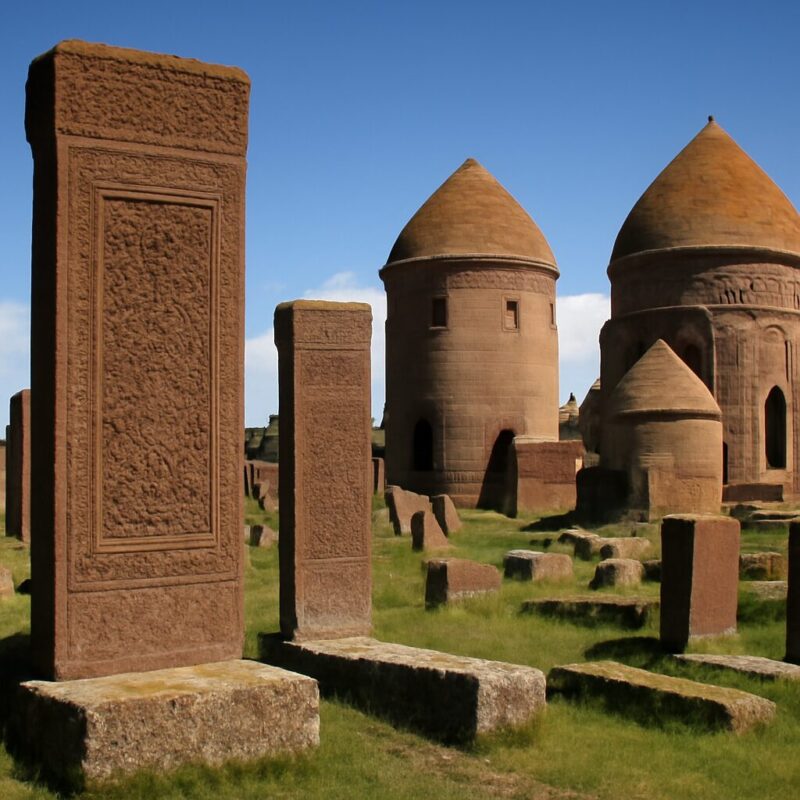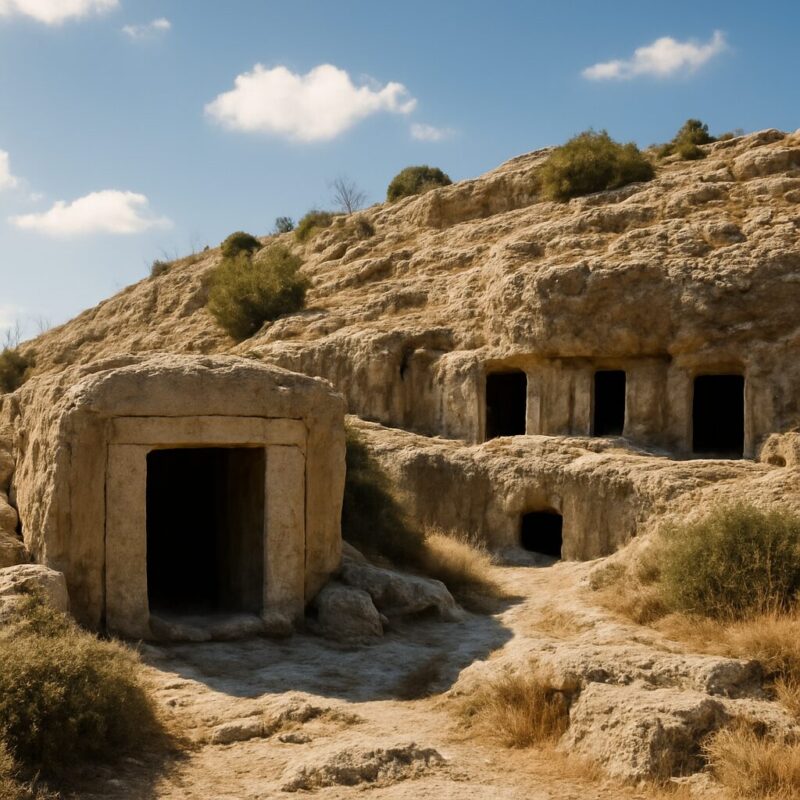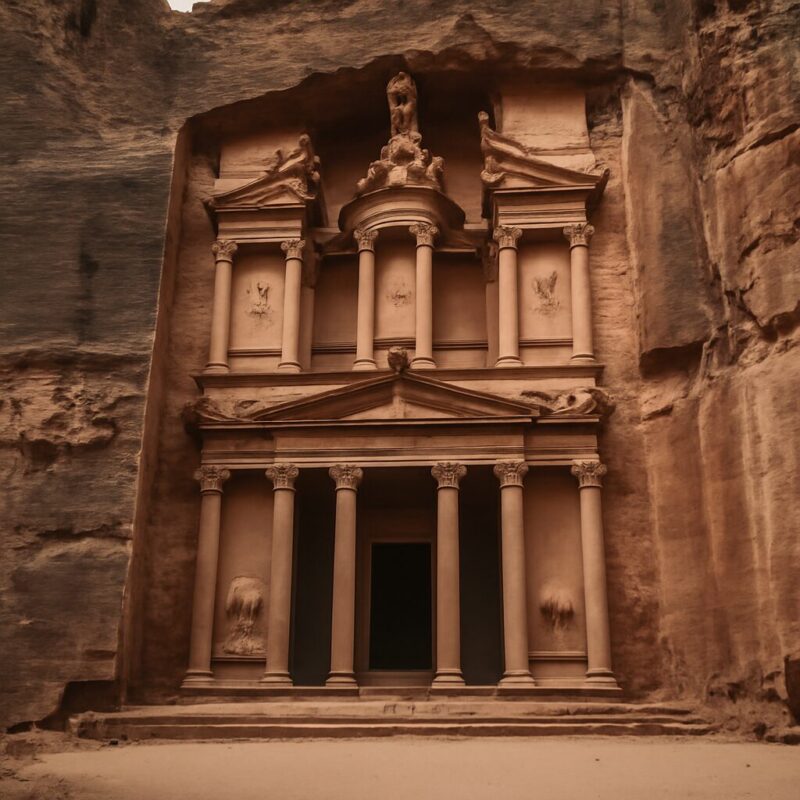
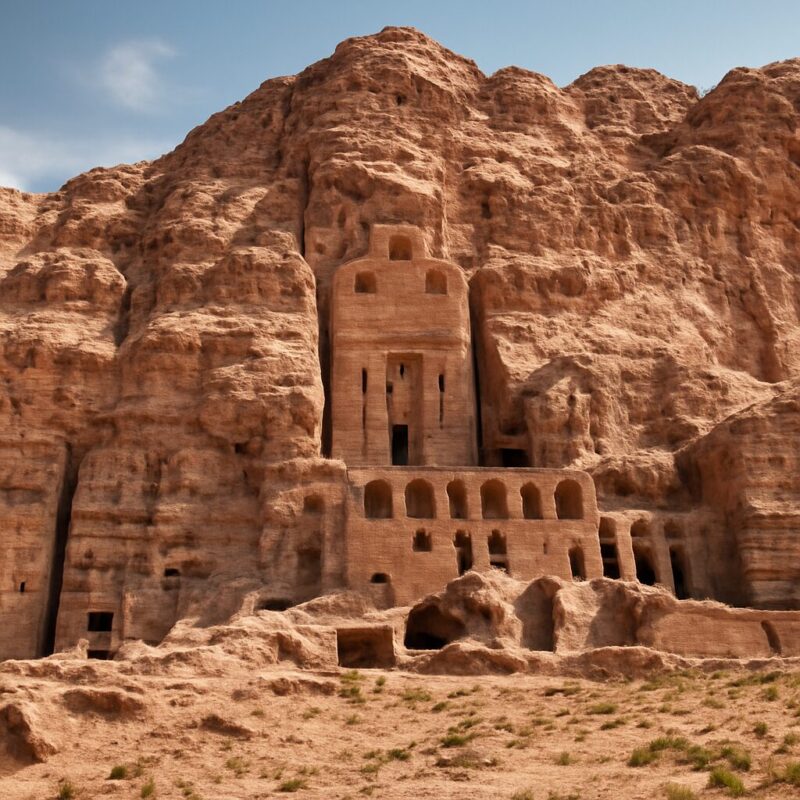
Carved with astonishing precision into the rose-red cliffs high above the ancient city, the Royal Tombs of Petra are not mere graves but statements of eternal power. Unlike the famous Treasury, these monumental facades—the Urn Tomb, the Silk Tomb, the Corinthian Tomb, and the Palace Tomb—form a majestic necropolis overlooking the colonnaded street. Their grand, classical architecture, with towering columns and intricate pediments, speaks of Nabataean kings and elites who sought to project their wealth and influence even in death. Walking through their cavernous, echoing chambers, you feel the dry desert wind where opulent funerary banquets once were held, a stark reminder of a civilization that mastered this harsh landscape and left its legacy not on paper, but in stone.
Who Built Petra Royal Tombs?
The Builders of the Petra Royal Tombs
The Petra Royal Tombs were built by the Nabataeans, an ancient Arab civilization that established its capital at Petra, in modern-day Jordan, around the 4th century BCE. The Nabataeans were masterful traders who controlled lucrative incense and spice routes, amassing great wealth. This prosperity funded the construction of their monumental rock-cut architecture.
Purpose and Cultural Significance
The tombs were constructed to serve as eternal resting places for the Nabataean elite, including kings, queens, and high-ranking officials. Their primary purpose was to honor the deceased and demonstrate the power and piety of the ruling dynasty. The grand, ornate facades carved directly into the rose-red sandstone cliffs were meant to project the status of those interred within for eternity and were likely also used for commemorative rituals. This practice reflects a culture that deeply venerated its ancestors and invested immense resources into the afterlife, blending indigenous Arab traditions with Hellenistic and other foreign influences acquired through trade.
Other Notable Nabataean Construction
The Nabataeans are renowned for their sophisticated hydraulic engineering and rock-cut monuments at Petra. Another iconic tomb they built, which is even more famous than the Royal Tombs complex, is Al Khazneh (The Treasury). This breathtaking facade is believed to have been the mausoleum of a Nabataean king.
Related Rock-Cut Tomb Cultures
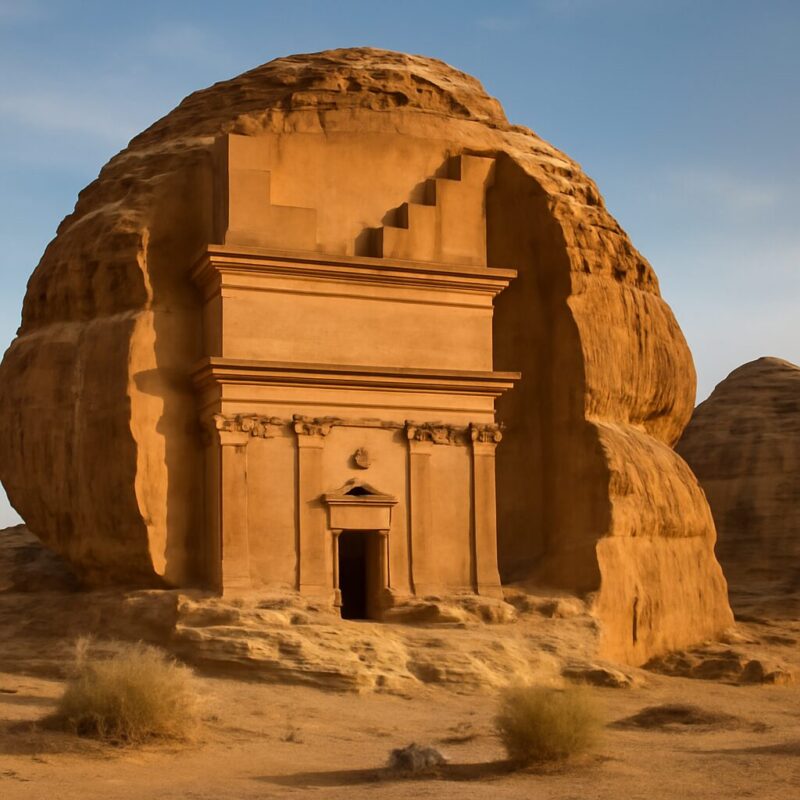
The practice of carving elaborate tombs directly into rock faces was not unique to the Nabataeans. Similar traditions can be seen in other ancient cultures, such as the Lycia rock cut tombs in Turkey and the Madain Saleh tombs in Saudi Arabia, the latter of which is another major Nabataean site.