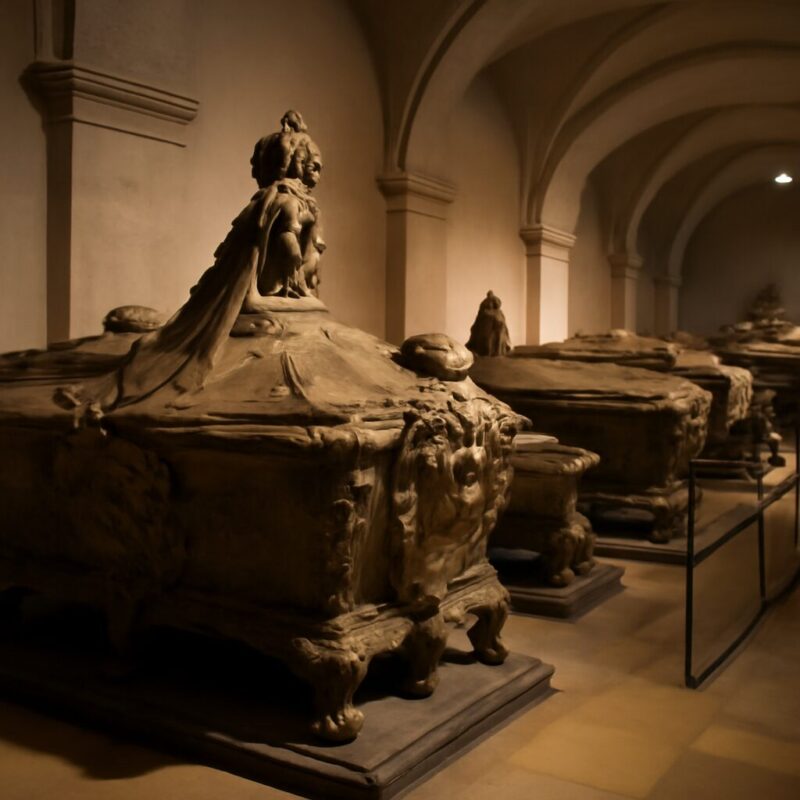
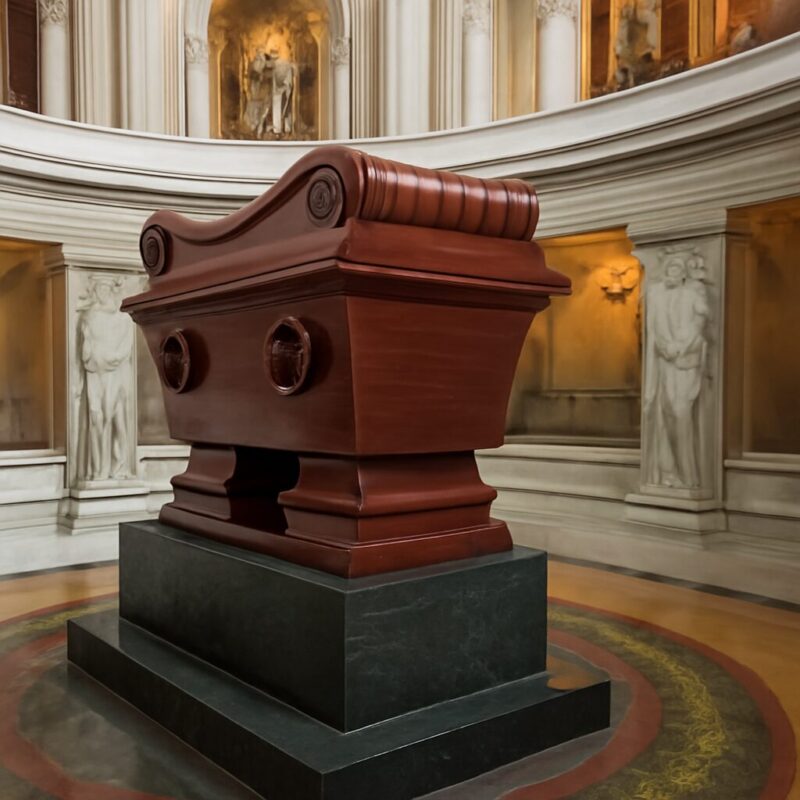
Beneath the soaring, golden dome of Les Invalides in Paris, Napoleon Bonaparte finally rests, though the grandeur suggests anything but stillness. His tomb is a colossal spectacle of imperial pride—a series of nested coffins, like a Russian doll forged from mahogany, lead, and ebony, all encased within a single, breathtaking block of deep red quartzite. Visitors peer down from a circular balcony into this stone well, a deliberate design that forces a posture of reverence. The polished floor around the sarcophagus is inlaid with a mosaic of laurel crowns and grand victories, a silent, gleaming echo of an empire lost. Sunlight filters through the oculus, painting the chamber in a celestial glow, a final, fitting stage for a man who forever straddled the line between mortal general and mythic sovereign.
Who Built Tomb of Napoleon?
The Architect and Commission
The Tomb of Napoleon, located in the Dôme des Invalides in Paris, was built under the direction of the French architect Louis Visconti. He was commissioned in 1842 by King Louis-Philippe I, following the return of Napoleon's remains from Saint Helena to France in 1840.
Purpose and Cultural Context
The tomb was constructed to serve as a grand national monument, transforming Napoleon Bonaparte from a controversial exiled emperor into a revered French legend. It was designed to permanently house his remains and solidify his legacy, reflecting the 19th-century European trend of creating monumental tombs for national heroes. The scale and opulence of the tomb, with its multiple sarcophagi and ornate setting, were intended to inspire patriotism and reflect France's imperial power, even in defeat.
Other Relevant Works by Louis Visconti
Louis Visconti was a prominent architect of his time. While he is most famous for Napoleon's tomb, another highly relevant commission was his work on the Tomb of Napoleon itself, which remains his masterpiece. He also designed the Fontaine Molière and the Fontaine Louvois in Paris, and was heavily involved in the expansion of the Louvre Palace. However, none of the other tombs listed were built by Visconti.
Comparable Monumental Tombs
In its function as a grand, state-commissioned mausoleum for a single, transformative ruler, Napoleon's tomb shares conceptual similarities with other monumental tombs from different cultures and eras. For example:
- Tomb of Cyrus the Great: An ancient, revered resting place for a foundational empire-builder.
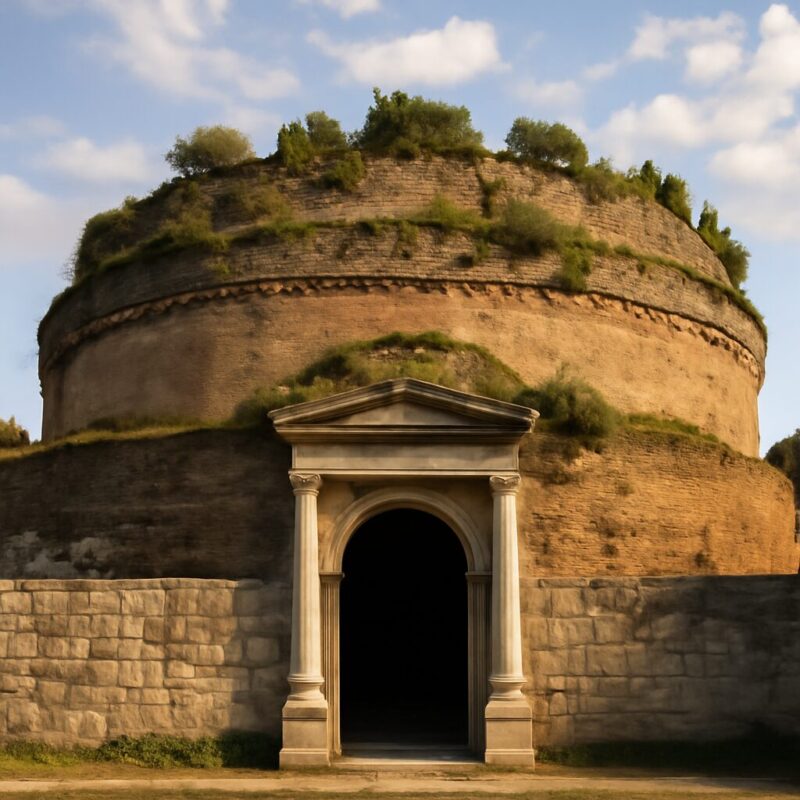
- Mausoleum of Augustus: A monumental tomb built for the first Roman emperor, establishing a dynastic and imperial precedent.
- Tomb of Timur: The grand Gur-e Amir in Samarkand, built for the powerful Central Asian conqueror.