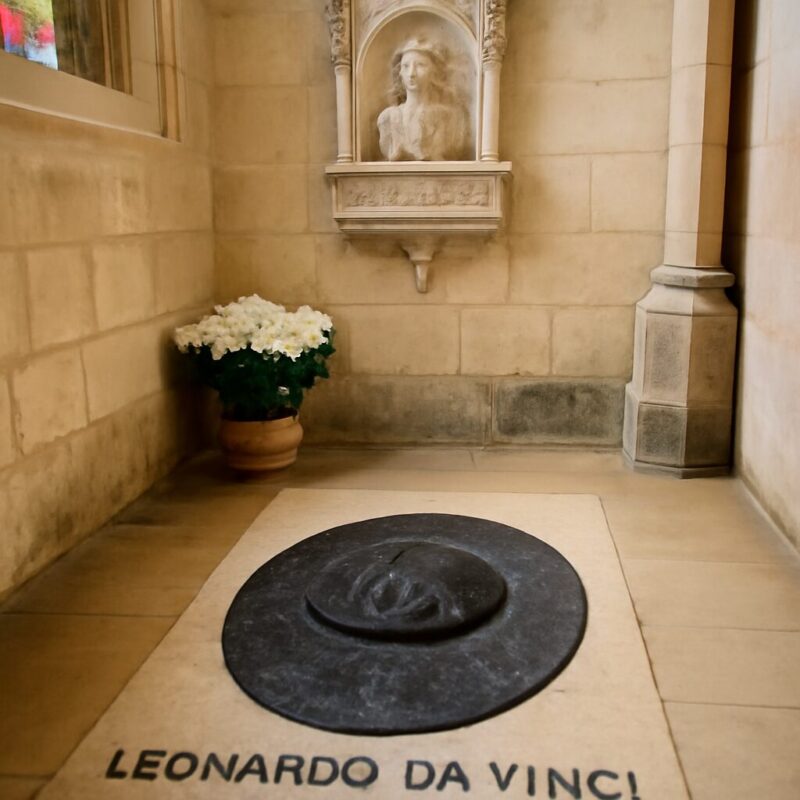
Nestled within the serene stone walls of the Chapel of Saint-Hubert at the Château d'Amboise, the tomb of Leonardo da Vinci feels more like a quiet whisper than a grand statement. Though his bones were lost to the tumult of the French Revolution and later wars, this elegant neo-Gothic monument, carved with the master's likeness and his coat of arms, stands as a poignant placeholder. It marks the final resting place of a mind that knew no borders, a Renaissance giant who spent his last years in the shadow of this very castle, dreaming of flight and perfecting the smile of a woman forever known as Mona Lisa. Visitors often pause here, not just to see a tomb, but to feel the lingering presence of boundless curiosity itself.
Who Built Tomb of Leonardo da Vinci?
The Builder and Purpose of Leonardo da Vinci's Tomb
The tomb of Leonardo da Vinci was not built by the Renaissance master himself, but was created to house his remains much later. Leonardo died in 1519 in Amboise, France, and was originally interred in the collegiate church of Saint Florentin. This church was largely destroyed after the French Revolution. In 1863, his presumed bones were rediscovered and, in 1874, they were re-interred in the Chapel of Saint-Hubert at the Château d'Amboise. The tomb was therefore built under the direction of the French state and the château's restorer, with the ornate neo-Gothic chapel itself dating from the 1490s. The tomb exists to honor and provide a final resting place for one of history's greatest polymaths, reflecting the 19th-century French veneration for Renaissance genius.
Cultural Context and Related Monuments
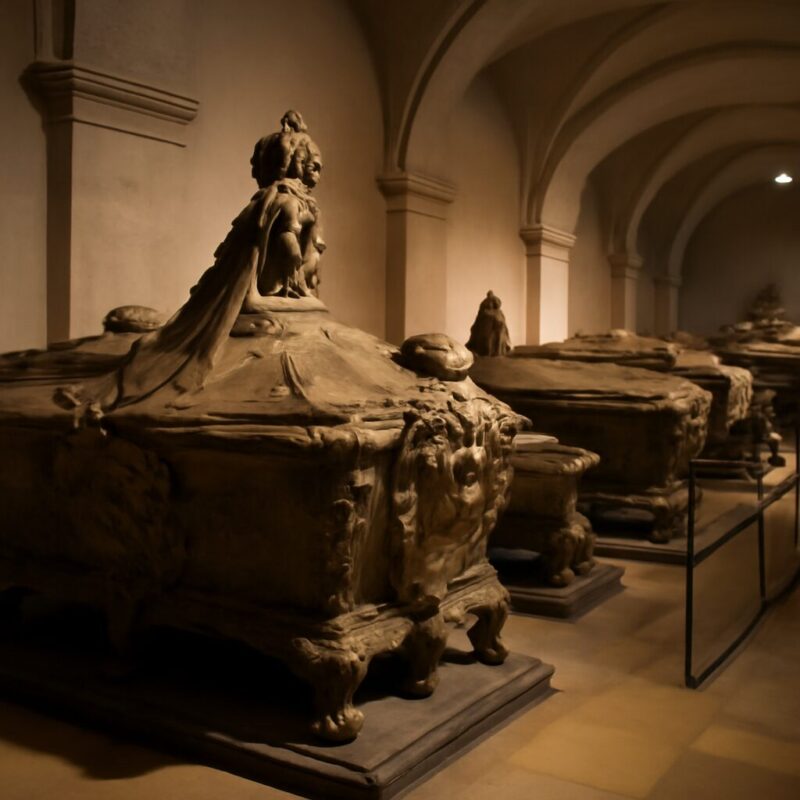
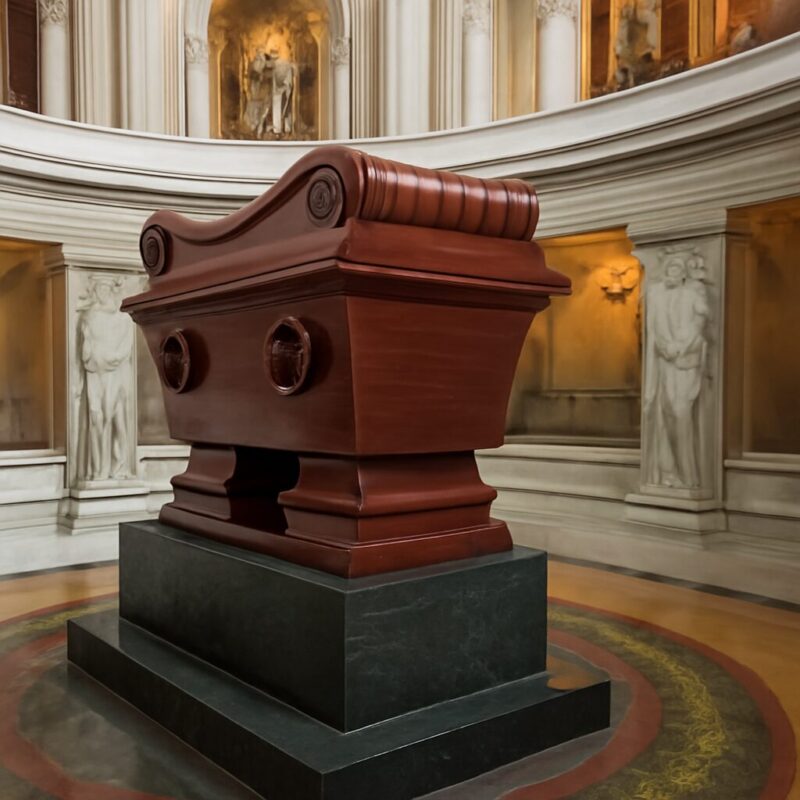
The tomb is a product of 19th-century European historic preservation and nationalism, where great figures of the past were enshrined as cultural heroes. This practice of creating or re-establishing monumental tombs for iconic individuals connects to a wider, global tradition of building elaborate tombs for rulers, saints, and heroes. For instance, the Tomb of Napoleon in Paris is another quintessential example of a French state-commissioned tomb for a monumental historical figure, built to assert national identity and legacy.
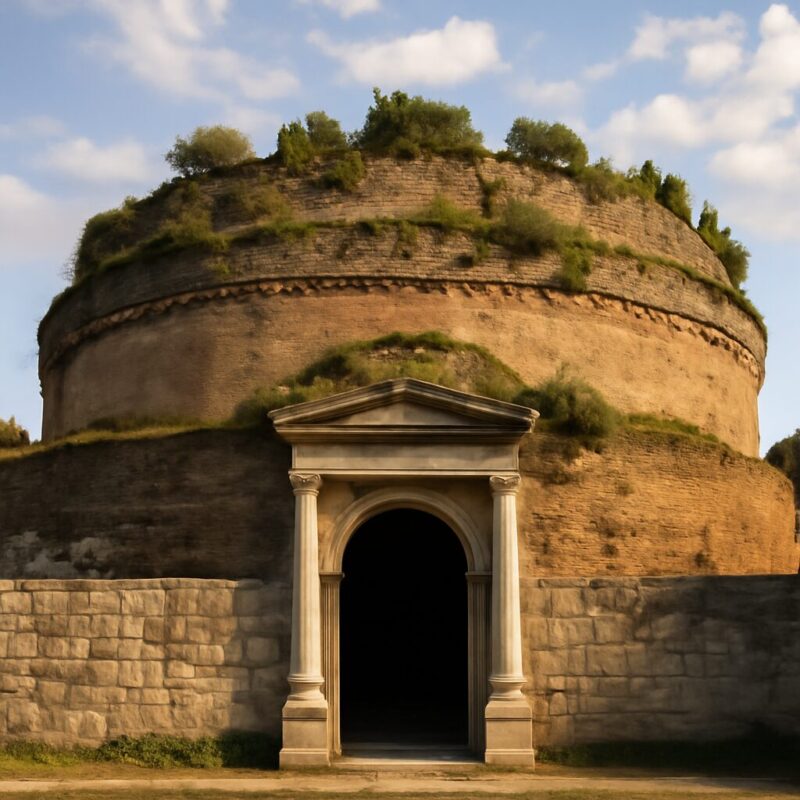
While the chapel housing Leonardo is Gothic, his own work influenced countless later structures. In the broader context of monumental tombs built by or for powerful rulers, one can look to the Mausoleum of Augustus, built by Rome's first emperor, or the Taj Mahal, a Mughal emperor's tribute to his wife. These, like Leonardo's memorial site, were designed to project permanence, power, and reverence across centuries.