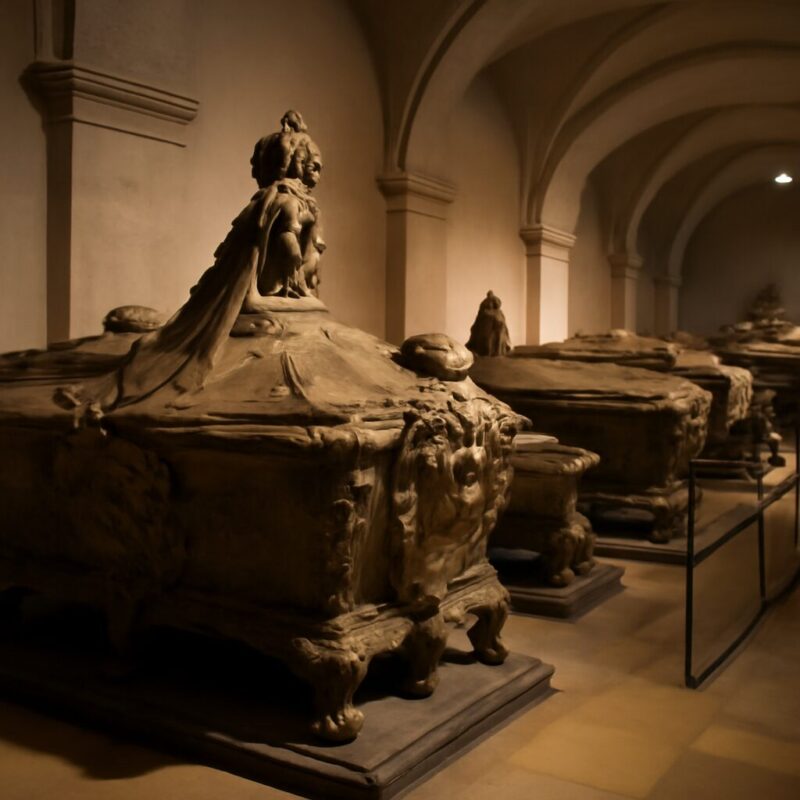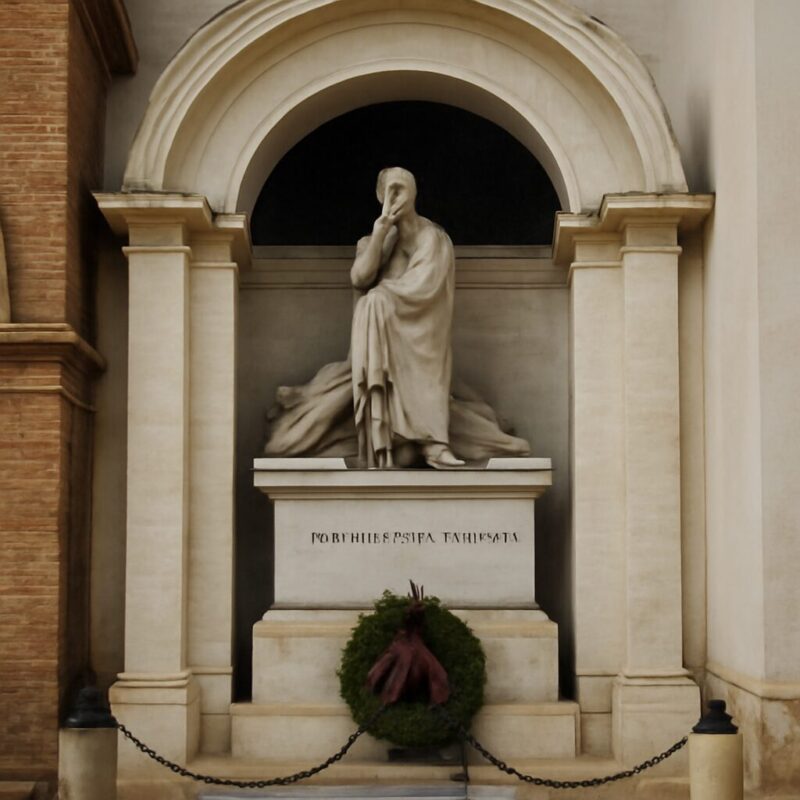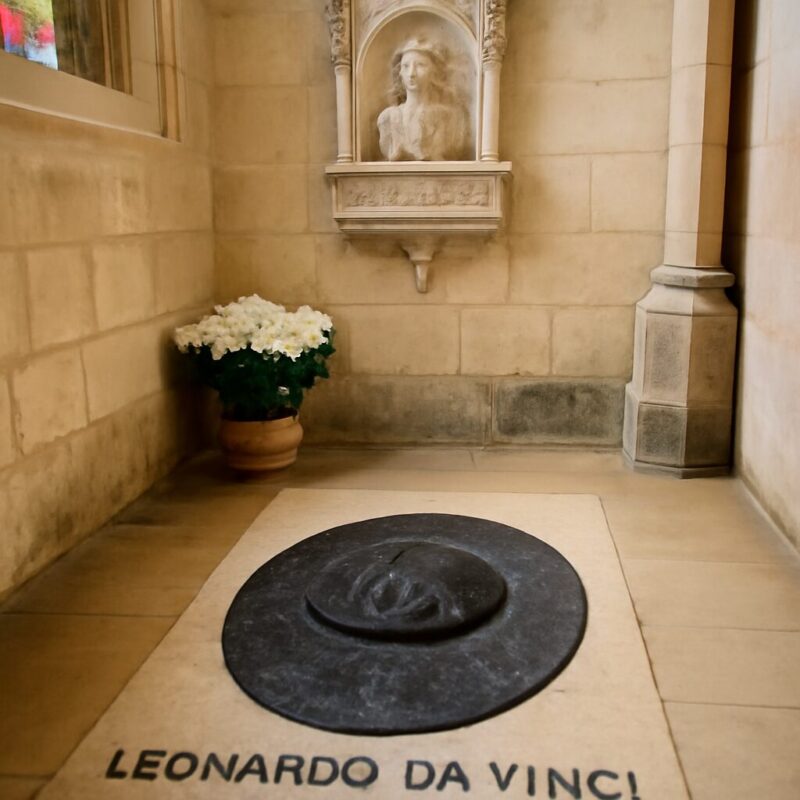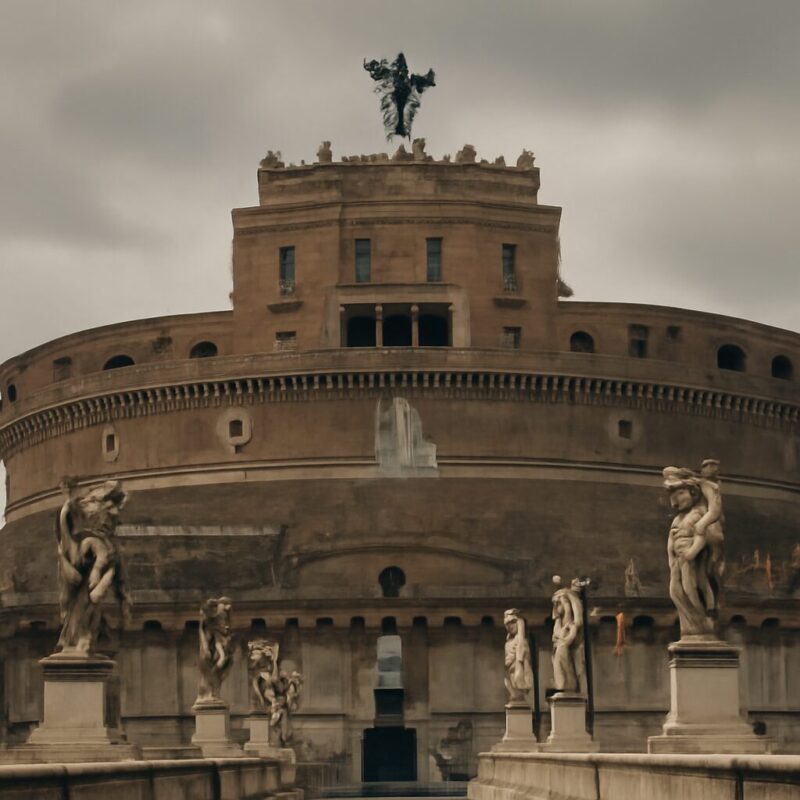
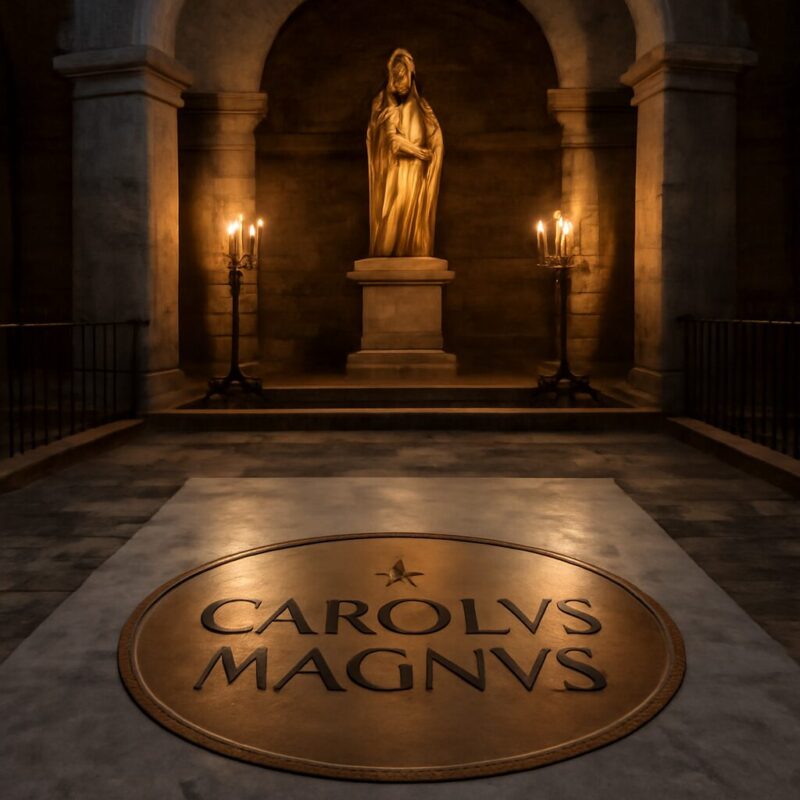
Nestled within the heart of Aachen Cathedral, the final resting place of Charlemagne is a study in quiet power. For centuries, his bones lay in a simple stone sarcophagus, a humble container for the man who forged an empire and was crowned the first Holy Roman Emperor. The atmosphere around the tomb feels thick with the weight of history, a palpable silence that seems to echo with the footsteps of medieval pilgrims and kings who came to pay homage. Today, visitors encounter a far grander spectacle: a magnificent golden shrine, a masterpiece of medieval goldsmithing commissioned centuries after his death. This dazzling reliquary, studded with gems and intricate figures, doesn't just hold his remains; it encapsulates the towering myth he became, a saint-king forever enshrined in light and reverence, while the man himself rests in the shadows below.
Who Built Grave of Charlemagne?
Who Built the Grave of Charlemagne?
The final resting place of Charlemagne, the first Holy Roman Emperor, is located within Aachen Cathedral in Germany. The original grave was established by Charlemagne himself, who commissioned the Palatine Chapel (the core of the cathedral) and was buried there upon his death in 814 AD. However, the most significant construction associated with his tomb was initiated by Emperor Otto III, who located and opened the grave around 1000 AD. The most famous extant monument, the gilded Shrine of Charlemagne, was commissioned by Emperor Frederick II and completed around 1215 AD.
Why Was It Built?
The tomb and its subsequent monuments were built for several interconnected reasons, reflecting the political and religious culture of medieval Europe:
Imperial Legitimacy
Later emperors, particularly from the Ottonian and Hohenstaufen dynasties, venerated Charlemagne's grave to connect their rule to his legacy, using his symbolic power to bolster their own authority as successors to the Roman Empire.
Religious Veneration
Charlemagne was canonized (though his sainthood is not widely recognized today) which made his tomb a site of pilgrimage. The lavish shrine served as a focal point for this devotion, housing his relics.
Architectural Statement
The integration of the tomb into the cathedral, one of the oldest in northern Europe and a UNESCO World Heritage site, emphasized the unity of imperial and ecclesiastical power, a cornerstone of the Holy Roman Empire's ideology.
Other Relevant Constructions
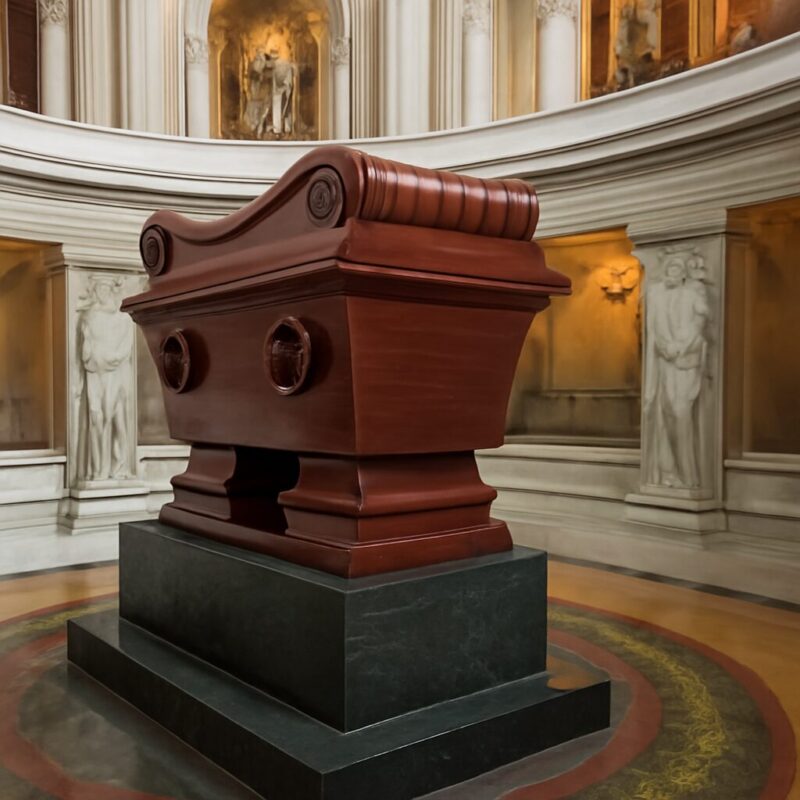
The culture of building monumental imperial tombs to project power and ensure legacy connects Charlemagne's grave to other significant mausolea. A highly relevant comparison from your list is the Tomb of Napoleon. Both are the graves of transformative European rulers re-interred in grandiose monuments within a national architectural masterpiece (Les Invalides in Paris) by later regimes seeking to appropriate their historical prestige.