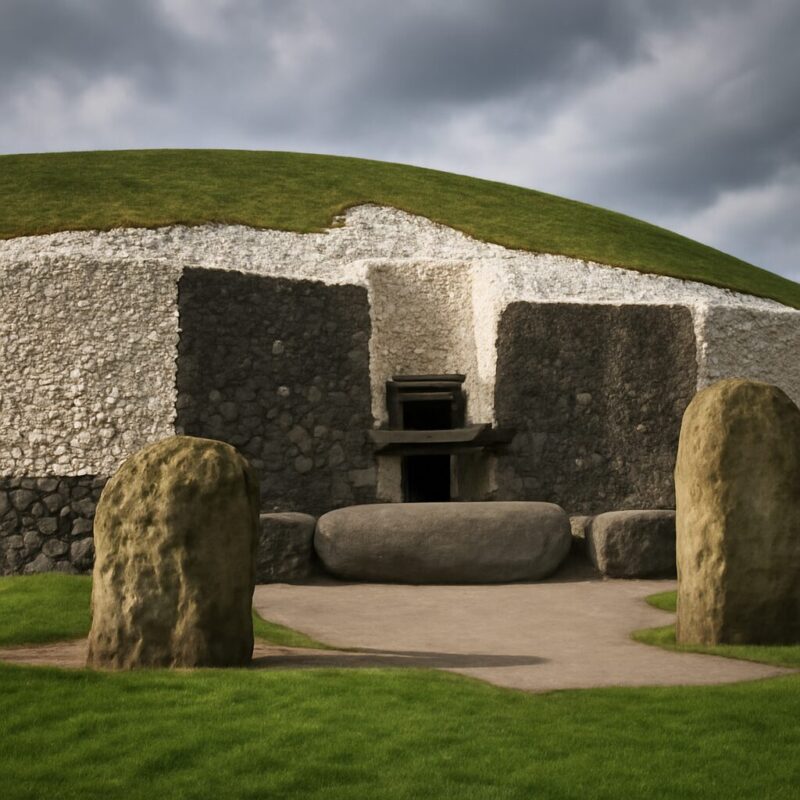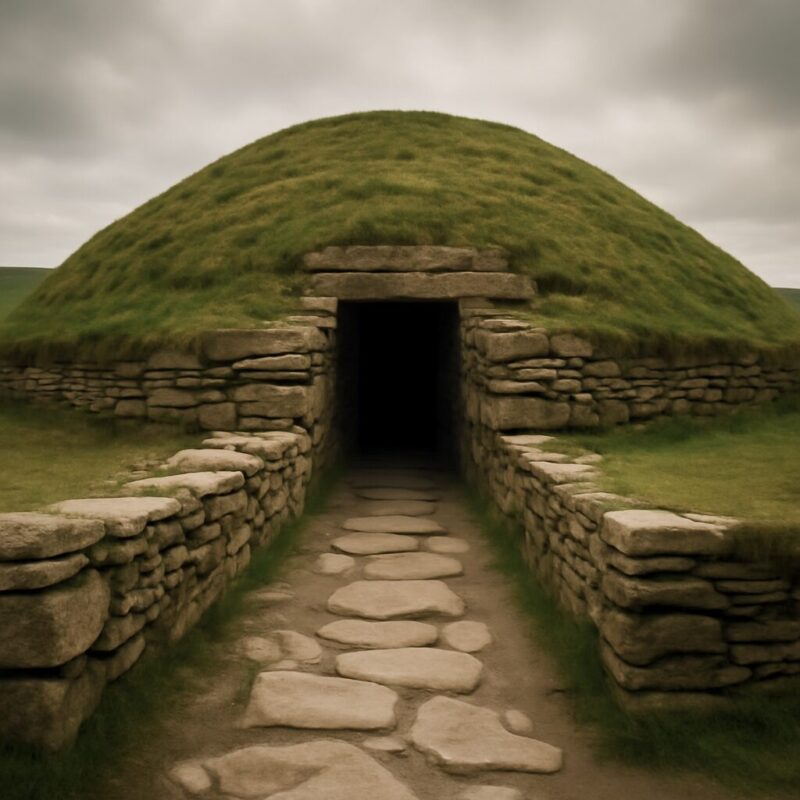
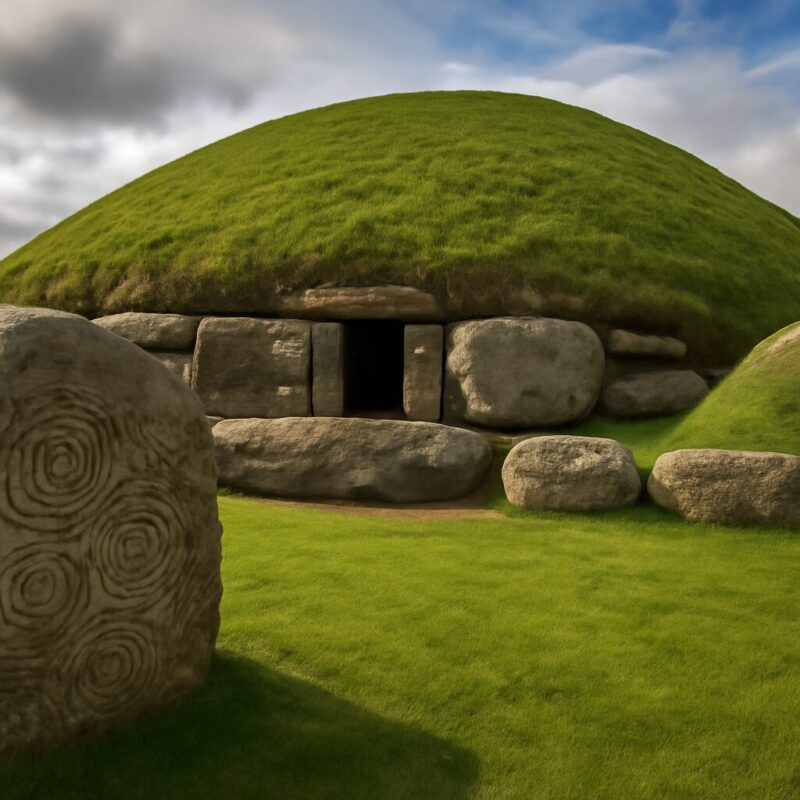
Imagine a grassy hill, not a hill at all but a sleeping giant of history. This is Knowth, the great central mound of the Brú na Bóinne complex in Ireland, older than the pyramids. Its claim to fame isn't just its immense, rounded presence, but its skin—a staggering collection of over a third of all known megalithic art in Western Europe is carved into the kerbstones that encircle its base. Spirals, lozenges, and mysterious symbols whisper a language we've forgotten.
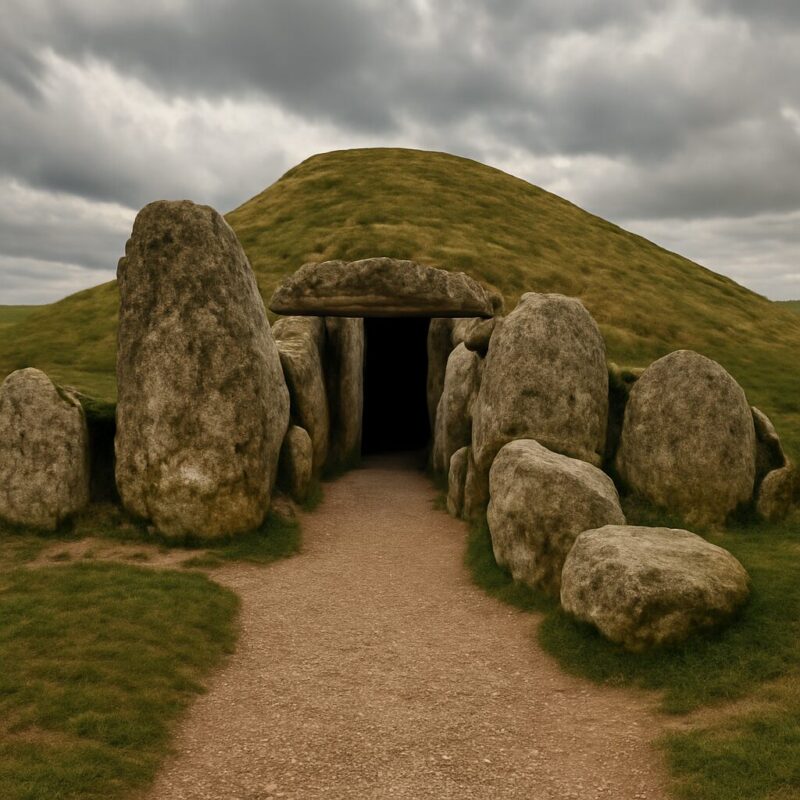
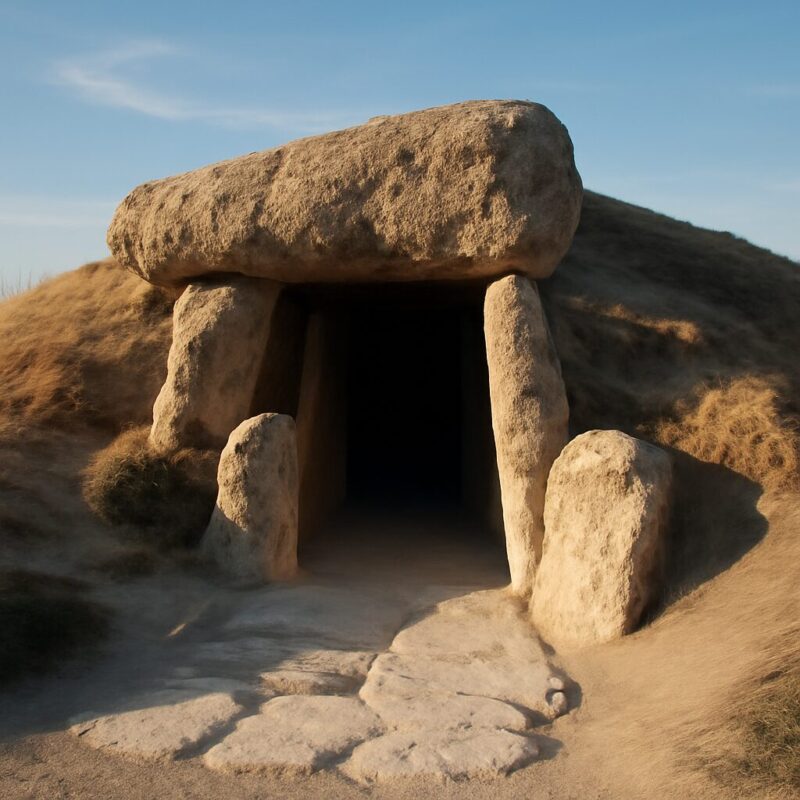
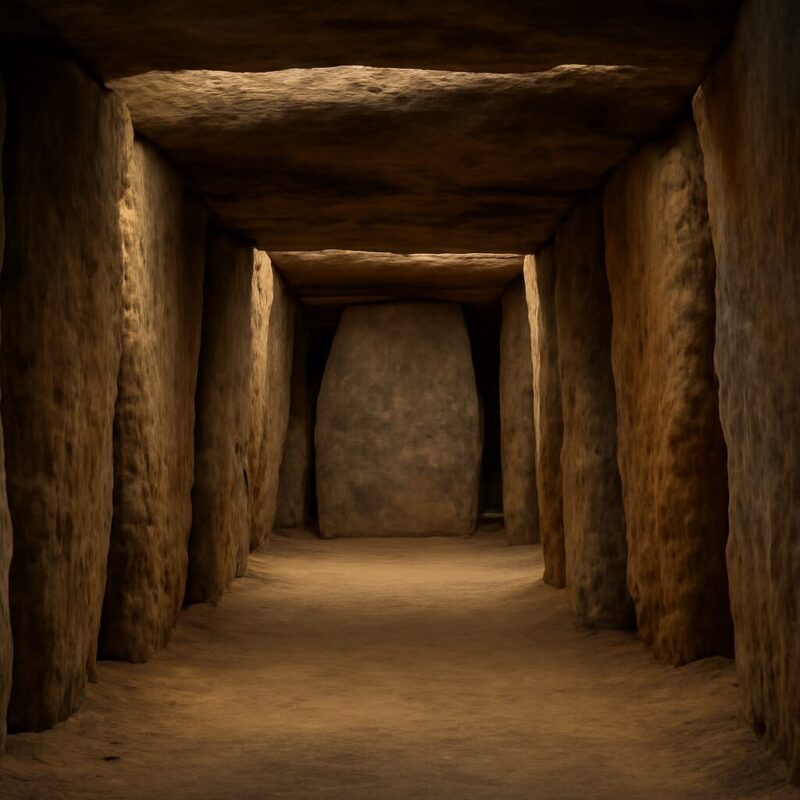
But Knowth holds more secrets. Beneath the central mound lies a cruciform passage tomb, a dark, stone-lined corridor leading to a sacred chamber. And around it, like chicks around a hen, sit nearly twenty smaller satellite tombs, each a monument in its own right. For centuries, it was more than a tomb; it was a fortress for kings, a dwelling for later settlers, a site continuously revered and reused. It is not a silent relic, but a layered storybook, its deepest pages written in stone five millennia ago.
Who Built Knowth?
Who Built Knowth?
Knowth was built by a Neolithic farming community belonging to the wider cultural complex often referred to as the "Boyne Valley culture" or "Passage Tomb builders" of prehistoric Ireland. These people were part of a sophisticated society that flourished in the region around 3200 BCE. They were skilled astronomers, engineers, and artists.
Why Was Knowth Built?
Knowth served primarily as a passage tomb, a monumental burial place for the remains of the community's elite, likely a ruling spiritual or political dynasty. Its alignment and construction also suggest it functioned as a ceremonial center and an astronomical observatory, marking important solar events like the equinoxes. The extensive megalithic art carved on its stones may have held religious or cosmological significance.
Related Structures from the Same Culture
The same Neolithic culture that built Knowth also constructed the other great passage tombs in the Brú na Bóinne complex. Most notably, they built Newgrange, which is famous for its winter solstice alignment. These sites, along with others like Dowth, form a UNESCO World Heritage Site representing one of the most important prehistoric landscapes in Europe.