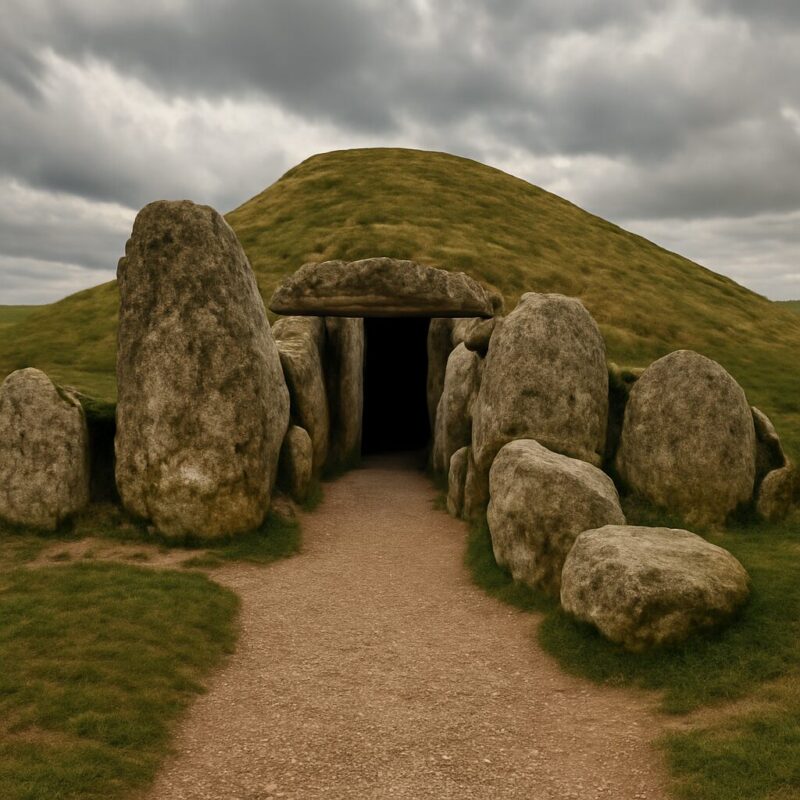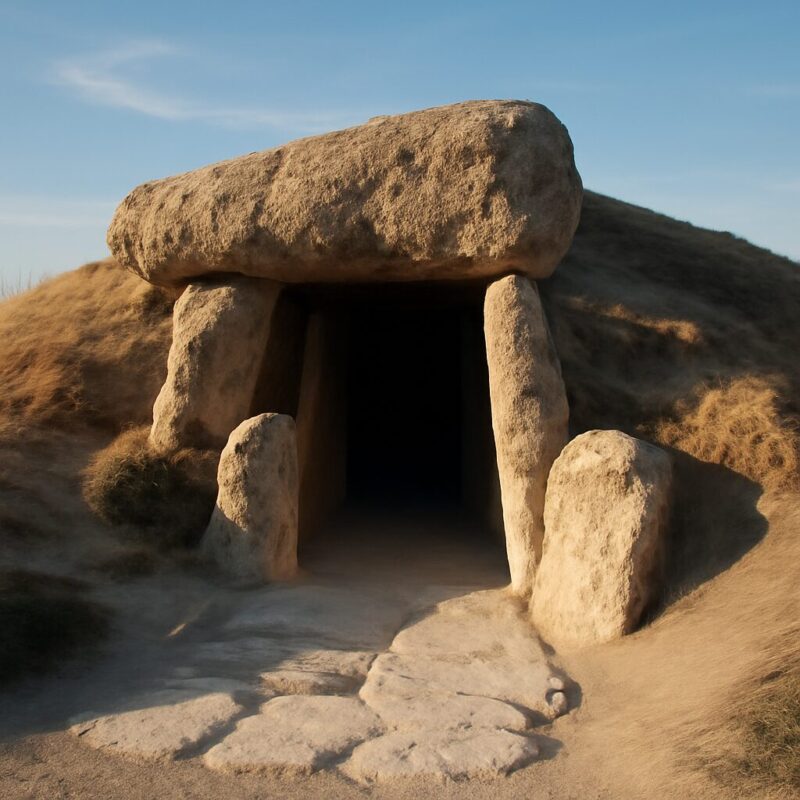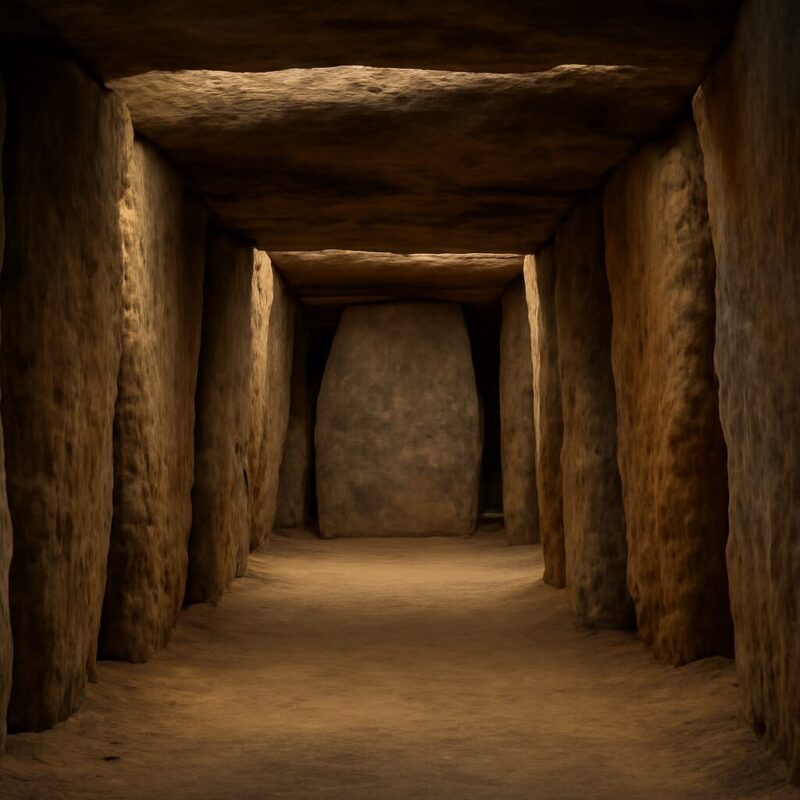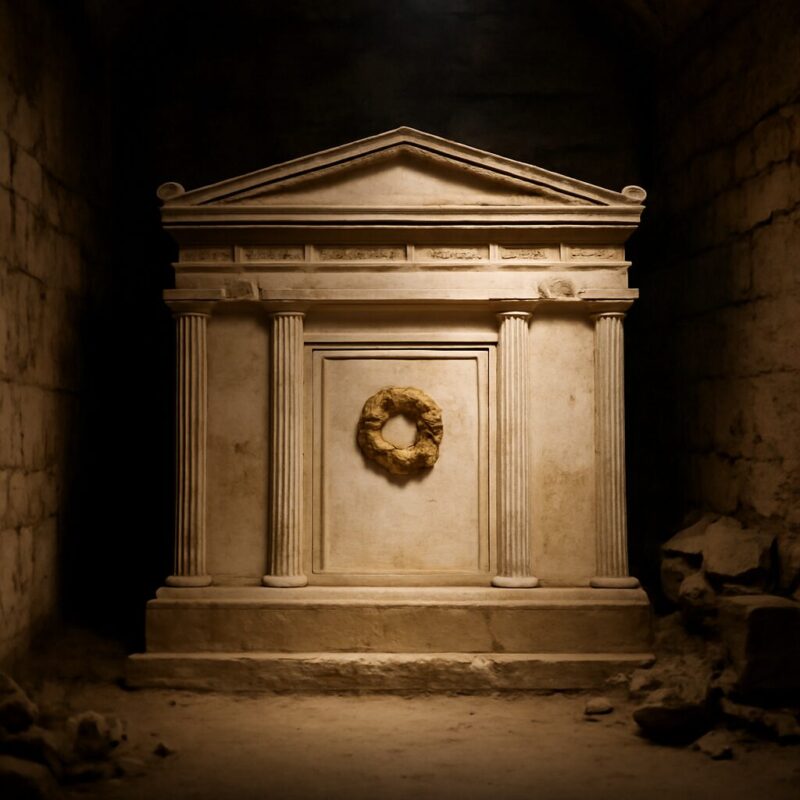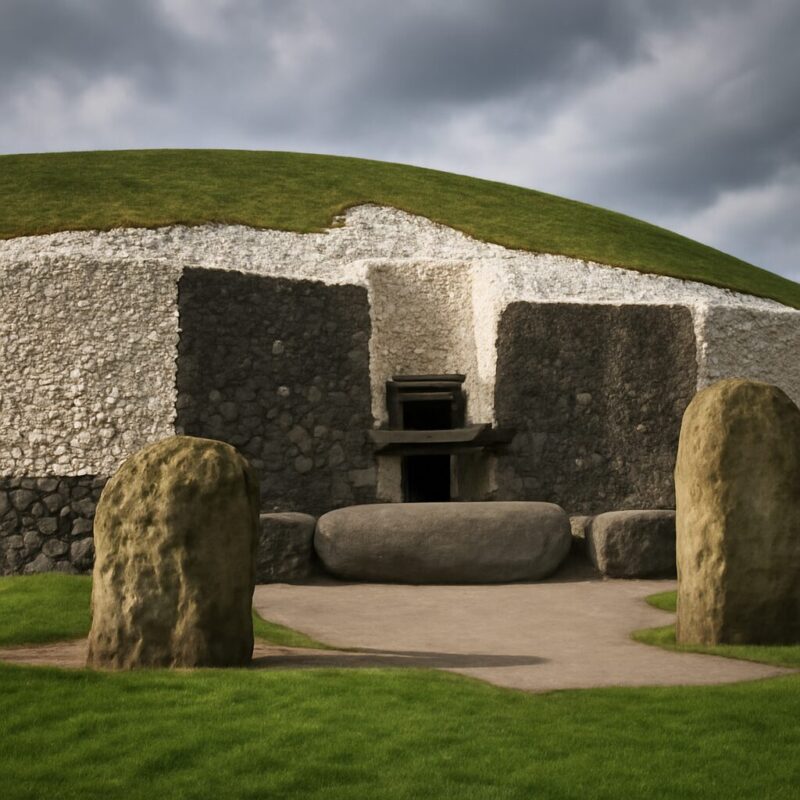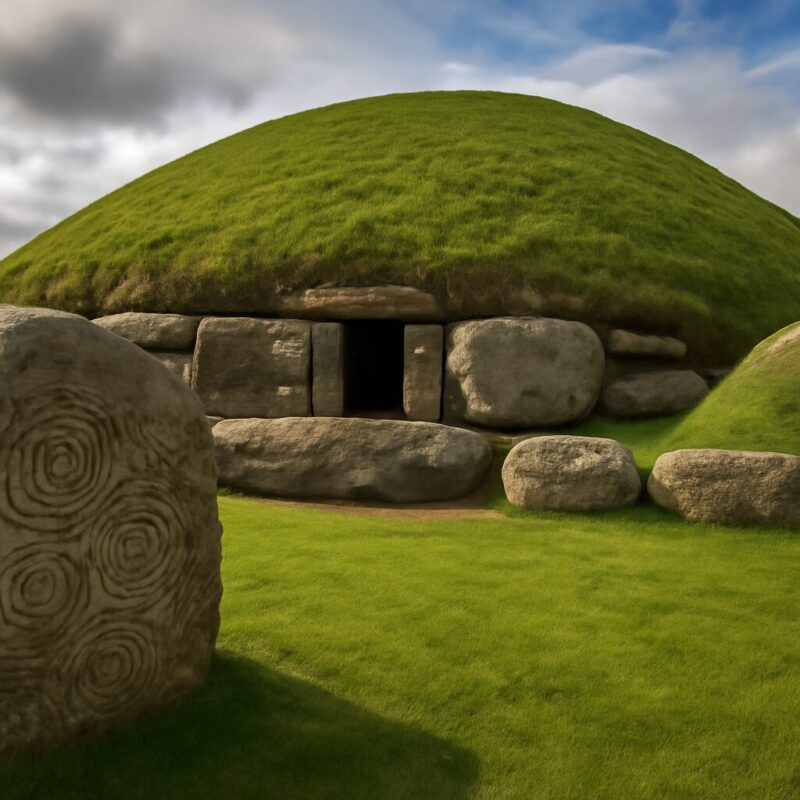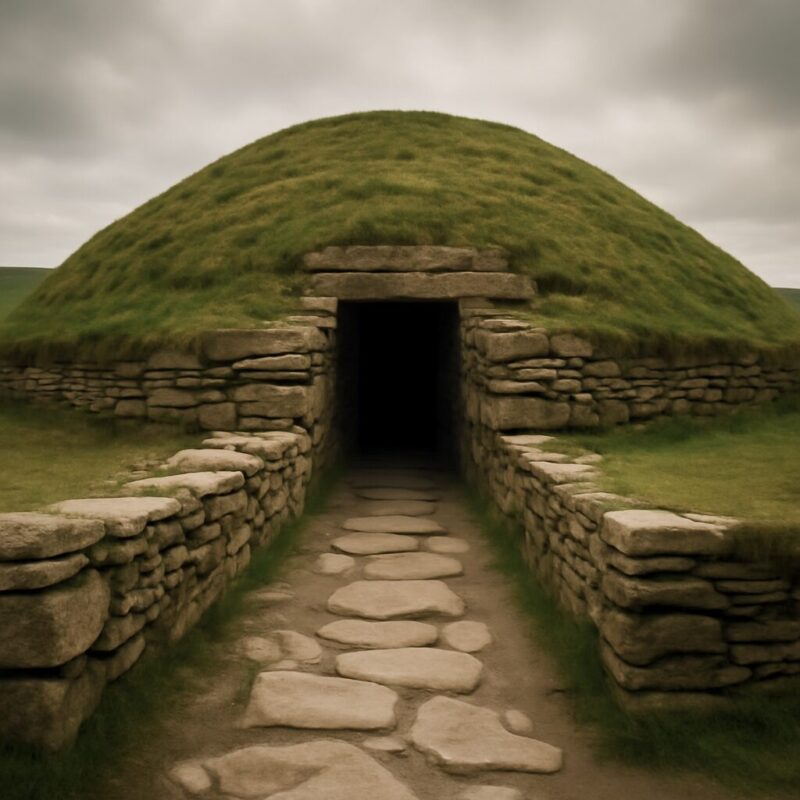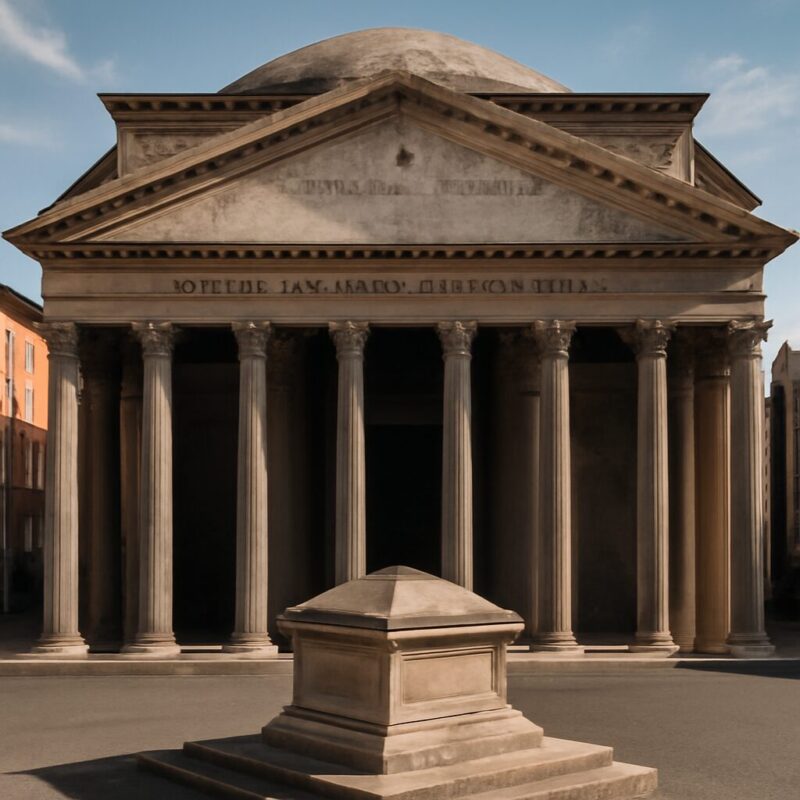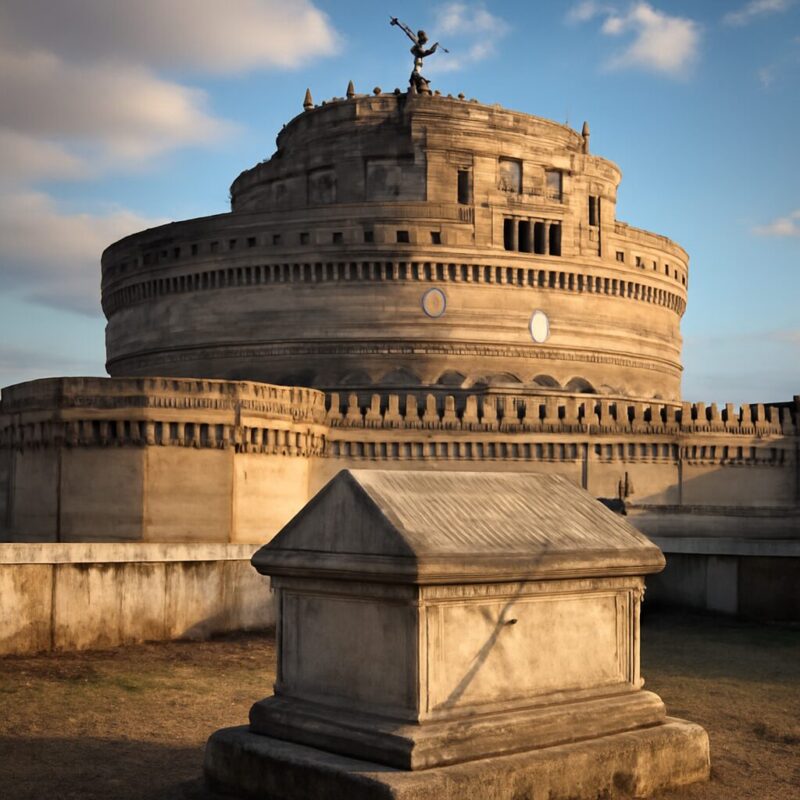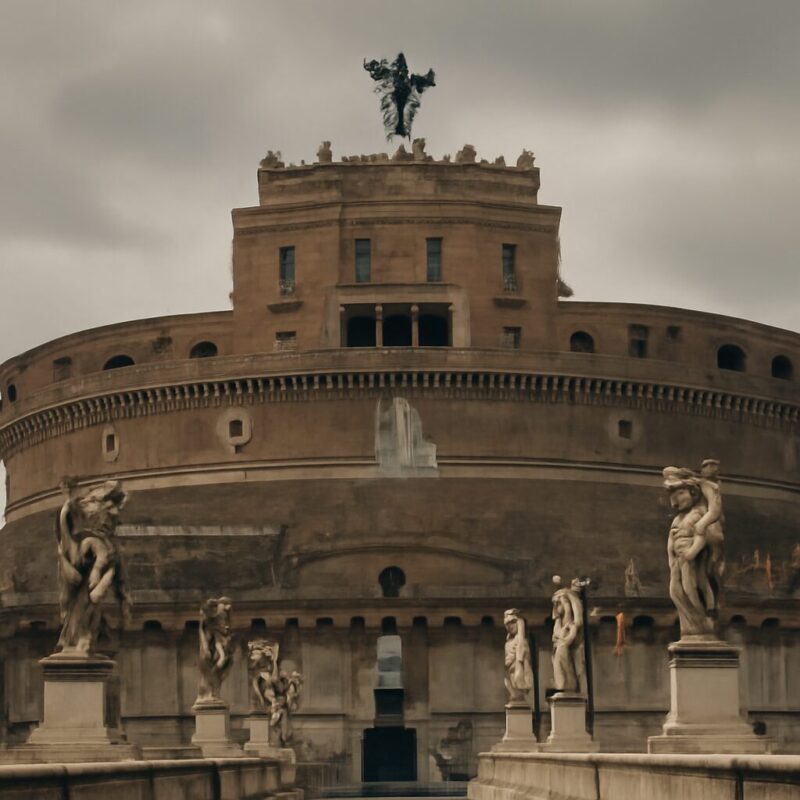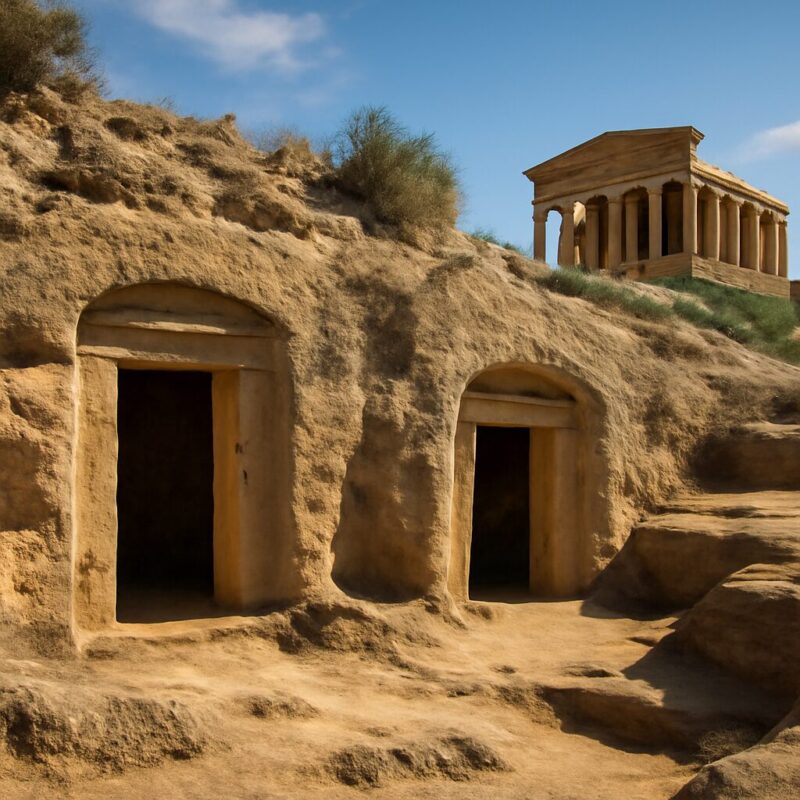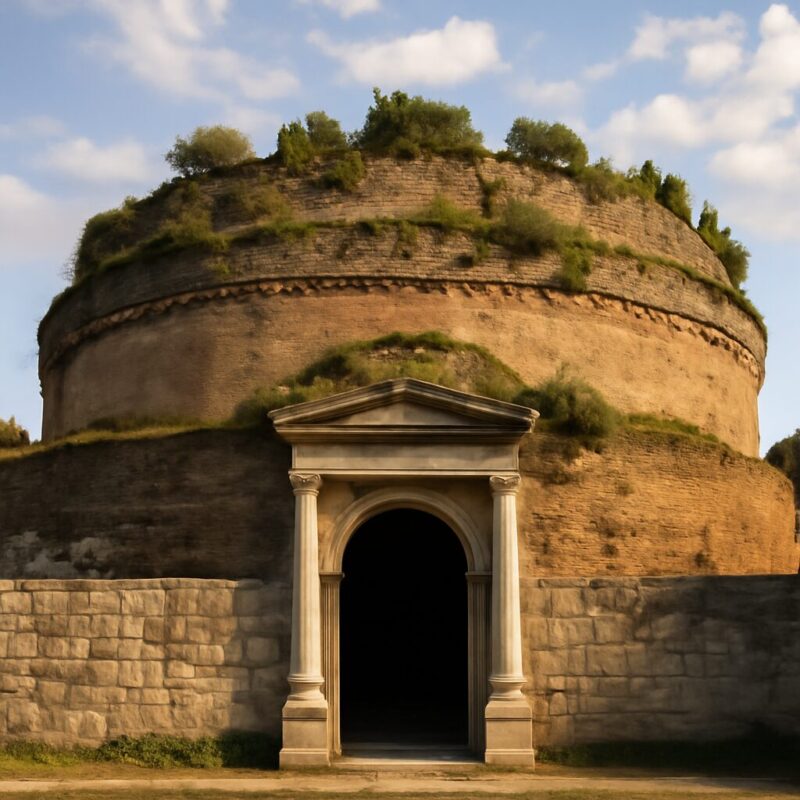
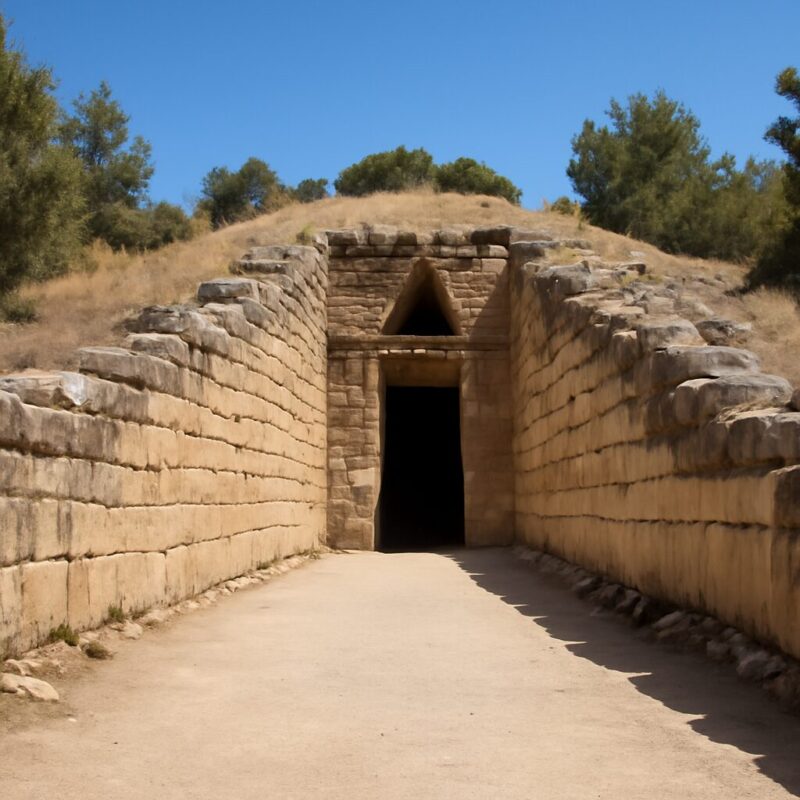
Imagine a hidden hillside, a secret door to the underworld. This is the tholos tomb of the Mycenaean lords, a monumental beehive of stone built for eternity. From the outside, it’s a mere earthen mound, but within lies a soaring, corbelled dome—a false vault where each ring of stones leans inward, a masterpiece of Bronze Age engineering. A long, dramatic passageway, the dromos, cuts into the earth, leading to a towering doorway capped by a single, staggering lintel stone, often weighing over a hundred tons. Stepping inside is to enter a profound silence under that immense, shadowy dome, a space meant to hold not just the remains of kings and their riches, but their everlasting power. These were not mere graves; they were statements in stone, declaring a dynasty's glory to both the living and the gods long after the funeral pyres had cooled.
Who Built Mycenaean tholos tombs?
Who Built the Mycenaean Tholos Tombs?
The Mycenaean tholos tombs were built by the Mycenaean civilization, a Late Bronze Age culture (c. 1600–1100 BCE) centered on mainland Greece. This was a warrior aristocracy, likely led by powerful kings or wanakes, who ruled from palace complexes like those at Mycenae, Tiryns, and Pylos.
Why Were They Built?
These monumental tombs served as the final resting places for the Mycenaean elite, primarily royalty and high-ranking nobles. Their construction served several key purposes:
- Display of Power & Wealth: The enormous effort required to build these stone corbel-domed tombs demonstrated the ruler's control over resources and labor.
- Religious & Funerary Function: They facilitated elaborate burial rites and were designed for successive burials, housing multiple family members along with rich grave goods for the afterlife.
- Legacy & Ancestor Veneration: As highly visible landmarks in the landscape, they permanently commemorated the ruling lineage and reinforced their divine or heroic status.
Other Structures Built by the Mycenaeans
The Mycenaeans were also master builders of fortified citadels featuring massive Cyclopean walls, grand palace complexes centered around a megaron (throne room), and sophisticated infrastructure like bridges and dams.
Related Tombs from Other Cultures
While the Mycenaean tholos is a distinctive beehive-shaped tomb, other ancient cultures created similarly impressive subterranean or rock-cut tombs for their elites:
- The Lycia rock cut tombs in Anatolia share the concept of elaborate, facade-carved tombs for the ruling class.
- The concept of a royal necropolis with monumental tombs is also seen in the Valley of the Kings in Egypt.
- For a different form of elite burial from a later European warrior society, see the ship burial at Sutton Hoo.