Who Built Pantheon?
Who Built the Pantheon?
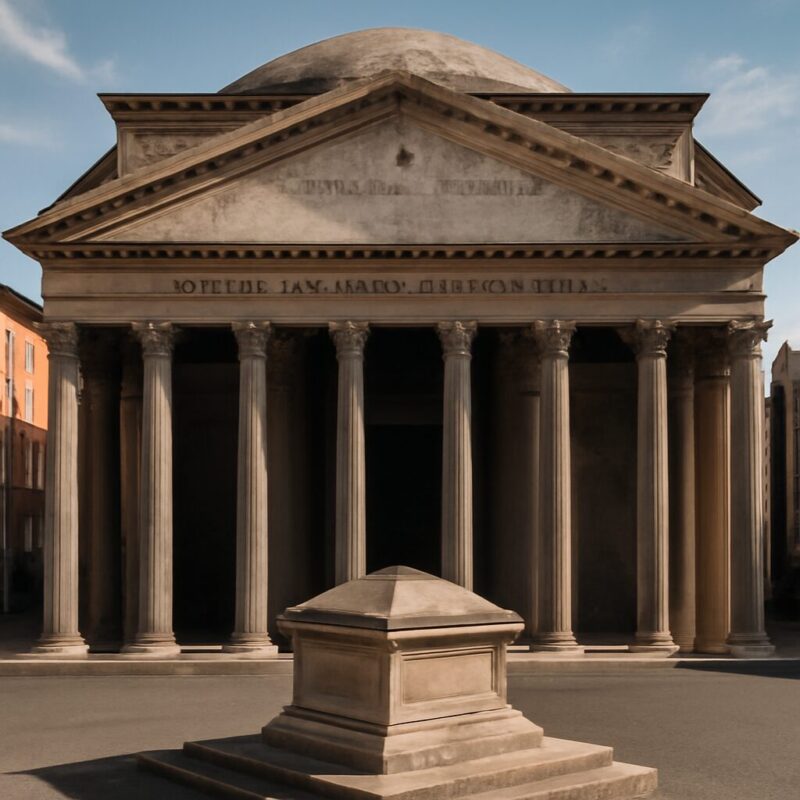
The Pantheon in Rome was originally built by Marcus Agrippa, a close ally and son-in-law of Emperor Augustus, around 27-25 BC. However, the iconic structure we see today was completely rebuilt by Emperor Hadrian around 126 AD after the earlier building was destroyed by fire.
Why Was the Pantheon Built?
Agrippa's original Pantheon was built as a temple dedicated to all the gods of Ancient Rome (the name "Pantheon" means "all gods"). Hadrian's reconstruction maintained this religious function but also served as a grand architectural statement of imperial power and the engineering prowess of the Roman Empire. Its revolutionary design, featuring the world's largest unreinforced concrete dome with a central oculus, was intended to create a symbolic connection between the temple and the heavens.
Other Structures Built by the Romans
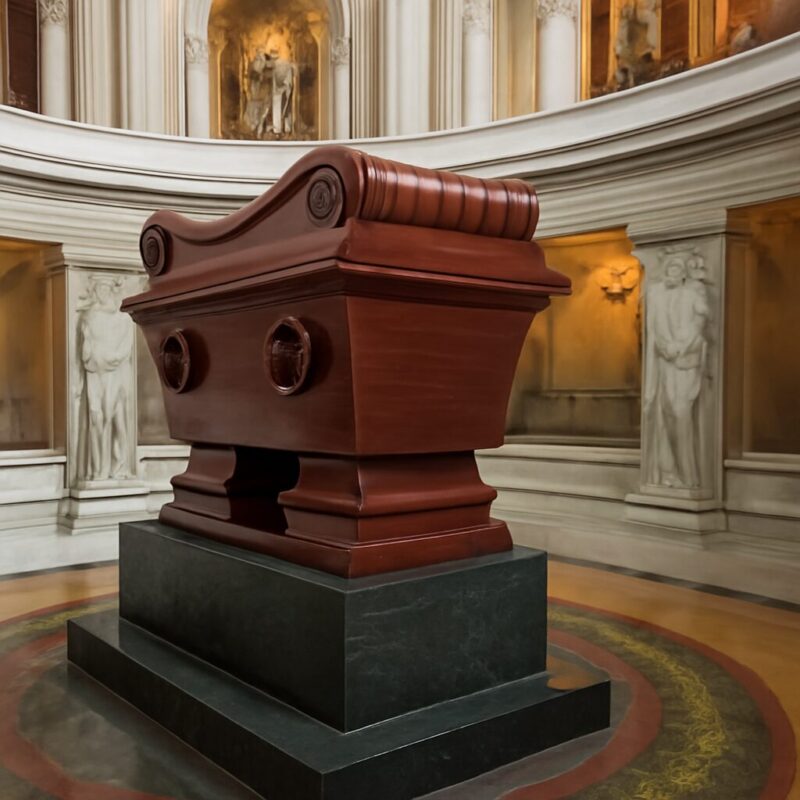
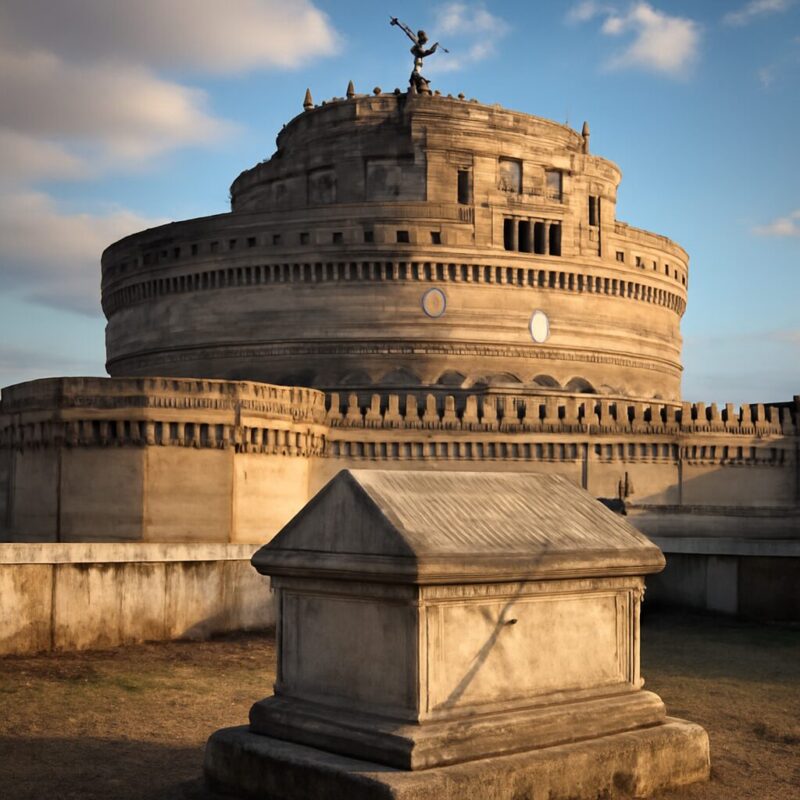
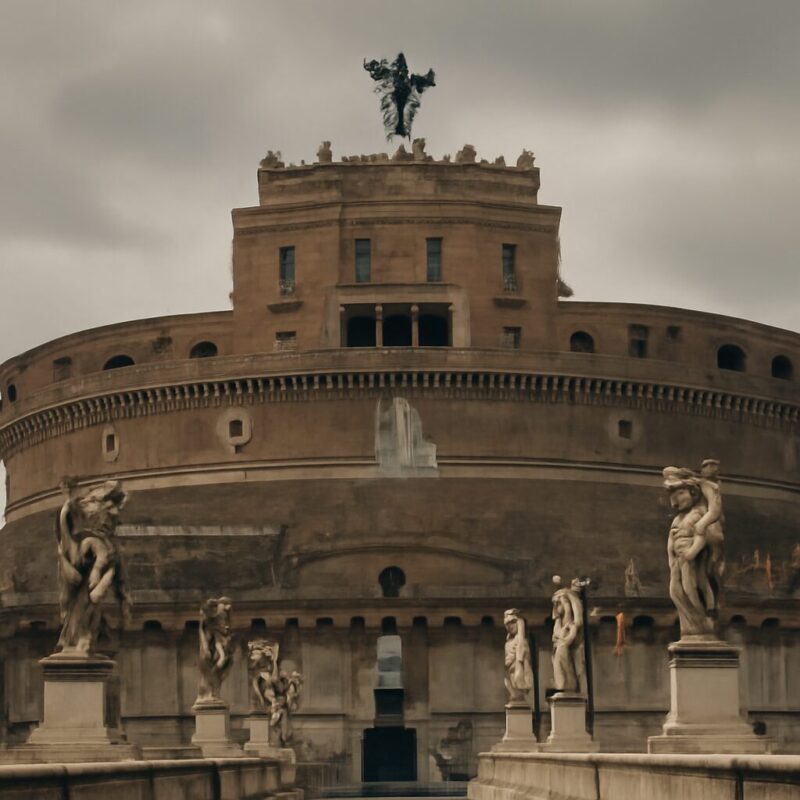
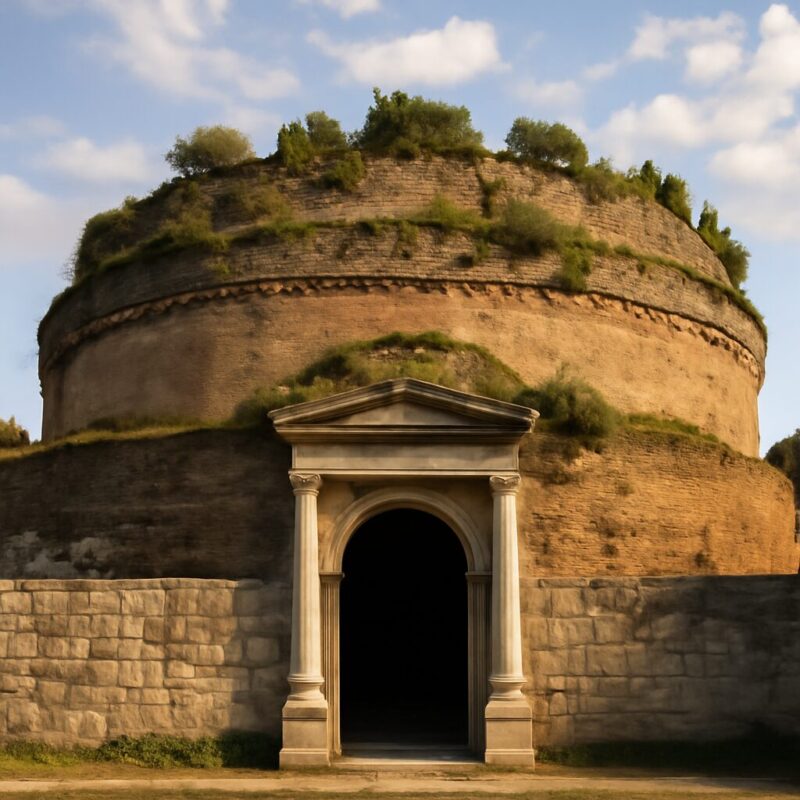
The Romans, particularly during the Imperial era, were prolific builders of monumental tombs and mausoleums for their emperors and elite. This funerary architecture was a key part of Roman culture, designed to ensure the legacy and memory of the deceased. From your list, a highly relevant structure built by the Romans is the Mausoleum of Augustus, the grand tomb built by Rome's first emperor. Another significant Roman tomb is the Castel Sant’Angelo, which originated as the Mausoleum of Hadrian, the very emperor who rebuilt the Pantheon.