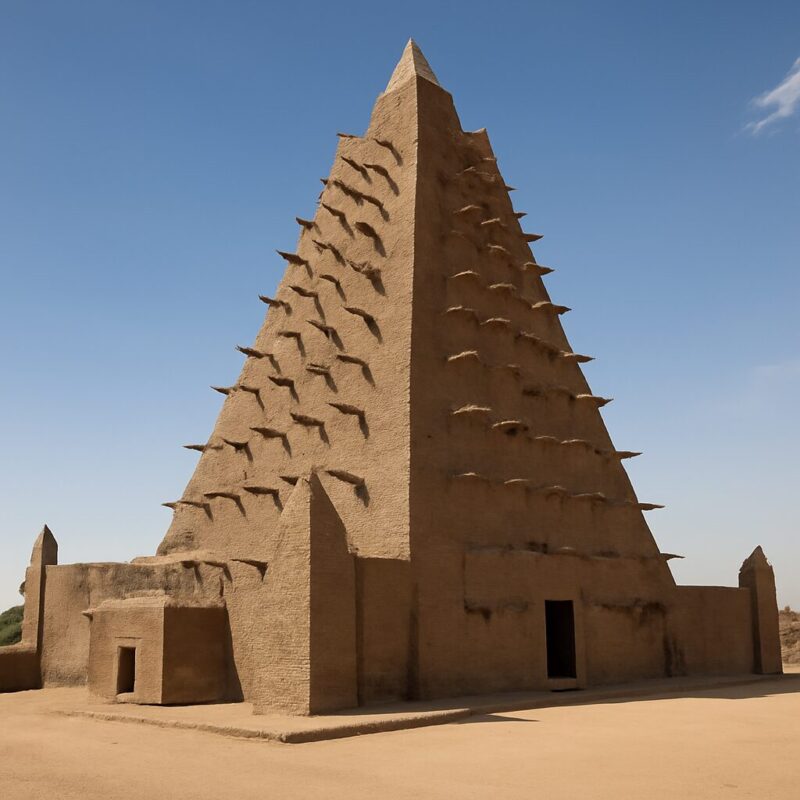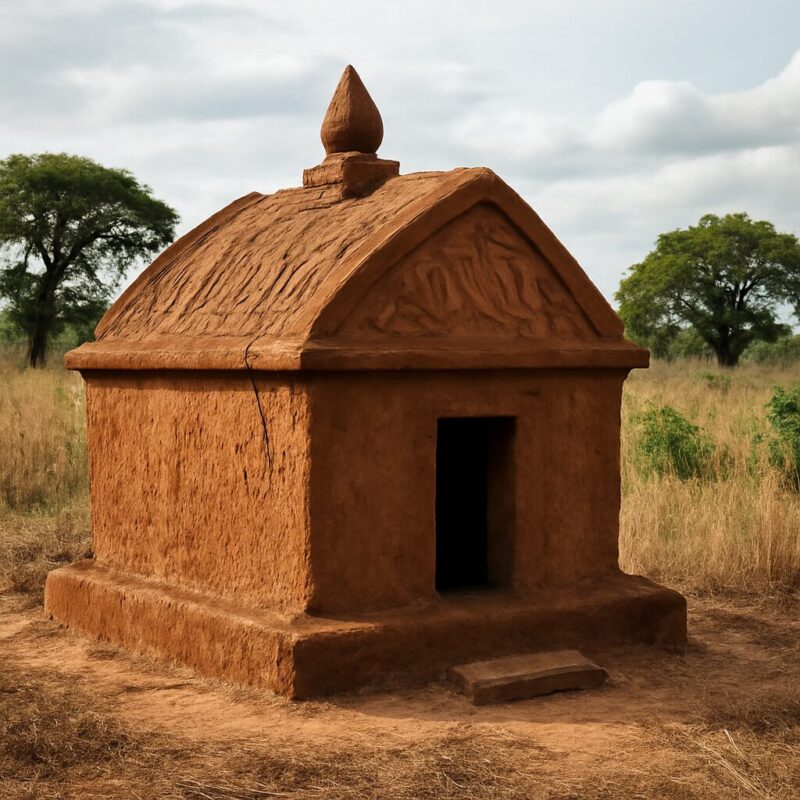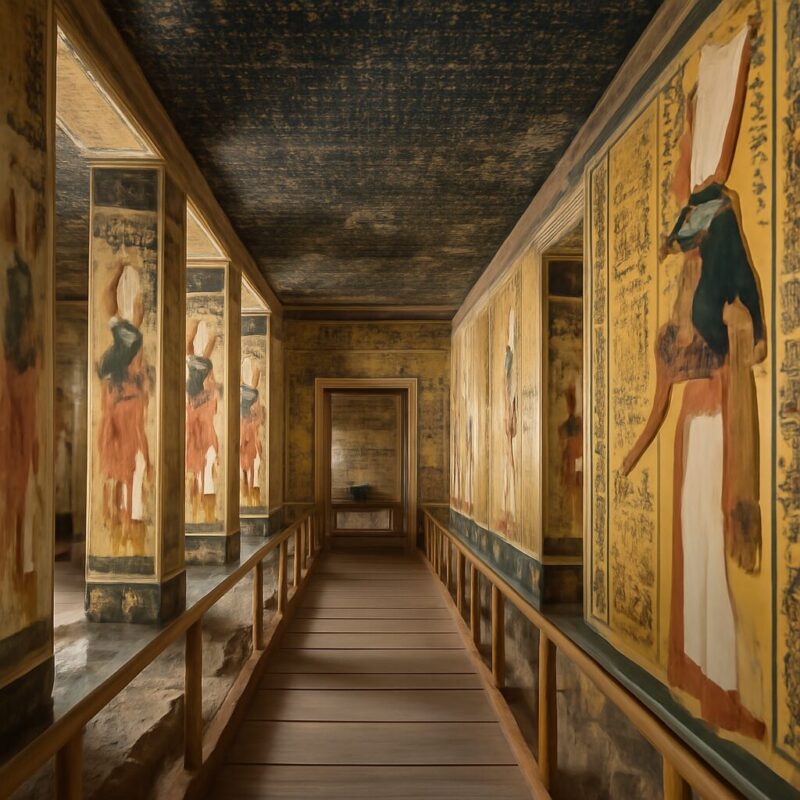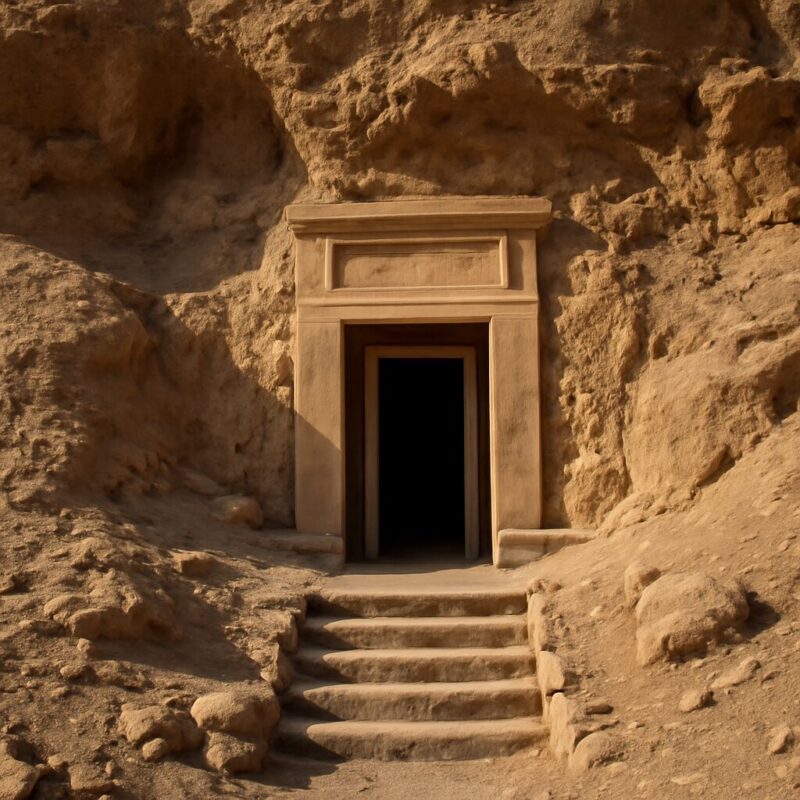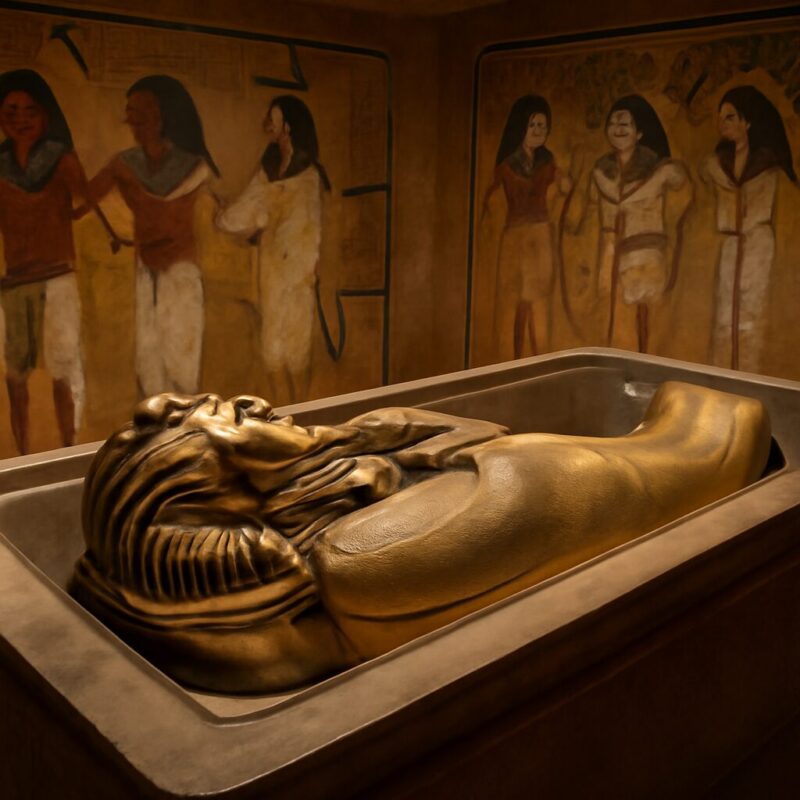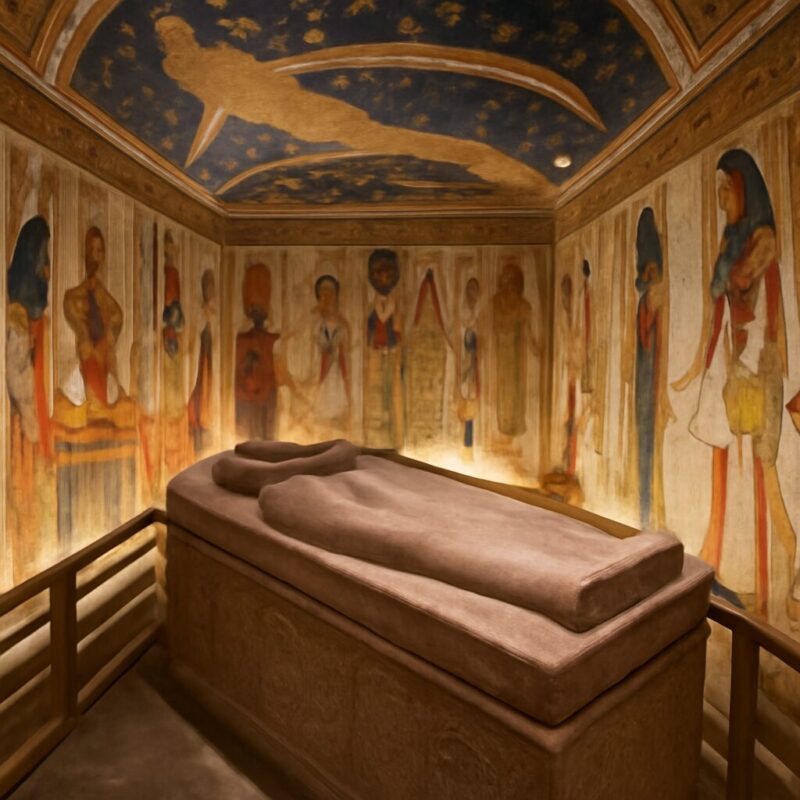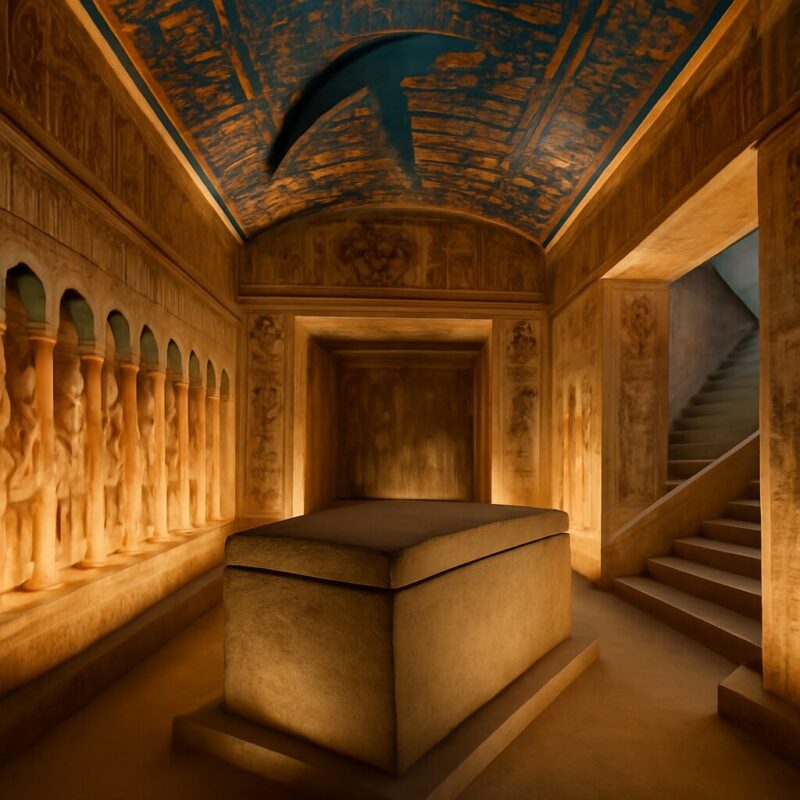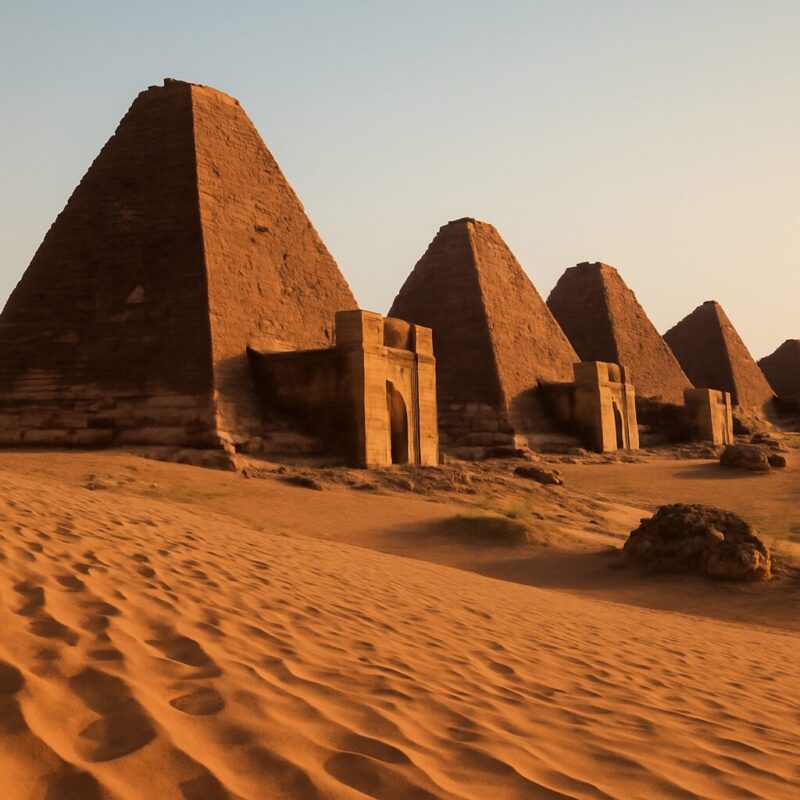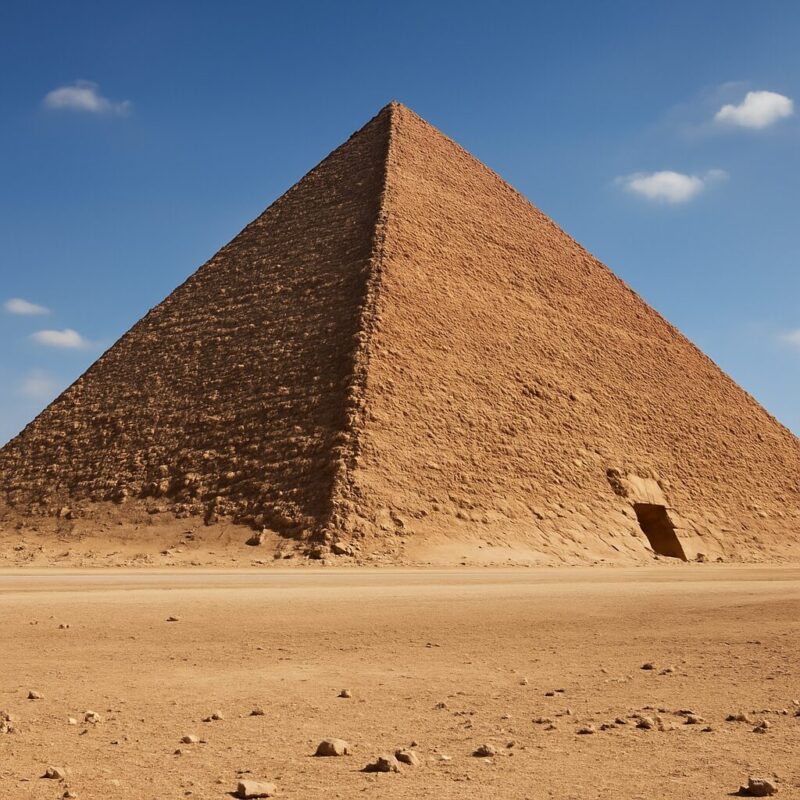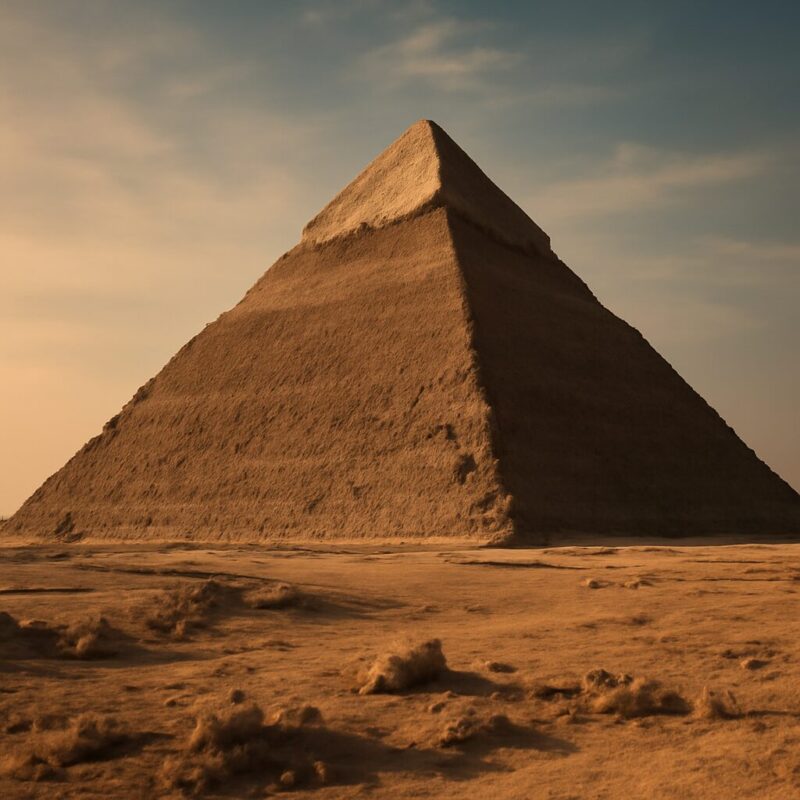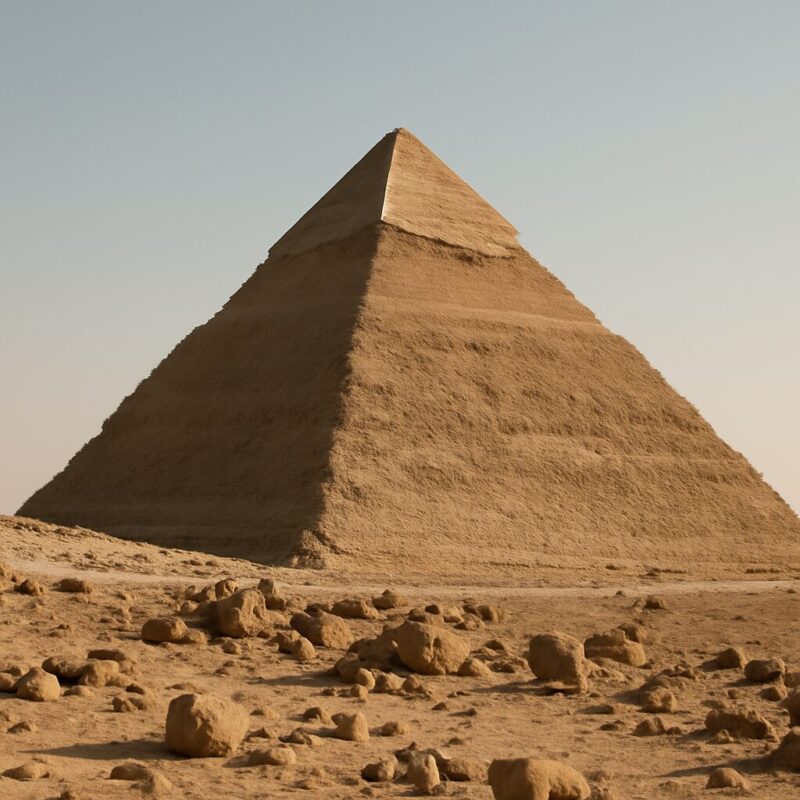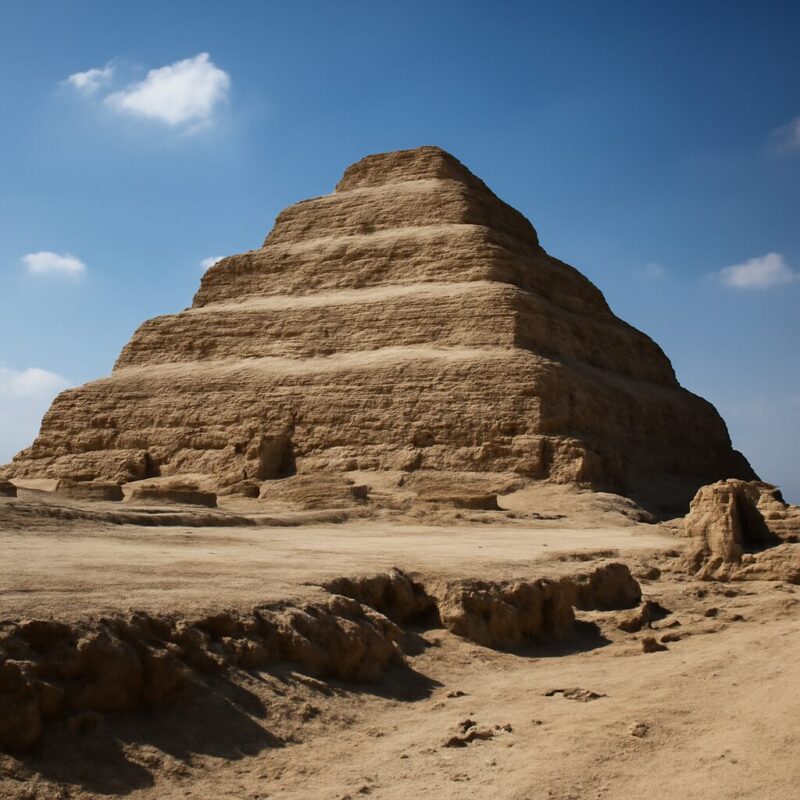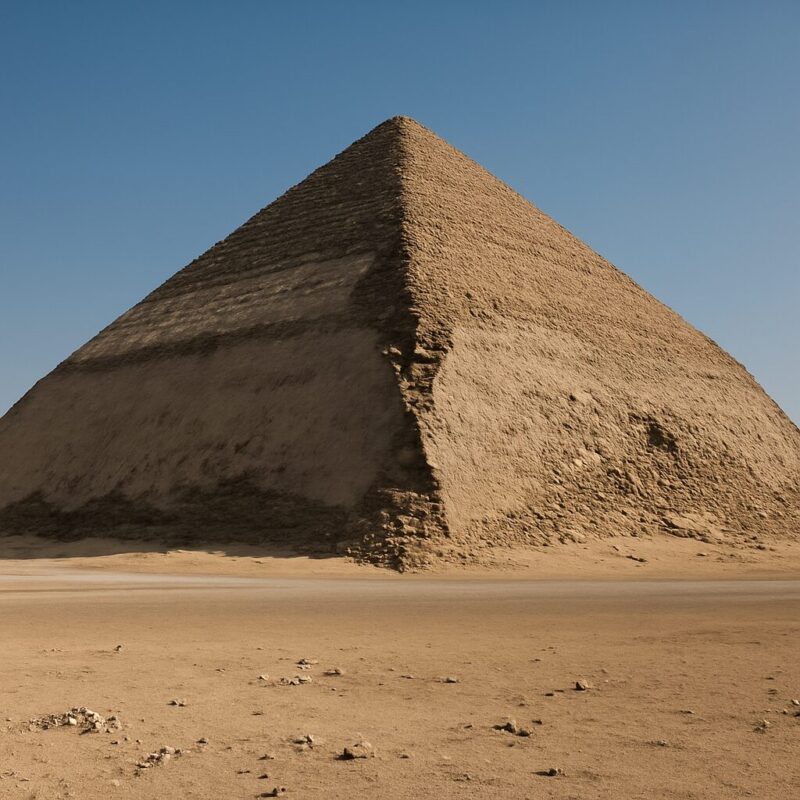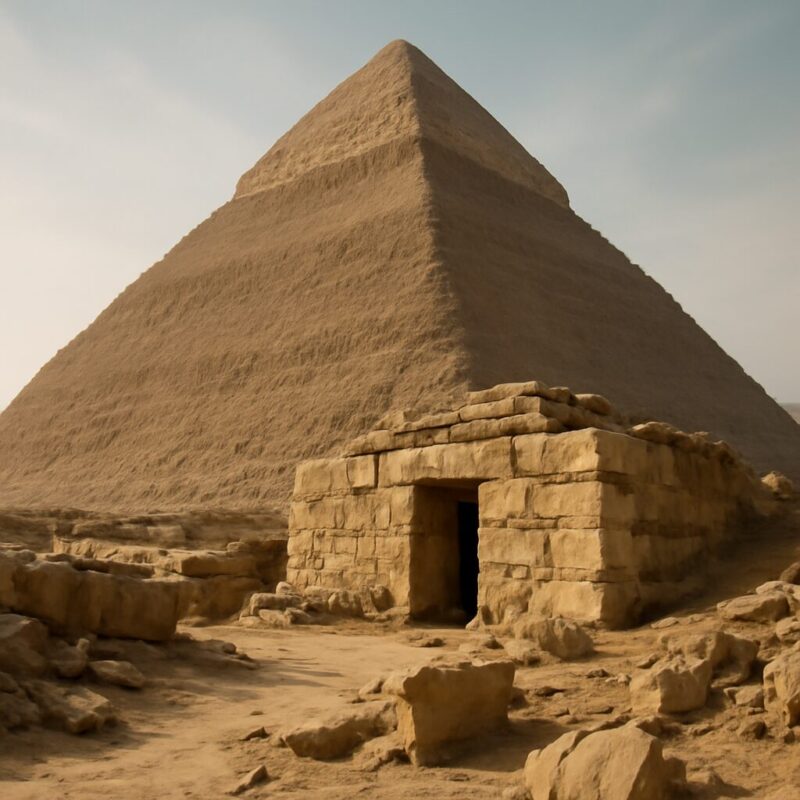
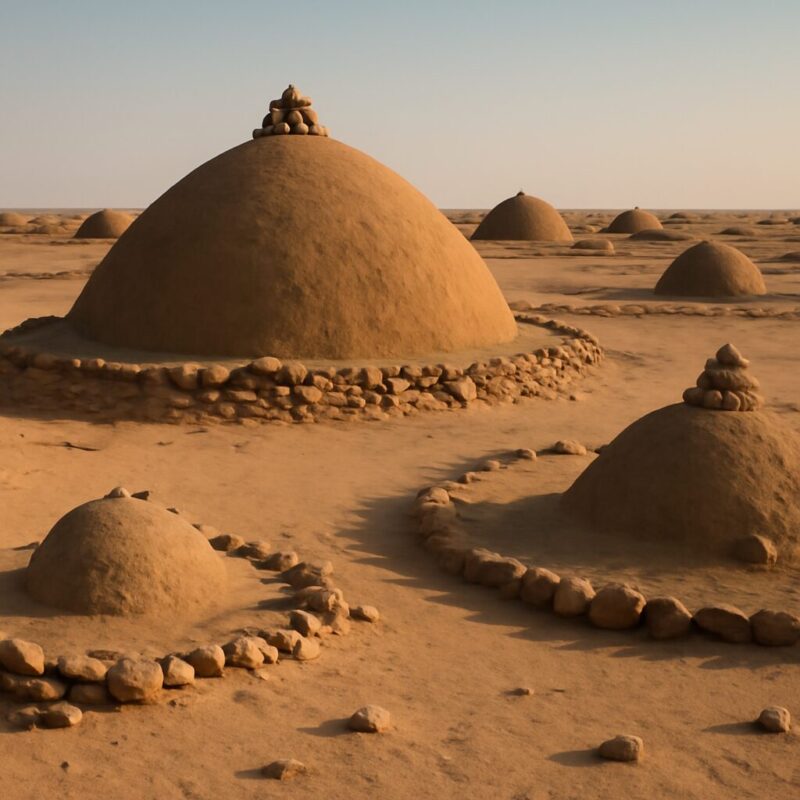
Walk among them, and you sense a different kind of power. These were not just tombs, but theatres of sacrifice and staggering loyalty. To serve their king beyond death, hundreds—sometimes over a thousand—of his subjects, animals, and prized possessions were interred with him in vast circular pits. The air, even now, seems to hold the echo of a profound and terrifying devotion. This cemetery is a stark ledger of a sophisticated African civilization that built its grandeur on earth, clay, and absolute faith, leaving behind a silent city of mounds that speaks volumes about life, death, and dominion on the banks of the Nile.
Who Built Royal Cemetery of Kerma?
Who Built the Royal Cemetery of Kerma?
The Royal Cemetery of Kerma was built by the rulers and people of the Kerma culture, an ancient Nubian civilization that flourished from around 2500 BCE to 1500 BCE in what is now northern Sudan. This culture established one of Africa's earliest and most powerful kingdoms, the Kingdom of Kush, with Kerma as its capital.
Why Was It Built?
The cemetery was constructed as a necropolis for the kingdom's elite, particularly its monarchs. The grand scale of the tombs, which included large tumuli (mounds) and elaborate burial chambers, served to demonstrate the power and wealth of the Kerma kings. The practice of human and animal sacrifice, found in the earliest royal tombs, points to a complex religious belief system where the ruler was accompanied into the afterlife by retainers and possessions. Later tombs show a shift away from this practice but maintain the monumental architecture, emphasizing the king's enduring legacy and divine status.
Related Structures from the Provided List
The Kerma culture's monumental burial practices, particularly the use of tumuli, share conceptual similarities with other mound-building cultures. While the Kerma culture itself did not build the following, their tombs are part of a broader global tradition of elite mound burials.
Mound Builder Cultures
Similar traditions of constructing large earthen mounds for elite burials can be seen in:
- Cahokia Mound burials (Mississippian culture, North America)
- Etowah Mound burials (Mississippian culture, North America)
- Mound Builder burials (A general term for various North American cultures)
- Kofun burial mounds (Ancient Japan)
Other Nubian (Kushite) Royal Tombs
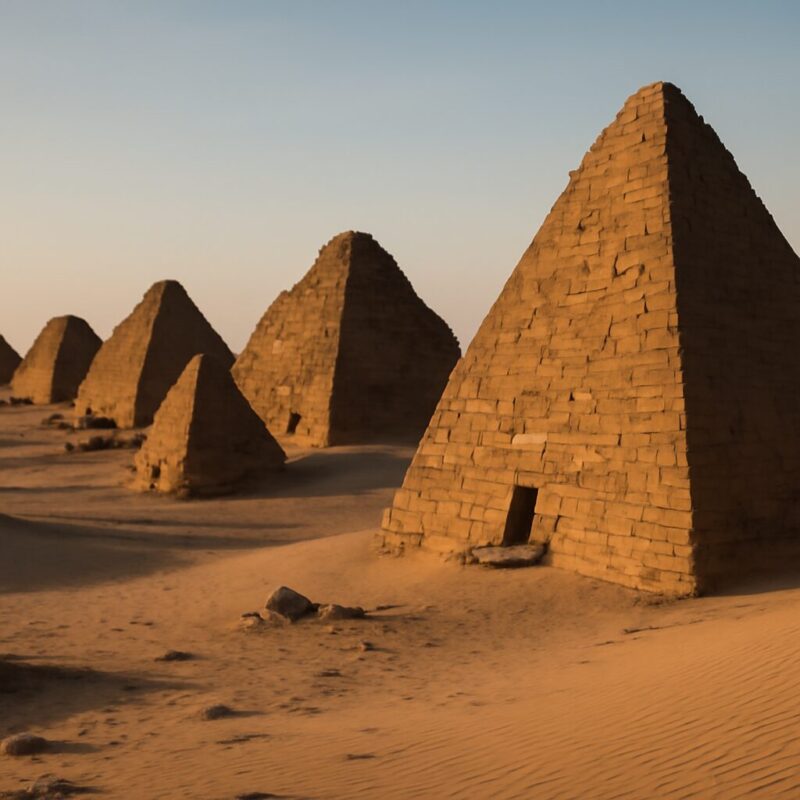
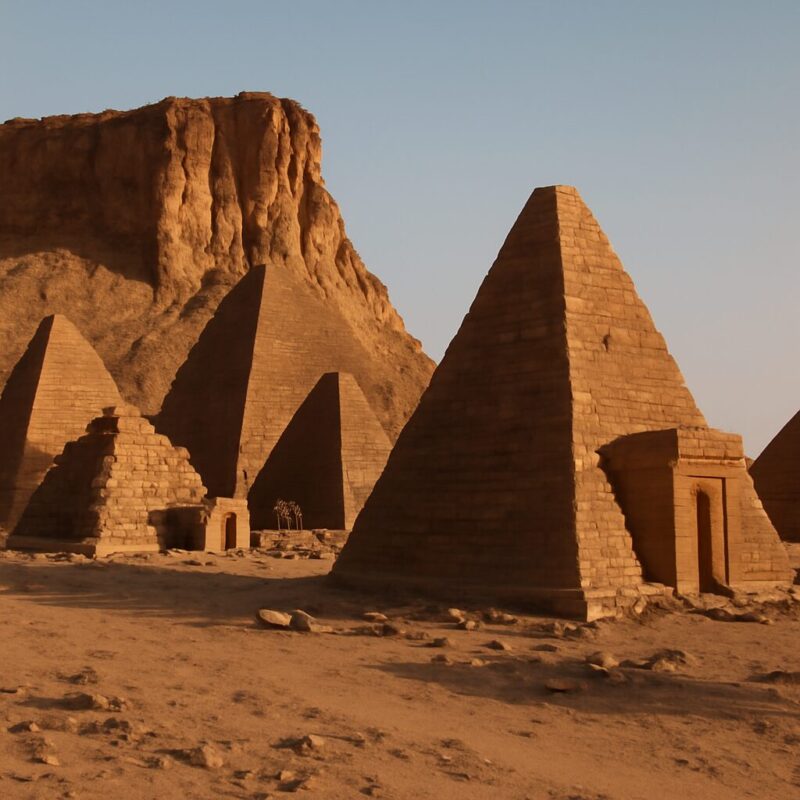
Following the decline of Kerma, the later Kingdom of Kush, centered first at Napata and then at Meroe, continued the Nubian tradition of pyramid construction for royal burials. These are direct successors to the Kerma burial tradition.
- Nuri pyramids (Napatan period, successors to the Kerma culture)
- Meroe pyramids (Meroitic period, later successors)
- Gebel Barkal royal tombs (Napatan period, at the sacred mountain of Gebel Barkal)