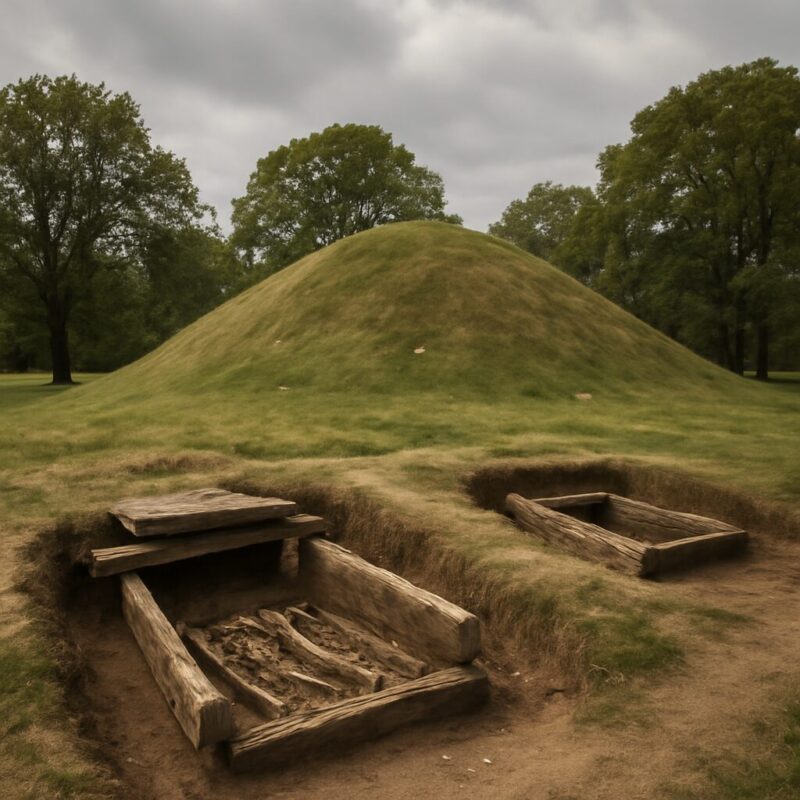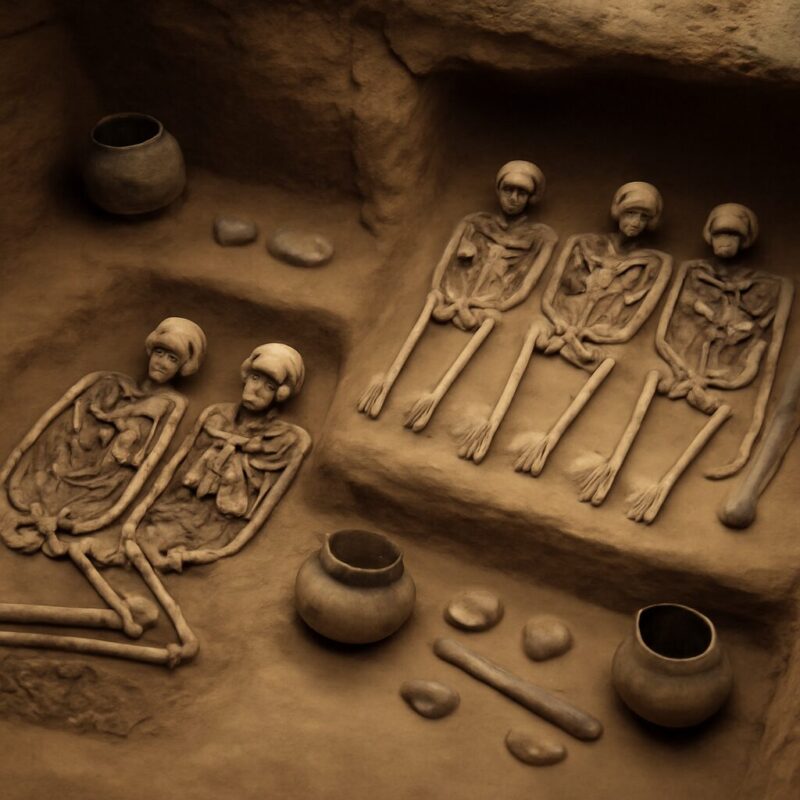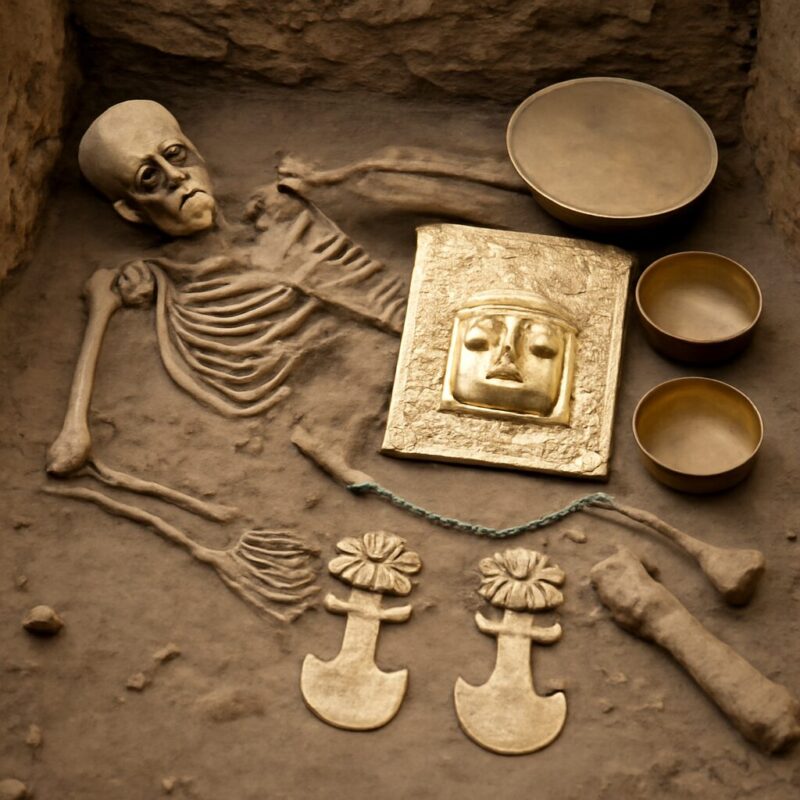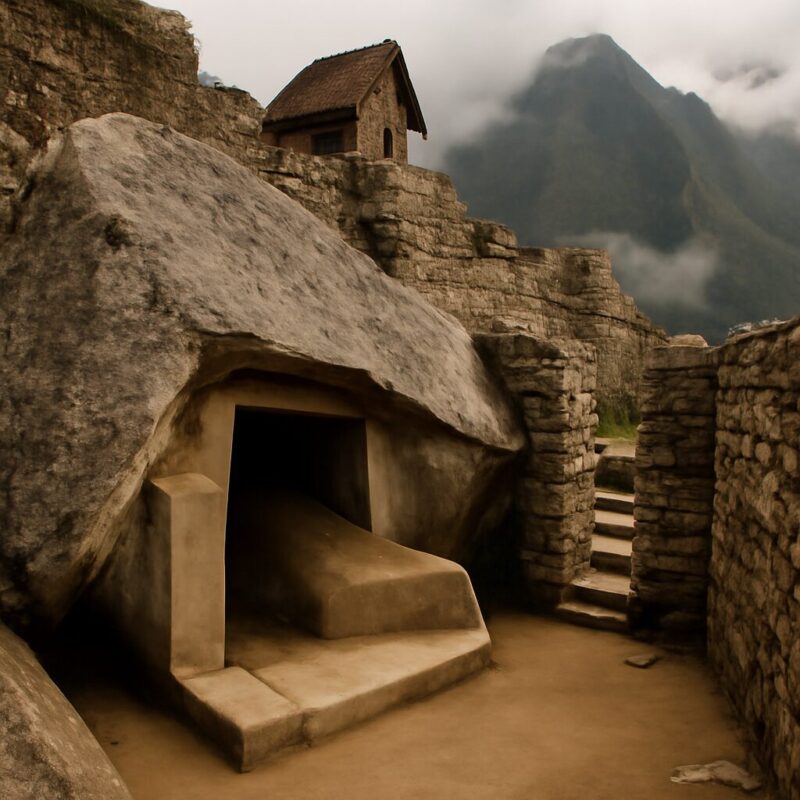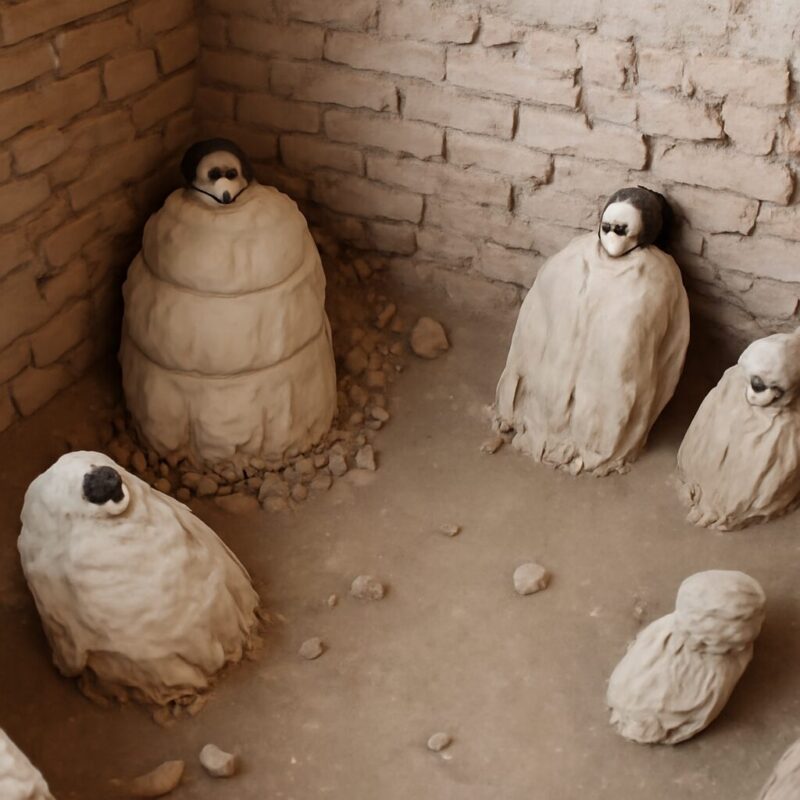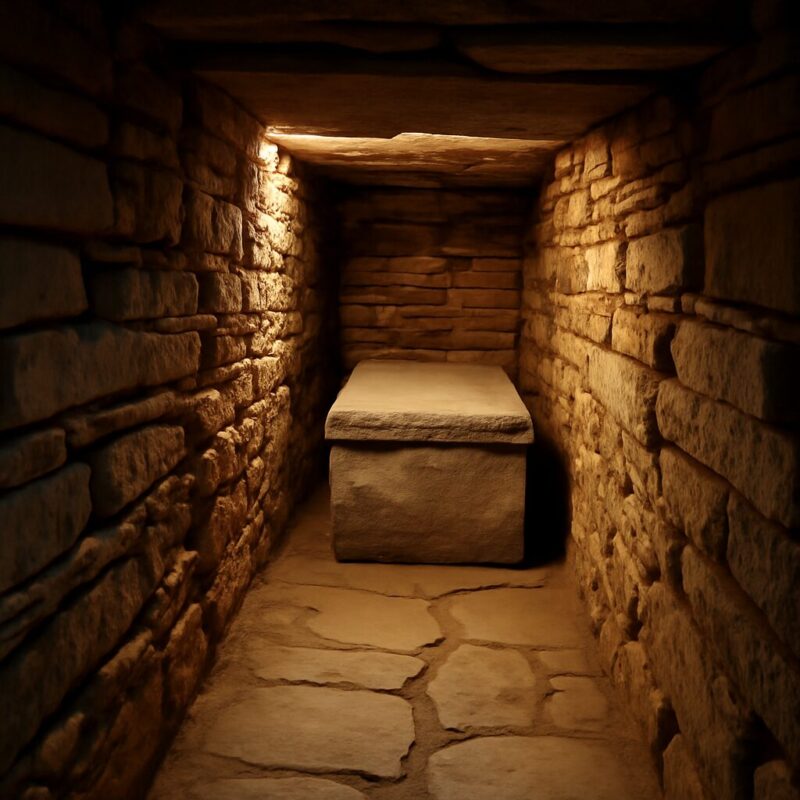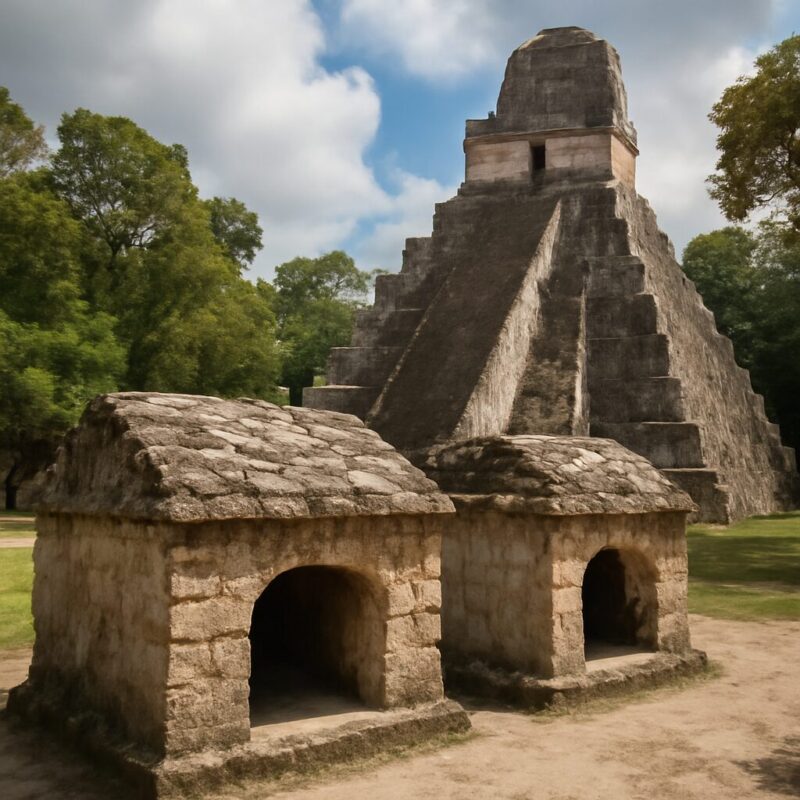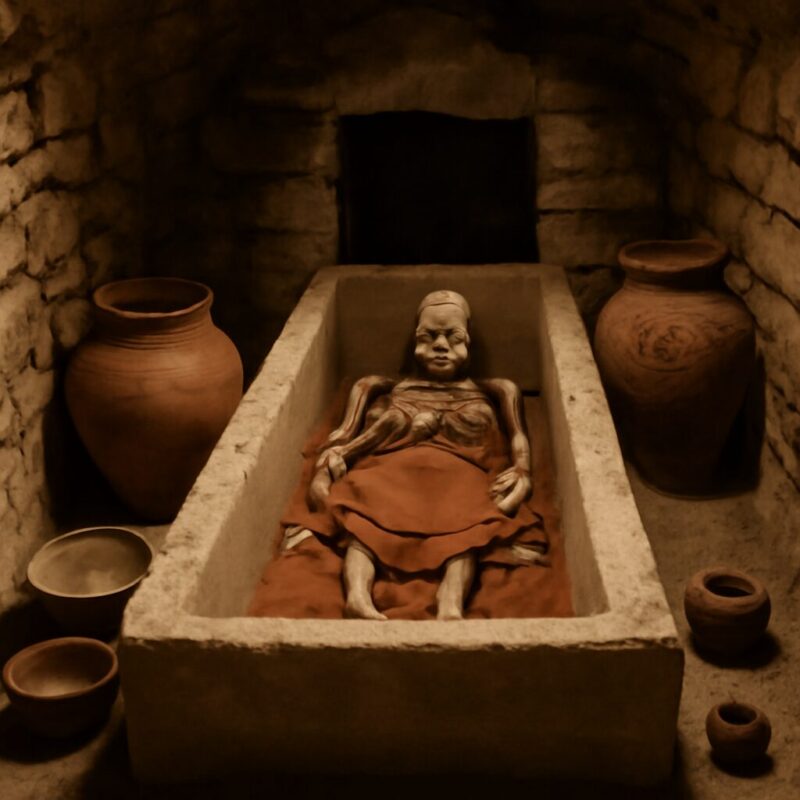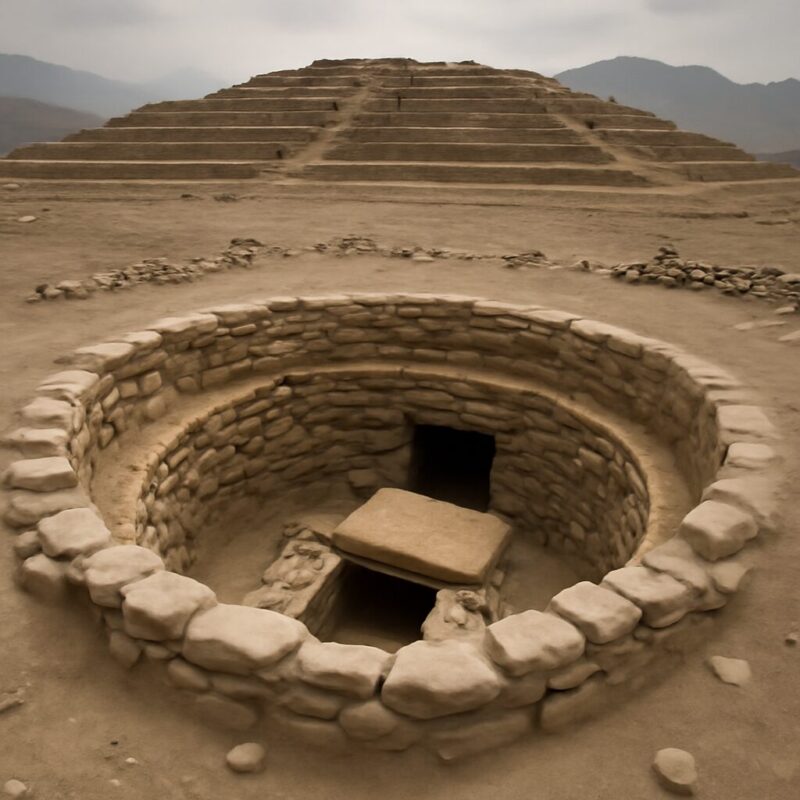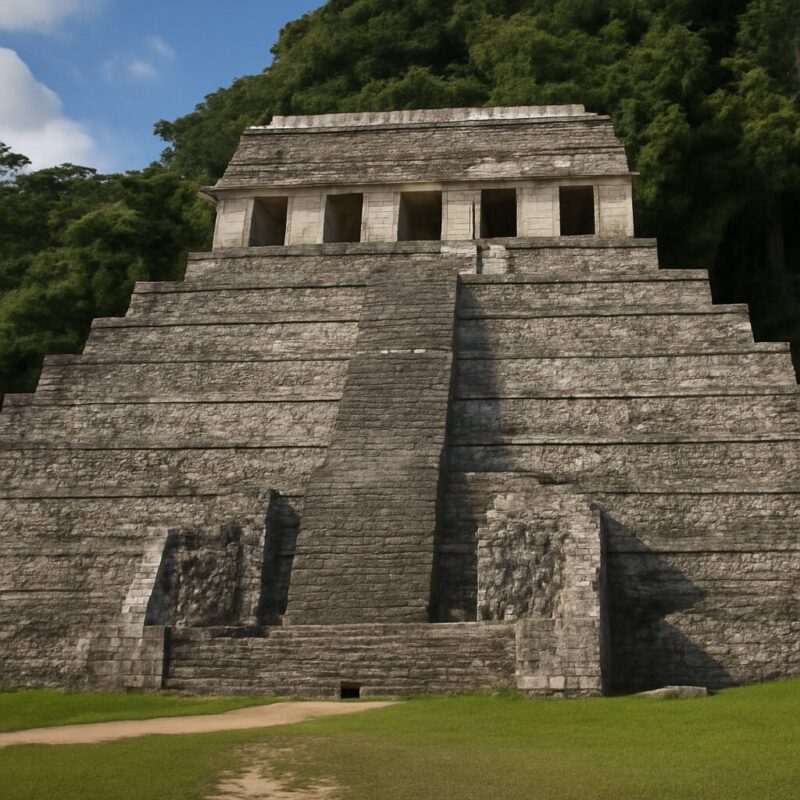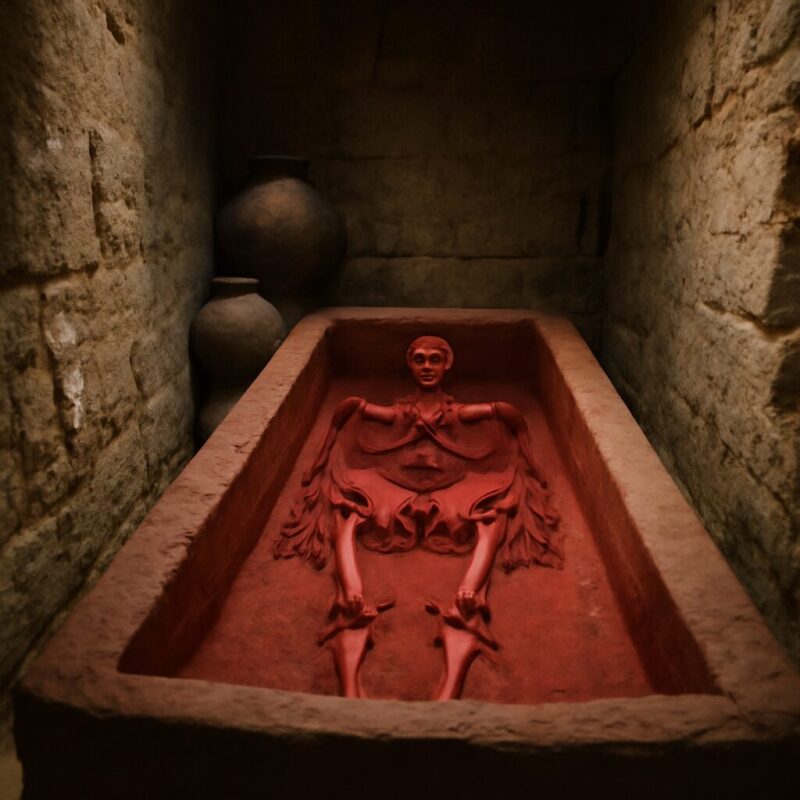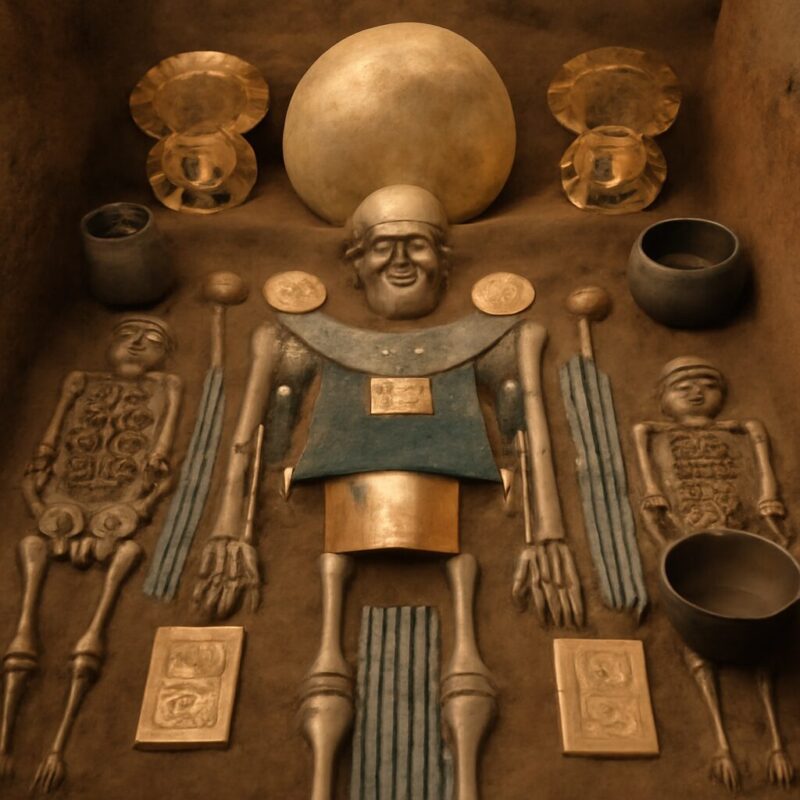
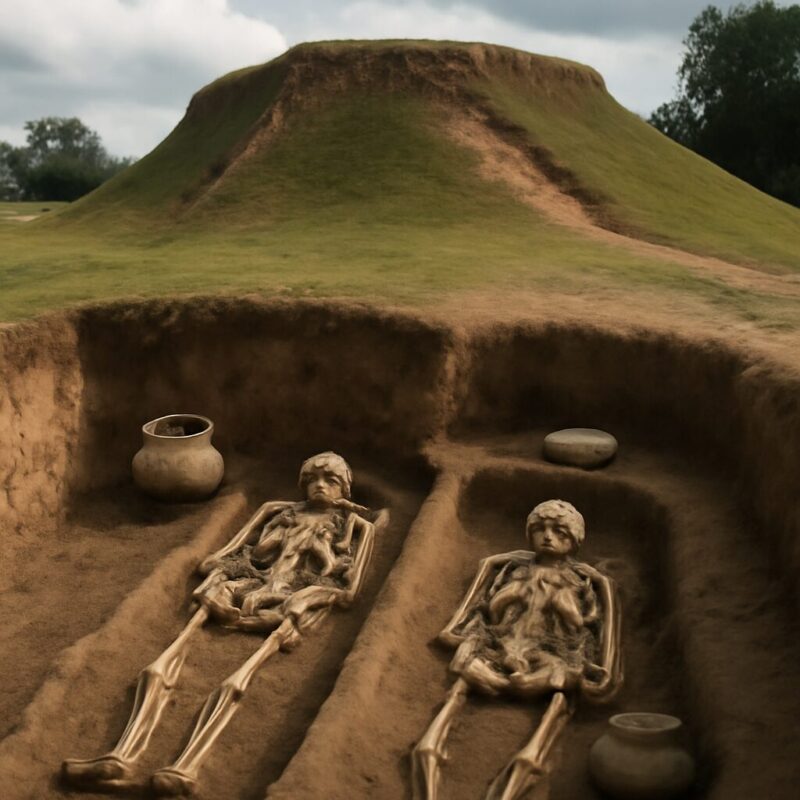
Imagine a place where the earth itself was sculpted into power. For centuries, the Etowah Mounds in Georgia stood as the gleaming capital of a Mississippian society, where leaders were laid to rest not just in the ground, but within the heart of a colossal, man-made pyramid of packed earth. The most elite burials, often within the summit temple or at the mound's base, tell silent, stunning stories. Here, high-status individuals were interred with a breathtaking array of grave goods: intricate copper breastplates depicting the Long-Nosed God, pearls from the Gulf Coast by the thousands, finely carved stone effigy pipes, and bundles of deadly, beautifully crafted stone weapons. These weren't mere possessions; they were a cosmology in physical form, signaling the deceased's divine connection and ensuring their authority echoed from this world into the next. Each artifact whispers of a vast trade network and a society that viewed its rulers as intermediaries between the earthly and spiritual realms, their final resting place a permanent testament to a community's labor, belief, and ambition.
Who Built Etowah Mound burials?
Who Built the Etowah Mound Burials?
The Etowah Mound burials were built by the Mississippian culture, a sophisticated pre-Columbian Native American civilization that flourished across the southeastern and midwestern United States from approximately 800 CE to 1600 CE. The specific site, located near present-day Cartersville, Georgia, was a major ceremonial and political center for a chiefdom within this broader culture.
Purpose and Significance
The mounds were constructed for elite burial and as platforms for important structures, serving both religious and political purposes. The largest mounds, built in stages over centuries, supported the temples or residences of hereditary chiefs. Burial within these mounds, often accompanied by elaborate grave goods like engraved shell gorgets, copper plates, and stone effigy pipes, was reserved for the ruling class. This practice reinforced social hierarchy, demonstrated the chief's connection to the spiritual world, and honored ancestors to legitimize the power of the living rulers.
Related Structures from the Mississippian Culture
The Mississippians are renowned for their large-scale, planned settlements centered around flat-topped, earthen platform mounds. The Etowah site is one of the most intact examples. Another highly relevant and even larger example from the same cultural tradition is the Cahokia Mound burials. Cahokia, near Collinsville, Illinois, was the preeminent center of the Mississippian world, featuring Monks Mound, the largest prehistoric earthen construction in the Americas.
Broader Cultural Context: The Mound Builders
The Mississippian culture is part of a long tradition of mound-building societies in North America. For a broader overview of the various cultures that constructed earthworks for burial and ceremony across the continent, you can explore the entry on Mound Builder burials.