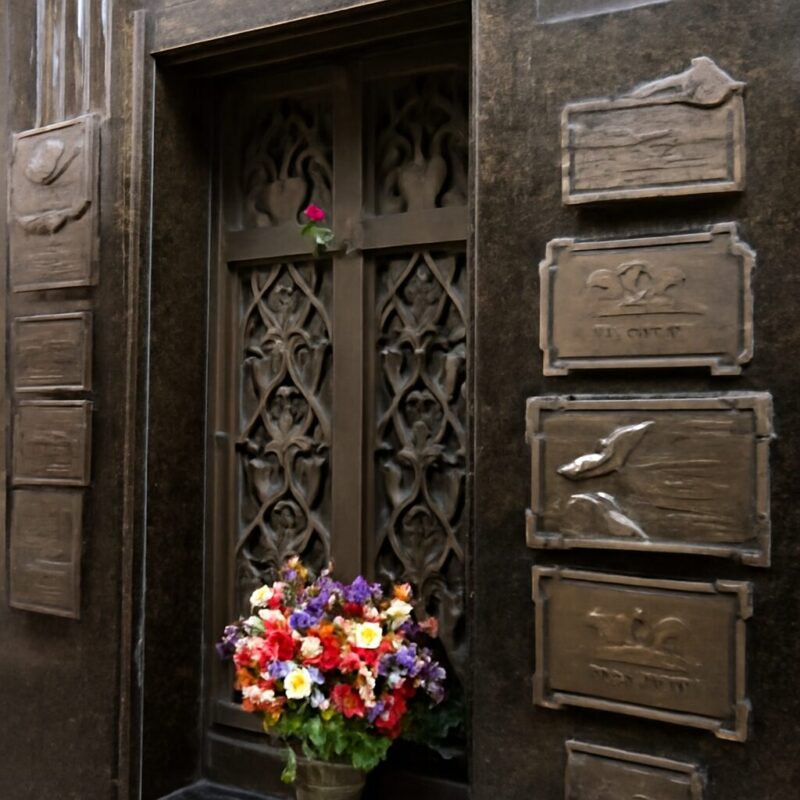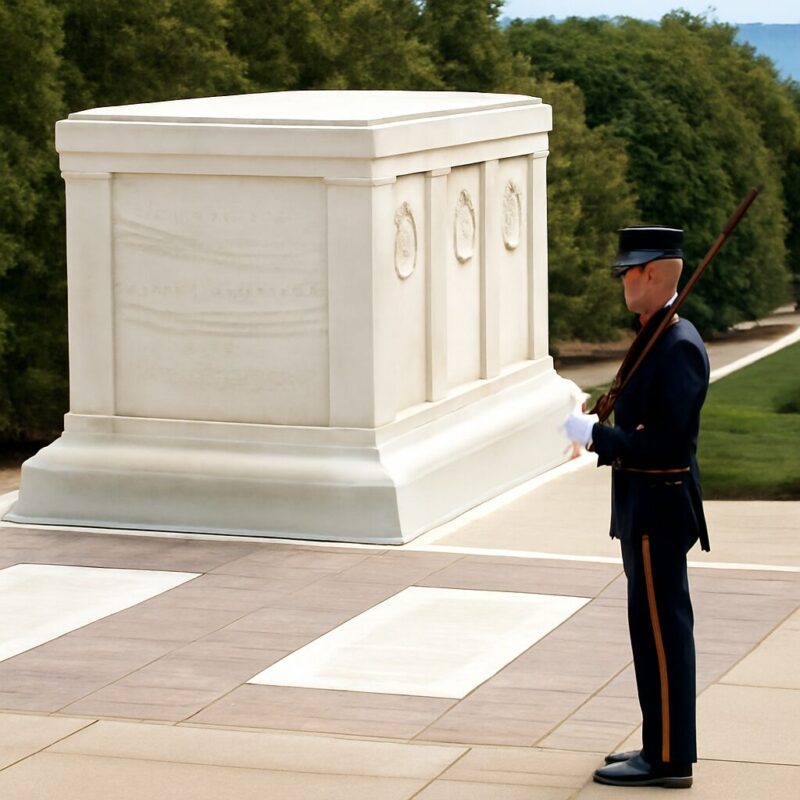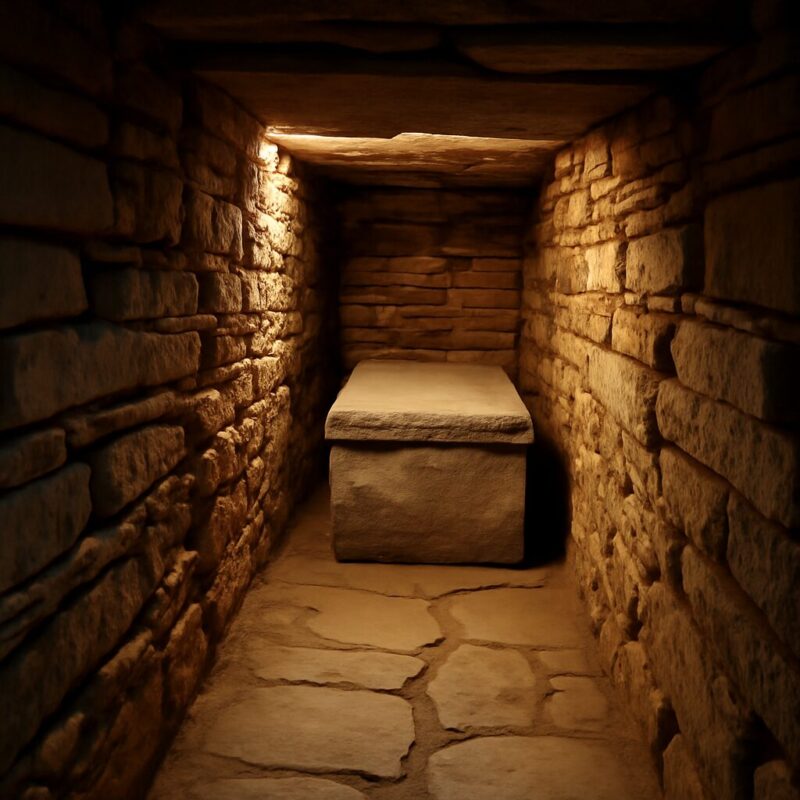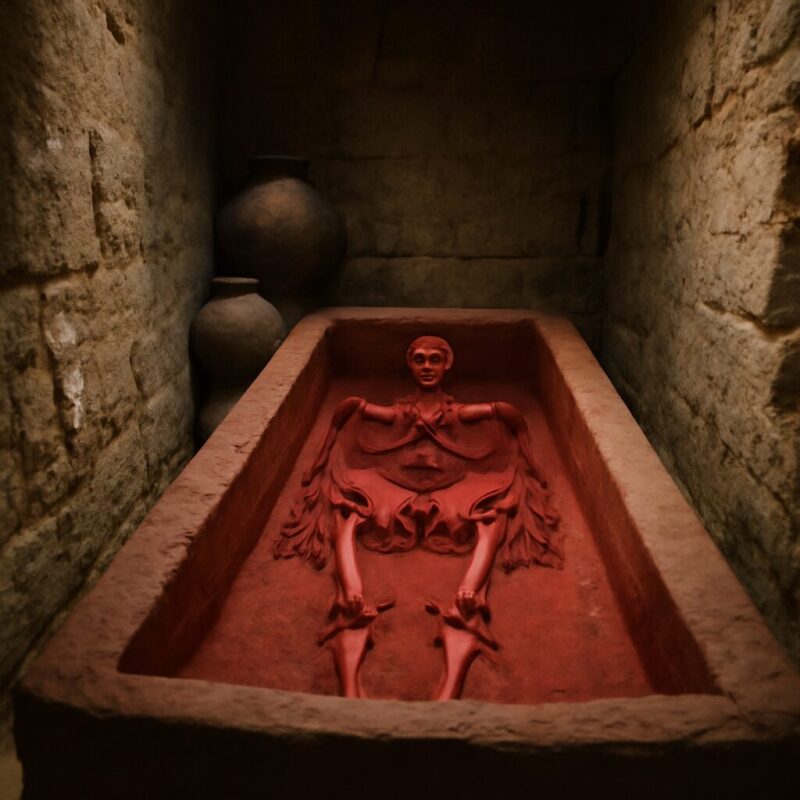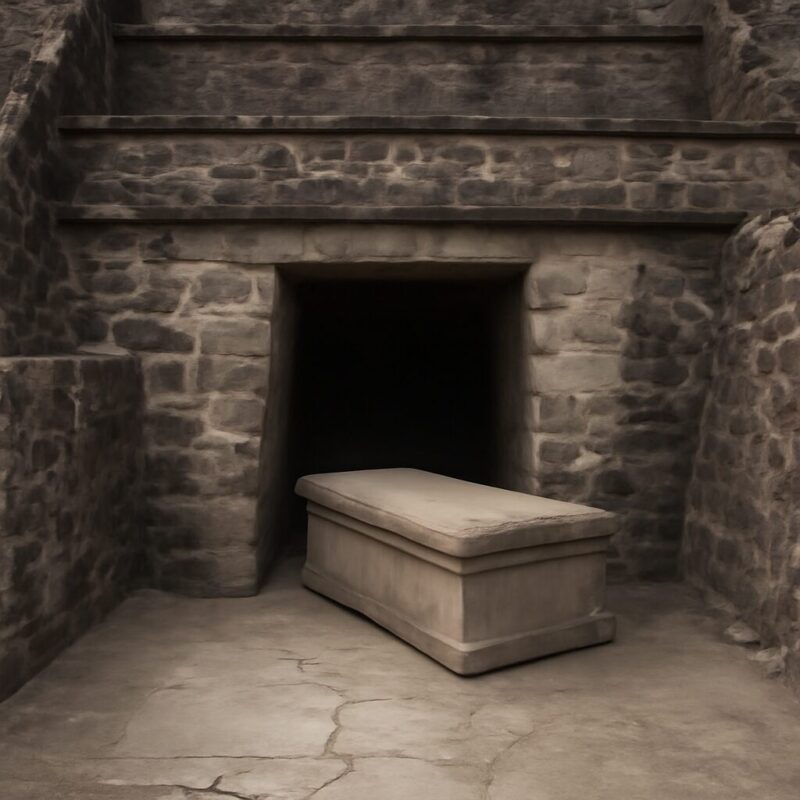
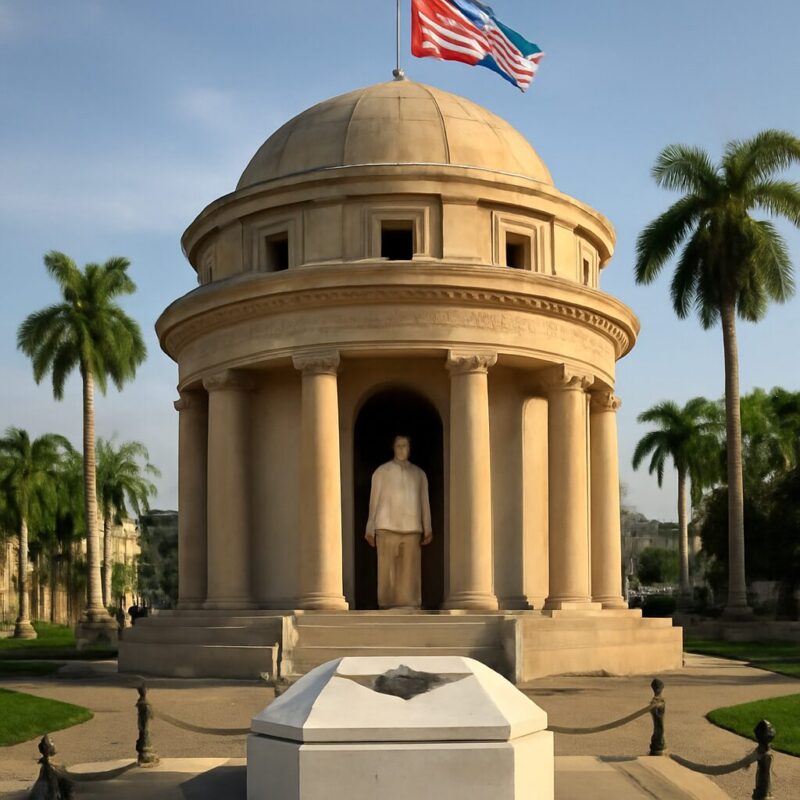
In the heart of Santiago de Cuba’s Santa Ifigenia Cemetery, the tomb of José Martí feels less like a monument and more like a quiet, perpetual dawn. Carved from simple, elegant marble, the structure is a solemn sentinel, its six pillars rising to support a roof that seems to hover, sheltering the hero’s remains. But the true magic happens with the sun. A cleverly designed skylight allows a single, direct beam to illuminate the Cuban flag draped over the sarcophagus at precisely noon—a daily rekindling of the nation’s fervor for its most beloved apostle of independence.
Surrounding the central tomb, earth from every Latin American nation lies interred, a powerful, silent chorus of continental solidarity. Visitors don't just see a memorial; they witness a living ritual of light and shadow, where Martí’s words, “All the glory of the world fits in a kernel of corn,” take on a tangible, radiant form. It is a place where stone breathes, and history is not remembered, but relit, hour by hour.
Who Built Tomb of Jose Marti?
Who Built the Tomb of José Martí?
The tomb of Cuban national hero José Martí was built by the Cuban government and people as a monumental project in the early 20th century. The specific design and construction were overseen by a team of Cuban architects and sculptors, with the main mausoleum structure and the iconic tower being completed in the 1950s.
Why Was It Built?
It was built to serve as a final resting place and a perpetual national monument for José Martí, a seminal figure in Cuba's fight for independence from Spain. As a poet, writer, and revolutionary martyr, Martí is revered as the "Apostle of Cuban Independence." The tomb, located in the Santa Ifigenia Cemetery in Santiago de Cuba, was constructed to honor his legacy and provide a site of pilgrimage and reflection for the Cuban nation.
Cultural Context
The tomb reflects a blend of architectural styles, including classical and modernist elements, symbolizing both reverence and forward-looking national identity. Its construction and continued preservation underscore the deep cultural and political significance of memorializing heroes in Cuban society.
Related Structures by the Same Builders
The collective effort to build national monuments in Cuba during this period is part of a broader cultural practice of creating grand tombs for revered figures. While the specific architects of Martí's tomb were focused on this project, the tradition of constructing elaborate tombs for heroes connects to a global pattern seen in other cultures.
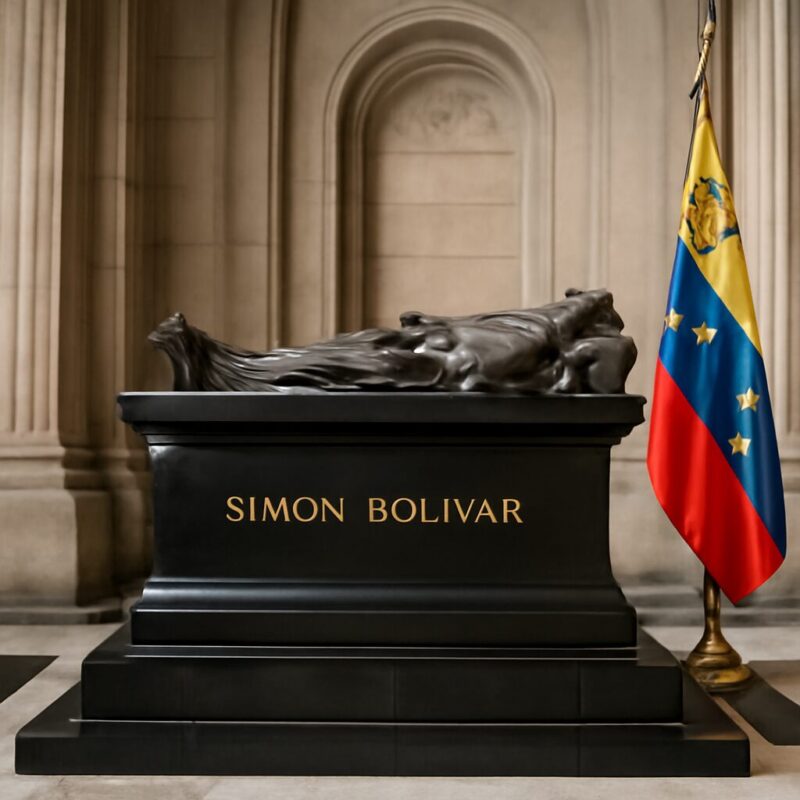
For example, the tradition of building monumental tombs for founding figures or liberators is also evident in the Tomb of Simón Bolívar, another key liberator in Latin American history. Similarly, the practice of constructing impressive mausoleums for national leaders can be seen in sites like the Tomb of Askia in Mali, built for a powerful emperor, and the Mausoleum of Augustus in Rome, built for a foundational emperor.