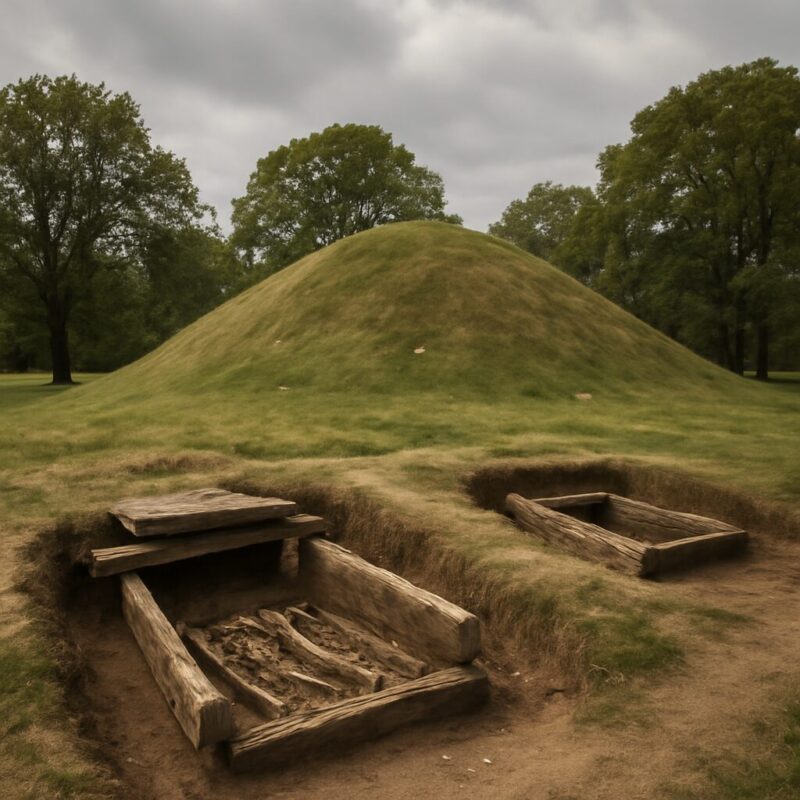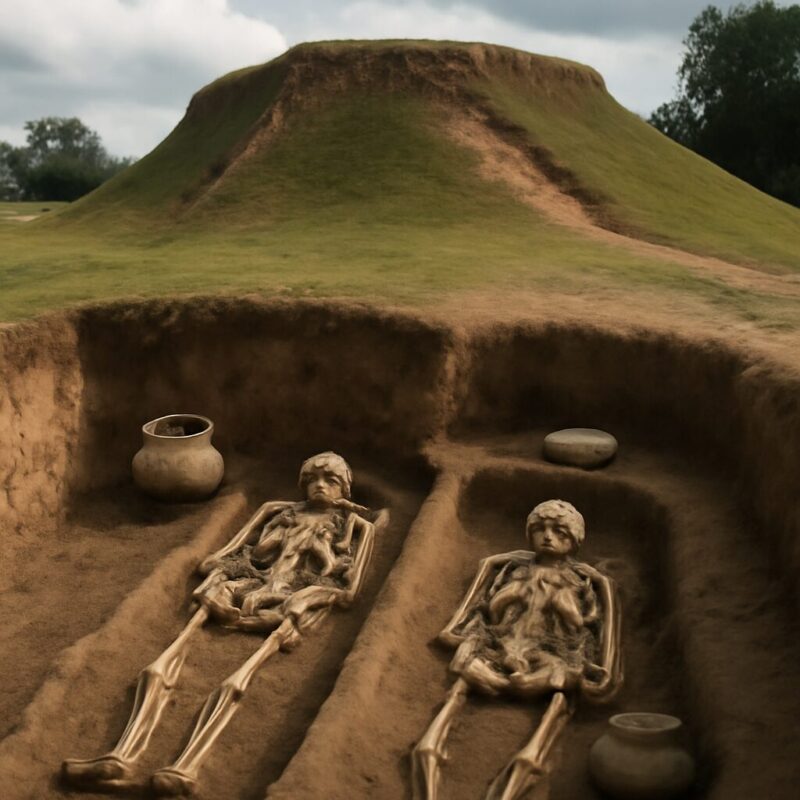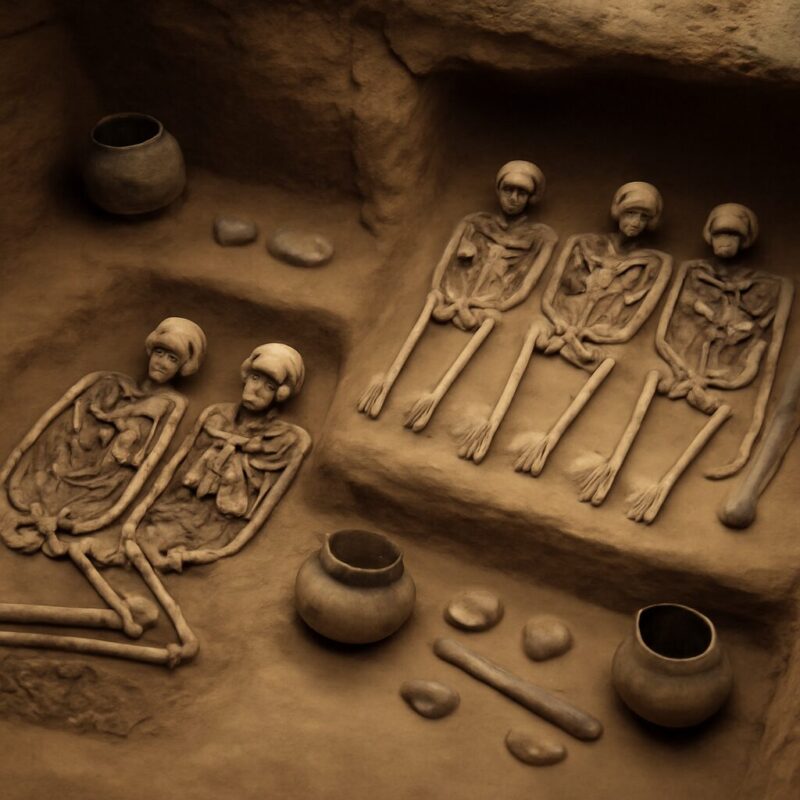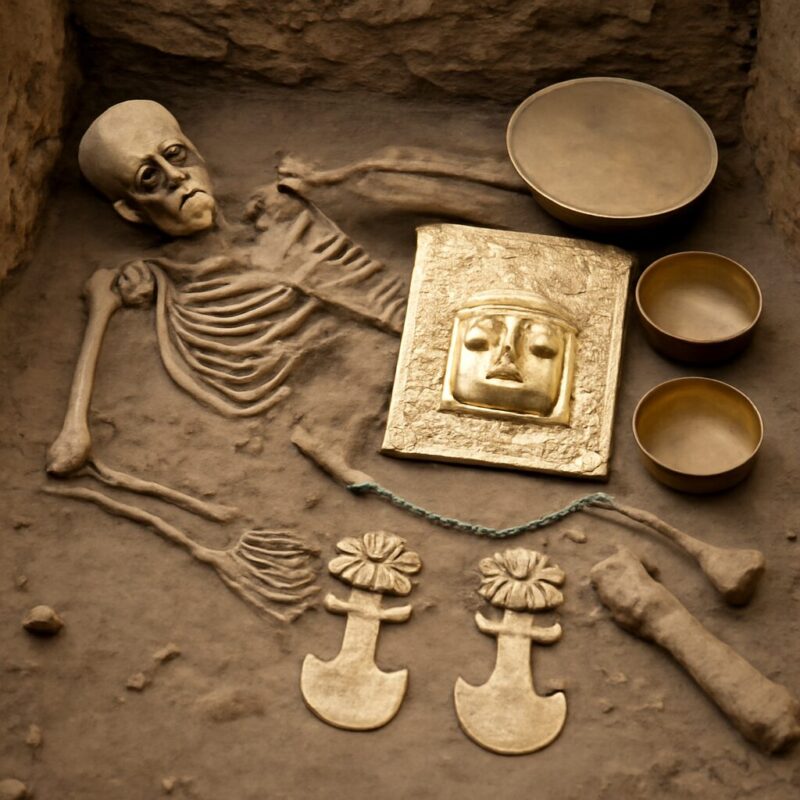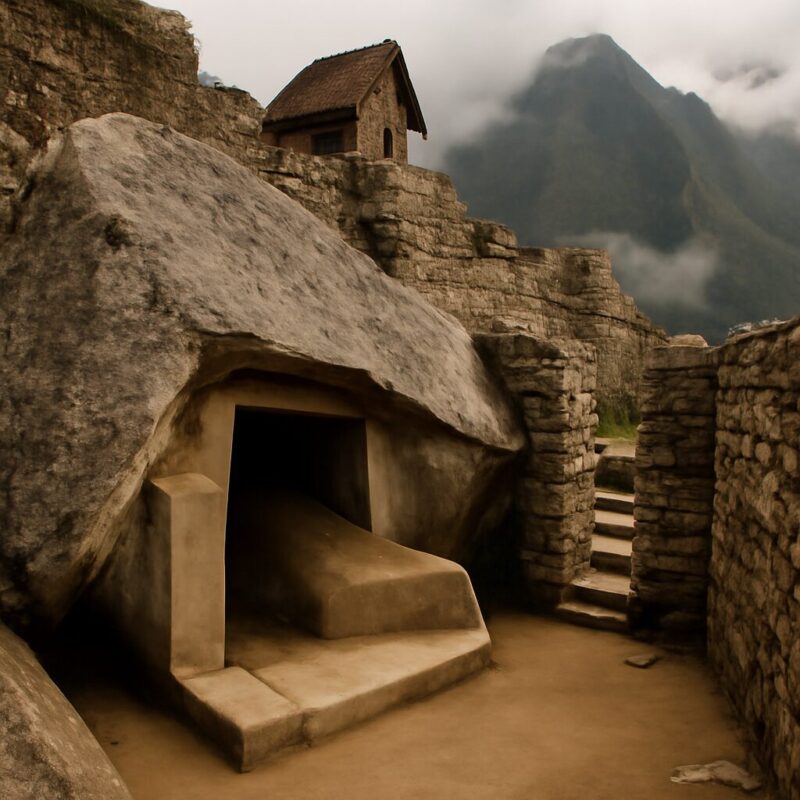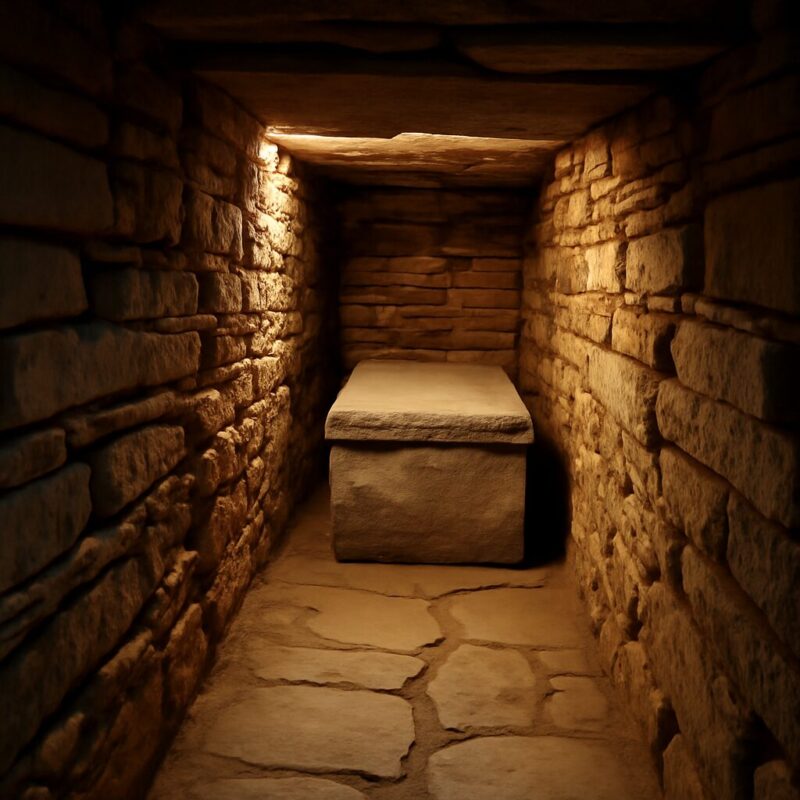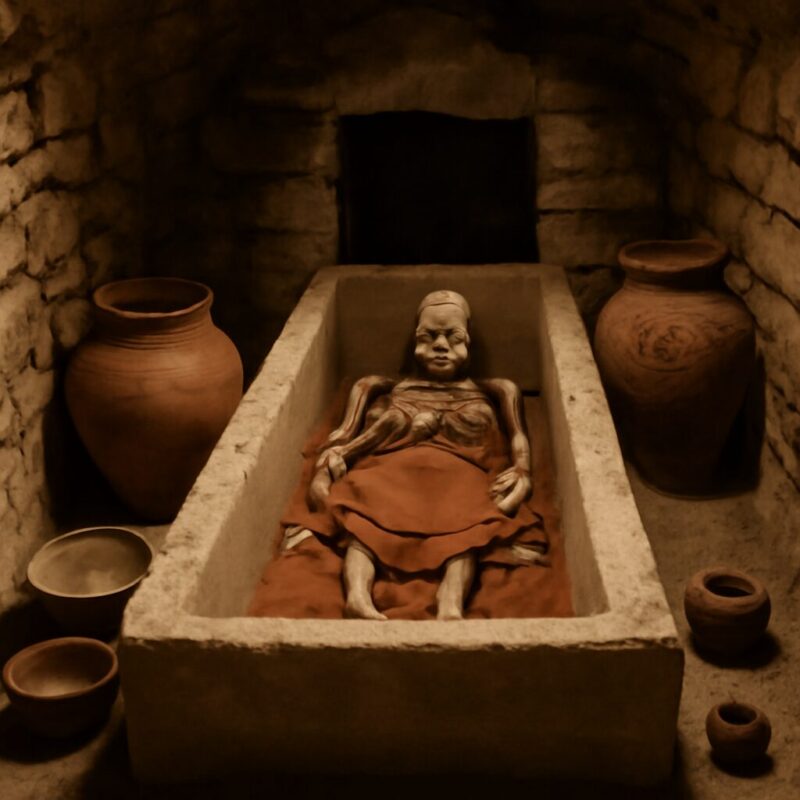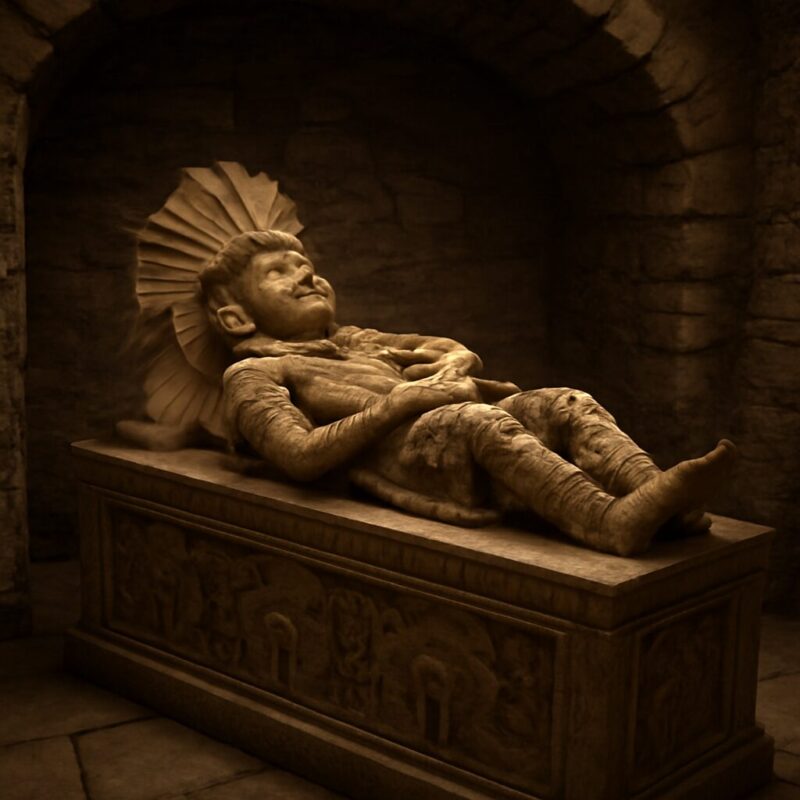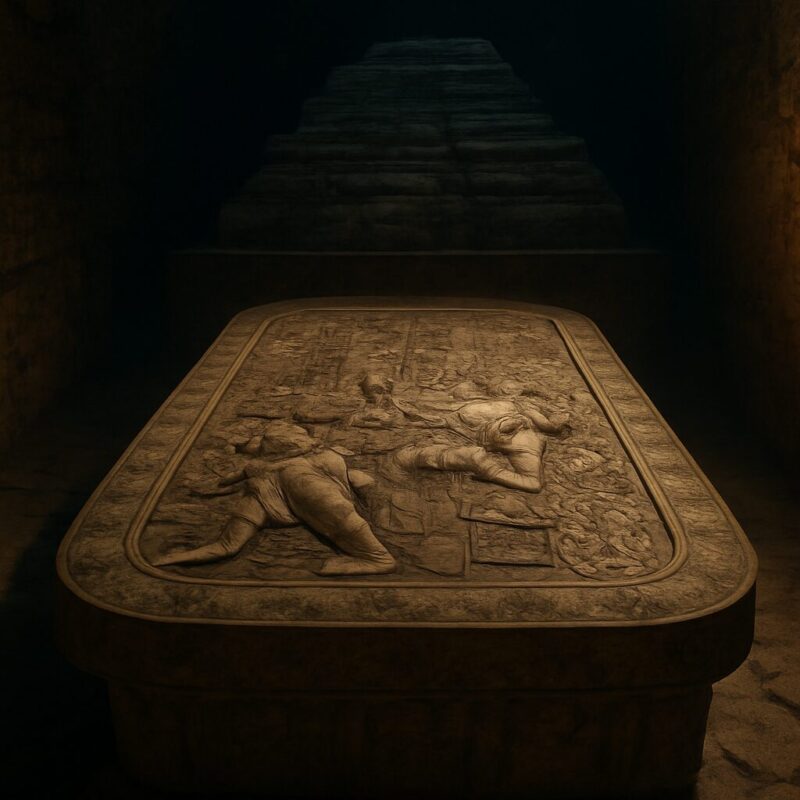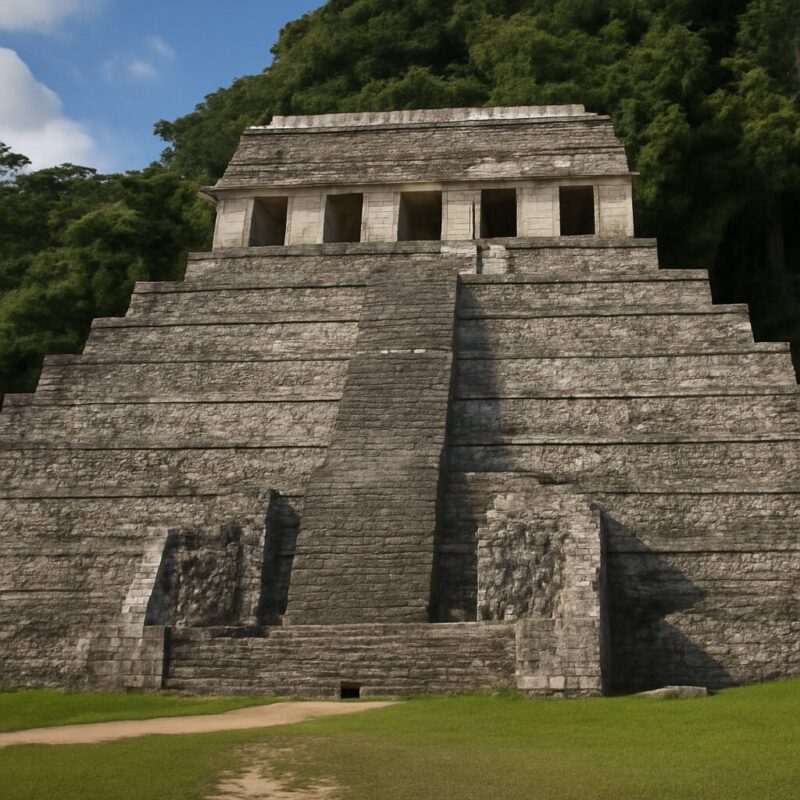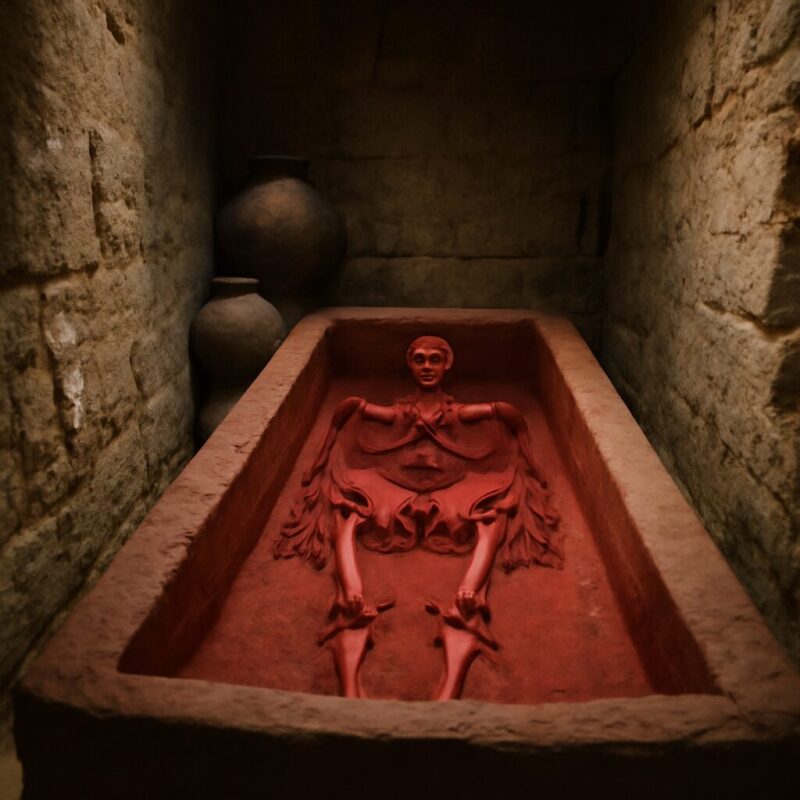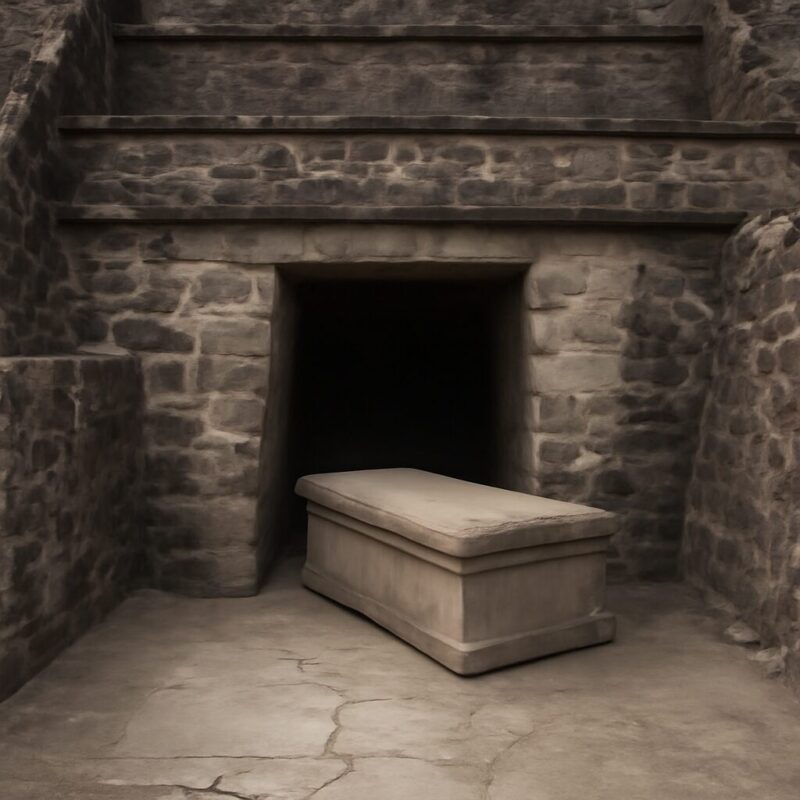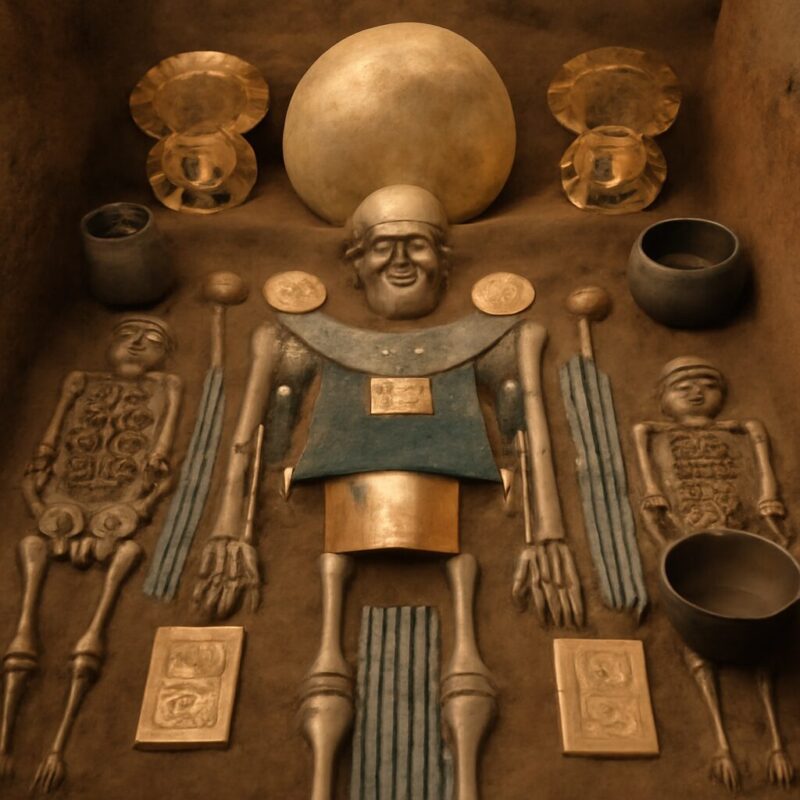
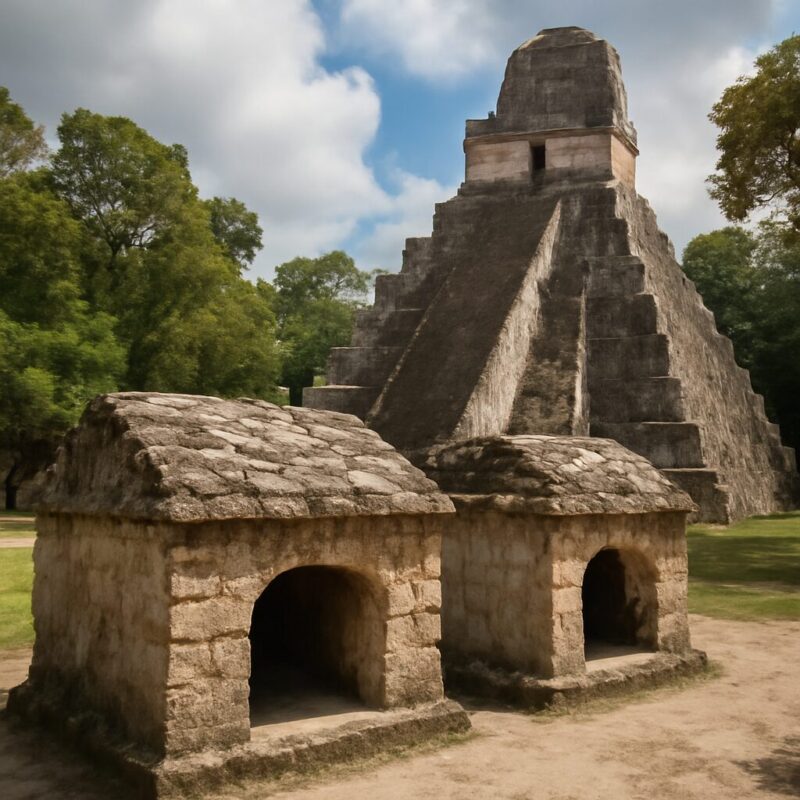
Deep within the heart of Tikal's grand pyramids, the royal tombs are more than just burial chambers; they are time capsules of Maya power and cosmic belief. Imagine descending a narrow, dark staircase cut into the temple's core, the air thick with centuries, to find a vaulted room glittering with jade, pearls, and painted pottery. The most famous, Tomb 116, held the mighty Jasaw Chan K'awiil I, his body adorned with an astonishing mosaic jade mask and surrounded by treasures meant to fuel his journey through the underworld. These tombs weren't hidden away but were the sacred foundation upon which new, even greater temples were built, literally entombing the king's spirit within the living city's soaring architecture.
Who Built Tikal royal tombs?
The Builders of Tikal's Royal Tombs
The royal tombs at Tikal were built by the Maya civilization, specifically commissioned by and for the city's ruling k'uhul ajaw (holy lords) and their elite families. Construction was carried out by skilled Maya artisans, laborers, and architects under the direction of the ruling monarch, often as part of grand architectural projects like temples and palaces.
Purpose and Cultural Significance
These tombs were constructed to serve several interconnected purposes rooted in Maya cosmology and statecraft. Primarily, they were designed to ensure the deceased ruler's successful journey to the underworld (Xibalba) and subsequent apotheosis as a divine ancestor. The tombs, often located within towering temple pyramids, physically connected the ruler to the celestial realm. The lavish burial goods—including jade, ceramics, stingray spines, and inscribed bones—were provisions for the afterlife and symbols of the king's wealth and power. Furthermore, by interring a king within a temple, his successor reinforced dynastic continuity and legitimacy, transforming the burial site into an active locus of ritual and ancestor veneration for the living community.
Related Structures from the Provided List
From the list provided, the culture that built Tikal also created another highly relevant royal burial site:
- Tomb of Pakal - This is the famous burial of the Maya king K'inich Janaab' Pakal within the Temple of the Inscriptions at the Maya city of Palenque. It is a direct parallel to Tikal's royal tombs, showcasing the same Maya traditions of pyramid-tomb construction, elaborate iconography, and rich grave offerings for a deified ruler.
Another relevant site, though from a different but neighboring Mesoamerican culture, is:
- Teotihuacan Tombs - The great city of Teotihuacan exerted a strong influence on Tikal during its early history. Tombs at Teotihuacan, while culturally distinct, represent the broader Mesoamerican tradition of monumental burial architecture that contextualizes Tikal's practices.