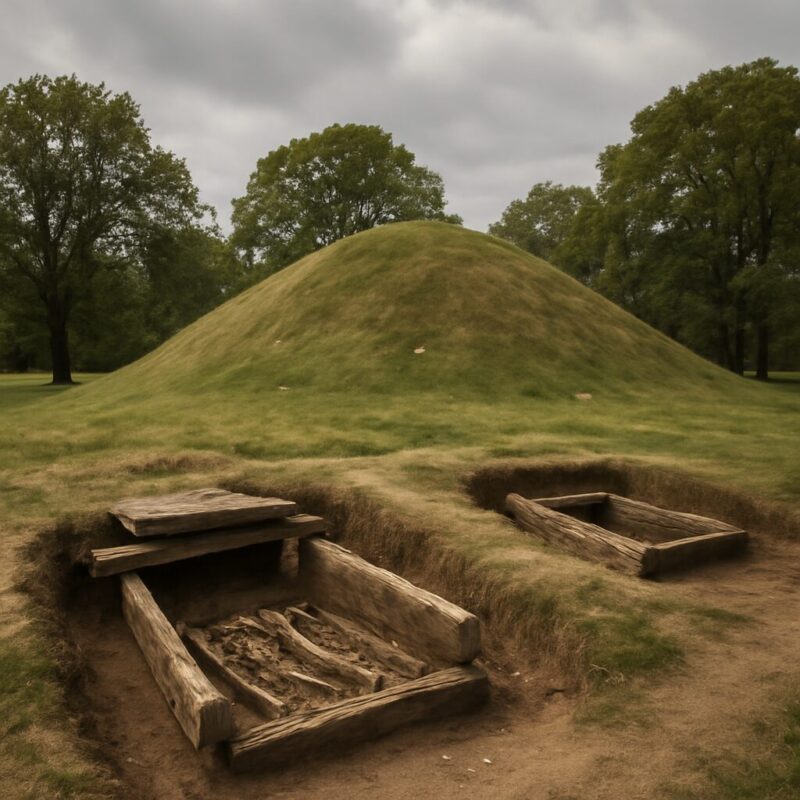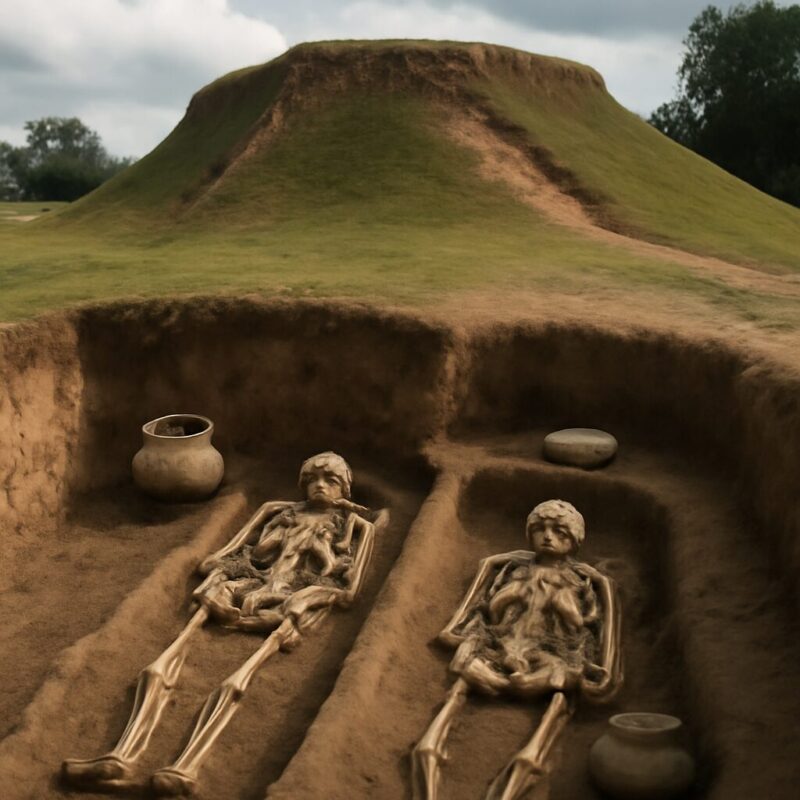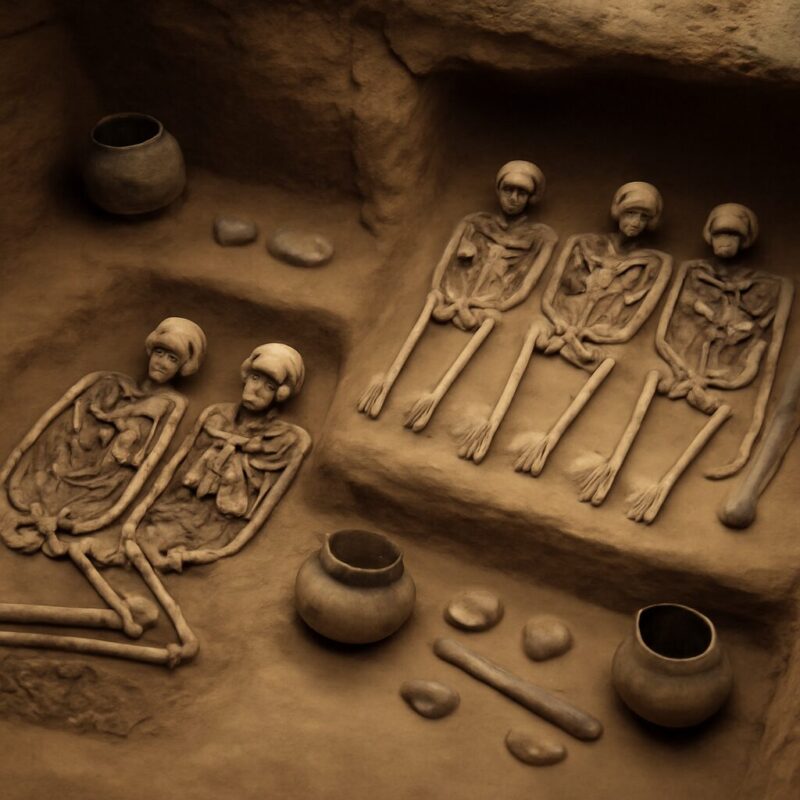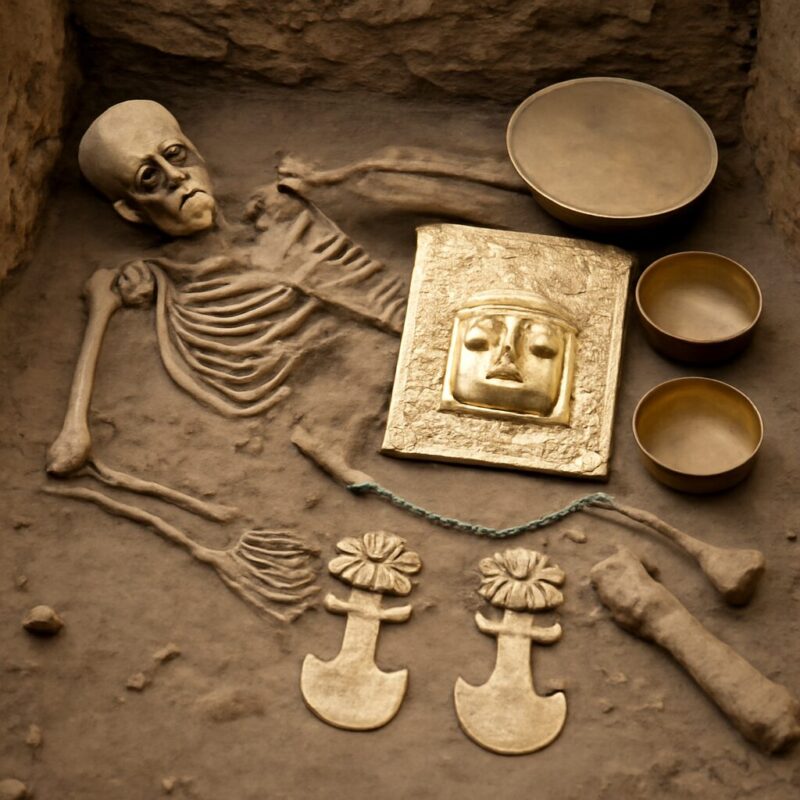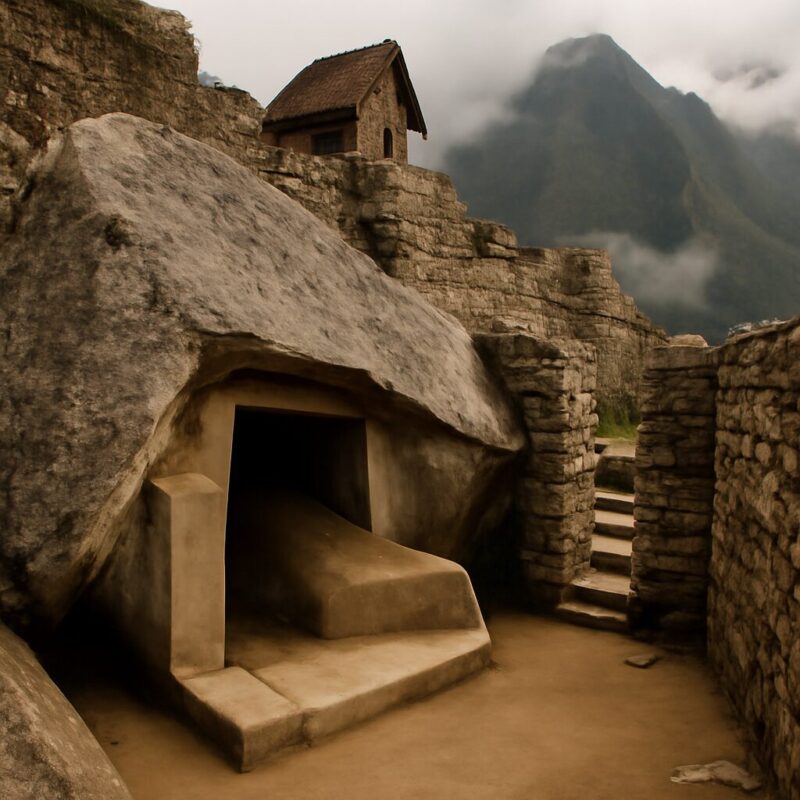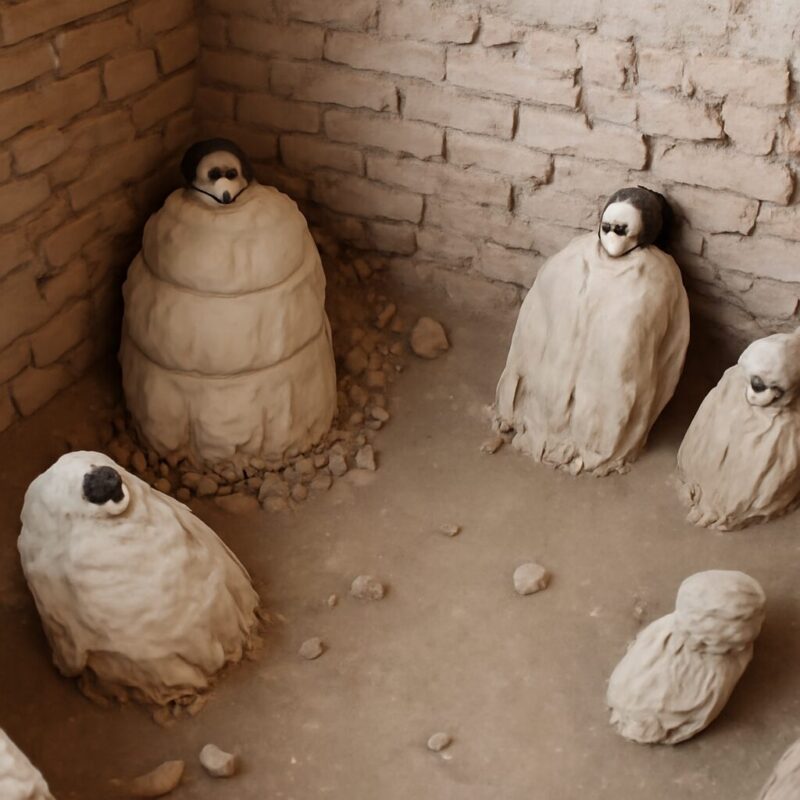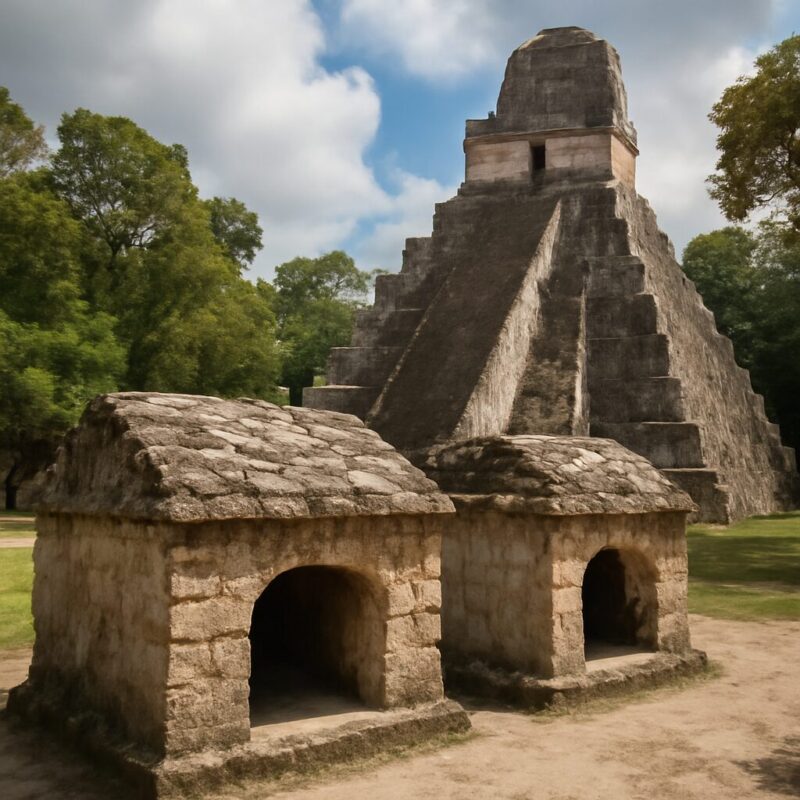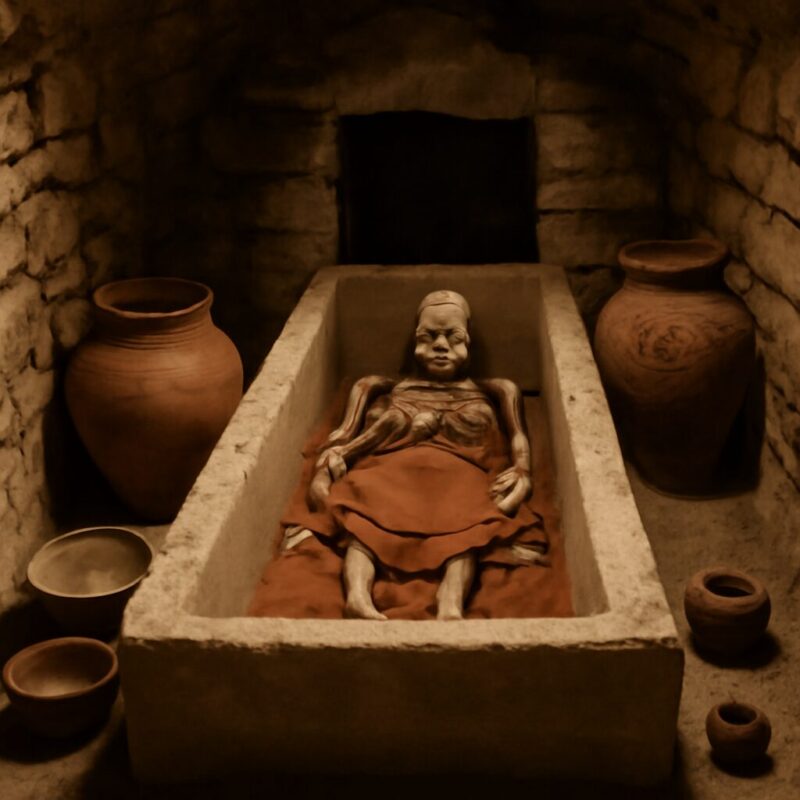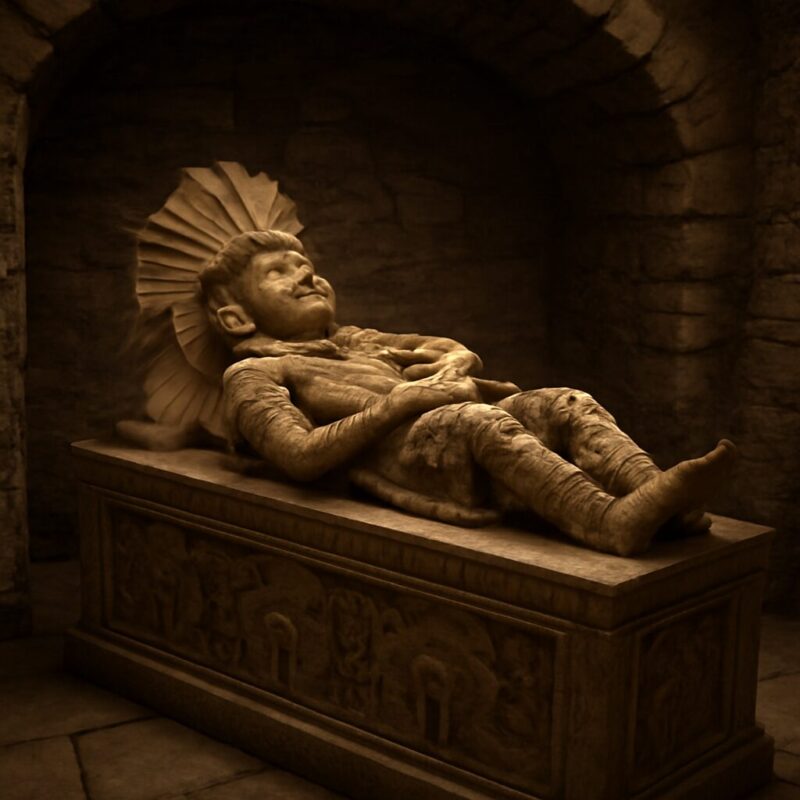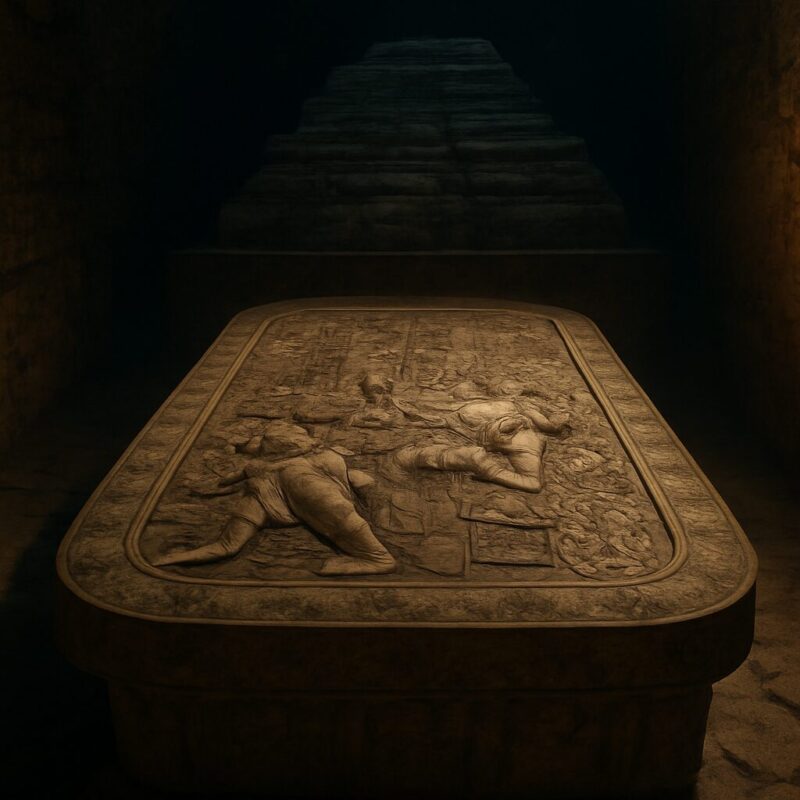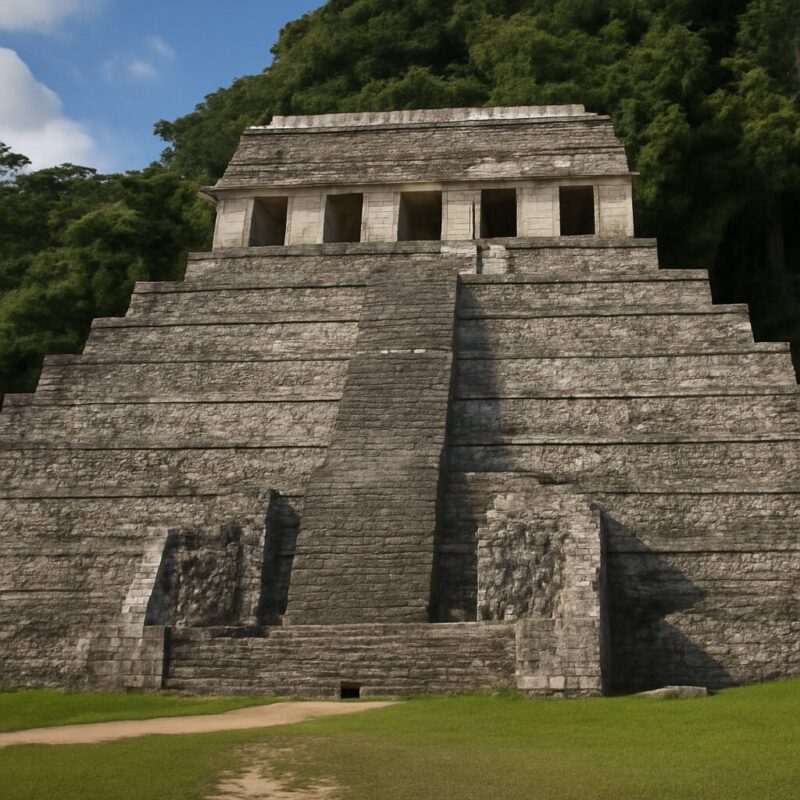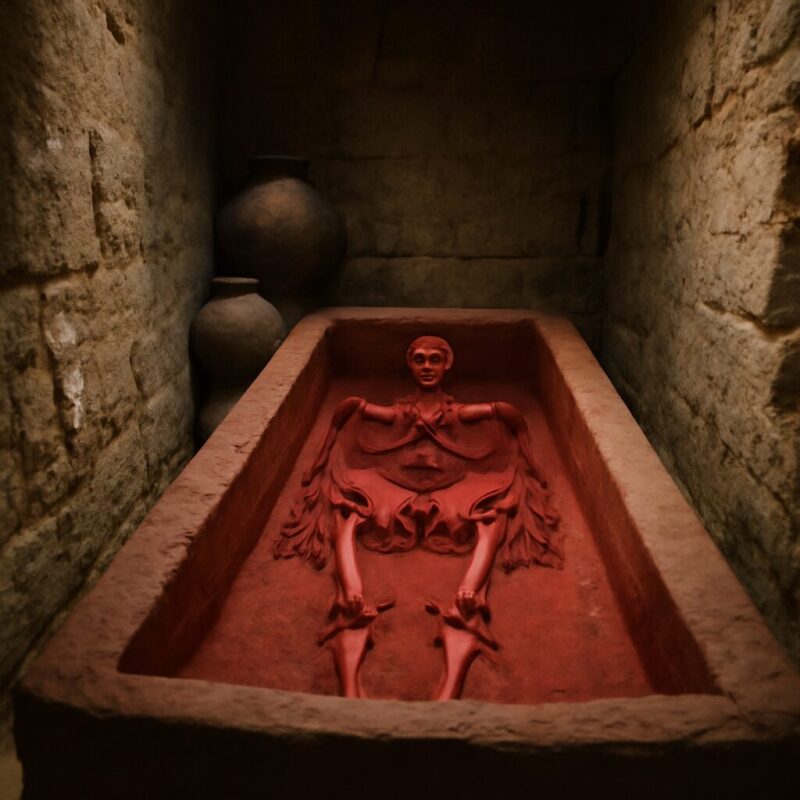
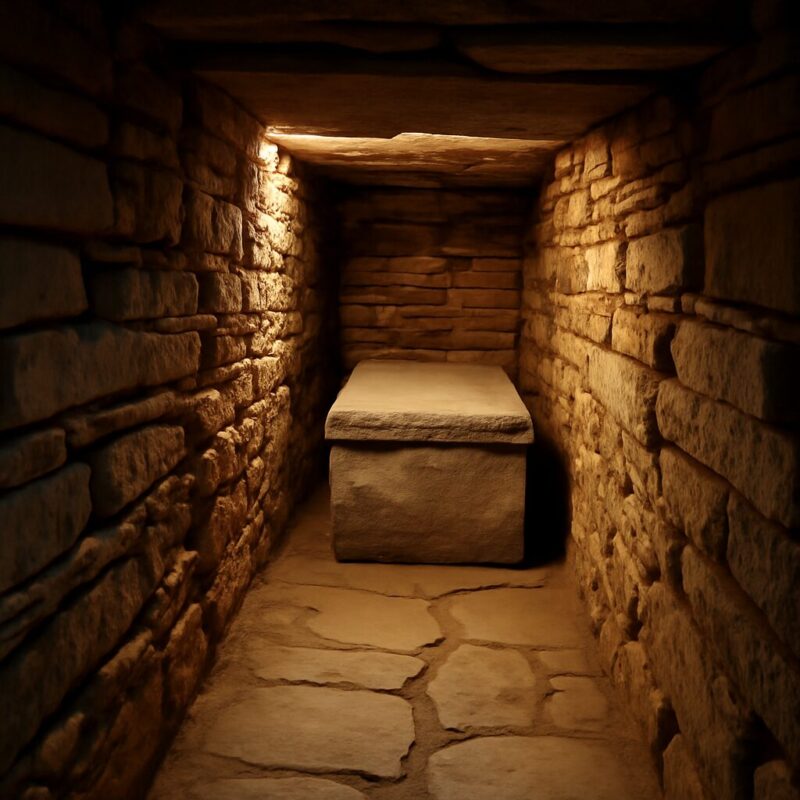
Deep within the stone heart of the Peruvian Andes, the tombs of Chavín de Huántar whisper secrets of a civilization that vanished millennia ago. This was not a city of the dead, but a pulsating, living oracle where priests, perhaps entombed within its labyrinthine galleries, channeled the voices of gods. Imagine descending into a world of echoing subterranean canals, where the roar of diverted water mimicked a jaguar's growl and hallucinogenic brews blurred the line between man and deity. The dead here were likely oracles or shamanic elites, interred not with mere gold, but with the profound power of esoteric knowledge. Their resting places are integral to the temple's terrifying design—a spiritual engine built to awe, disorient, and transform the pilgrim who dared enter.
Who Built Chavin de Huantar tombs?
The Builders of Chavín de Huántar
The tombs and ceremonial structures at Chavín de Huántar were built by the Chavín culture, a pre-Inca civilization that flourished in the north-central highlands of Peru from approximately 1200 BCE to 500 BCE. This culture is considered a foundational "mother culture" for later Andean civilizations.
Purpose and Significance
Chavín de Huántar was primarily a major religious and pilgrimage center, not a city of the living. The tombs found there were likely for elite priests or rulers who served as intermediaries between the spiritual and human worlds. The complex was designed to create awe and disorientation, with its labyrinthine underground galleries, elaborate drainage systems, and the famous stone carvings of supernatural beings (like the Lanzón monolith and the Raimondi Stone). The purpose was to consolidate religious ideology and power across a wide region, with the elite burials within the site reinforcing their sacred authority.
Related Tombs and Cultures
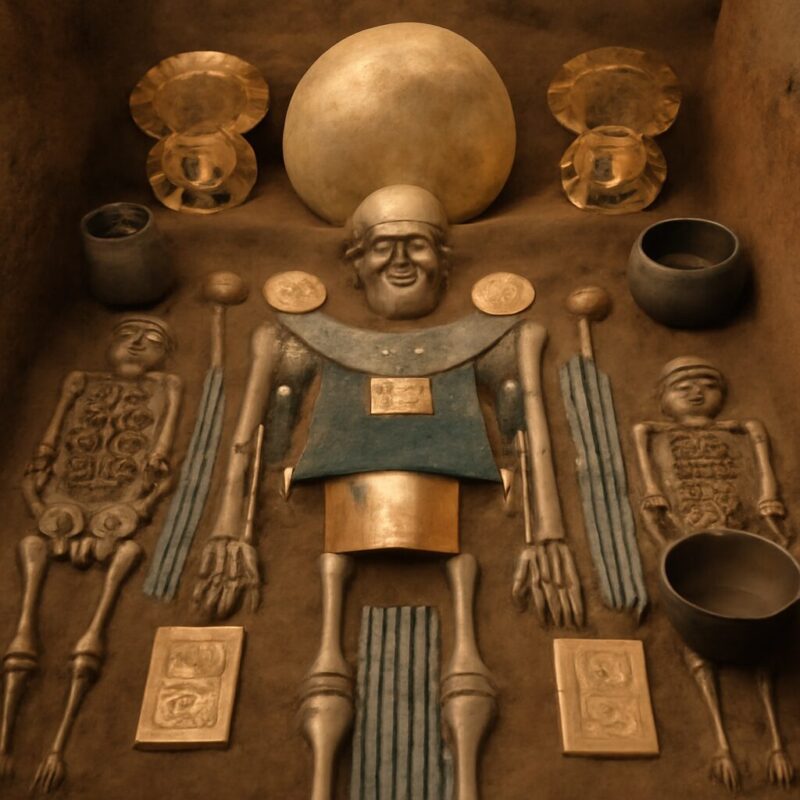
While the Chavín were an early horizon culture, their artistic and religious influence can be seen in later Andean societies. From the provided list, the most directly relevant comparison from Peru is the Lord of Sipan tomb. This Moche culture tomb, while over a millennium later, represents another pinnacle of pre-Columbian elite burial practices in Peru, showcasing incredible wealth and craftsmanship.
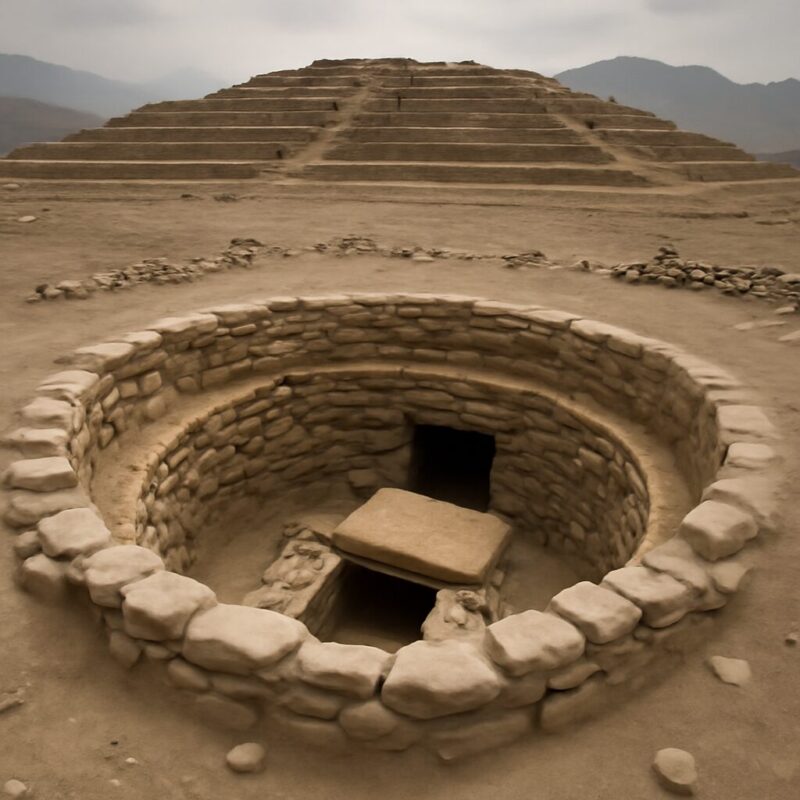
Another relevant early site from the region is the Caral tombs. The sacred city of Caral is significantly older than Chavín, dating back to the Late Archaic period, and provides evidence of early complex society and ritual in the Andes.