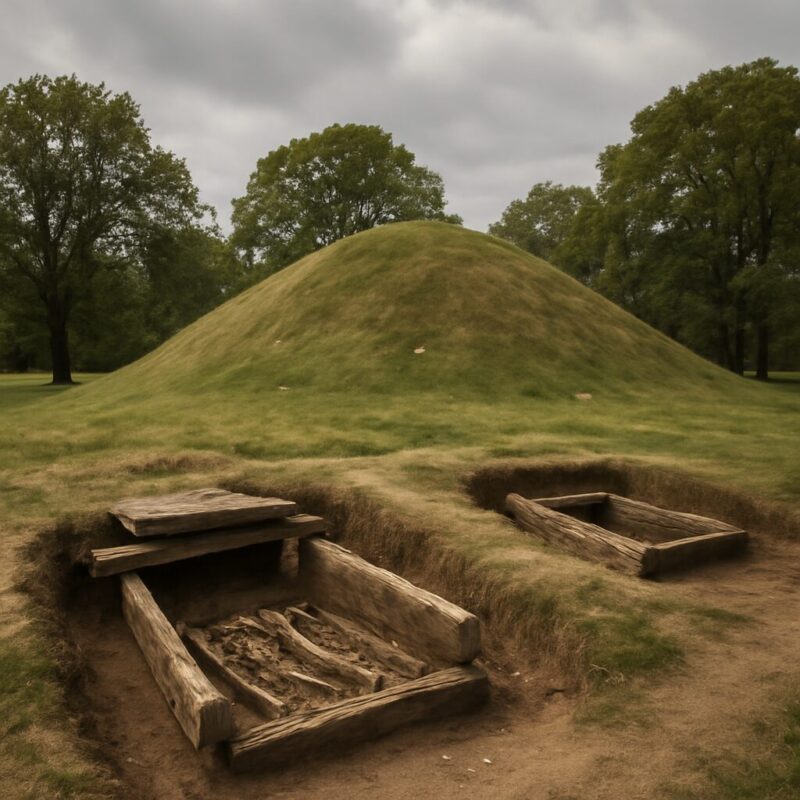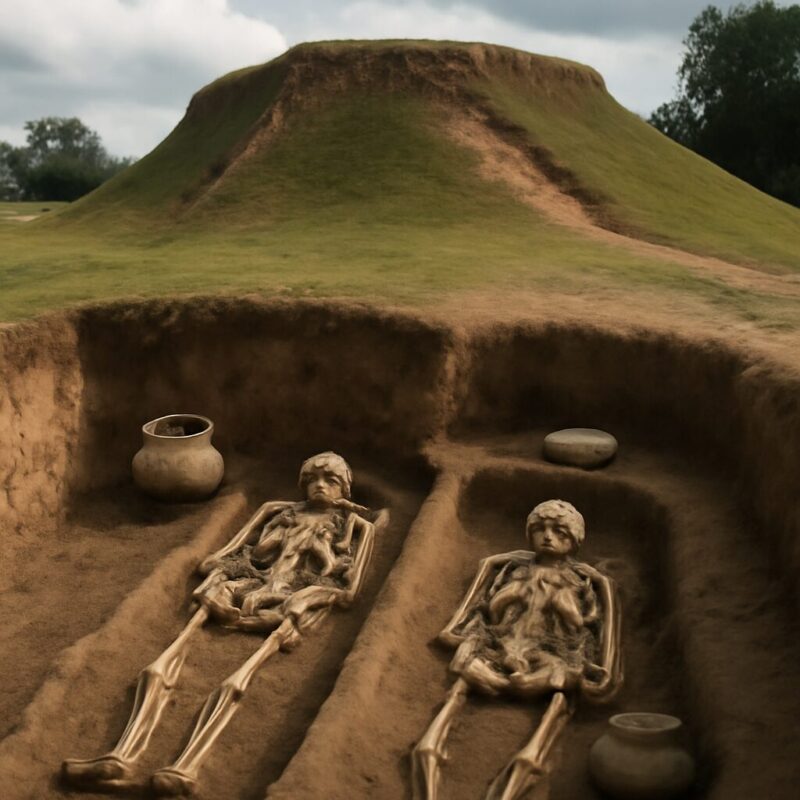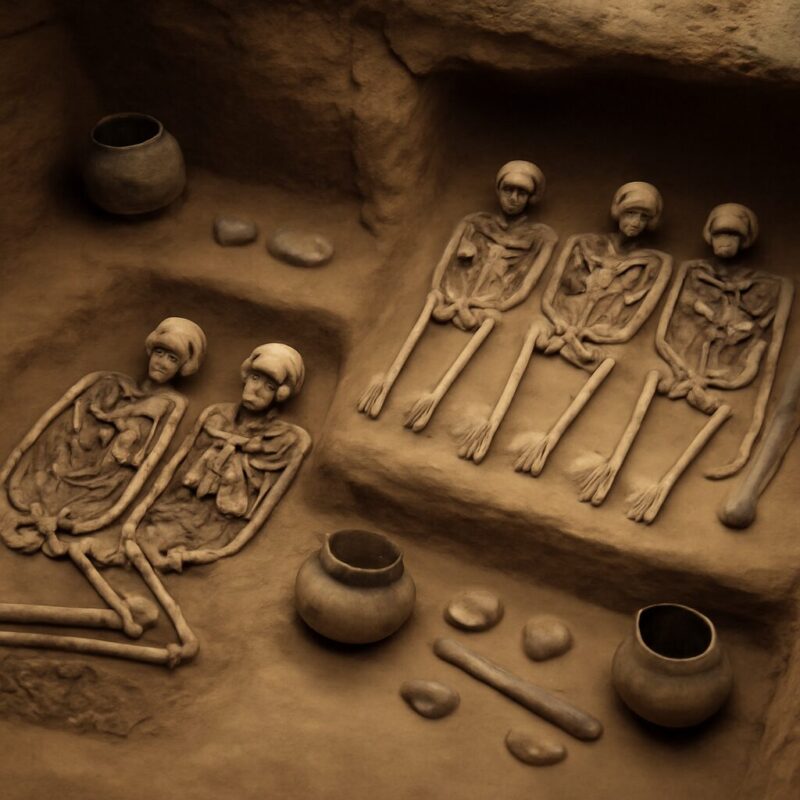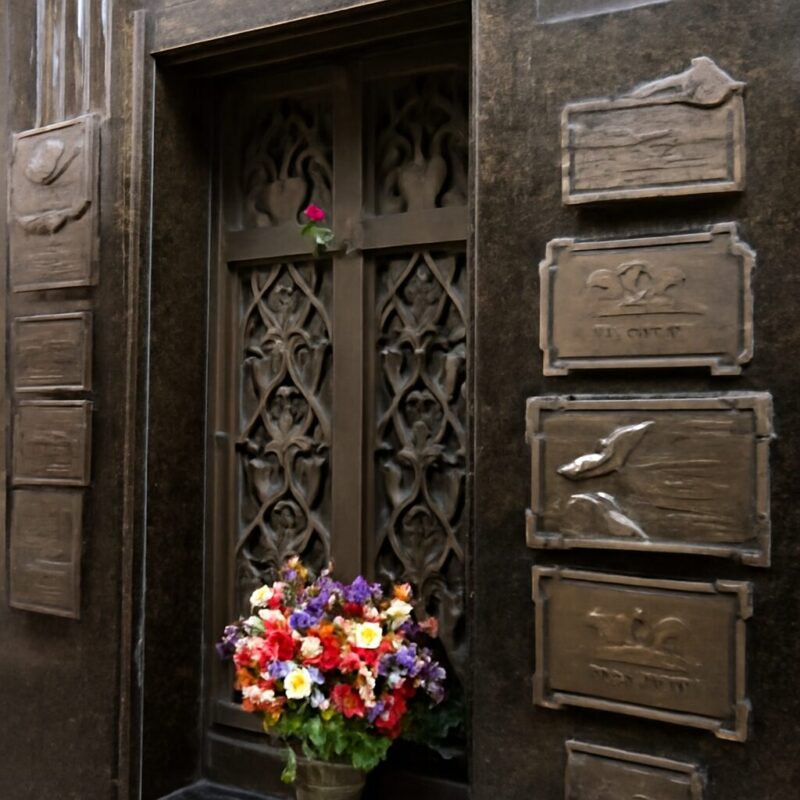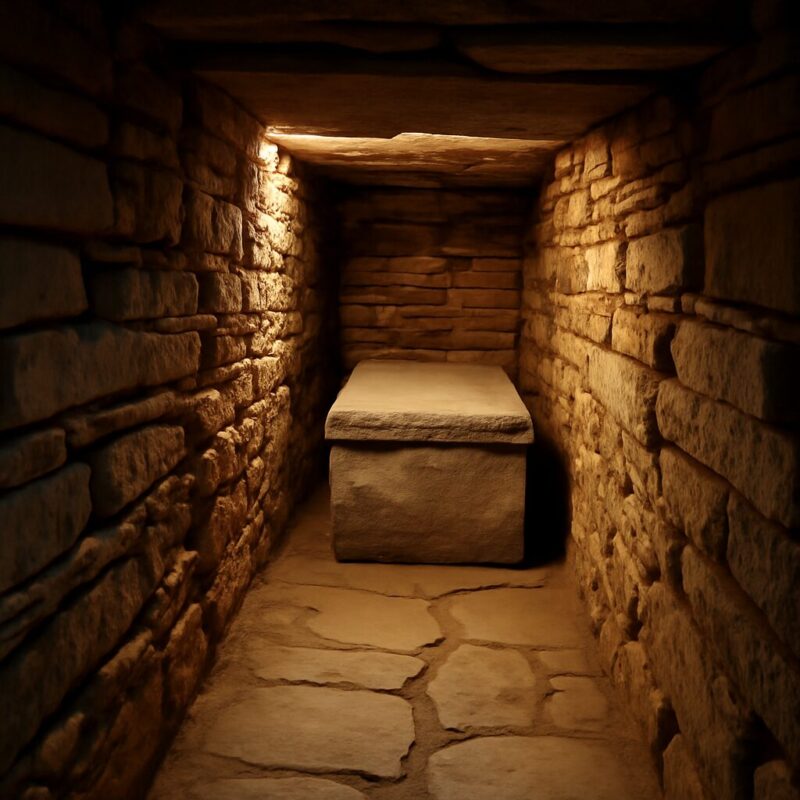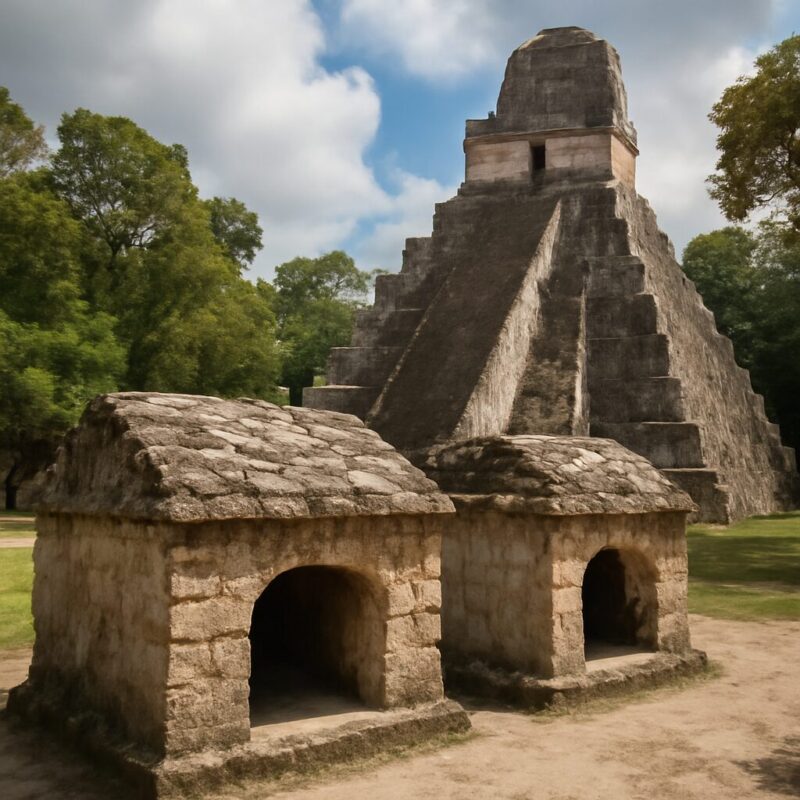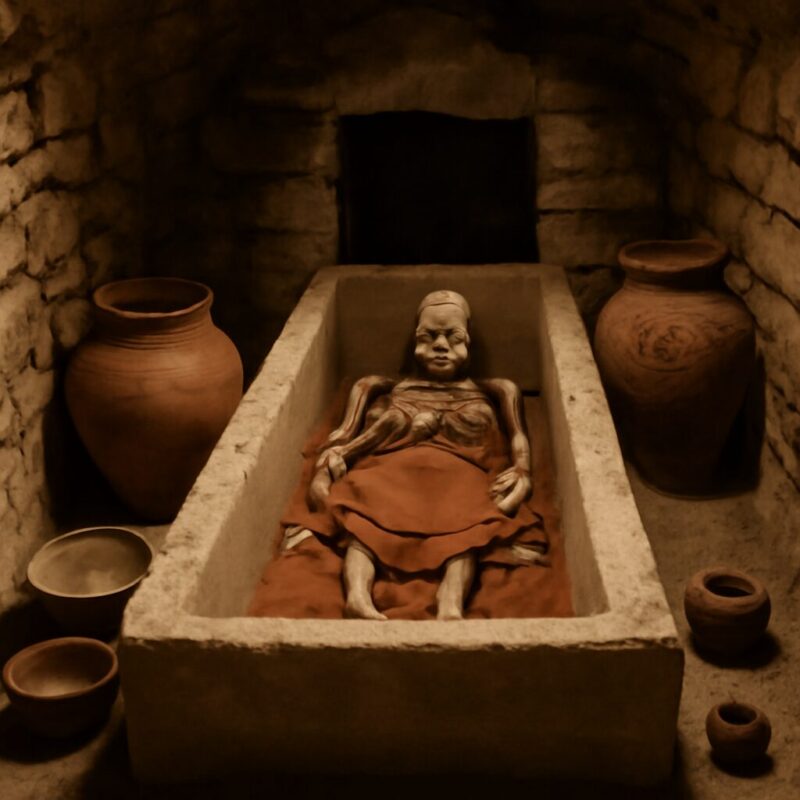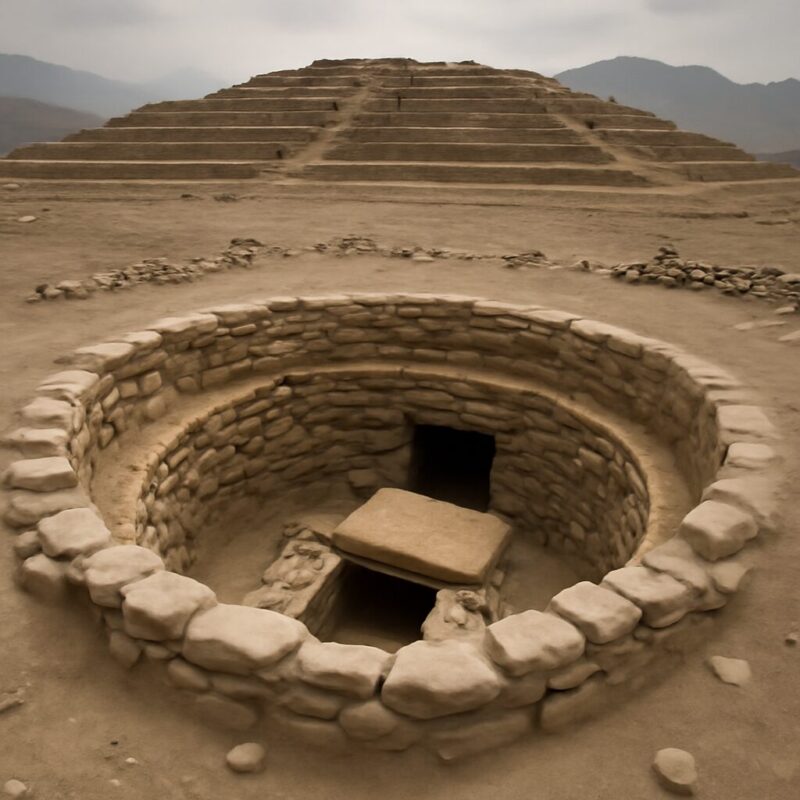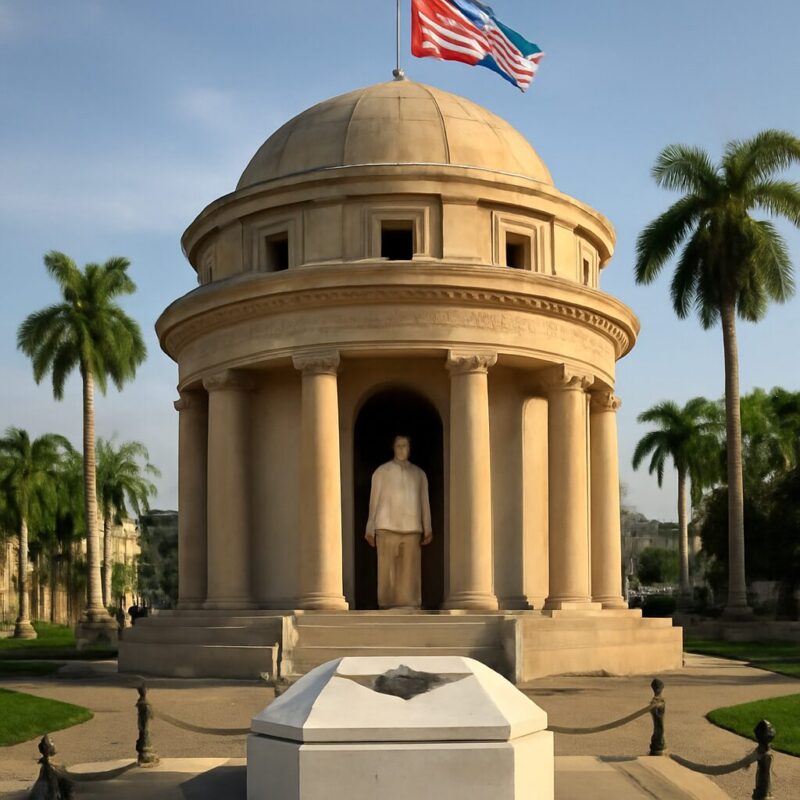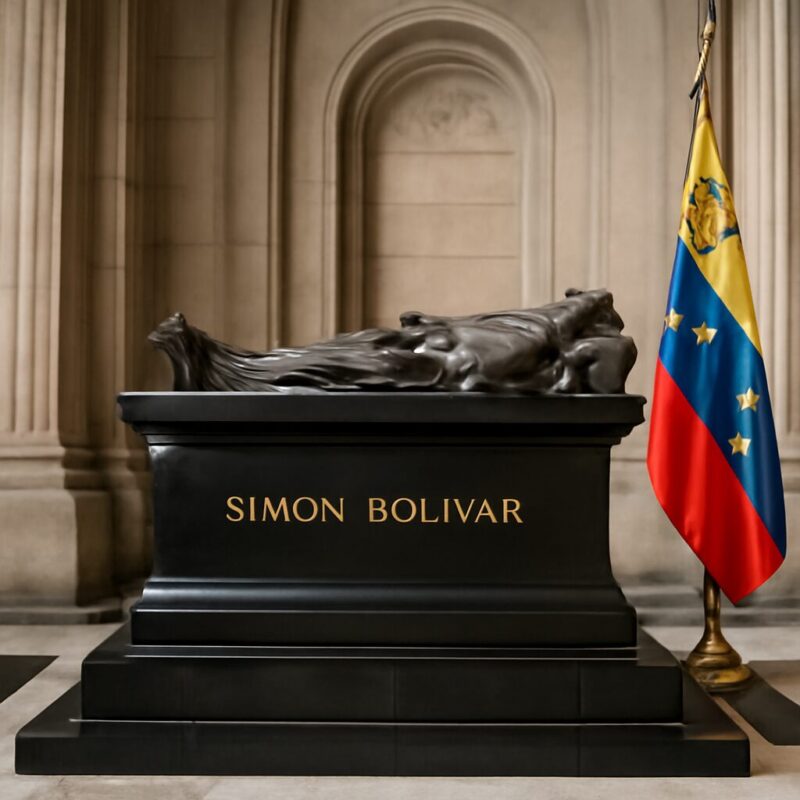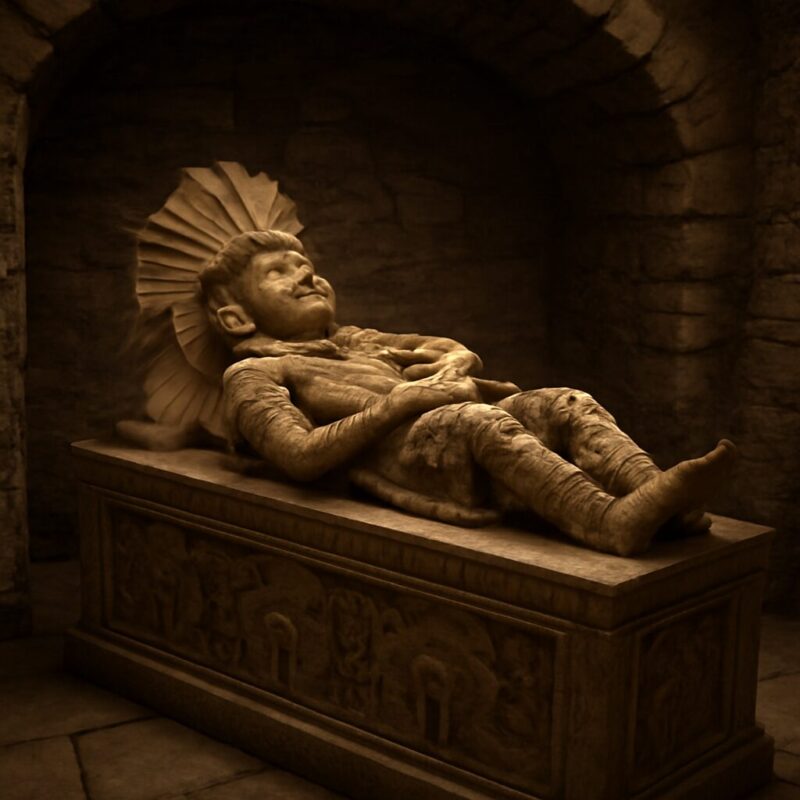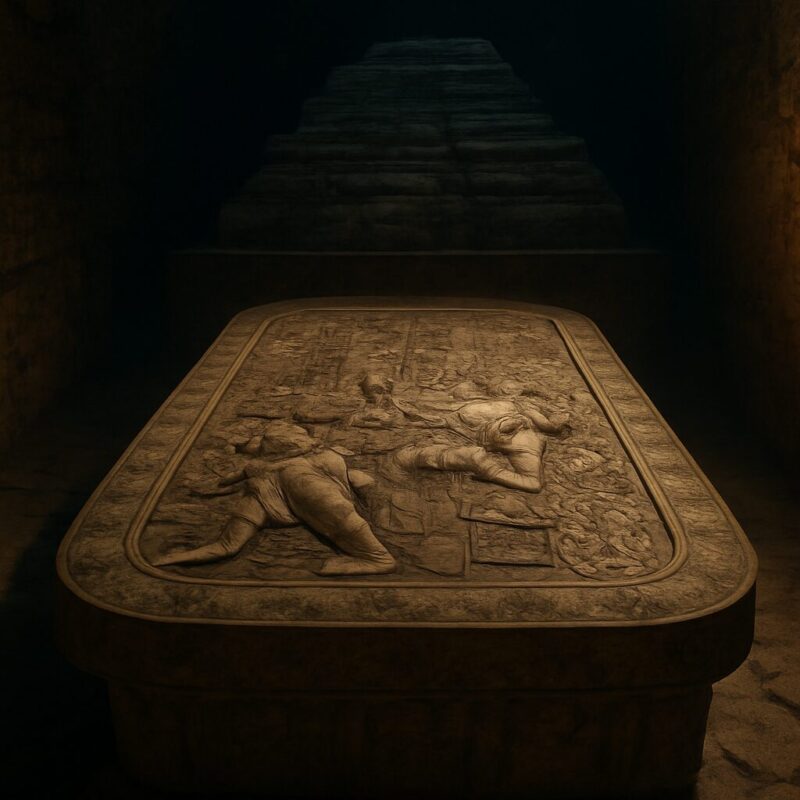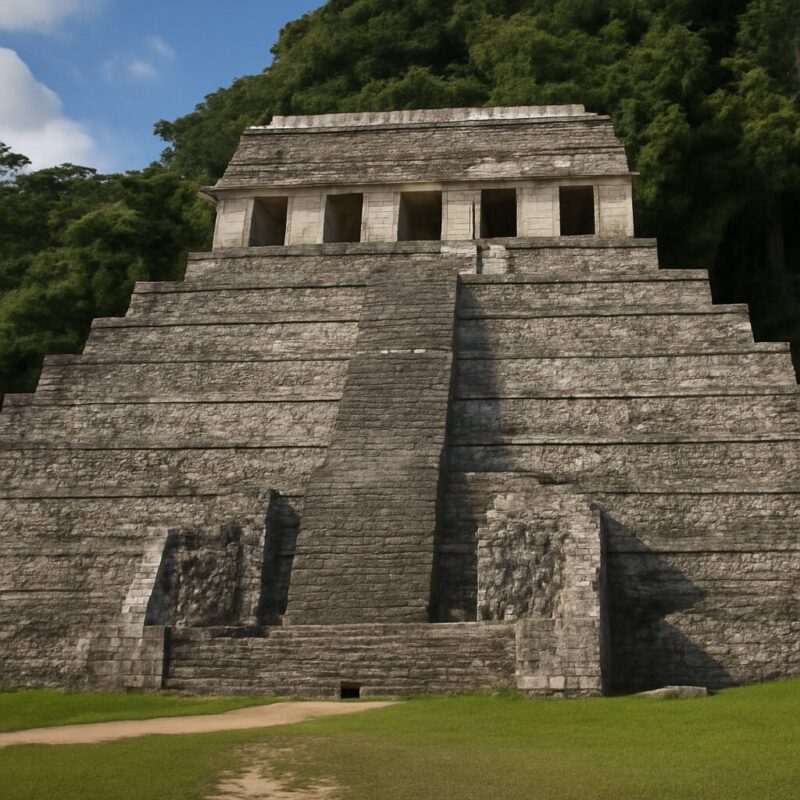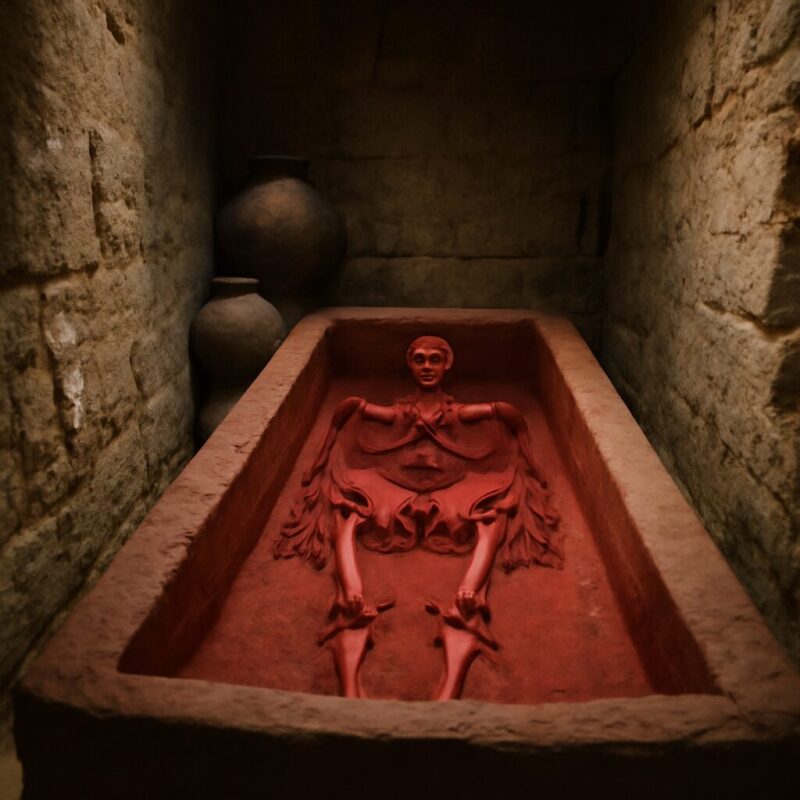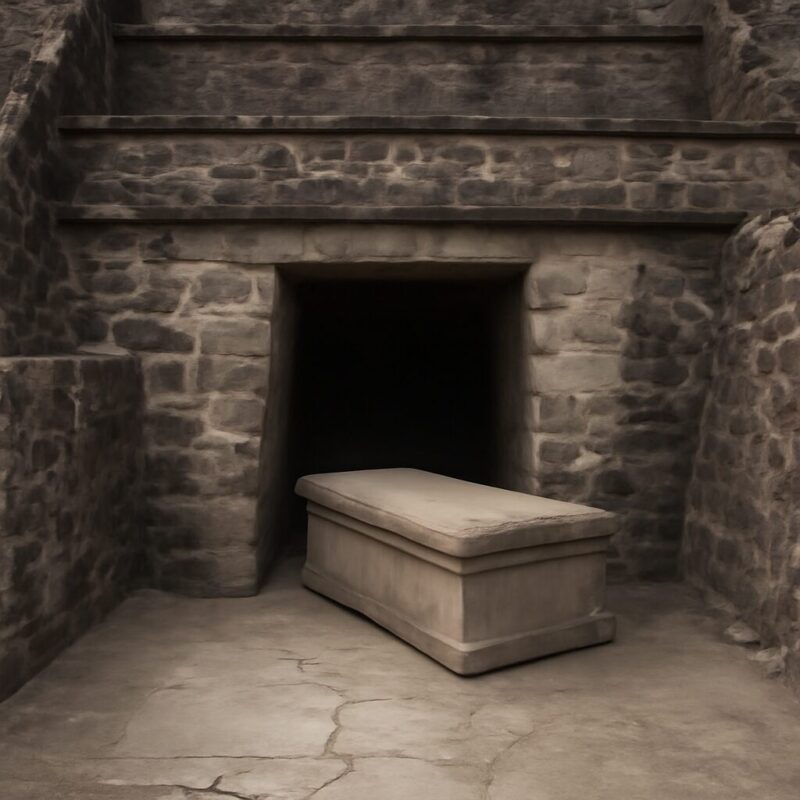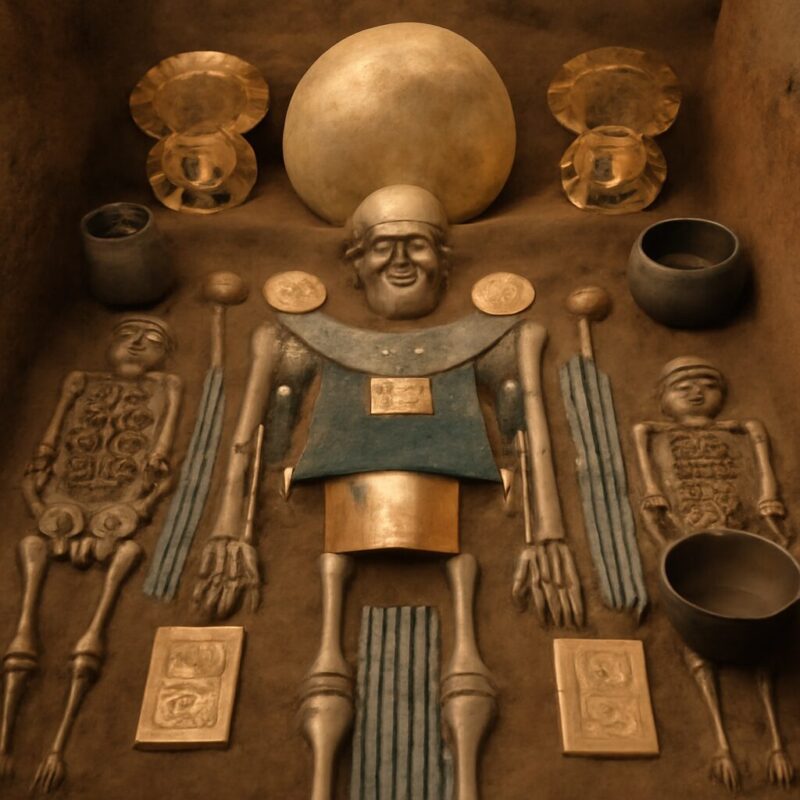
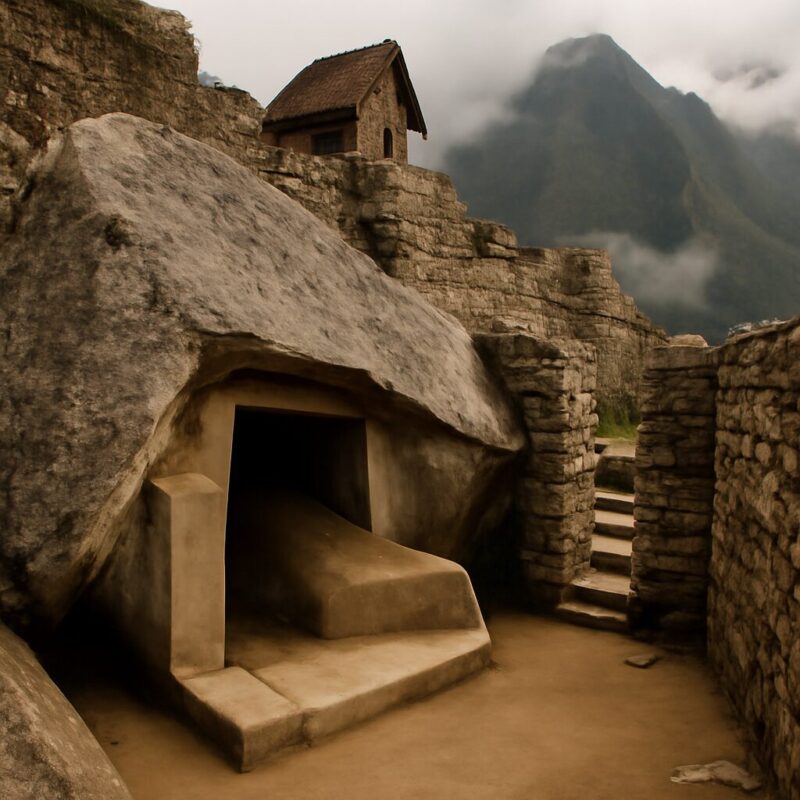
Nestled within the heart of the citadel, the so-called Royal Tomb is a place of shadow and intricate stone. It’s not a grand chamber, but a natural cave meticulously enhanced by Inca stonemasons, its walls lined with finely carved niches that once likely held sacred offerings or the mummified remains of the elite. A ceremonial altar of solid rock dominates the space, hinting at rituals performed for ancestors or deities. While no royal remains were found here by modern explorers, the exquisite craftsmanship and its proximity to the Temple of the Sun speak powerfully of its sacred, sepulchral purpose—a silent, elegant nexus between the world of the living and the realm of the divine.
Who Built Machu Picchu royal tomb?
The Builders of Machu Picchu's Royal Tomb
The so-called "Royal Tomb" at Machu Picchu was constructed by the Inca Empire, specifically under the reign of the Sapa Inca (emperor) Pachacuti Inca Yupanqui, who ruled from approximately 1438 to 1471 AD. The entire citadel of Machu Picchu was built as a royal estate and ceremonial center for Pachacuti and his lineage.
Purpose and Cultural Context
The tomb was built to serve as a sacred burial place for Inca nobility, likely for members of the royal family or high priests. Inca mortuary practices were deeply tied to ancestor worship and the concept of mallqui (mummified ancestors). These ancestors were not considered dead but alive in a different state, and their carefully preserved bodies were often brought out during ceremonies. A tomb in such a spiritually charged location, nestled between prominent mountain peaks (apu), would have been intended to honor the deceased and maintain a powerful connection between the royal lineage, the gods, and the natural world.
Other Structures Built by the Inca
The Inca were master stonemasons and engineers. Beyond Machu Picchu, they built an extensive network of cities, temples, and infrastructure across their empire, Tahuantinsuyo. Notable constructions include the capital Cusco, the fortress of Sacsayhuamán, the agricultural terraces at Moray, and the vast road system (Qhapaq Ñan).
Related Tombs from the Provided List
While the Inca royal tomb style is unique, other cultures in the Americas also built significant monumental tombs for their elites. Highly relevant examples from your list include:
- Lord of Sipan tomb - A spectacular Moche culture royal burial in Peru, predating the Inca.
- Royal Tombs of Sipan - The broader necropolis for Moche rulers.
- Temple of the Sun burials - Likely referring to the Coricancha in Cusco or other Inca solar temples which often had associated burial chambers.