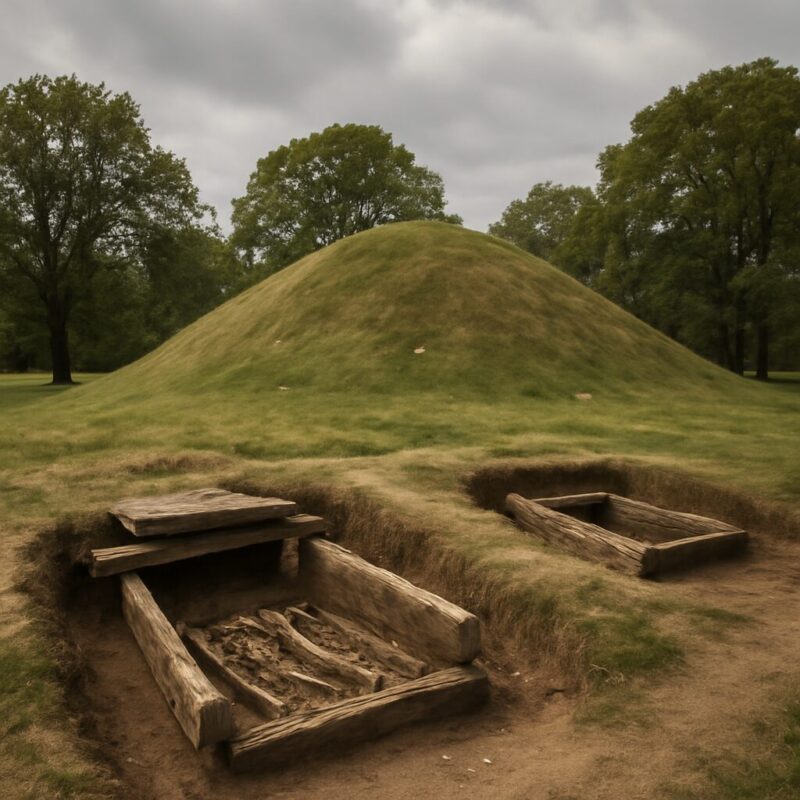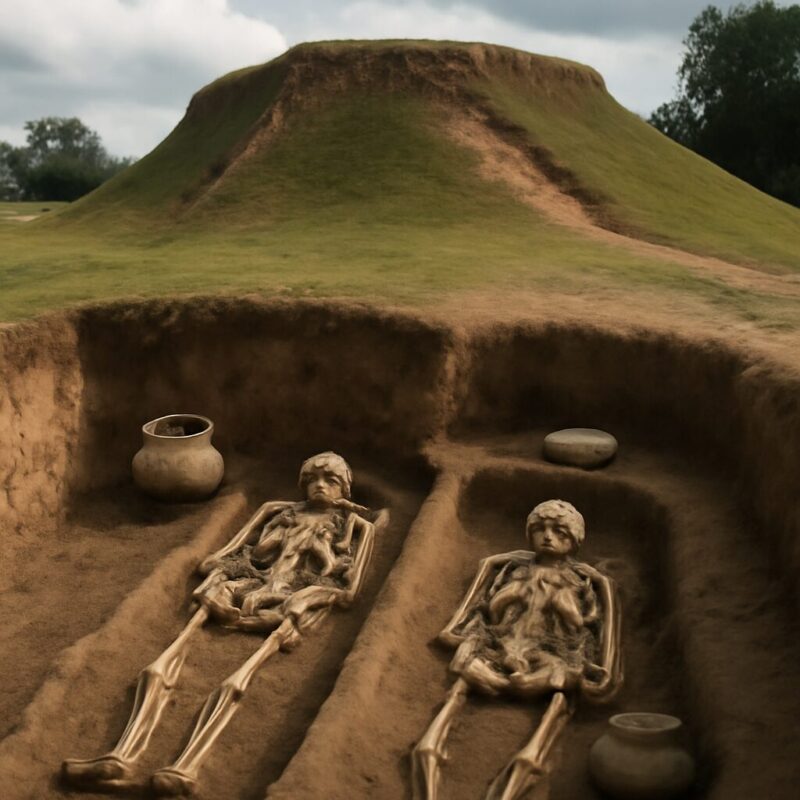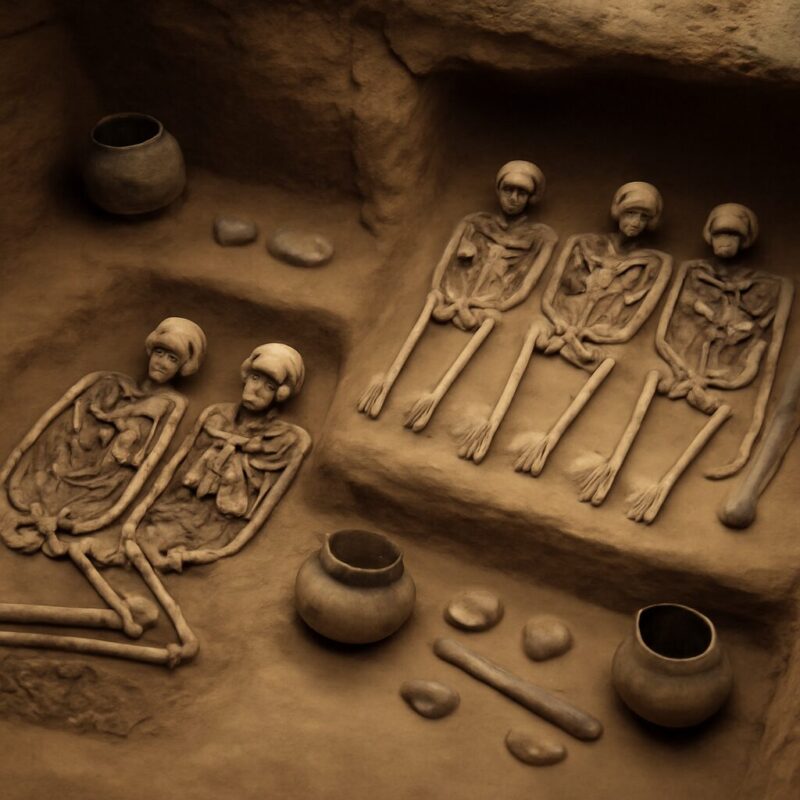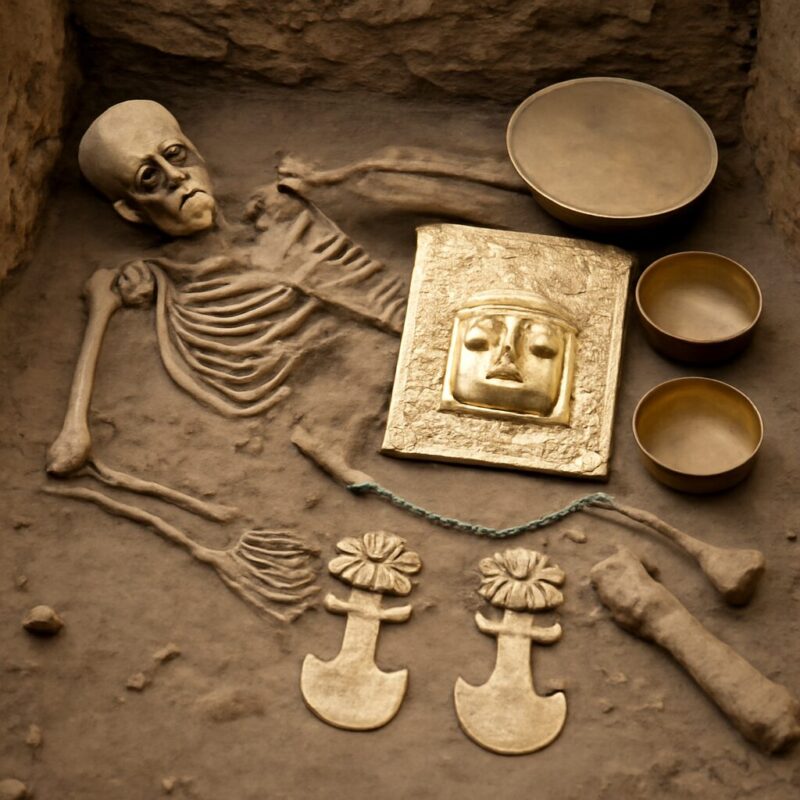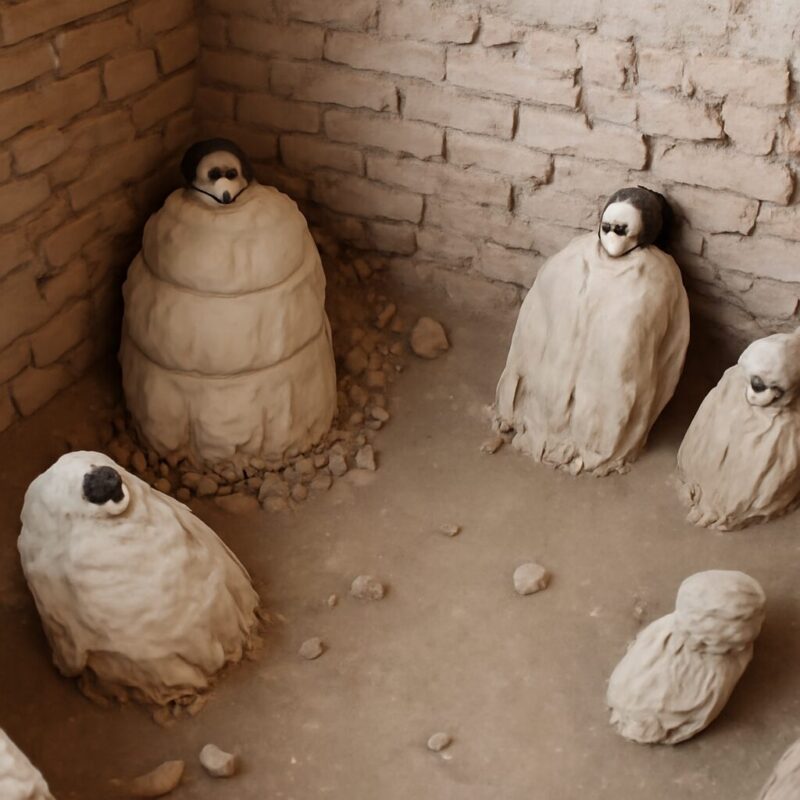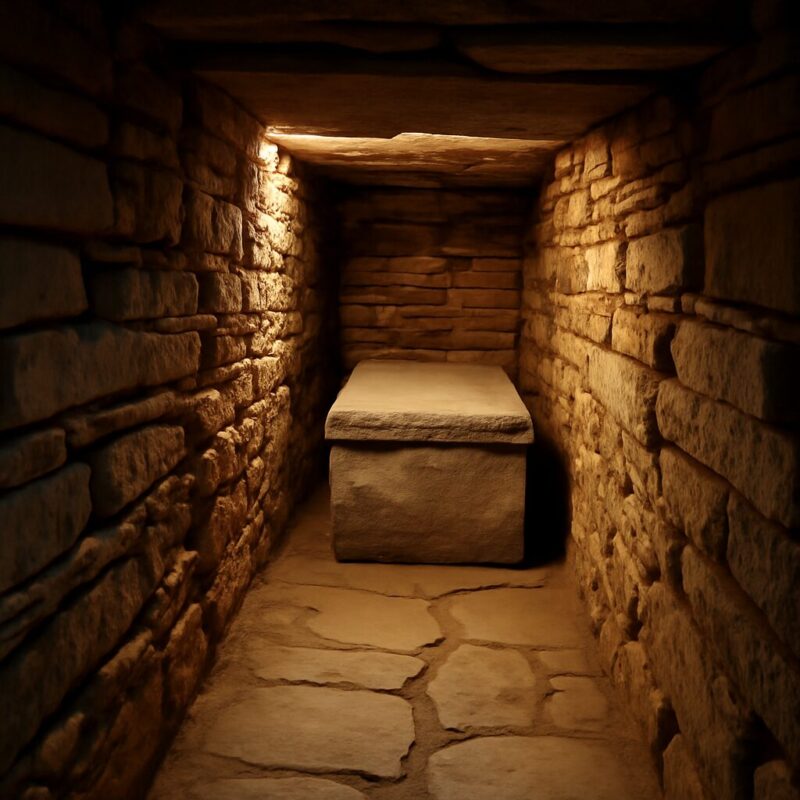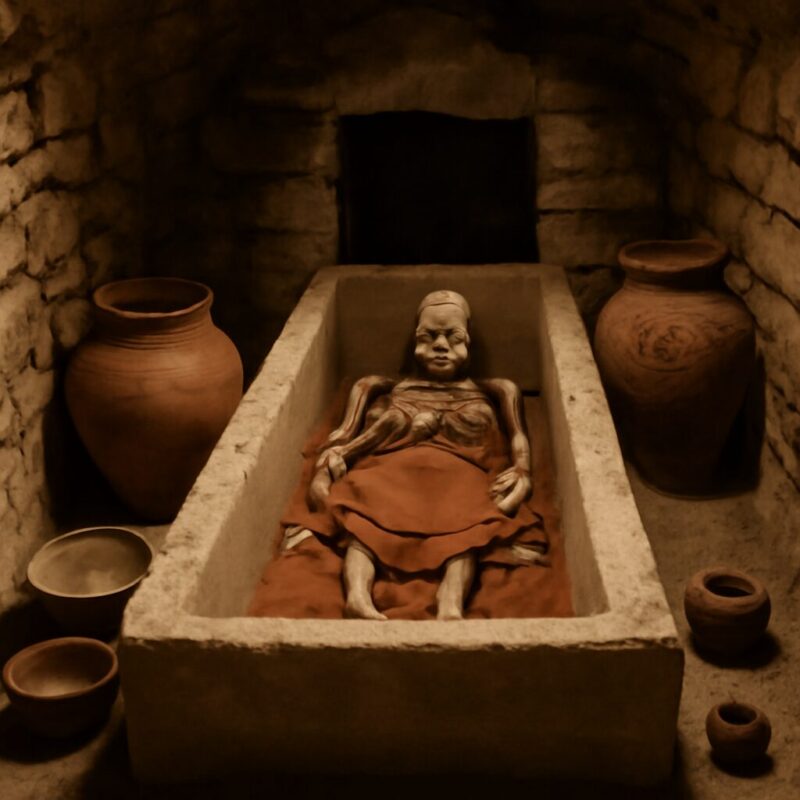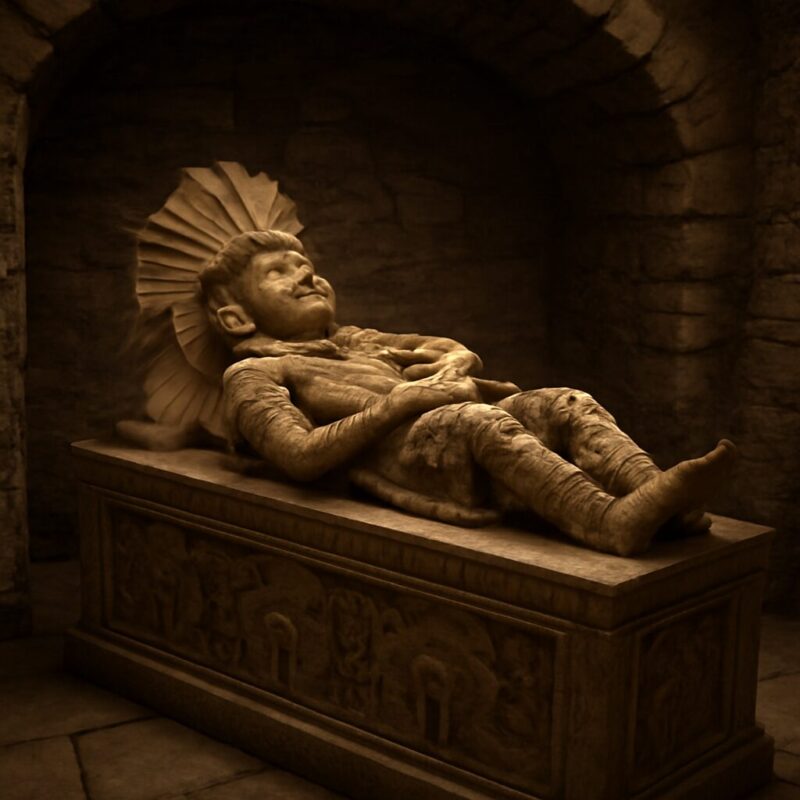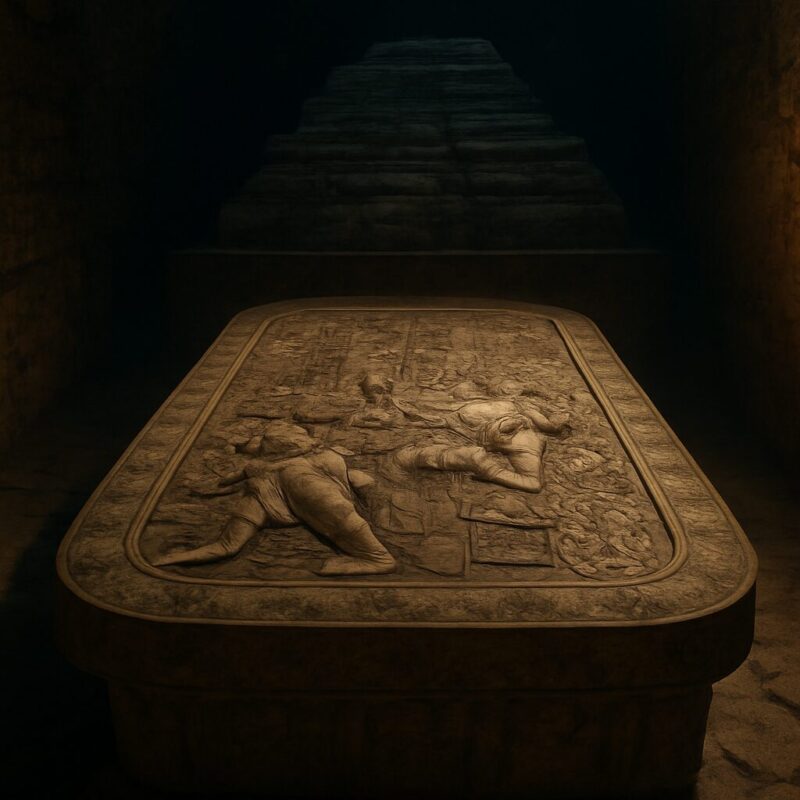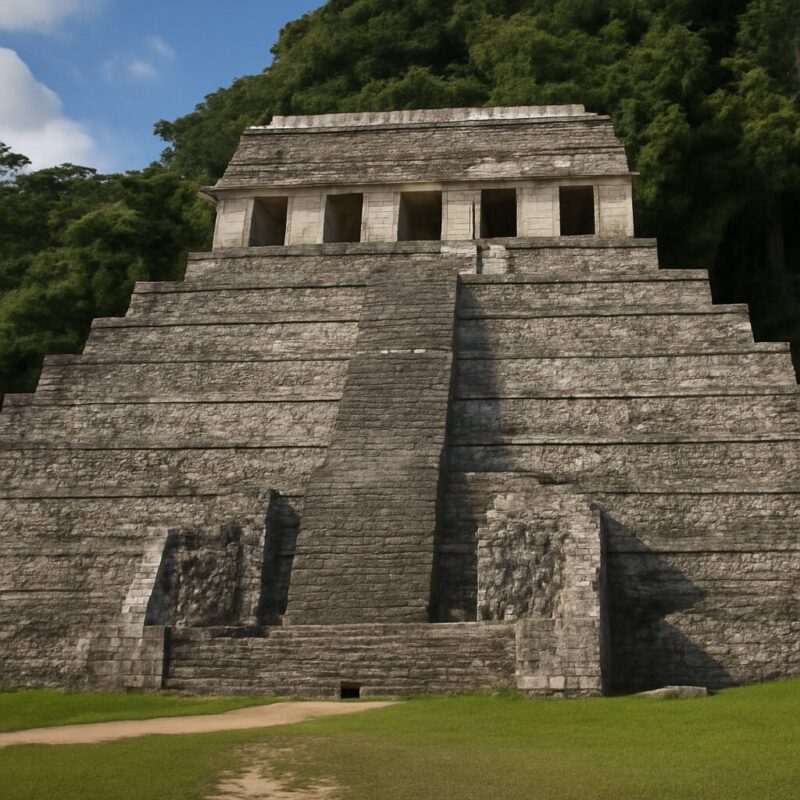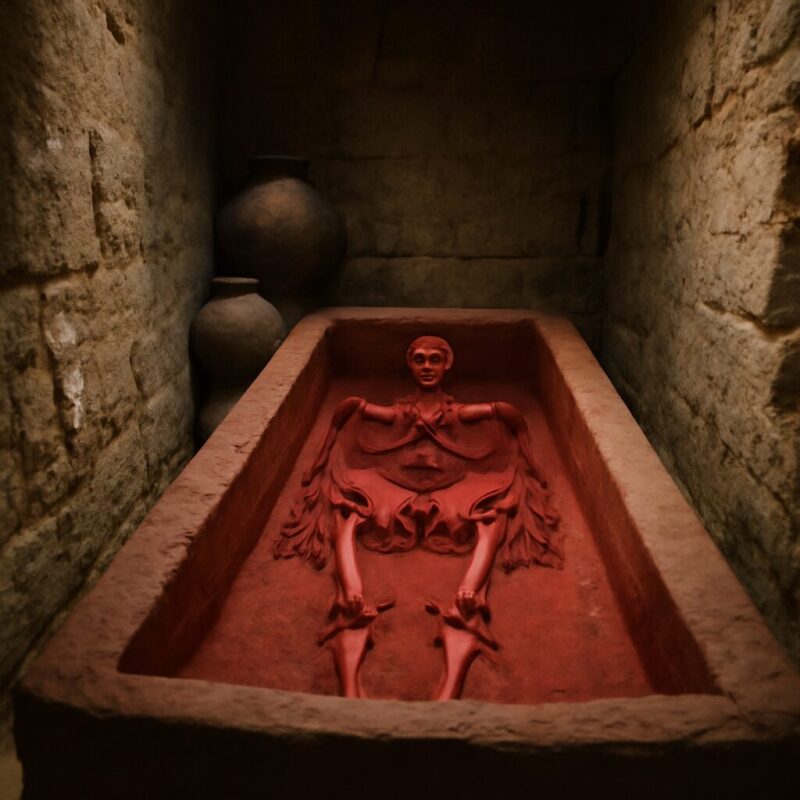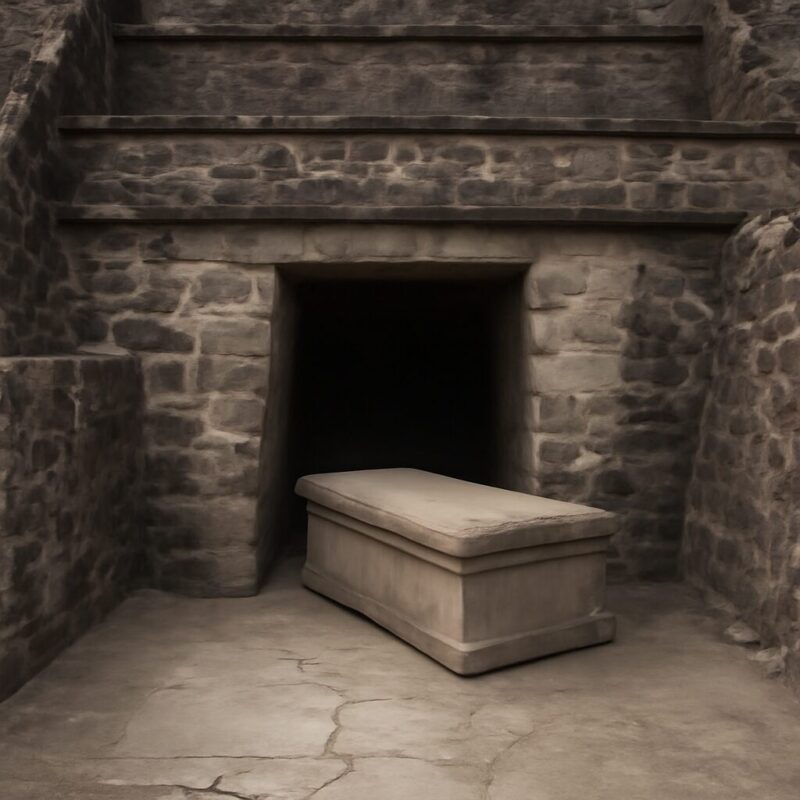
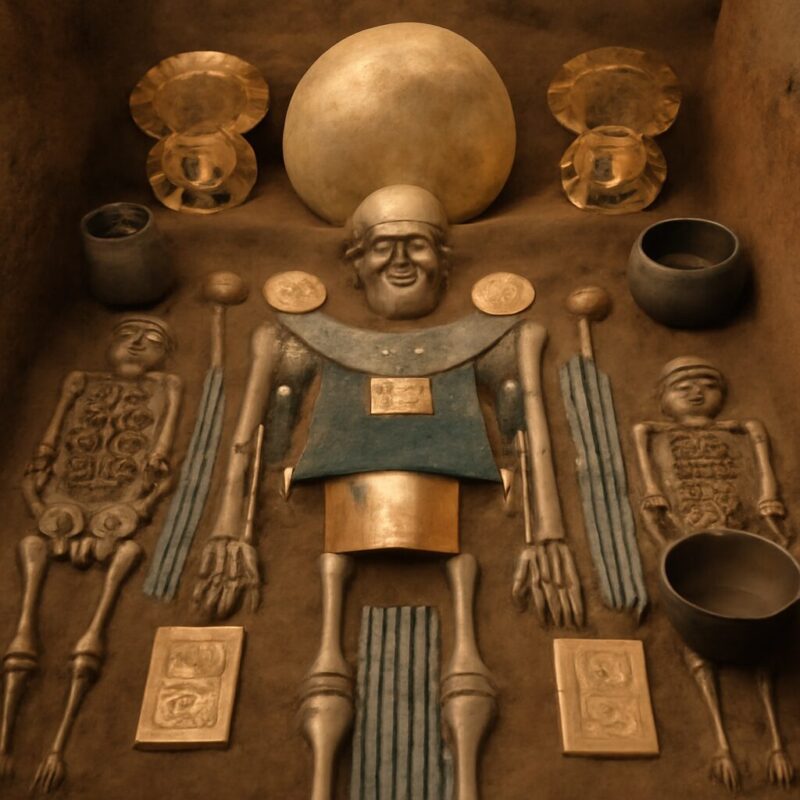
Imagine a chamber, sealed for 1700 years, where the silence was first broken not by a shout, but by a glint of gold in an archaeologist's lamplight. This was the tomb of the Lord of Sipán, a Moche warrior-priest who ruled Peru's arid coast around 100-300 AD. His resting place, a mud-brick pyramid at Huaca Rajada, was found miraculously intact, untouched by looters. He was buried in a cocoon of power: layered in exquisite gold and silver ornaments, his head crowned with a huge crescent helmet, his hands and feet sheathed in precious metal. Surrounding him were the solemn remains of his court—warriors, priests, even a dog—and the symbols of his divine authority, from intricate jewelry to armies of miniature clay soldiers. This discovery didn't just reveal a king; it resurrected an entire civilization, offering a breathtaking, unfiltered window into the ritual and splendor of pre-Columbian America.
Who Built Lord of Sipan tomb?
The Builders: The Moche Civilization
The tomb of the Lord of Sipan was built by the Moche (or Mochica) civilization, which flourished on the north coast of present-day Peru from approximately 100 to 700 AD. The Moche were not a single, centralized empire but a collection of autonomous polities sharing a common culture, religion, and artistic style.
Purpose of the Tomb
The tomb was constructed as the final resting place for a high-ranking Moche ruler, now known as the Lord of Sipan, who is believed to have been a warrior-priest king. The elaborate burial served multiple purposes: to honor and deify the deceased leader, to assert the power and continuity of his lineage, and to provide him with all the necessary goods, attendants, and symbols of authority for his journey and status in the afterlife. The tomb's incredible wealth of grave goods, including gold, silver, textiles, and ceramics, was intended to reflect his divine power and ensure his comfort and influence beyond death.
Other Moche Constructions
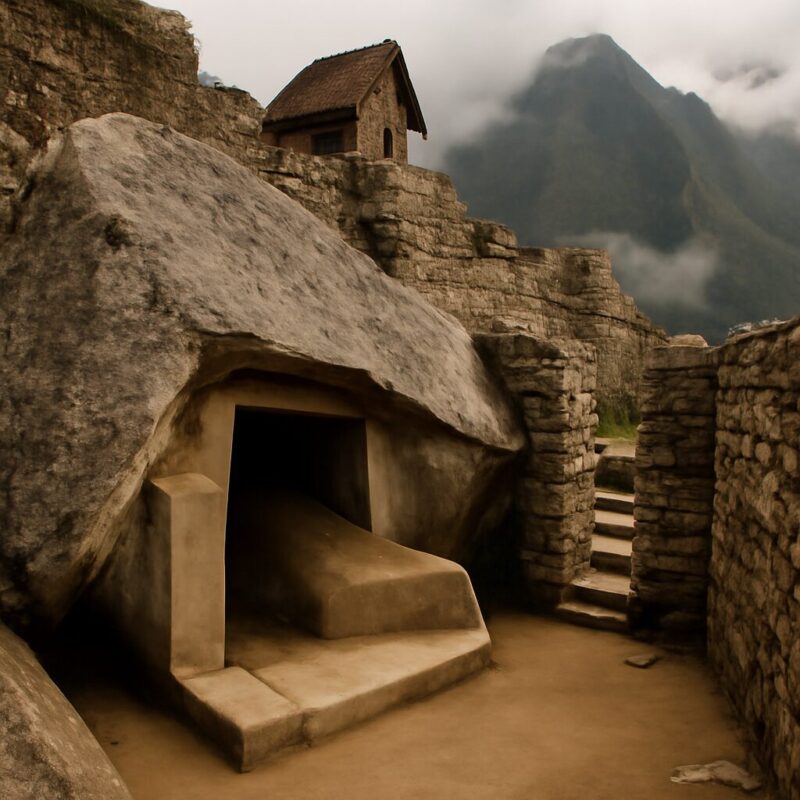
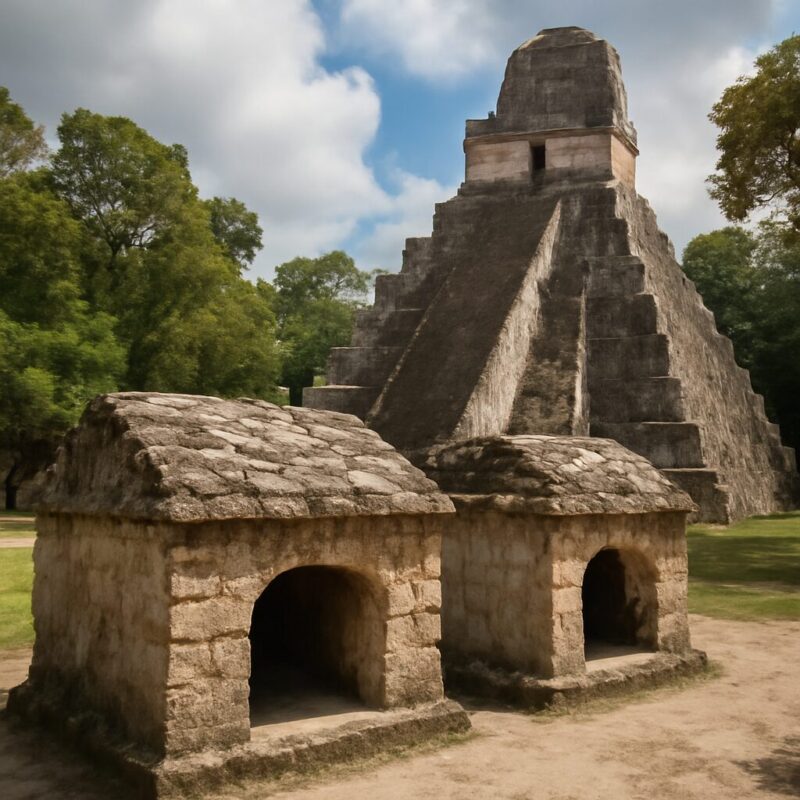
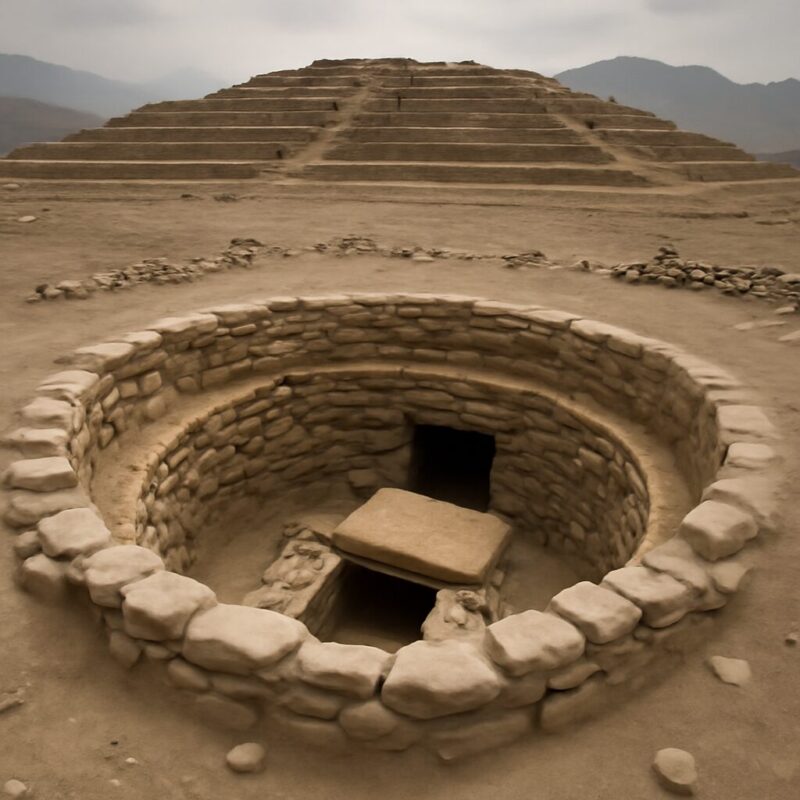
The Moche are renowned for their monumental adobe architecture. Their most characteristic structures are large, stepped pyramids known as huacas. These served as ceremonial centers, administrative hubs, and elite residences. The most famous examples are the Huaca del Sol (Pyramid of the Sun) and the Huaca de la Luna (Pyramid of the Moon), which form the core of the Moche capital near modern-day Trujillo. While not tombs in the same sense as the Lord of Sipan's burial chamber, these huacas were central to Moche ritual life and power, and elite burials have been found within their precincts.
Highly Relevant Related Tomb
The discovery of the Lord of Sipan's tomb in 1987 was part of a larger necropolis. Subsequent excavations in the area revealed other elite burials, which are collectively referred to as the Royal Tombs of Sipan. This complex includes the tombs of other high-status individuals such as "The Old Lord of Sipan" and "The Priest," providing a broader understanding of Moche elite society and burial practices.