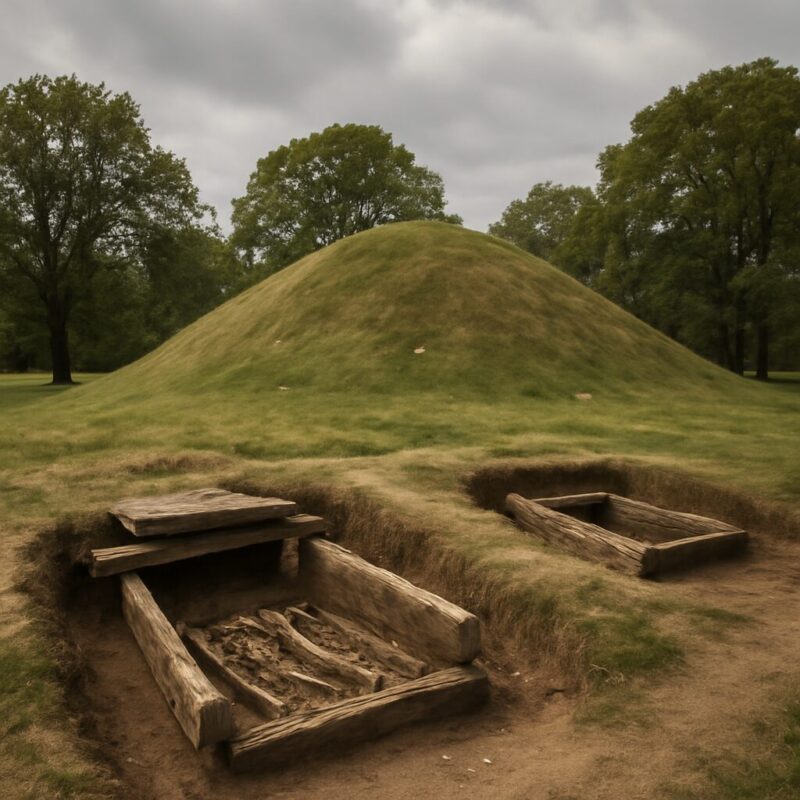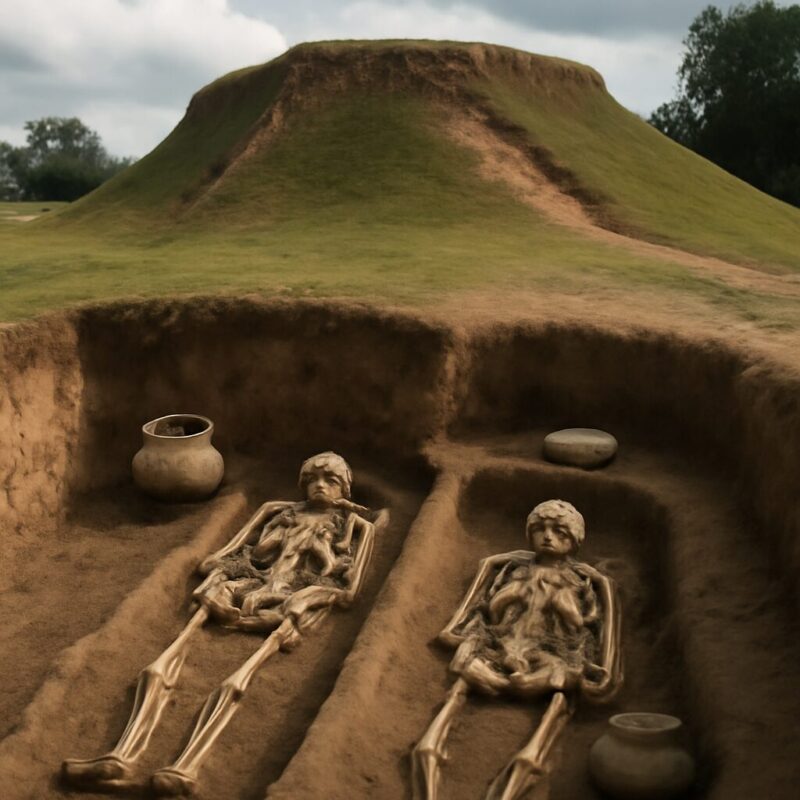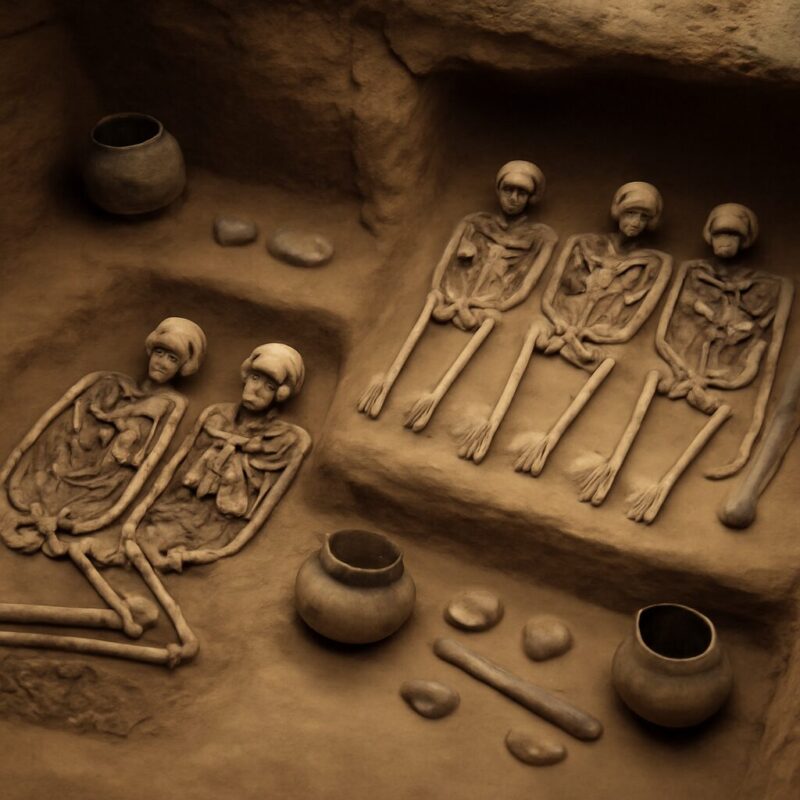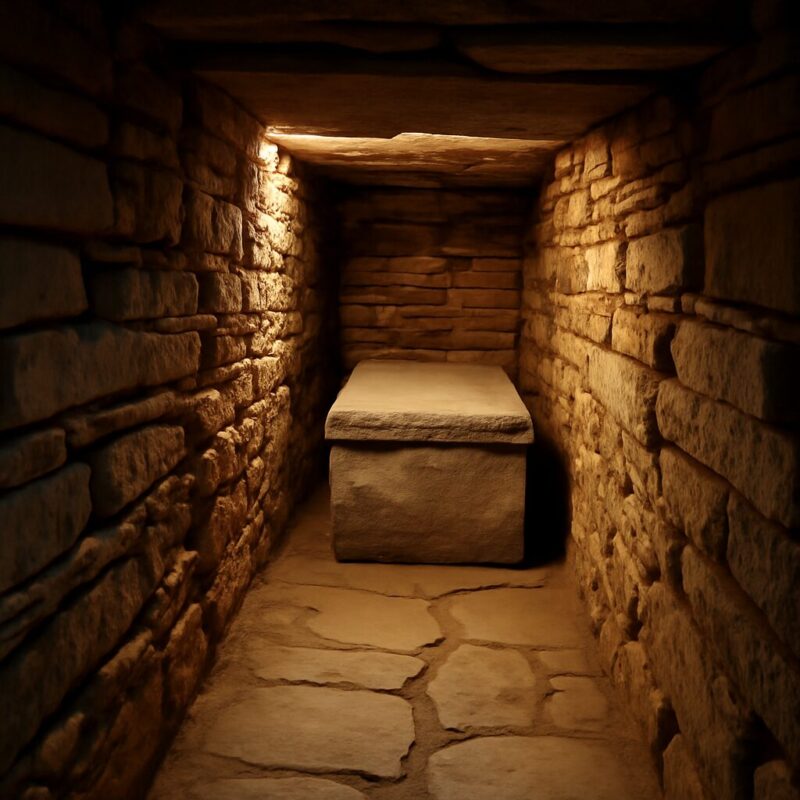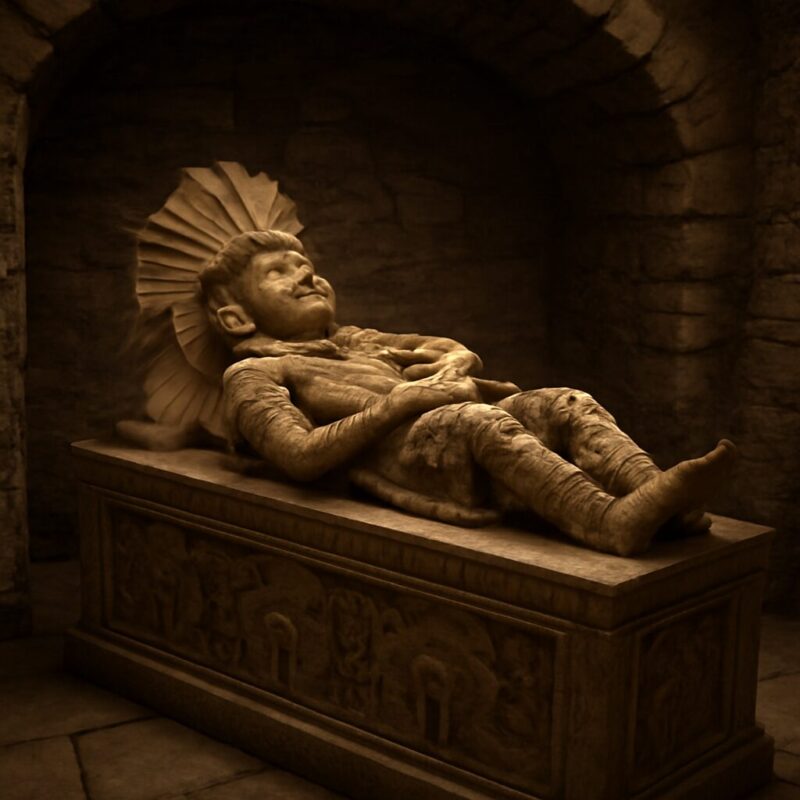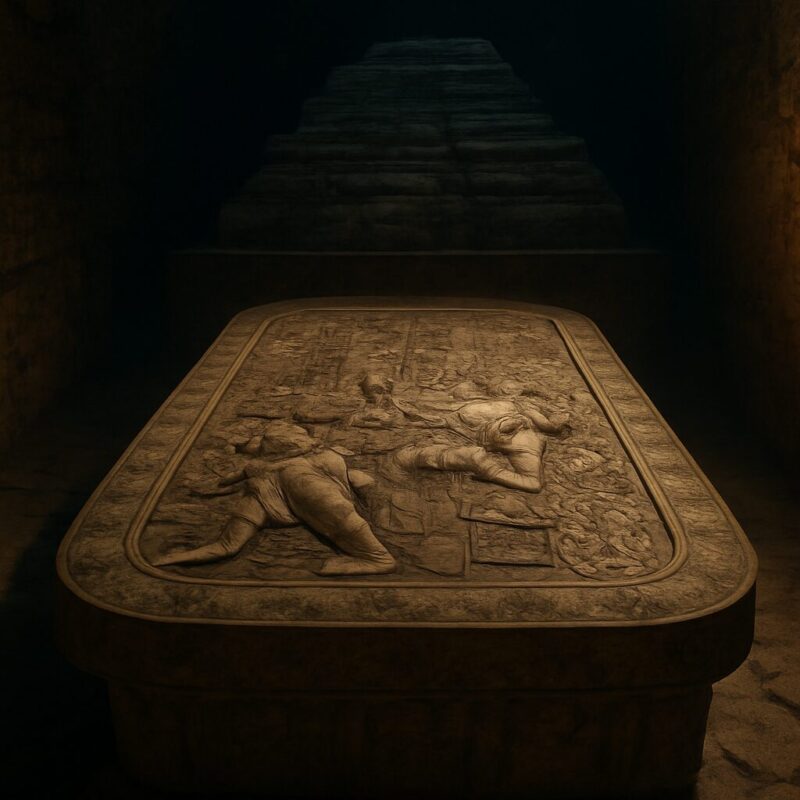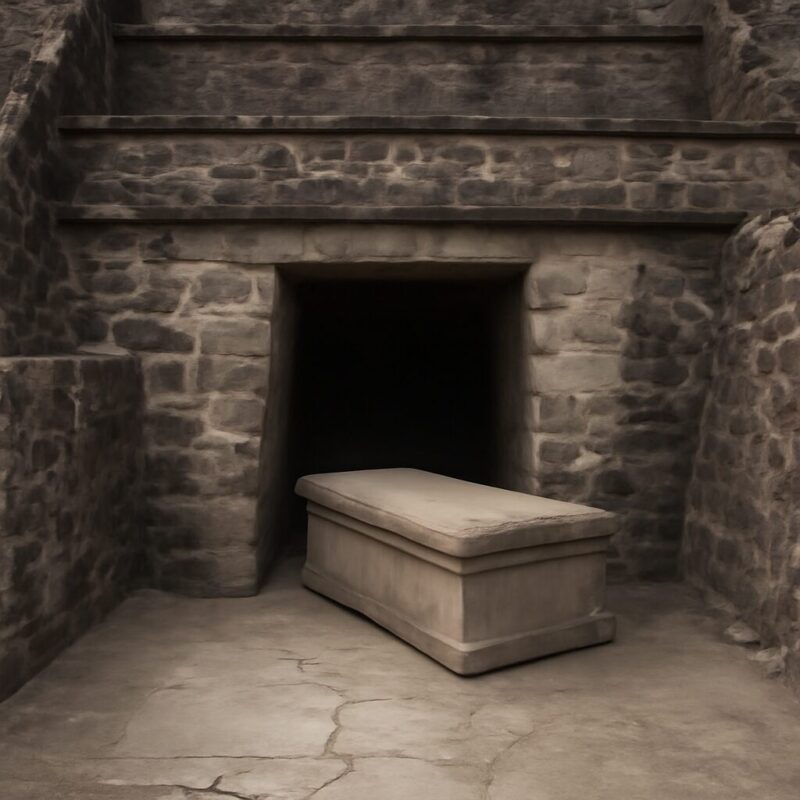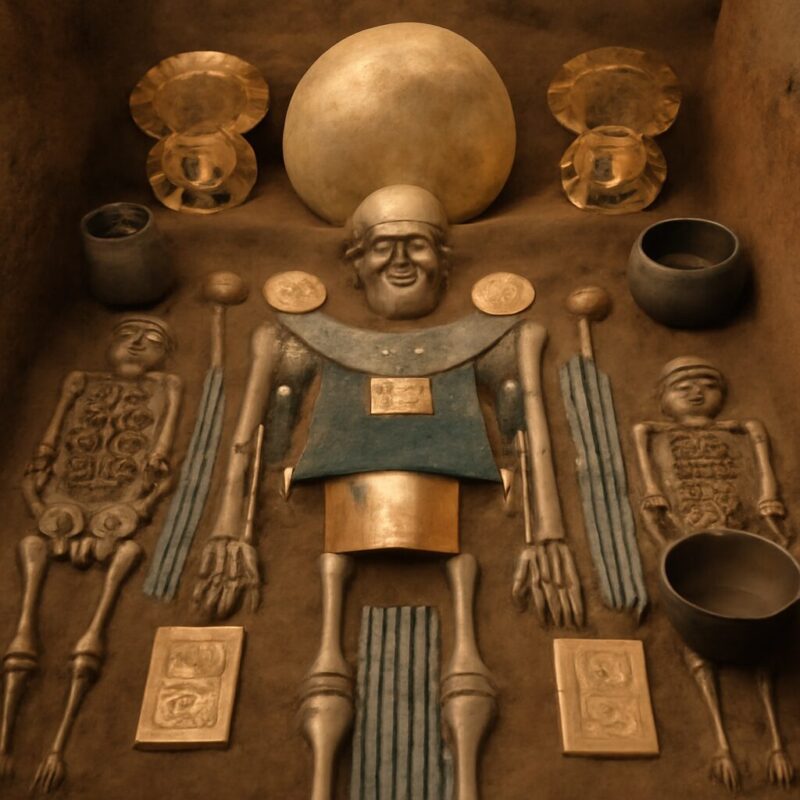
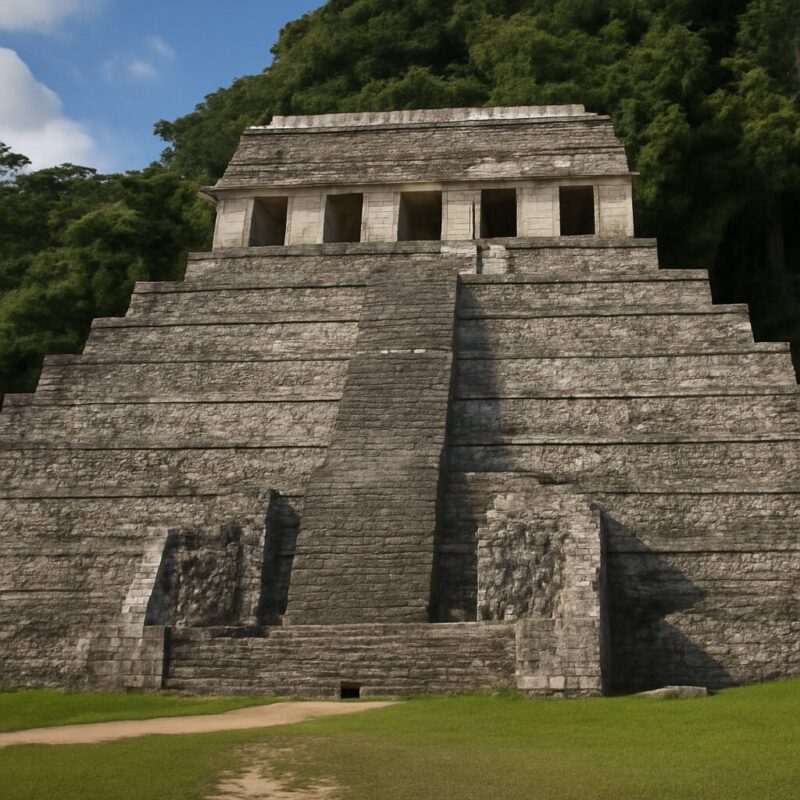
Deep in the humid embrace of the Chiapas jungle, the Temple of the Inscriptions doesn't just sit atop its pyramidal base—it seems to grow from it, a stone extension of the earth itself. This is no mere temple, but the magnificent tomb of the 7th-century ruler Pakal the Great. Its famous hieroglyphic stairway, a cascade of over 600 carved glyphs, tumbles down the façade, telling the dynasty's history in a permanent stone whisper. For centuries, the secret lay hidden beneath the temple floor until, in 1952, archaeologists discovered a corbel-vaulted passage leading deep into the pyramid's heart. There, in a crypt heavy with time, they found Pakal's monumental sarcophagus lid, its intricate carving depicting the king's cosmic rebirth, a powerful Maya vision of death as a journey, not an end.
The genius of its construction is haunting; the tomb was built first, and the temple raised precisely over it, a mountain of limestone engineered for eternity. To stand in the central chamber, feeling the cool, still air, is to stand at the axis of a world where architecture, astronomy, and profound belief are fused into one enduring stone testament.
Who Built Temple of the Inscriptions?
Who Built the Temple of the Inscriptions?
The Temple of the Inscriptions was built by the Maya civilization, specifically as the funerary monument for the ruler K'inich Janaab' Pakal (commonly known as Pakal the Great). It was constructed in the city-state of Palenque, located in present-day Chiapas, Mexico. The temple was likely commissioned by Pakal himself during his lifetime (603–683 CE) and completed by his son and successor, K'inich Kan B'alam II, after Pakal's death.
Why Was It Built?
The primary purpose of the Temple of the Inscriptions was to serve as a monumental tomb for Pakal the Great, one of Palenque's most renowned and long-reigning kings. The structure physically and symbolically connected the deceased ruler with the Maya cosmos. Its stepped pyramid form represented the sacred mountain of creation, while the subterranean burial chamber signified the entrance to the underworld, or Xibalba. The temple's name derives from the extensive hieroglyphic inscriptions found within, which record Palenque's dynastic history and legitimize Pakal's divine lineage and right to rule.
Other Relevant Tombs Built by the Maya
The Maya built numerous other royal tombs as part of their funerary and dynastic practices. From the list provided, the following are highly relevant examples from other major Maya city-states:
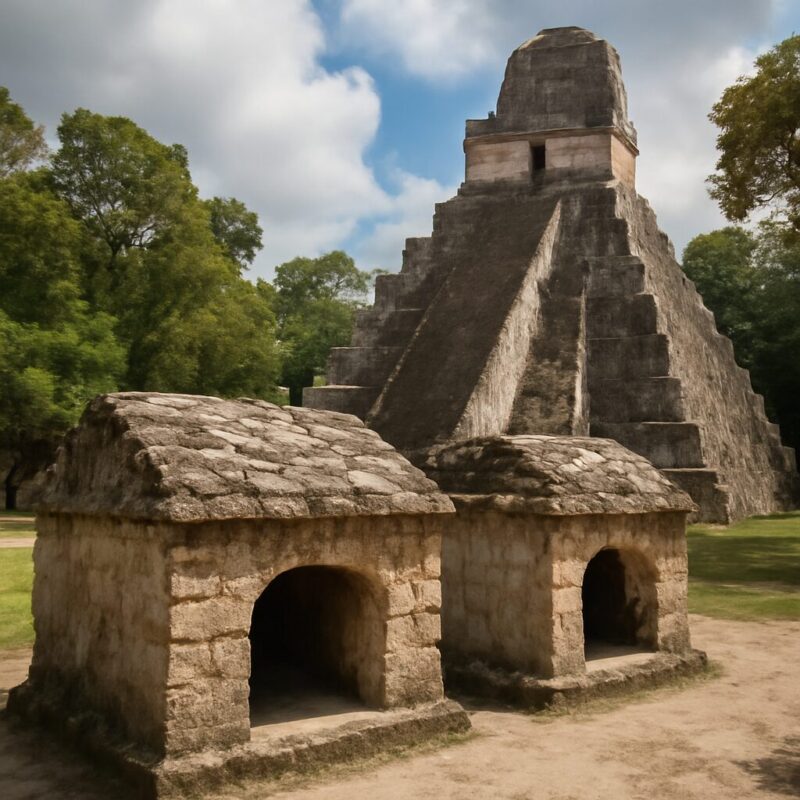
- Tikal royal tombs – The tombs of powerful rulers from one of the largest and most influential Maya cities.
- Copan royal burials – The elaborate tombs of the kings of Copan, known for their intricate sculptures and hieroglyphs.
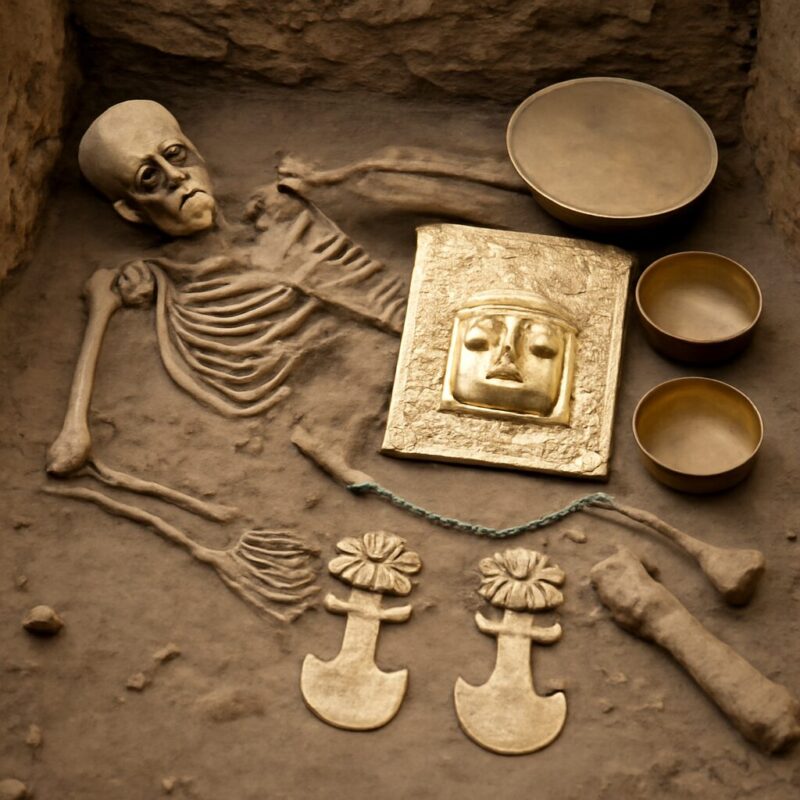
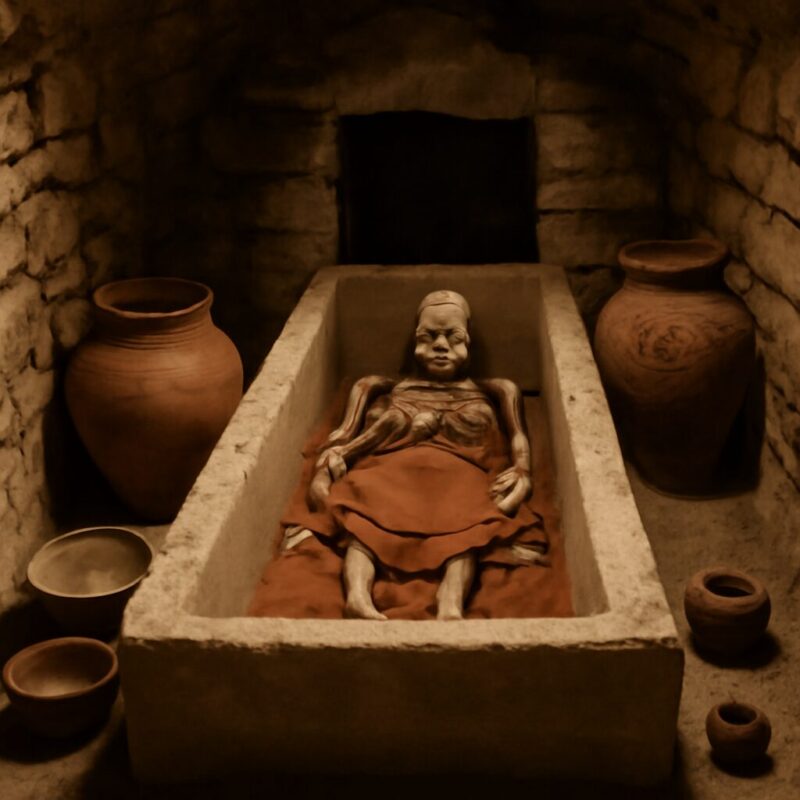
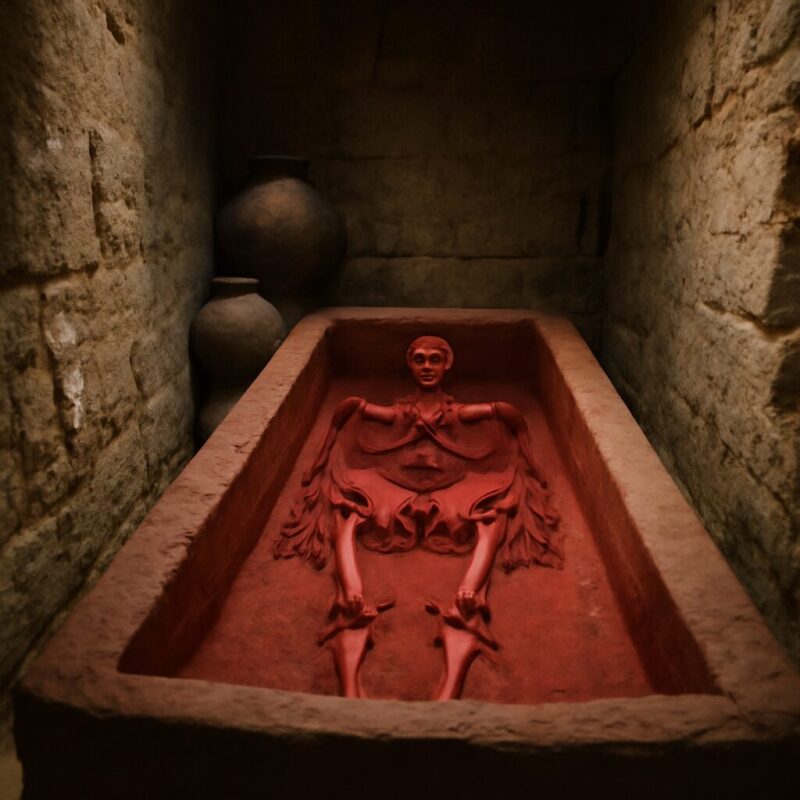
- Tomb of the Red Queen – A famous, richly furnished tomb of a noblewoman from Palenque, located near the Temple of the Inscriptions.