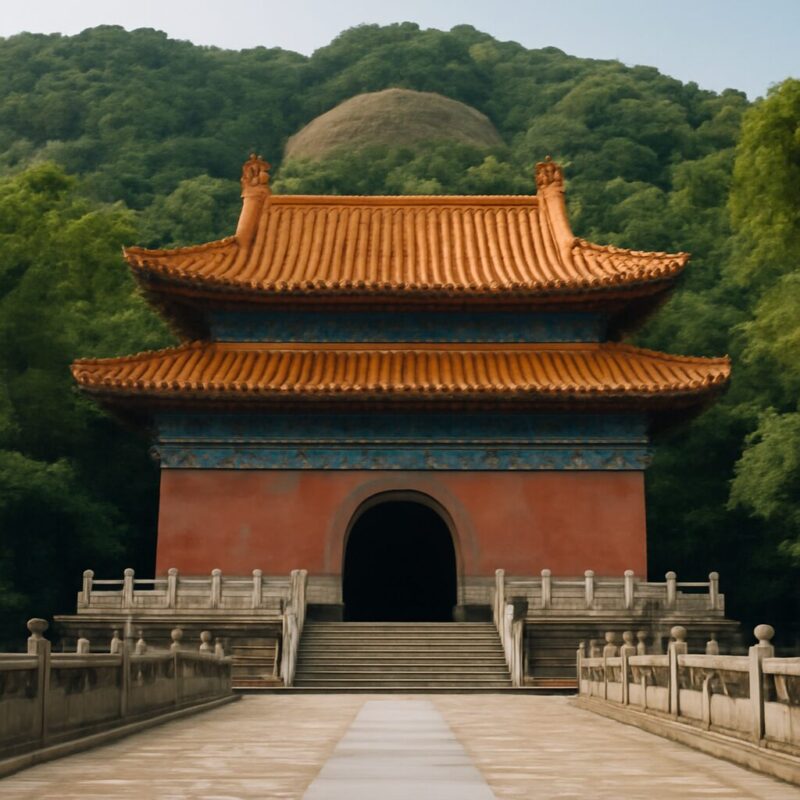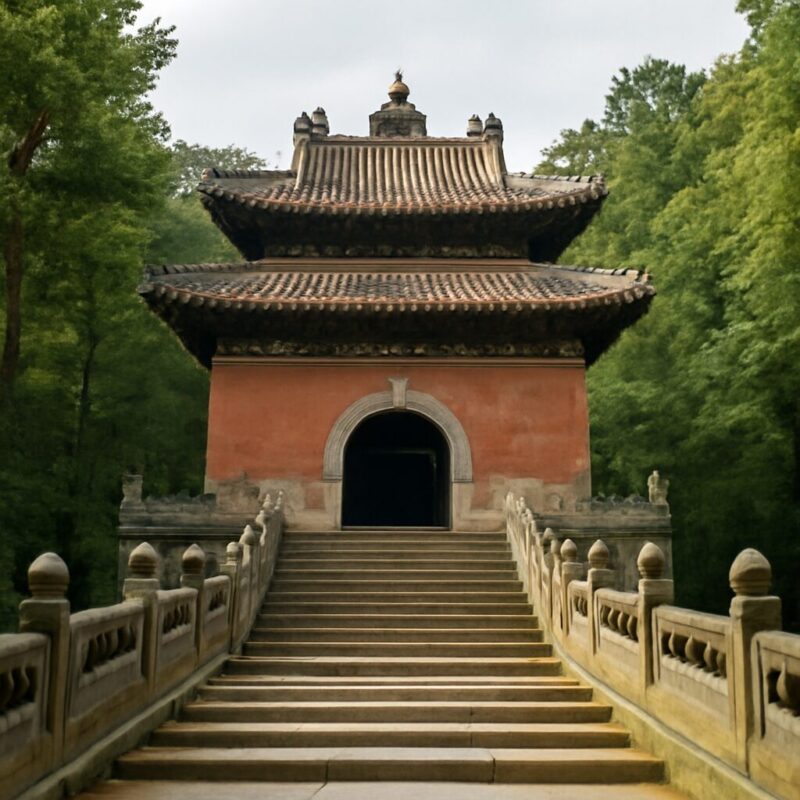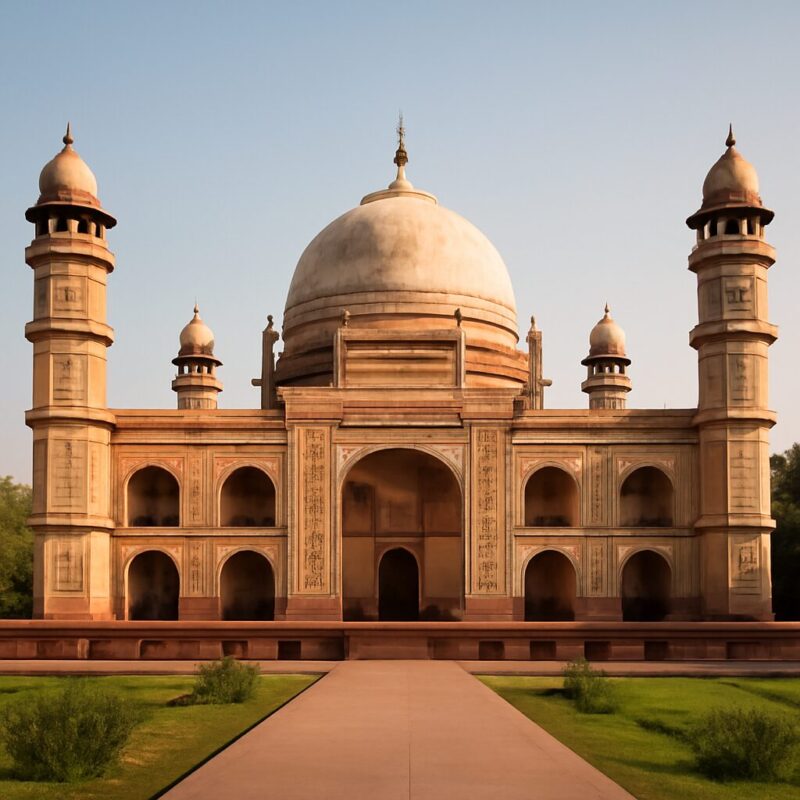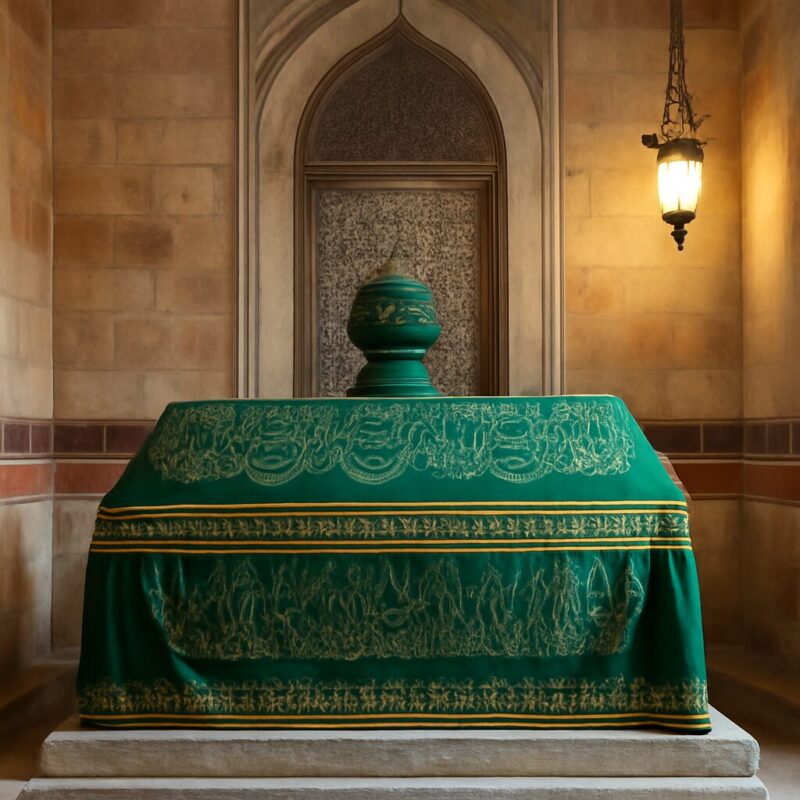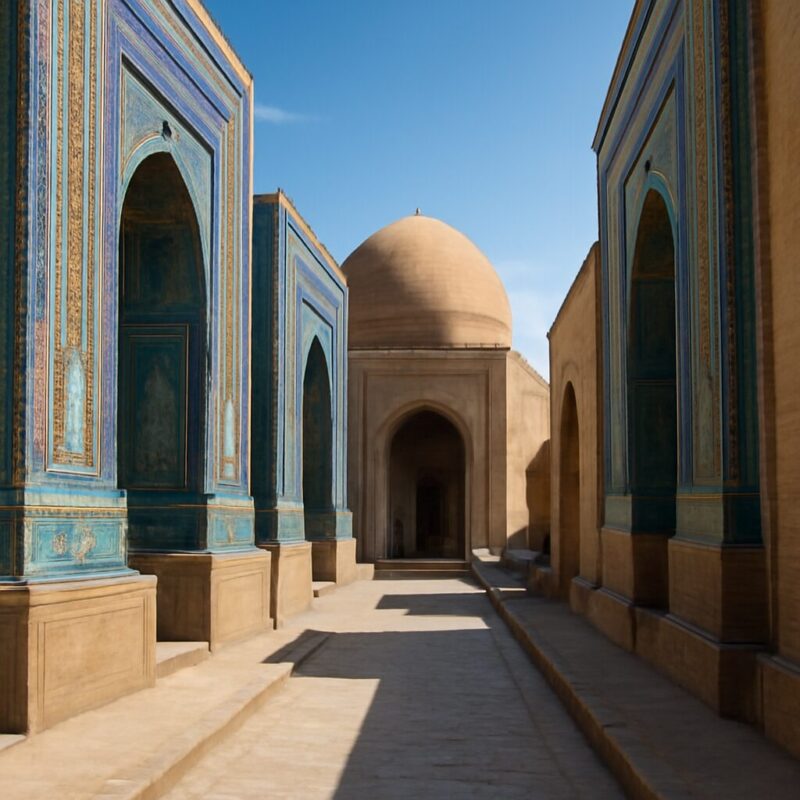
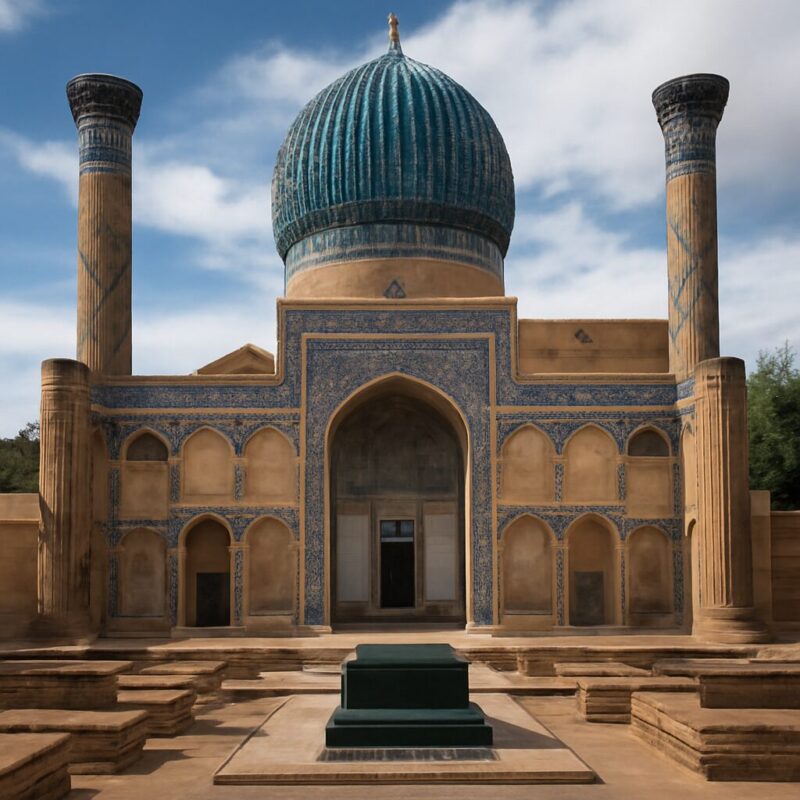
In the heart of Samarkand, beneath a fluted azure dome that seems to hold a fragment of the sky itself, lies the final rest of Timur, the 14th-century conqueror who forged an empire with iron and fire. The Gur-e Amir is less a tomb than a statement in jade, tile, and gold—a monument to power meant to awe for centuries. Inside, the air is cool and still, heavy with the scent of old stone. His slab of dark nephrite, once the largest piece of jade in the world, was cracked by a Persian invader who believed a curse would follow; centuries later, Soviet scientists pried open the crypt and gazed upon the skeleton of the lame ruler, confirming legends with science. The walls whisper of a brutal legacy, yet the serene geometry of the mosaics and the quiet dignity of the chamber speak of something else entirely: a profound, enduring human desire to be remembered.
Who Built Tomb of Timur?
Who Built the Tomb of Timur?
The Tomb of Timur, also known as the Gur-e Amir, was built on the orders of Timur (Tamerlane) himself. Construction began in 1403 following the death of his beloved grandson, Muhammad Sultan. After Timur's own death in 1405, the mausoleum was completed under the supervision of his other grandson, Khalil Sultan.
Why Was It Built?
The tomb was constructed as a dynastic mausoleum for the Timurid Empire. Initially intended for Muhammad Sultan, it became the final resting place for Timur, his sons Shah Rukh and Miran Shah, his grandsons Ulugh Beg and Muhammad Sultan, and the scholar Sheikh Sayyid Baraka. It served to monumentalize Timur's power and legacy, solidifying the sacred and political authority of his lineage in Samarkand, the empire's capital.
Cultural and Architectural Context
The Gur-e Amir is a masterpiece of Timurid architecture, a style known for its monumental scale, majestic double-shell domes (often ribbed and fluted), intricate geometric patterns, and lavish use of glazed tilework in cobalt blue, turquoise, and gold. This style profoundly influenced later Islamic architecture, particularly in Persia and the Indian subcontinent.
Other Relevant Tombs from the List
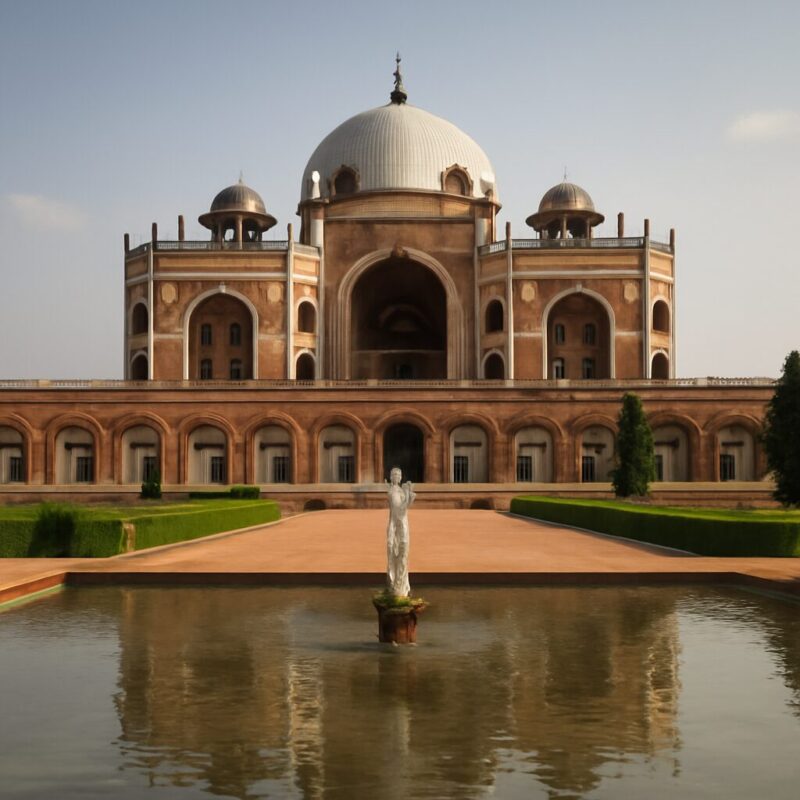
While the builders of the Tomb of Timur were from a specific Central Asian empire, the architectural style they perfected is part of a broader Islamic architectural tradition. A highly relevant later example from this tradition, which shows clear influence, is the Humayun's Tomb in Delhi. This Mughal mausoleum, built for Emperor Humayun, is a direct precursor to the Taj Mahal and its design principles trace back to the Timurid architecture exemplified by the Gur-e Amir.