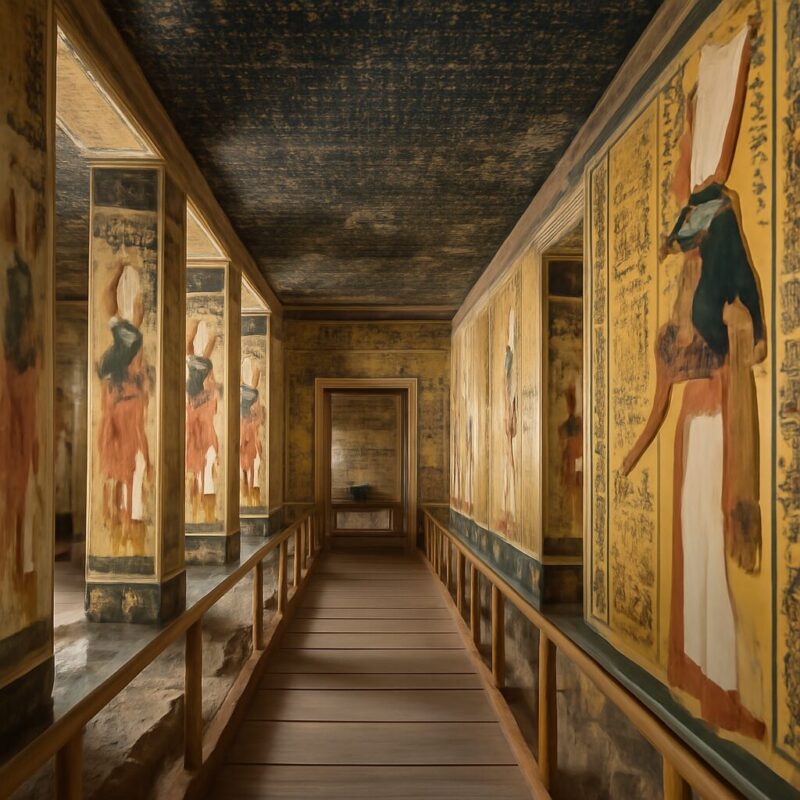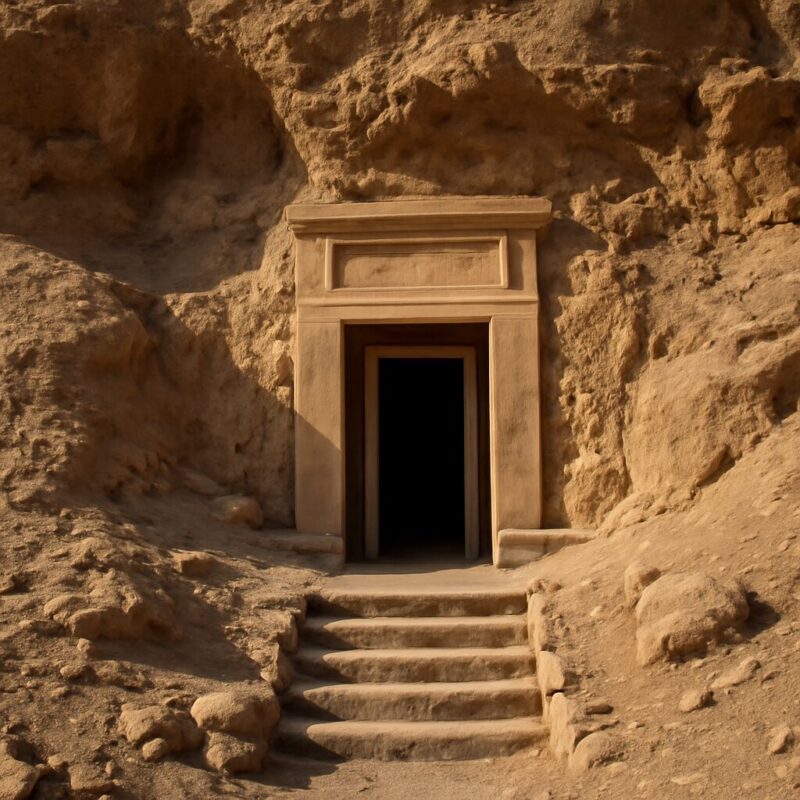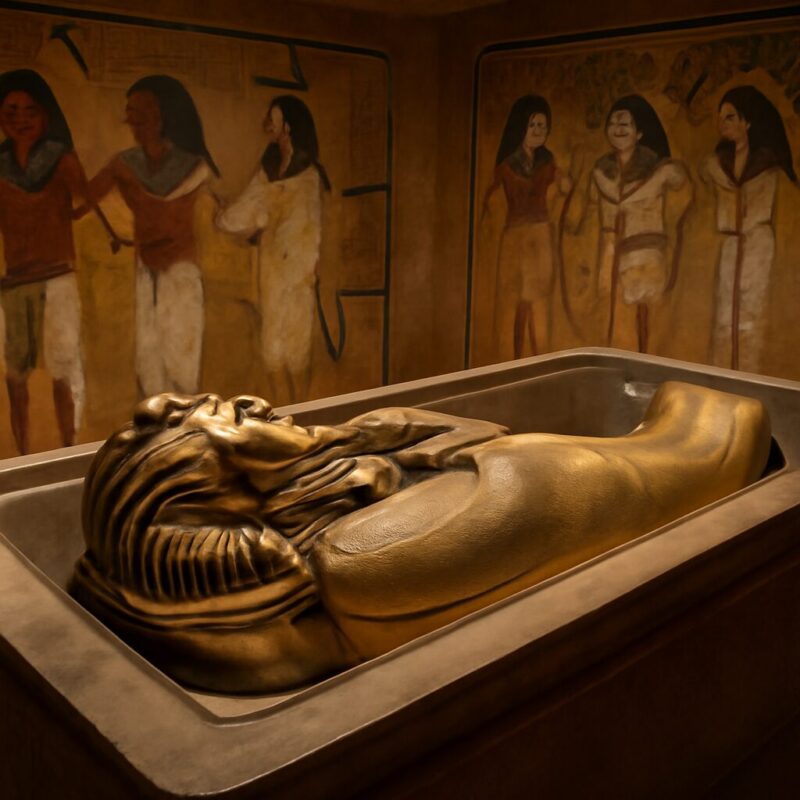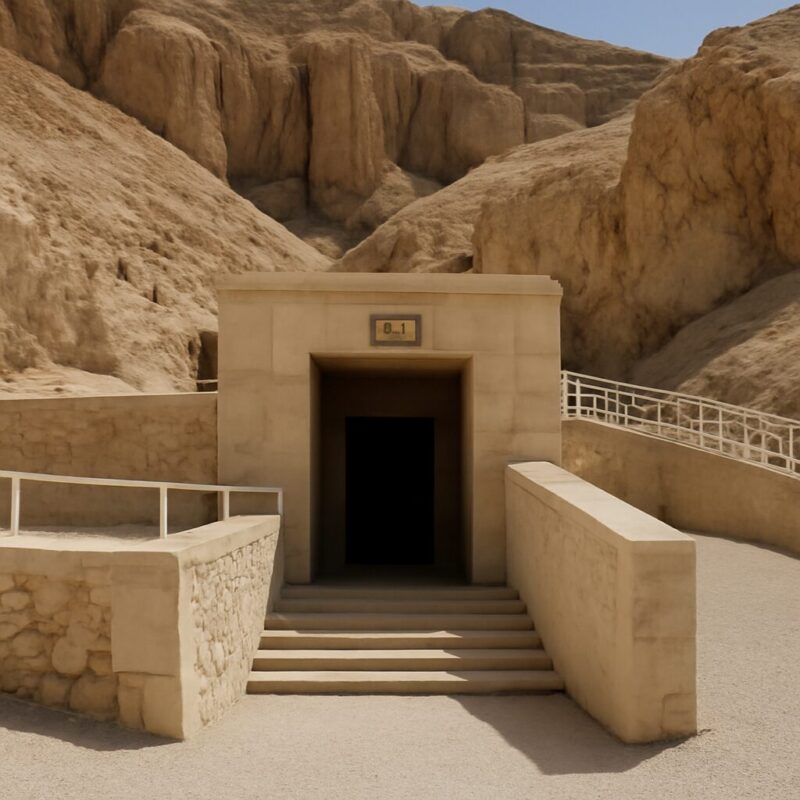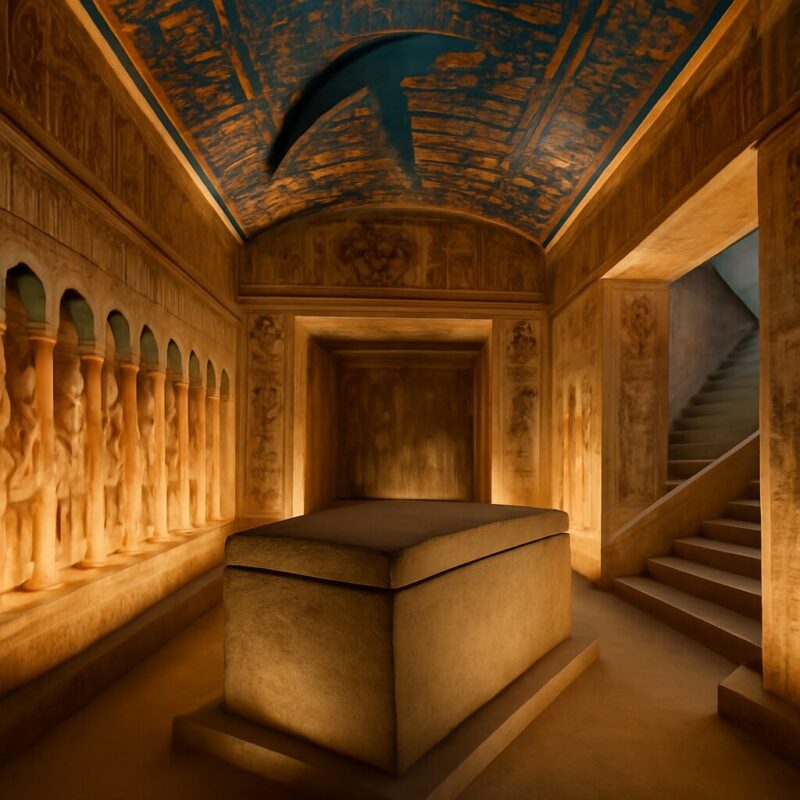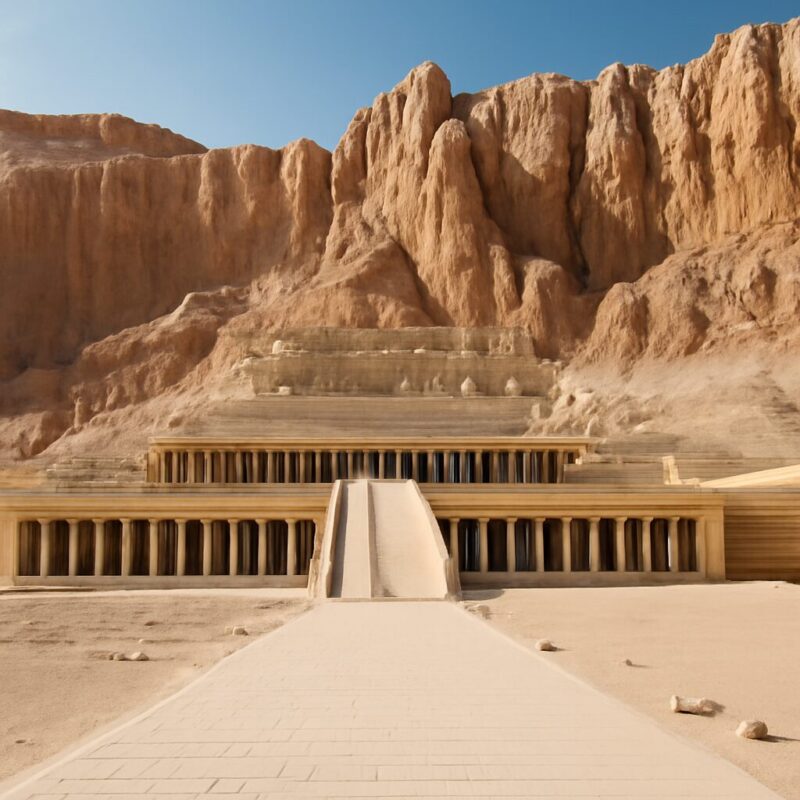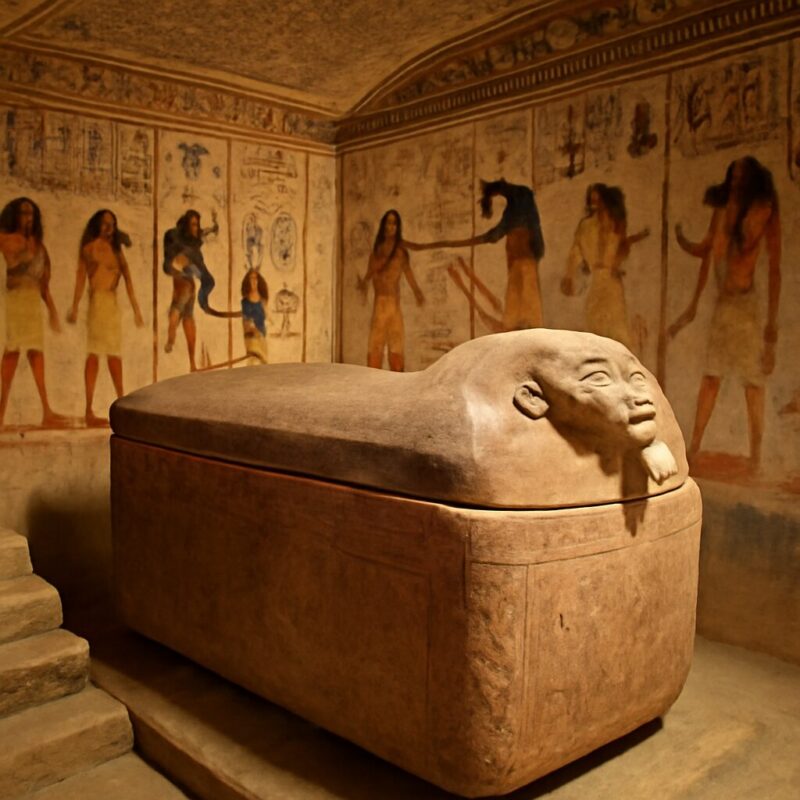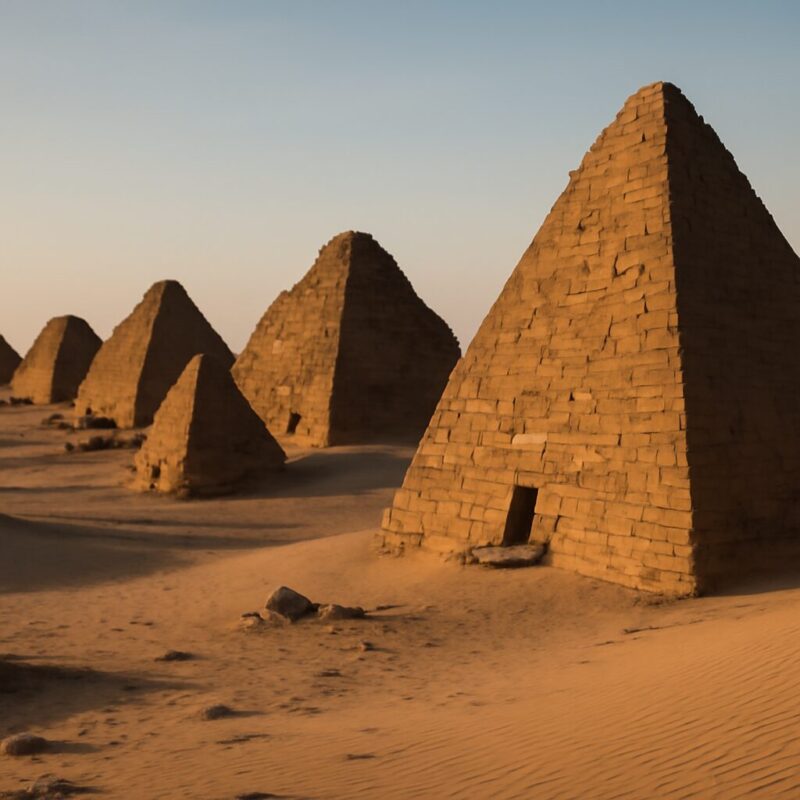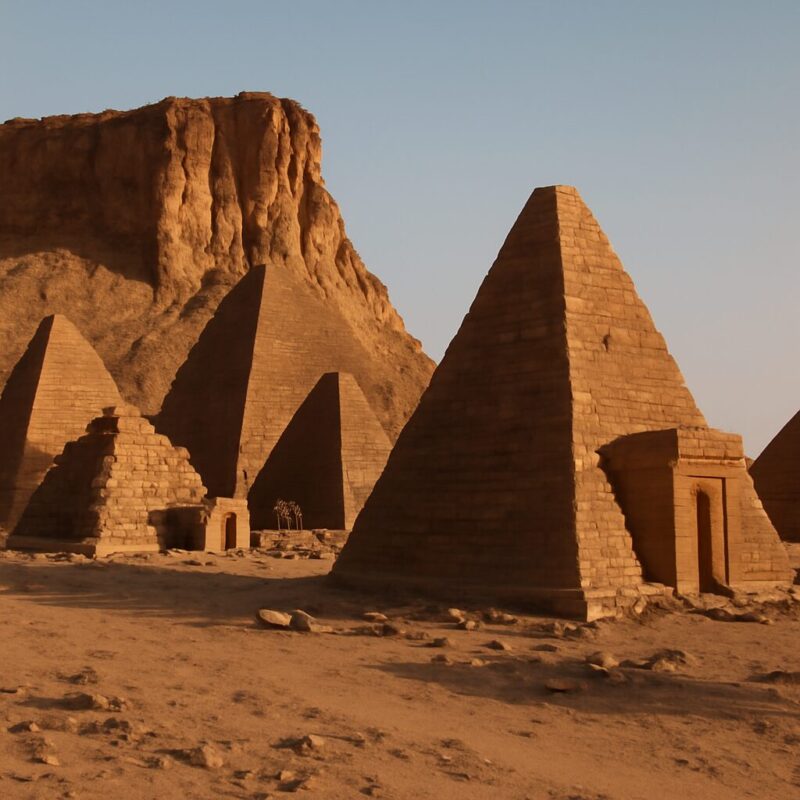
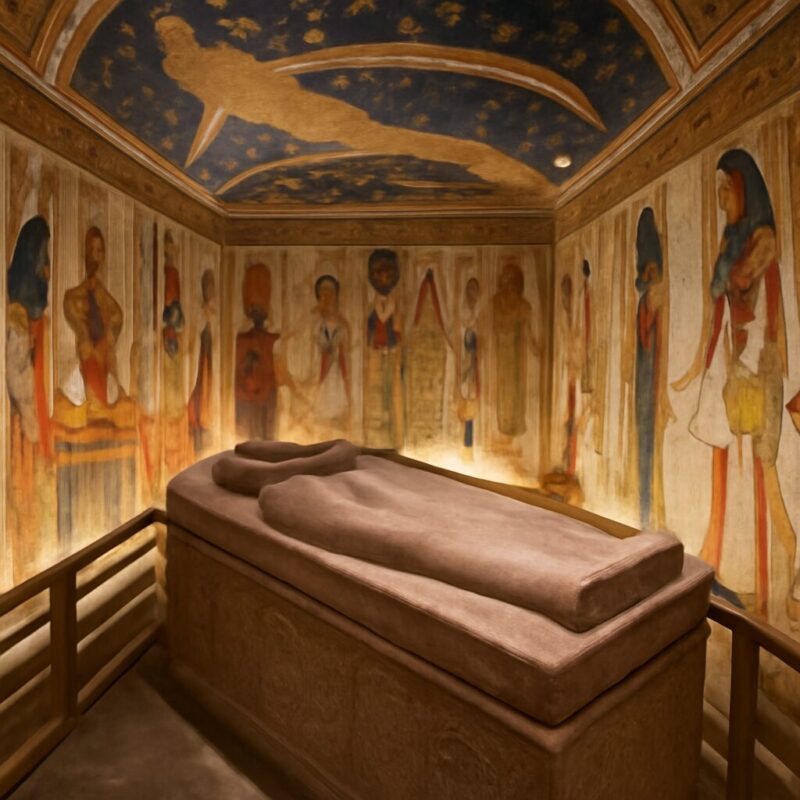
Deep within the Valley of the Kings, the final chamber of Ramses the Great, known as KV7, tells a story of faded glory. Unlike his monumental temples, this tomb has suffered greatly from flash floods over the millennia, its vibrant paintings of the pharaoh before the gods now scarred and fragmented. Wandering its unusually wide, descending corridors, you get a sense of its original scale, meant for a king who filled Egypt with his image. Yet the silence here is profound, a stark contrast to the eternal boast of his colossi. It feels less like a triumphant monument and more like a whispered, water-damaged parchment—a reminder that even the most powerful sun must eventually set.
Who Built Tomb of Ramses II?
Who Built the Tomb of Ramses II?
The tomb of Ramses II, designated KV7 in the Valley of the Kings, was built during the pharaoh's own lifetime under his direct command. Construction was carried out by the skilled artisans, laborers, and architects of the royal necropolis workforce, who were state employees living in the nearby village of Deir el-Medina.
Purpose and Cultural Significance
The tomb was built to serve as the eternal resting place and monumental "House of Eternity" for Ramses II (c. 1279–1213 BCE), one of Egypt's most powerful and long-reigning pharaohs. Its construction was a critical religious and royal duty, ensuring the king's successful journey to the afterlife. The elaborate decorations and texts from the Book of Gates and Book of Caverns were intended to guide and protect his spirit. The tomb's scale and complexity reflected Ramses II's immense power, wealth, and his desire for a legacy that would last forever, consistent with New Kingdom royal burial practices focused on hidden, rock-cut tombs to deter theft.
Other Related Constructions by Ramses II
Ramses II was one of history's most prolific builders. His reign was marked by massive construction projects across Egypt and Nubia, primarily meant to glorify his name and assert his divine authority. These include the famous rock-cut temples of Abu Simbel, the grand hypostyle hall at the Karnak Temple complex, the Ramesseum (his mortuary temple on the west bank of Thebes), and the completion of the Temple of the Sun burials city of Pi-Ramesses in the Nile Delta.
Other Highly Relevant Tombs from the List
Given the Egyptian context and the Valley of the Kings location, the following tombs are highly relevant:
- Tomb of Seti I – The tomb of Ramses II's father, renowned for its exceptional artwork and size.
- Tomb of Tutankhamun – The famously intact royal tomb from the same necropolis.
- Tomb of Queen Nefertari – The magnificent tomb of Ramses II's principal wife in the Valley of the Queens.
- Tomb of Thutmose III – Another significant pharaonic tomb in the Valley of the Kings.