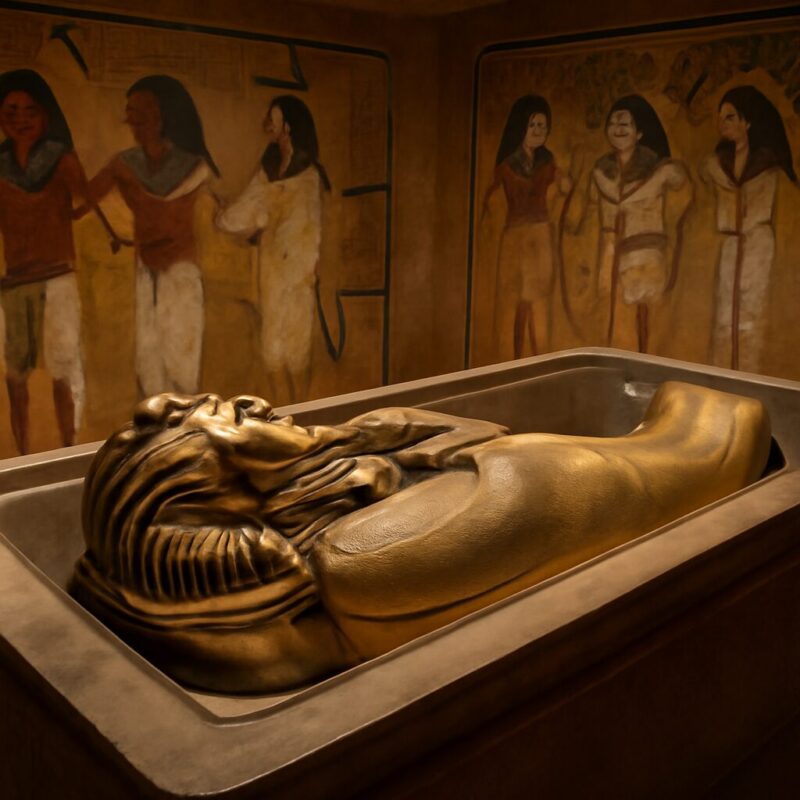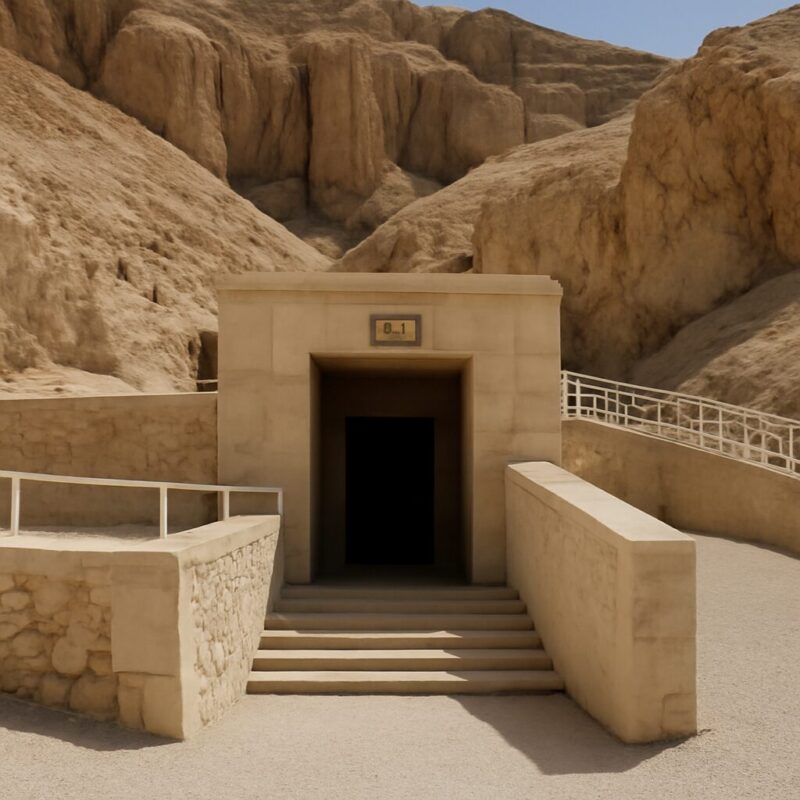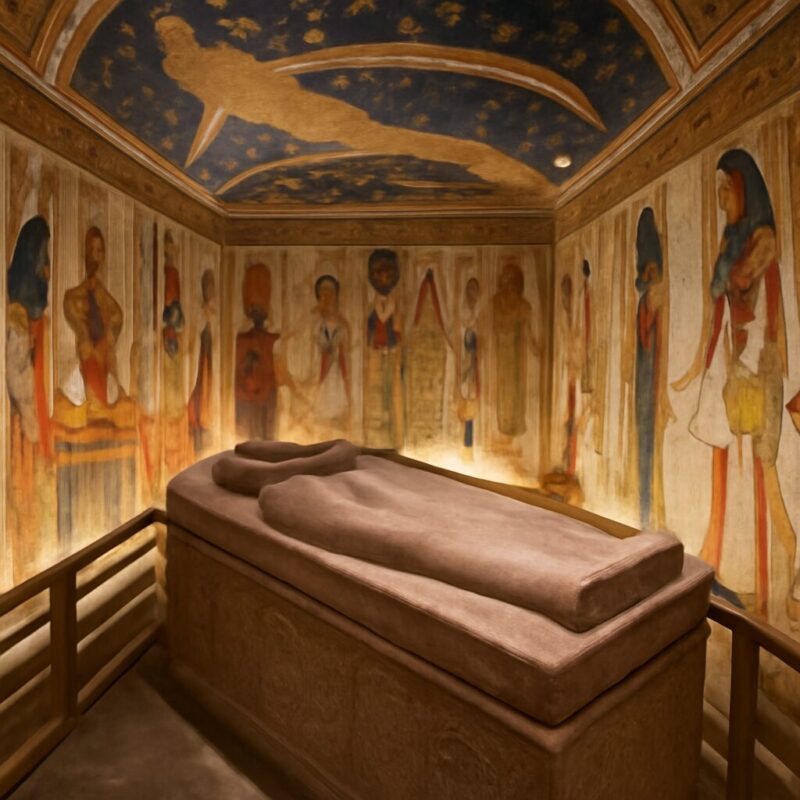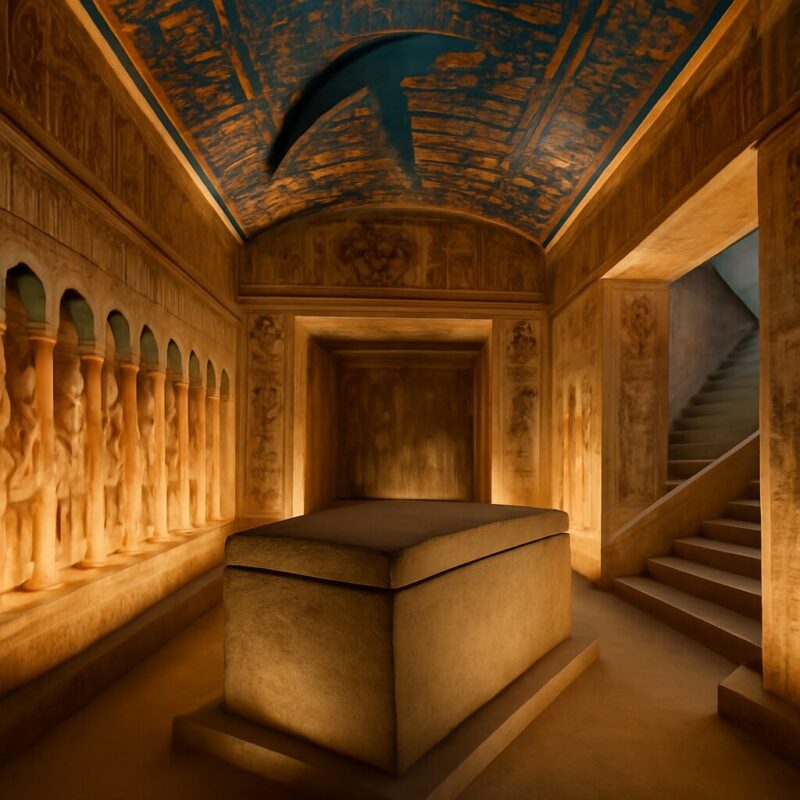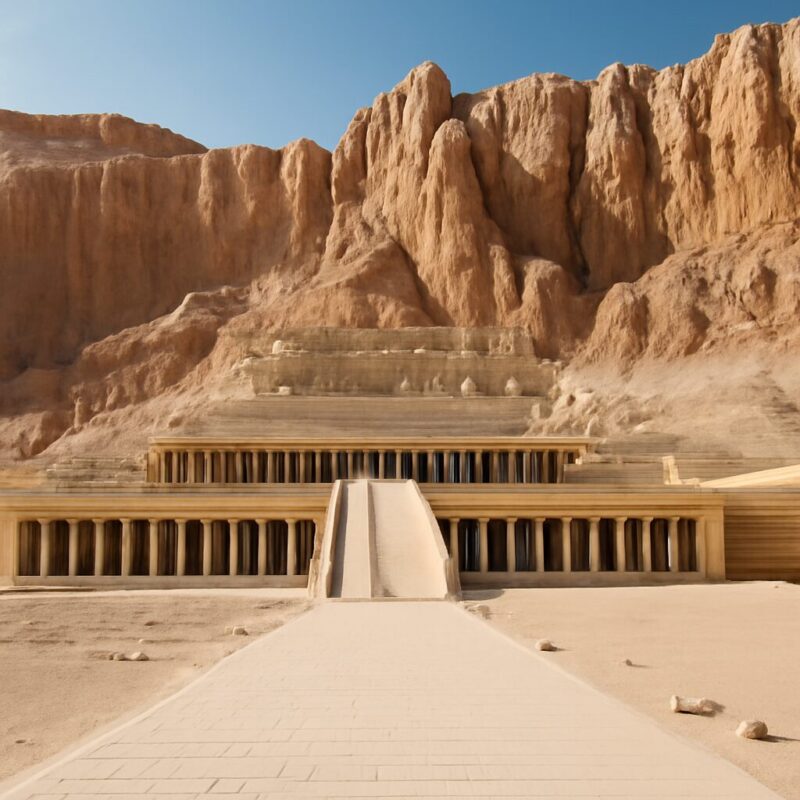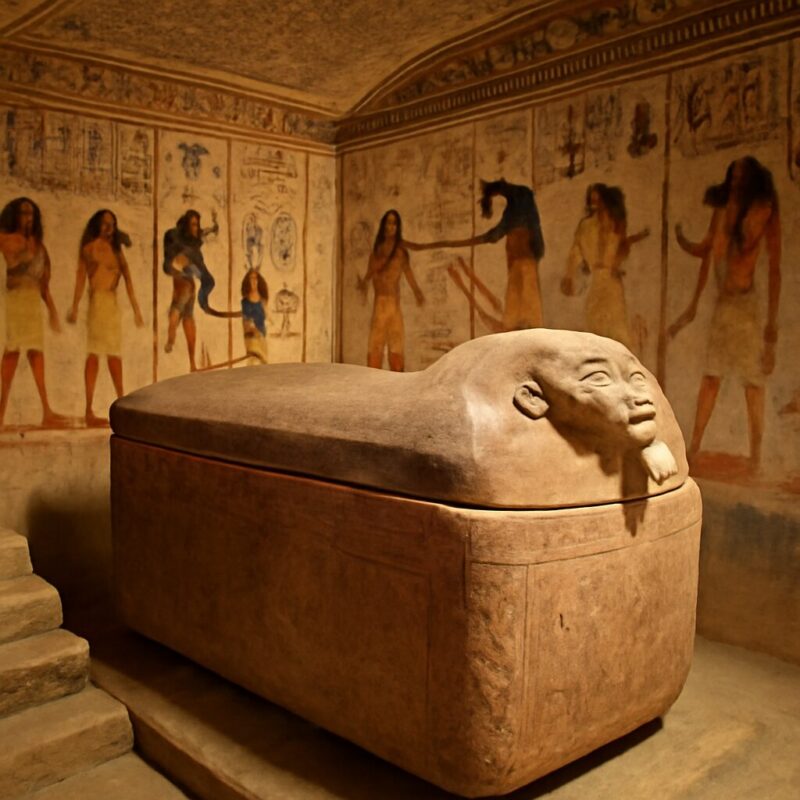
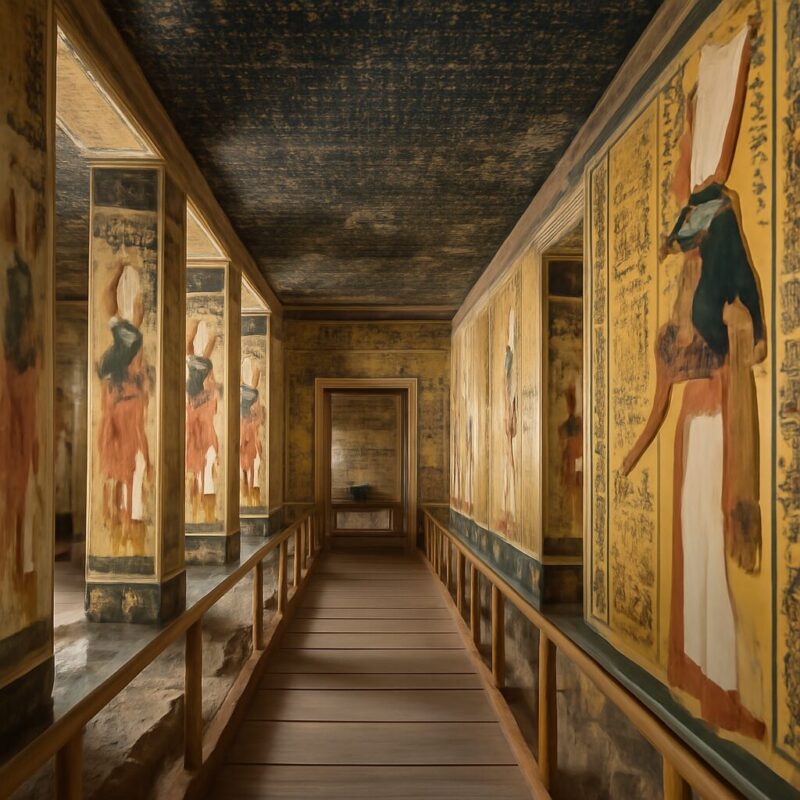
Imagine a sanctuary of color, a place where the very walls breathe with life and divinity. This is the tomb of Nefertari, the Great Royal Wife of Pharaoh Ramesses II, hidden in Egypt's Valley of the Queens. Stepping inside is like walking into a radiant manuscript. Every surface is a masterpiece of ancient art, awash with stunning blues, golds, and reds that have defied three millennia. The paintings aren't mere decorations; they are a vibrant guidebook for a queen's journey through the afterlife. You see Nefertari herself, eternally graceful, playing a game of senet, presenting offerings to powerful gods like Osiris and Anubis, and always under the protective gaze of the cow-eared goddess Hathor. The artistry is so intimate, so breathtakingly detailed in its depiction of her beauty and status, that it feels less like a tomb and more like a declaration of eternal love and reverence, a final, magnificent palace for a beloved queen's spirit.
Who Built Tomb of Queen Nefertari?
Who Built the Tomb of Queen Nefertari?
The Tomb of Queen Nefertari (QV66) in the Valley of the Queens was built during the 19th Dynasty of the New Kingdom of ancient Egypt. It was constructed on the orders of her husband, the great Pharaoh Ramses II (also known as Ramesses the Great). The tomb's creation was a monumental undertaking by the royal artisans and workers of the period, reflecting the king's immense affection and esteem for his principal wife.
Why Was It Built?
The tomb was built as Nefertari's eternal house, designed to ensure her safe passage and glorious existence in the afterlife. Ancient Egyptian funerary beliefs held that the tomb was a crucial vessel for this transition. The exquisite and extensive artwork covering its walls—depicting Nefertari with deities, spells from the Book of the Dead, and ritual scenes—was intended to protect and guide her spirit. Its grandeur underscores her elevated status, often described as "the one for whom the sun shines."
Cultural Context: New Kingdom Royal Tombs
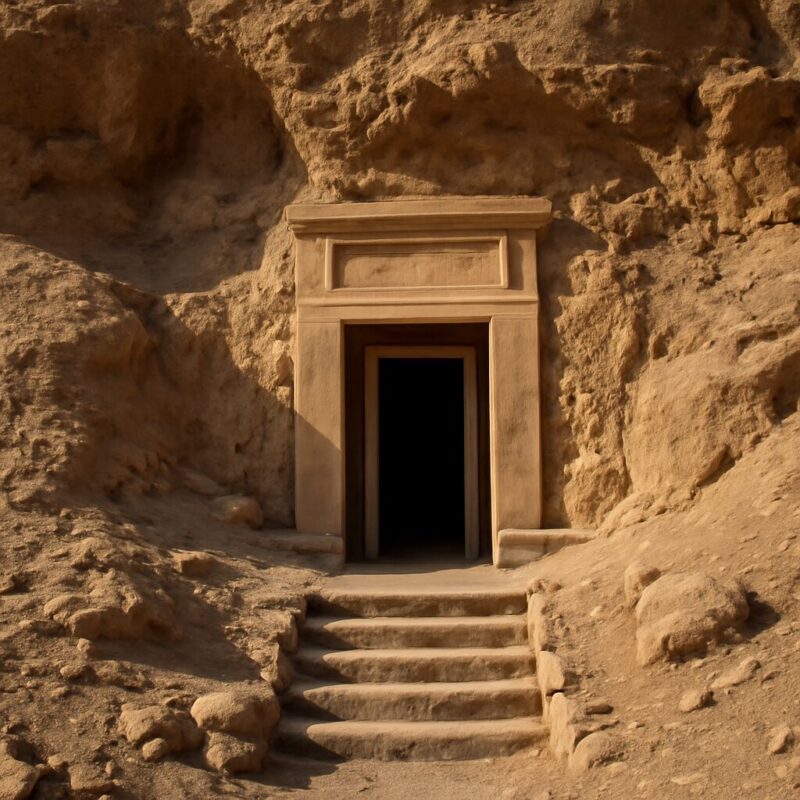
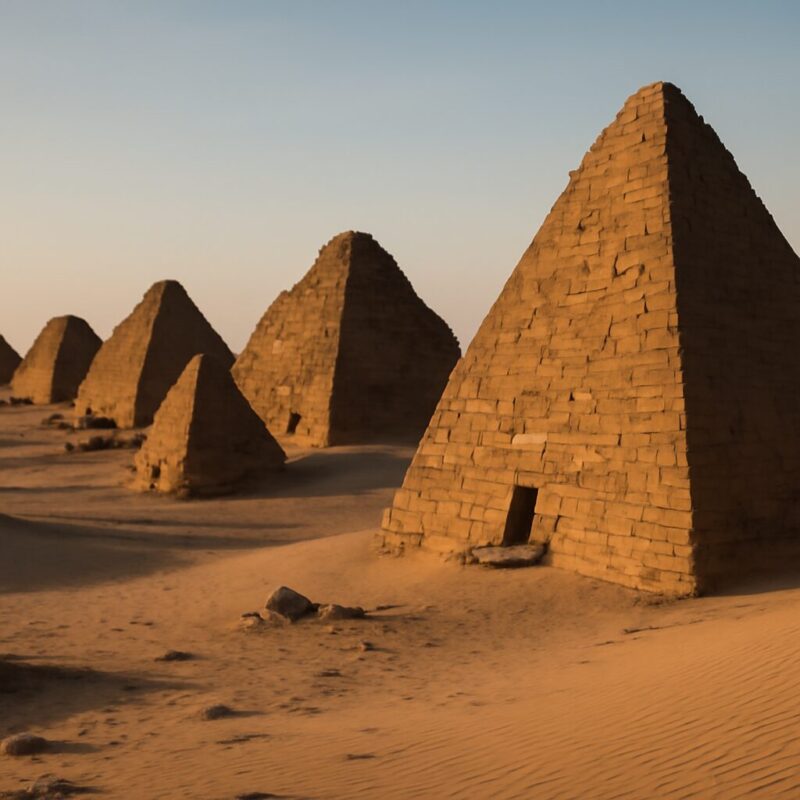
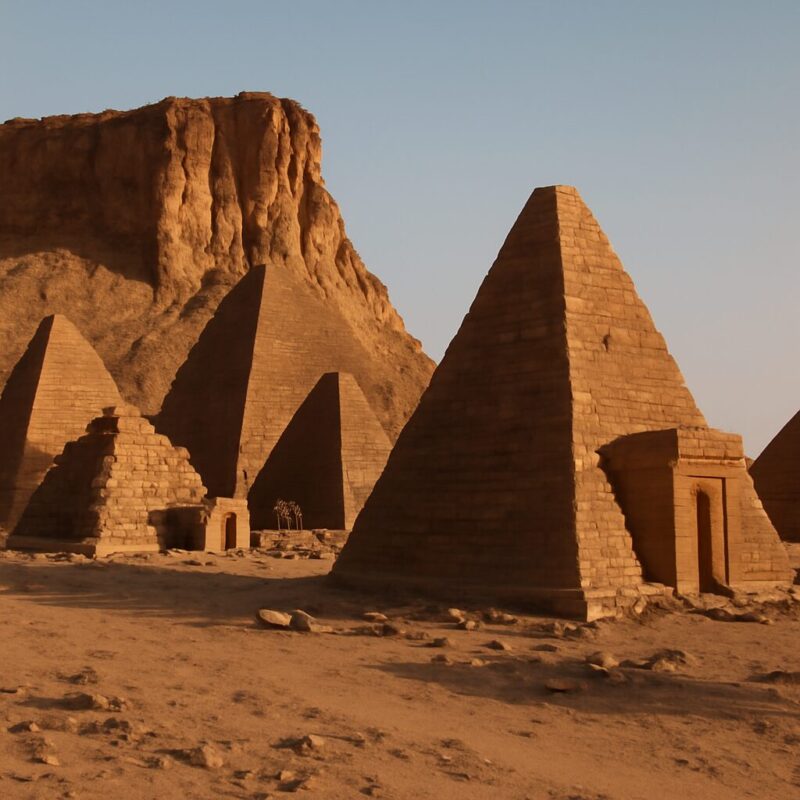
This tomb is a pinnacle of the New Kingdom's rock-cut tomb architecture and artistic tradition. To protect royal burials from tomb robbers, pharaohs and their families abandoned the highly visible pyramids of the Old Kingdom for hidden, elaborately decorated tombs carved into the cliffs of the Theban necropolis. This period is also famous for the Valley of the Kings, where many pharaohs, including Ramses II himself, were interred.
Other Relevant Constructions by Ramses II
As one of Egypt's most prolific builders, Ramses II commissioned numerous monumental structures. Highly relevant to this discussion is his own monumental tomb:
- Tomb of Ramses II (KV7) – His burial place in the Valley of the Kings.
Furthermore, his reign saw the construction of massive temples, which, while not tombs, are central to understanding the era's architectural culture. These include the Abu Simbel temples (dedicated to himself and Nefertari) and the Ramesseum, his mortuary temple.
Other Related Tombs from the Provided List
The following tombs from your list are highly relevant as they originate from the same or closely related ancient Egyptian funerary traditions:
- Tomb of Seti I – The father of Ramses II, his tomb in the Valley of the Kings is one of the largest and most beautifully decorated.
- Tomb of Tutankhamun – The famous, nearly intact 18th Dynasty tomb in the Valley of the Kings.
- Tomb of Hatshepsut – The tomb of the female pharaoh, located in the Valley of the Kings.
- Tomb of Thutmose III – Another significant 18th Dynasty pharaonic tomb in the Valley of the Kings.
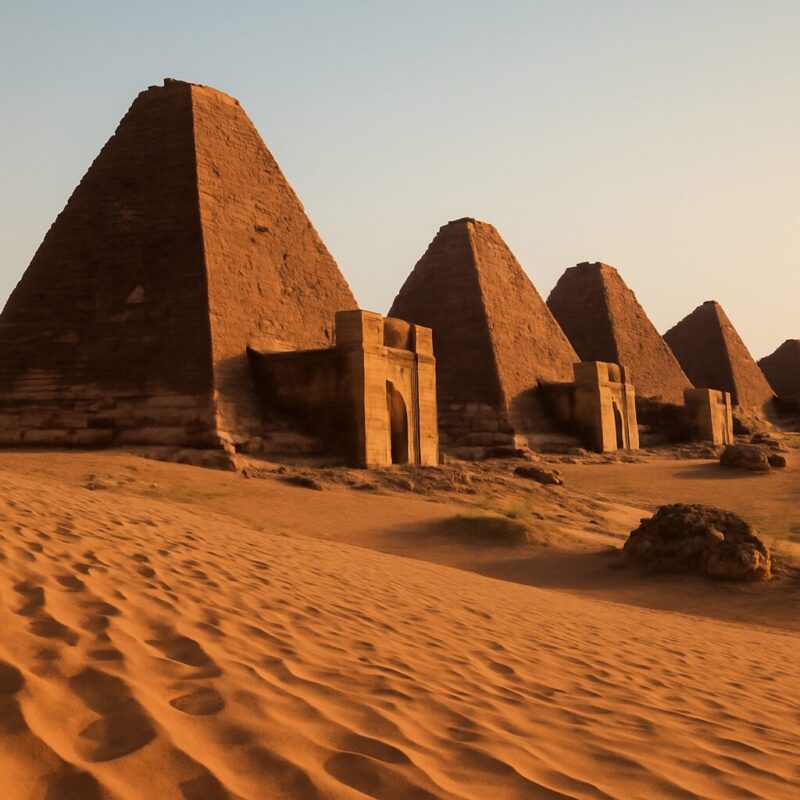
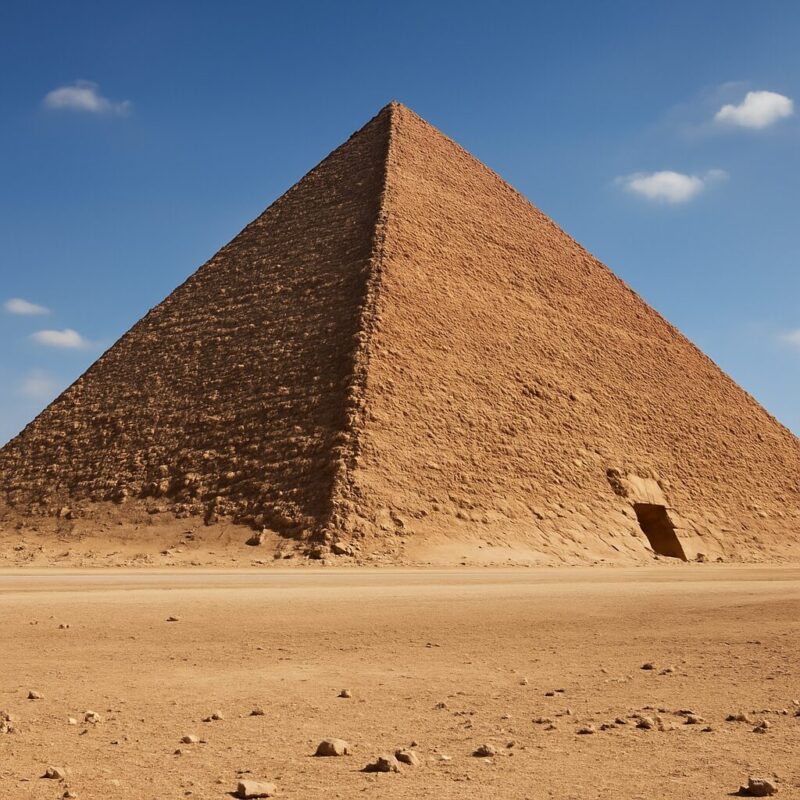
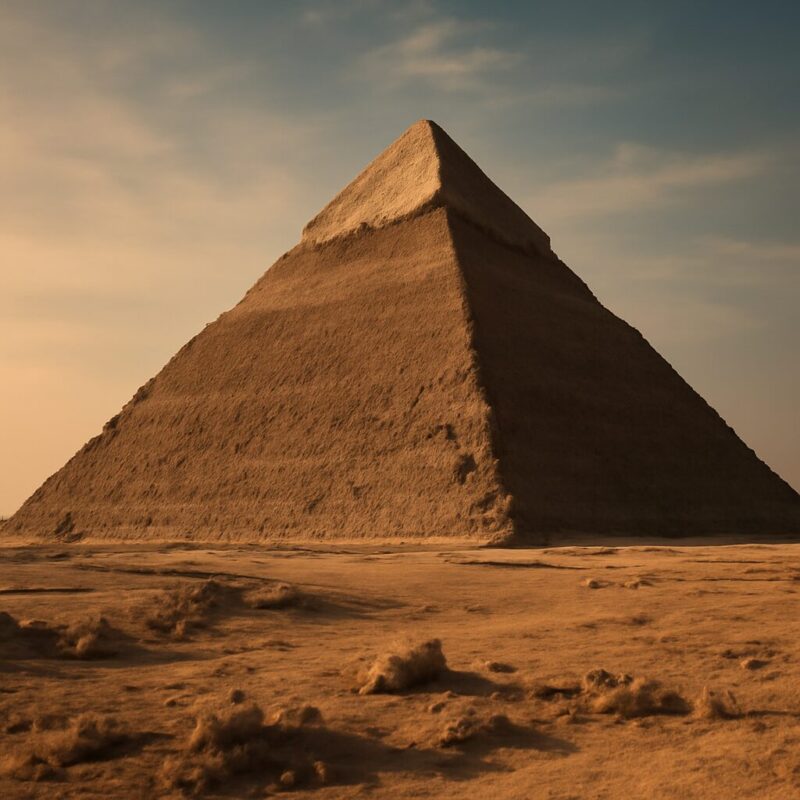
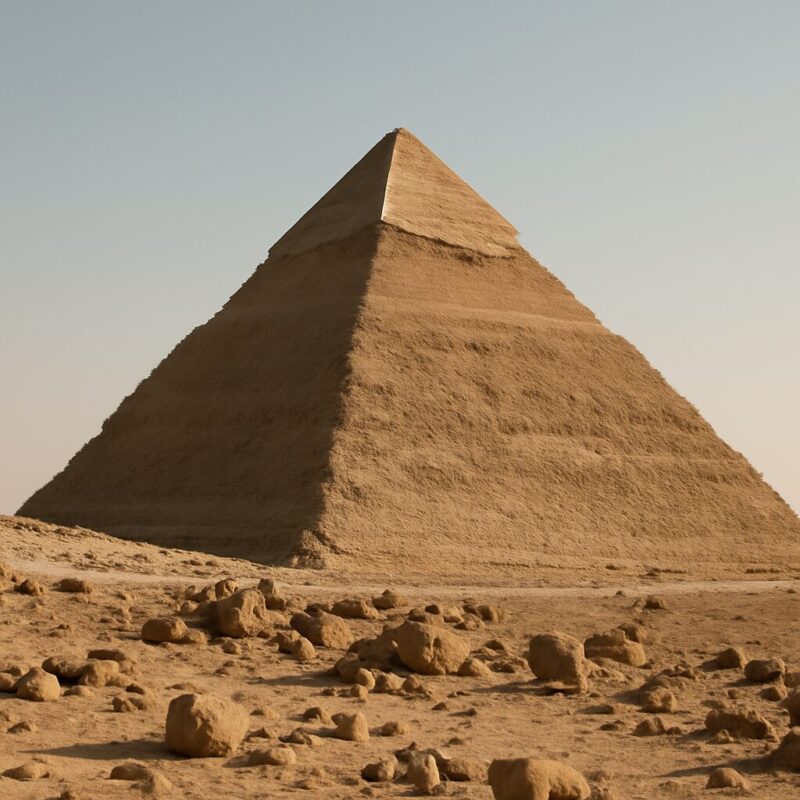
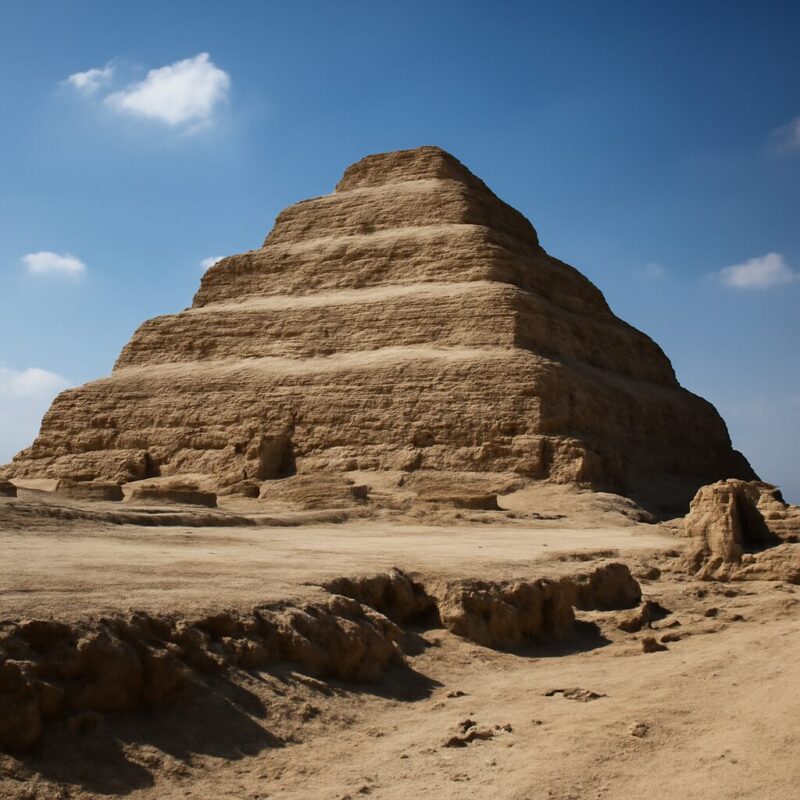
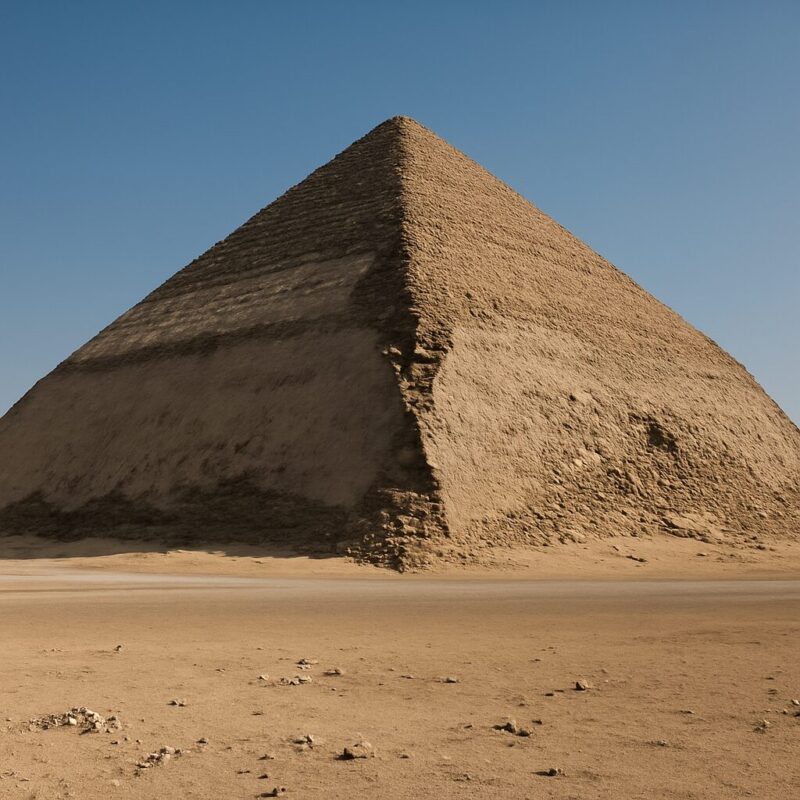
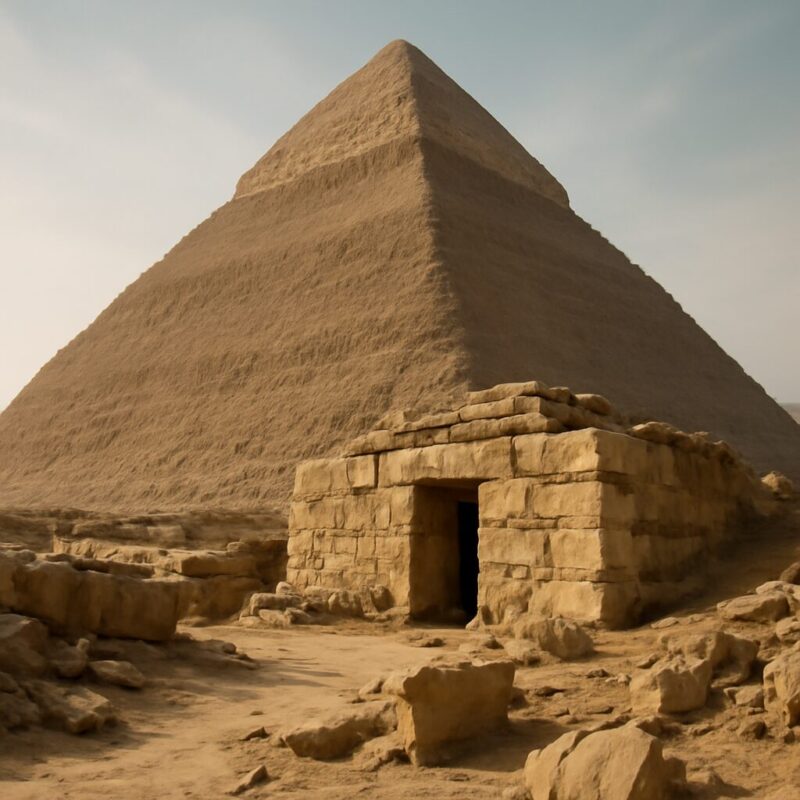
- Great Pyramid of Khufu, Pyramid of Khafre, Pyramid of Menkaure, Bent Pyramid, Red Pyramid, and the Step Pyramid of Djoser – These represent the earlier pyramid-building traditions of the Old Kingdom, which preceded the hidden rock-cut tombs of the New Kingdom.