Who Built Tomb of Nurhaci?
Who Built the Tomb of Nurhaci?
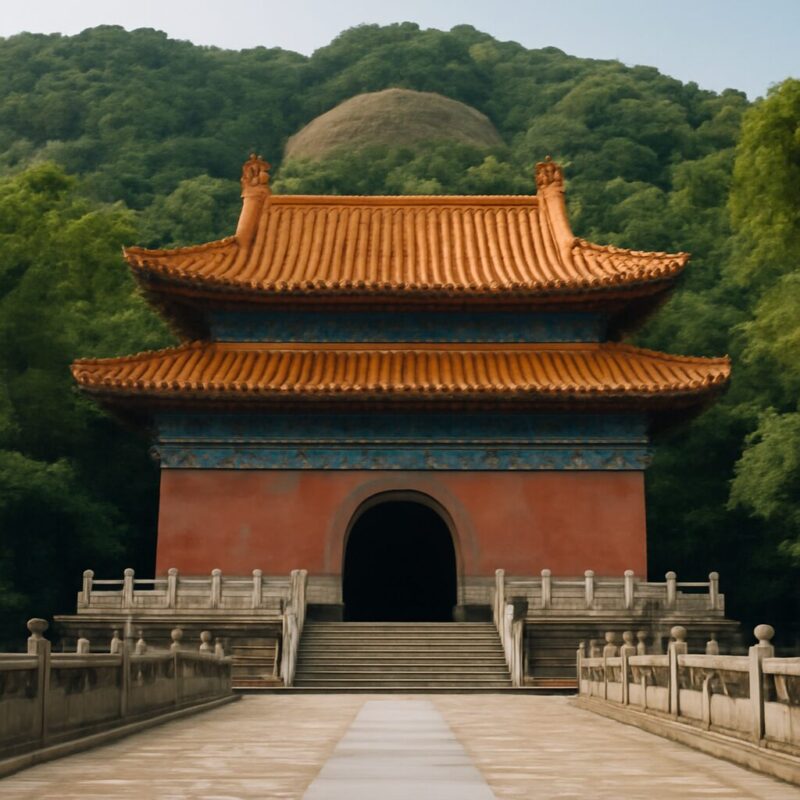
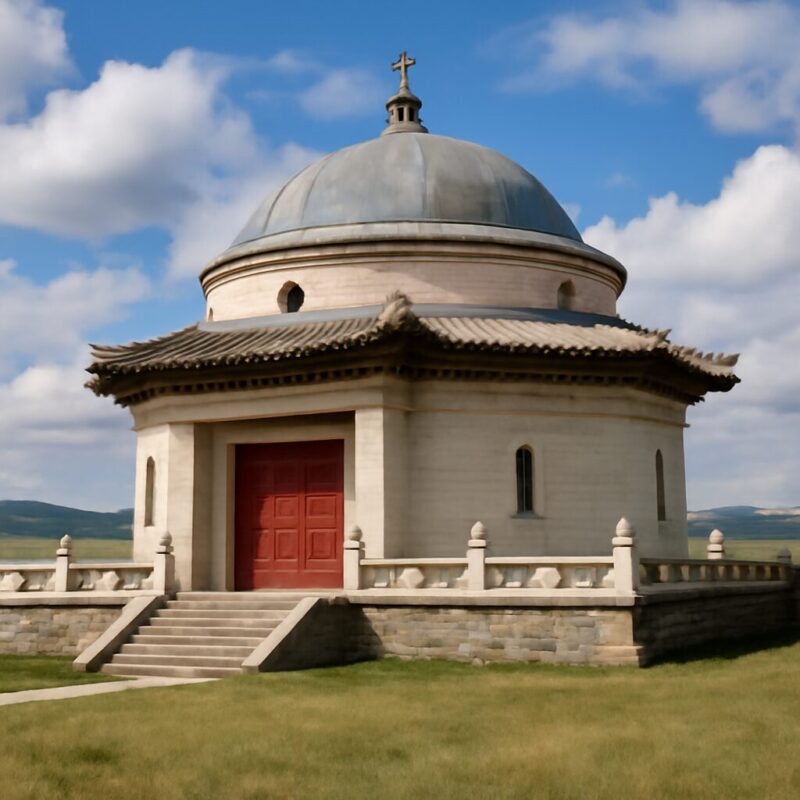
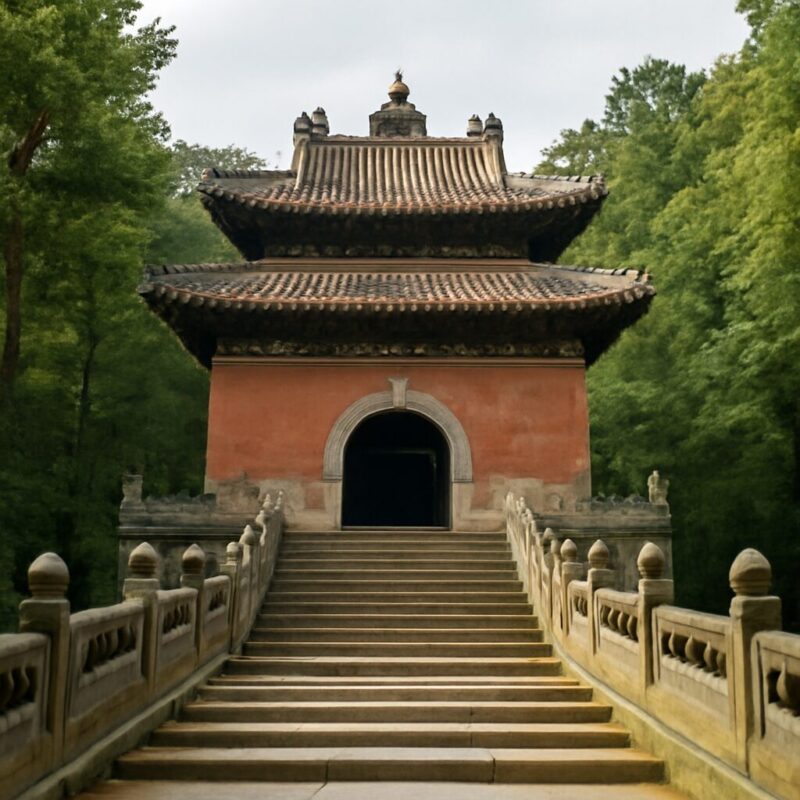
The Tomb of Nurhaci, known as Fuling, was built by his son and successor, Hong Taiji. Construction began in 1629, three years after Nurhaci's death, and was largely completed by 1634. Hong Taiji ordered its construction to honor his father, the founding khan of the Later Jin dynasty, which later became the Qing dynasty.
Why Was It Built?
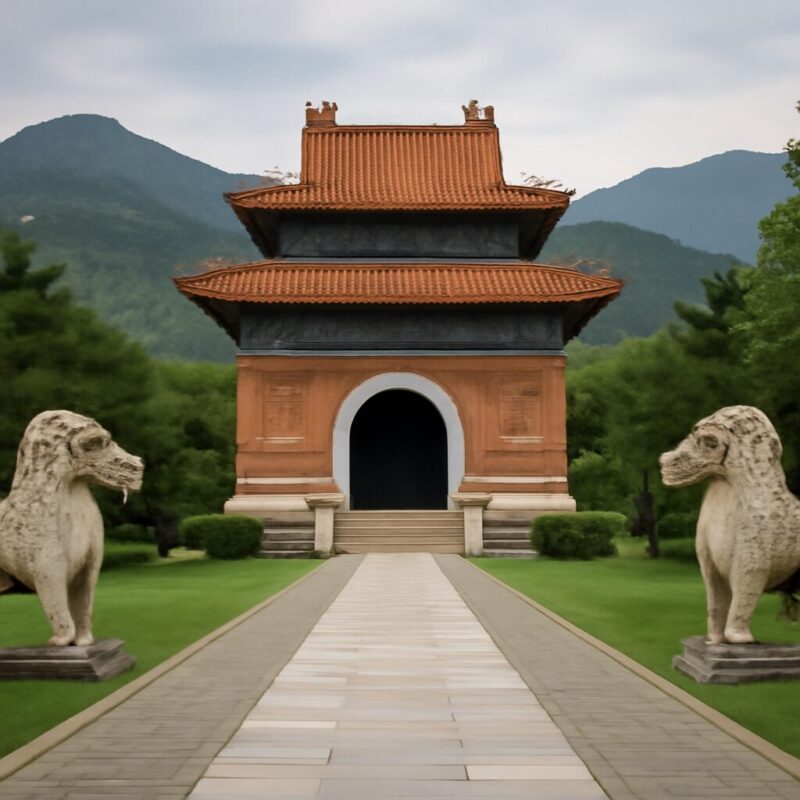
The tomb served multiple purposes rooted in Manchu culture and political strategy. Primarily, it was built as a grand imperial mausoleum to demonstrate filial piety and legitimize the ruling Aisin Gioro clan's mandate to rule. It also functioned as a powerful symbol of the dynasty's permanence and authority, incorporating both Manchu traditions and Chinese architectural elements to help unify the newly conquered territories and peoples.
Related Construction by Hong Taiji
Hong Taiji was also responsible for initiating the construction of another significant imperial tomb complex for the Qing dynasty: the Ming Tombs (specifically, the Zhaoling tomb for himself). While the Ming Tombs primarily refer to the burial grounds of the preceding Ming emperors, the Qing dynasty's own Eastern and Western Qing Tombs, which include Zhaoling, followed the tradition of grand, geomancy-influenced imperial burial complexes. Hong Taiji's work on his father's tomb set a precedent for the elaborate Qing imperial tomb architecture that followed.