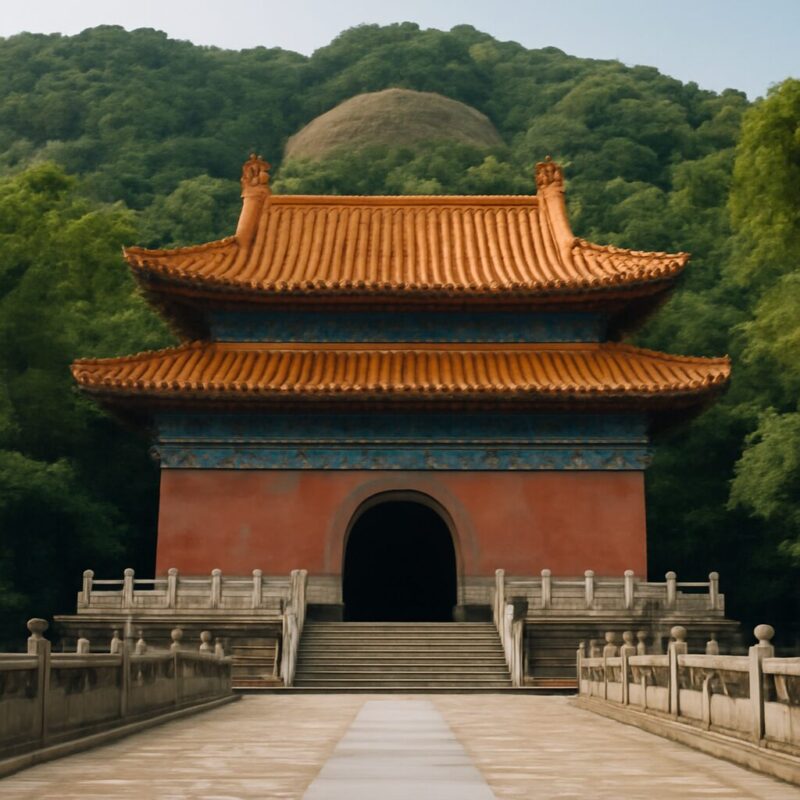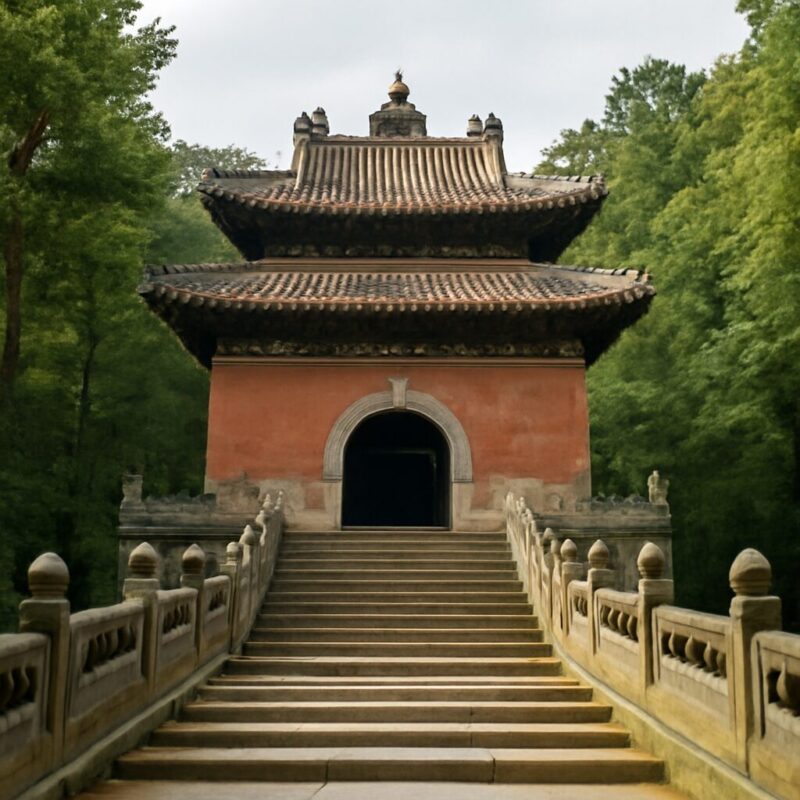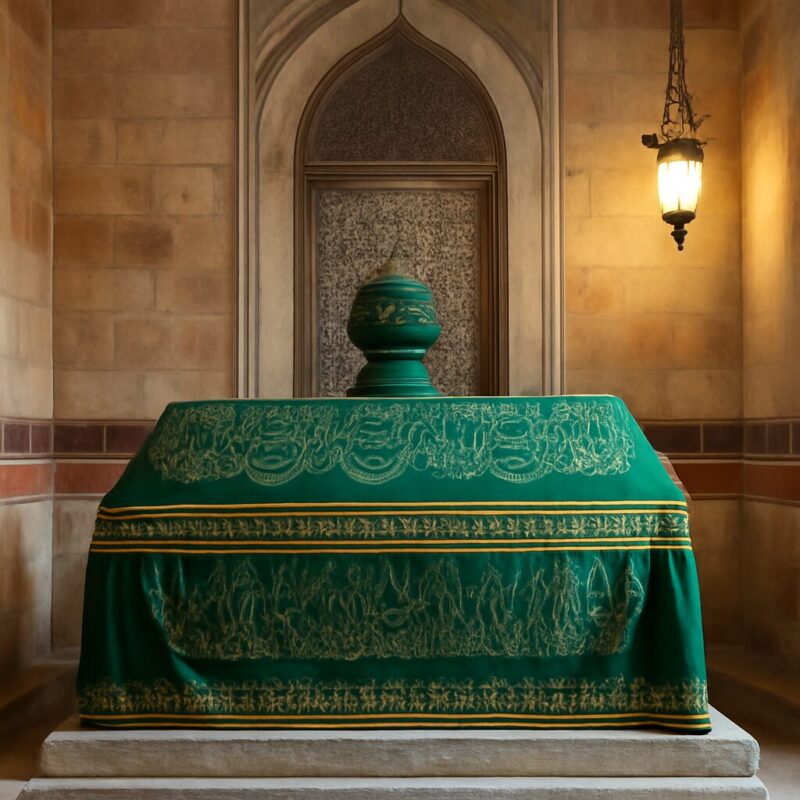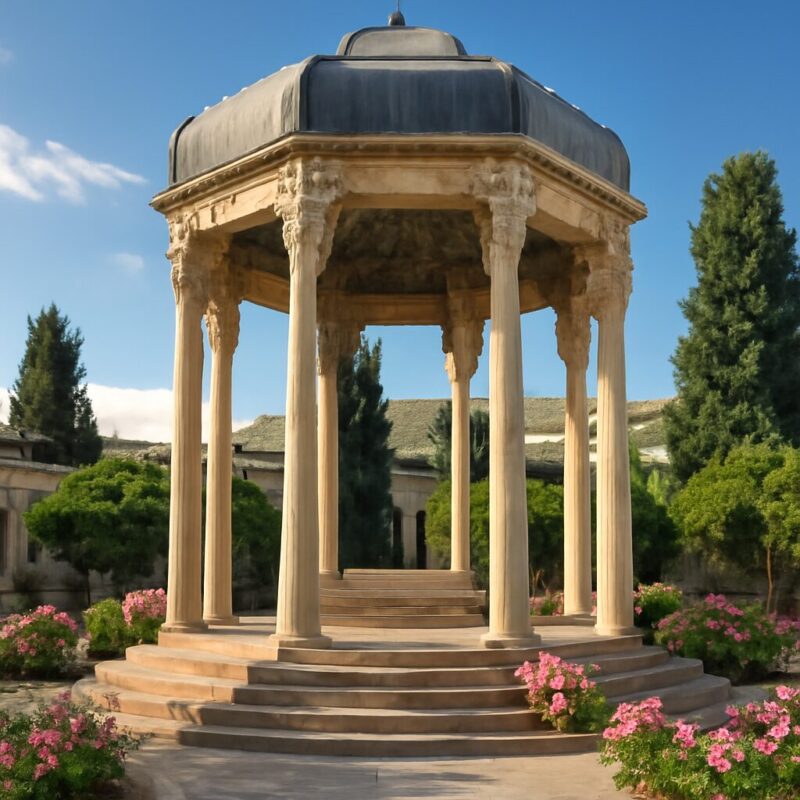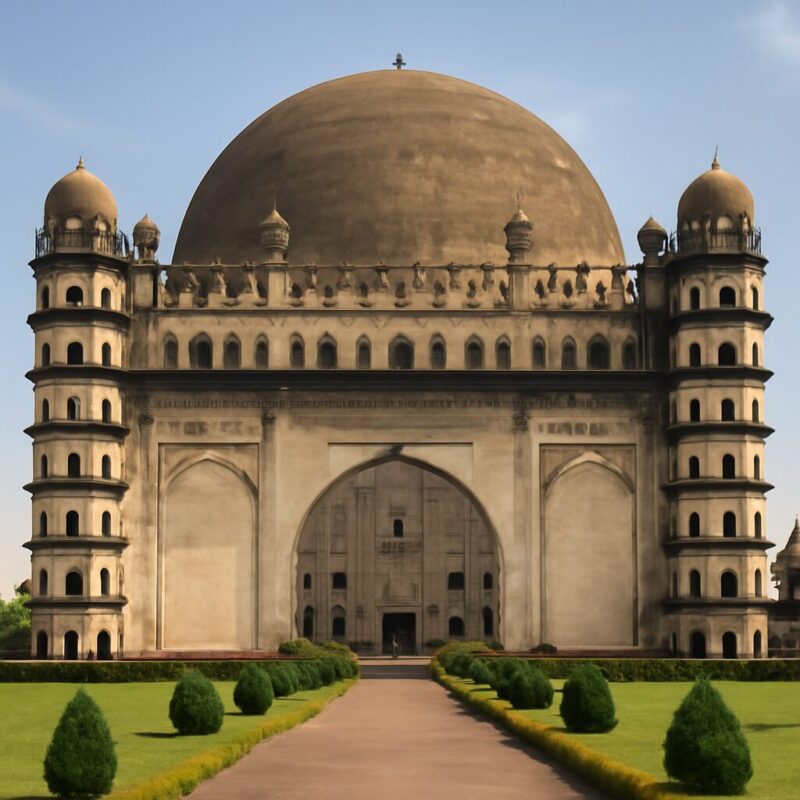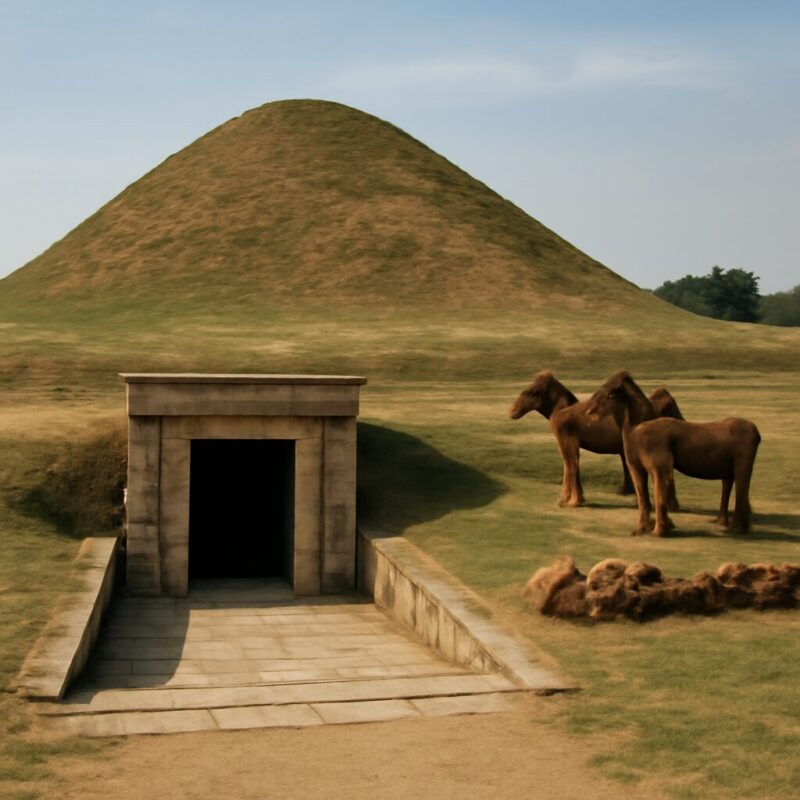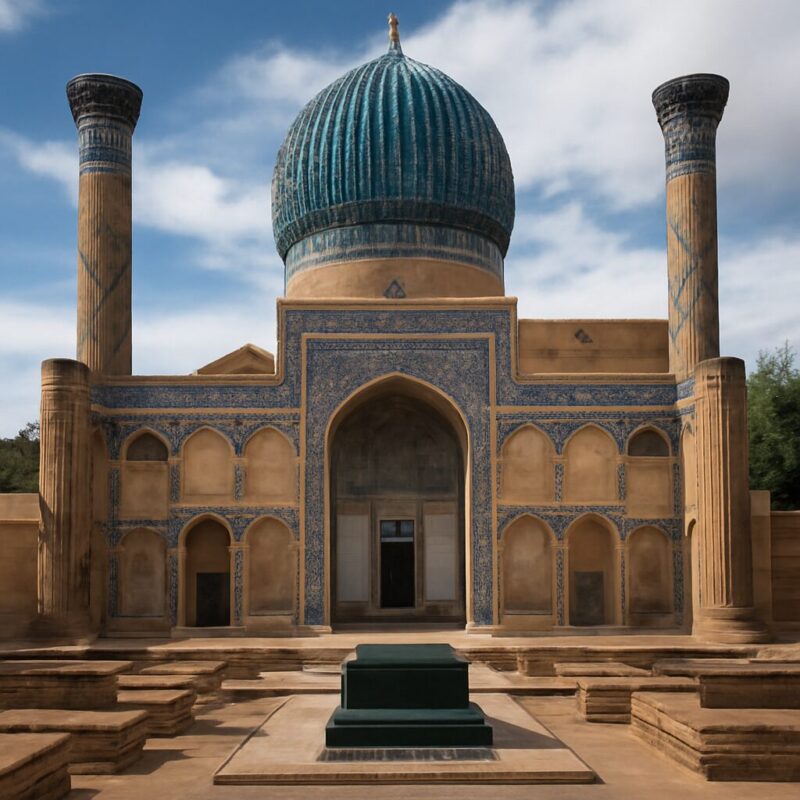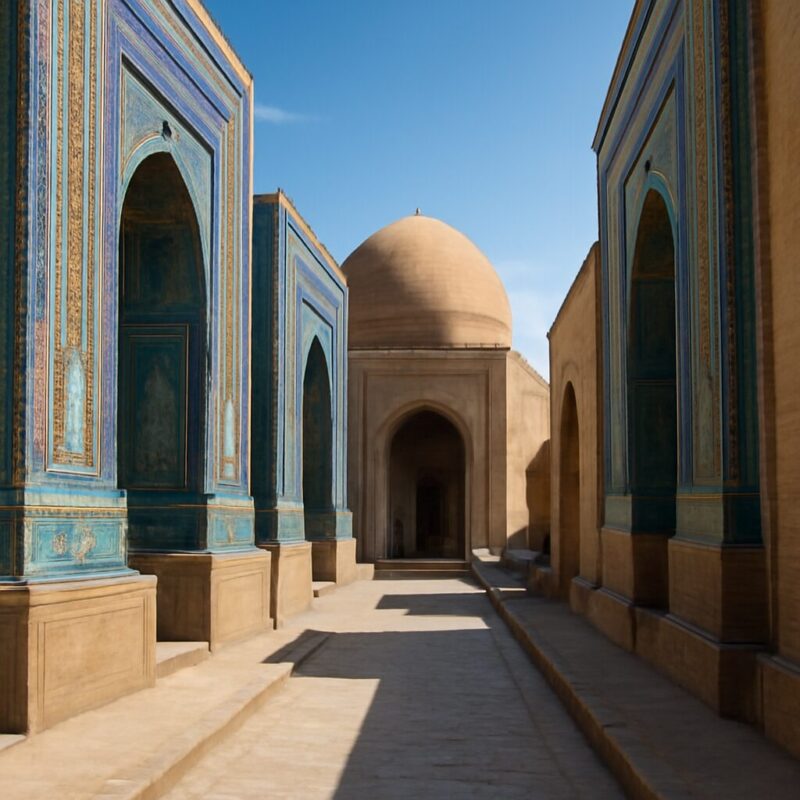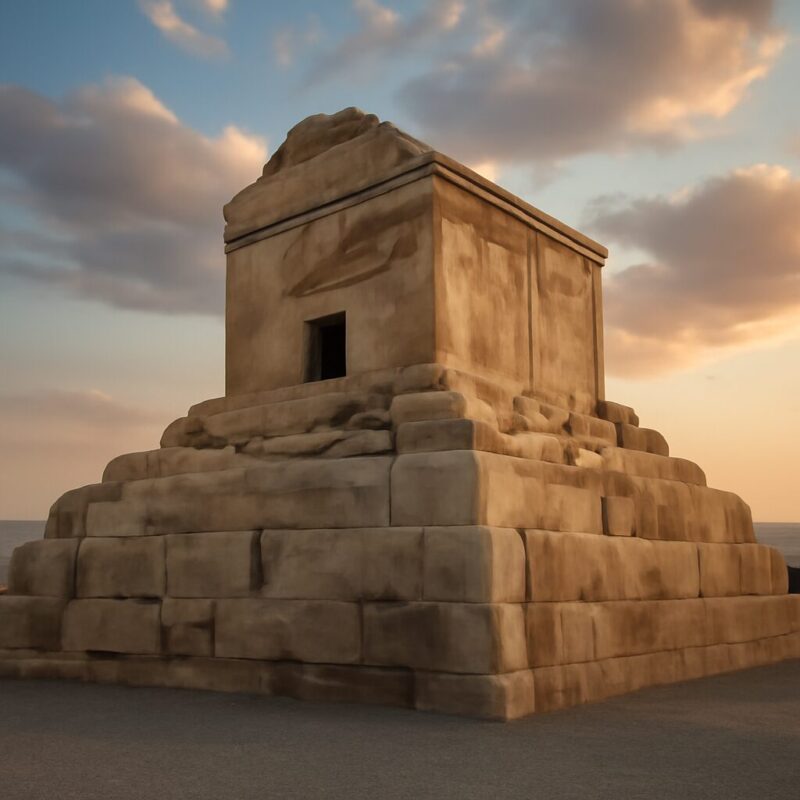
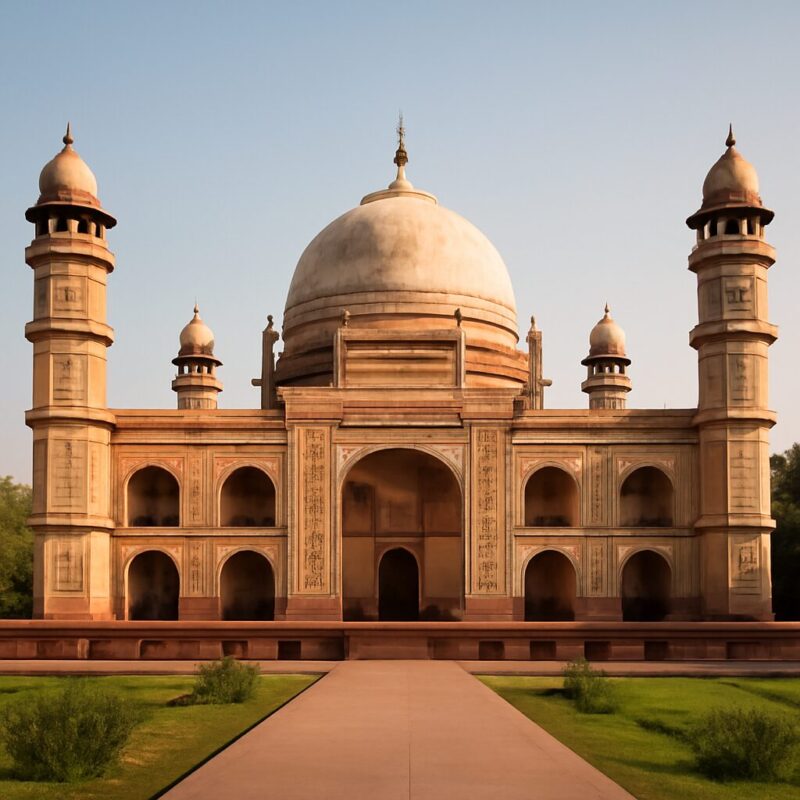
Nestled in the Shahdara Bagh of Lahore, the Tomb of Jahangir is a masterpiece of Mughal restraint. Unlike the blinding white marble of his successors, this emperor’s final resting place speaks in warm, earthy tones—rich red sandstone intricately inlaid with delicate floral patterns in white marble. The complex feels like a serene, walled garden, a deliberate paradise meant to echo the eternal. Its most striking feature is the ninety-nine names of Allah, calligraphically woven across the exterior, a silent, powerful tribute from a son, Shah Jahan, to his father. Four towering minarets mark the corners, their geometric precision softening as you draw closer, revealing themselves to be covered in a lacework of stone. It’s not a monument of overpowering grandeur, but one of profound dignity—a quiet, sun-dappled corner of history where art and devotion are baked into every brick.
Who Built Tomb of Jahangir?
Who Built the Tomb of Jahangir?
The Tomb of Jahangir was built for the Mughal Emperor Jahangir (r. 1605–1627) by his son and successor, Shah Jahan. Construction began after Jahangir's death in 1627 and was completed around 1637.
Why Was It Built?
It was built as a monumental imperial mausoleum to honor the fourth Mughal emperor. Located in Shahdara Bagh, Lahore (in present-day Pakistan), the tomb reflects Jahangir's own wishes to be buried in a simple garden tomb, though his son elevated it to a grand scale fitting a Mughal sovereign. The site became the centerpiece of a larger garden complex, embodying the Mughal ideal of paradise gardens.
Cultural and Architectural Context
The tomb is a prime example of later Mughal architecture, blending Persian, Islamic, and local Indian elements. Unlike the pure white marble used by Shah Jahan for later projects, this tomb extensively uses red sandstone with marble inlay (pietra dura), showcasing a transitional style. Its design, with a tall minaret at each corner and a prominent iwan (vaulted portal), influenced subsequent Mughal and regional tomb architecture.
Other Notable Construction by Shah Jahan
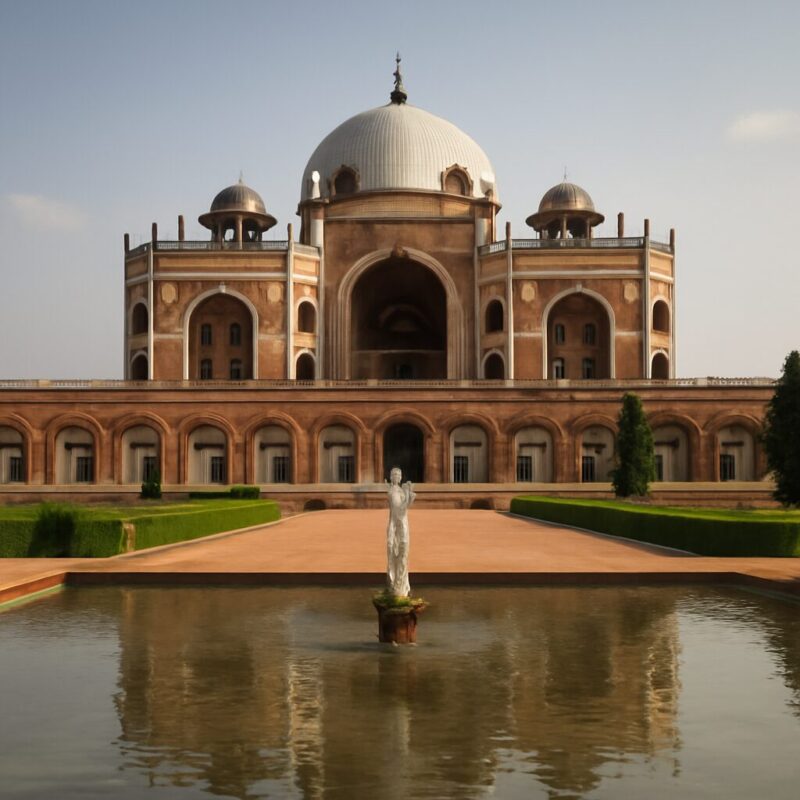
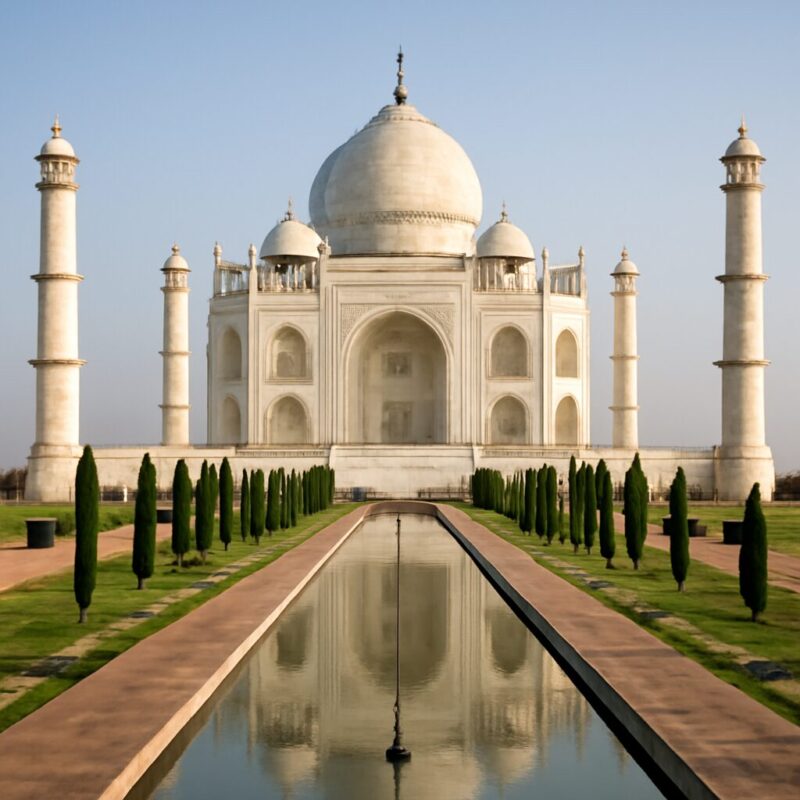
Shah Jahan, the fifth Mughal Emperor, is renowned for commissioning some of the world's most iconic structures. His architectural legacy is defined by a move towards pristine white marble and unparalleled decorative detail. The most famous example is, of course, the Taj Mahal, built in Agra as a mausoleum for his favorite wife, Mumtaz Mahal. Furthermore, he was responsible for building the Tomb of his grandfather, Humayun, in Delhi, which is a crucial precursor in the evolution of Mughal garden-tomb design.