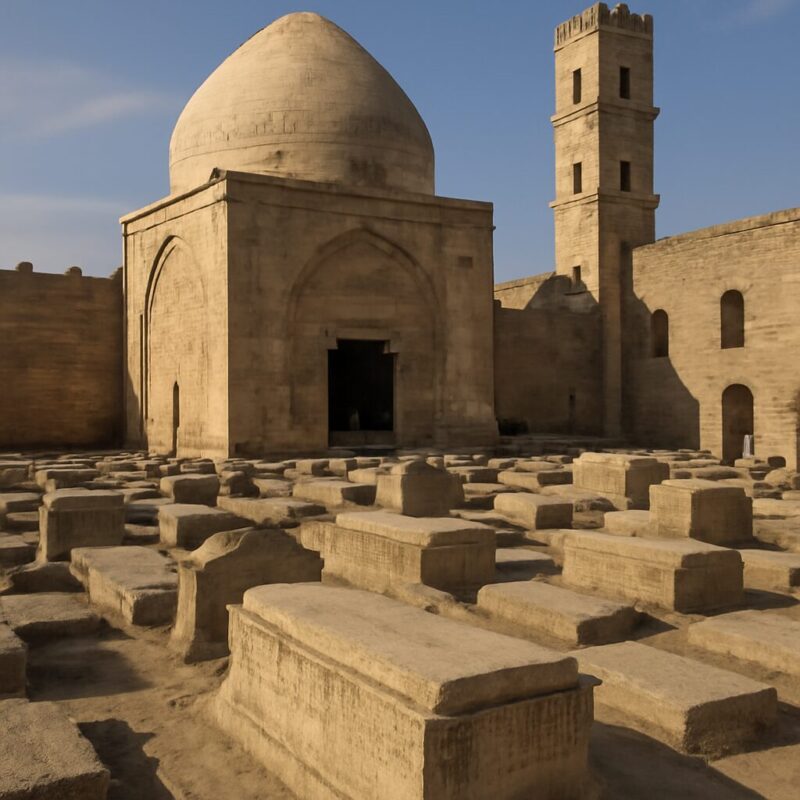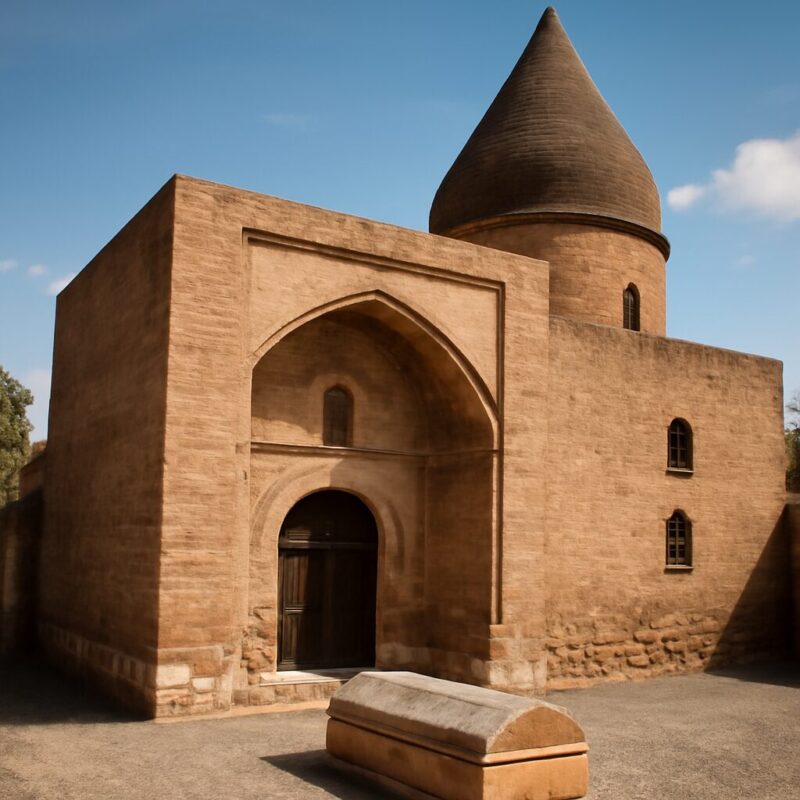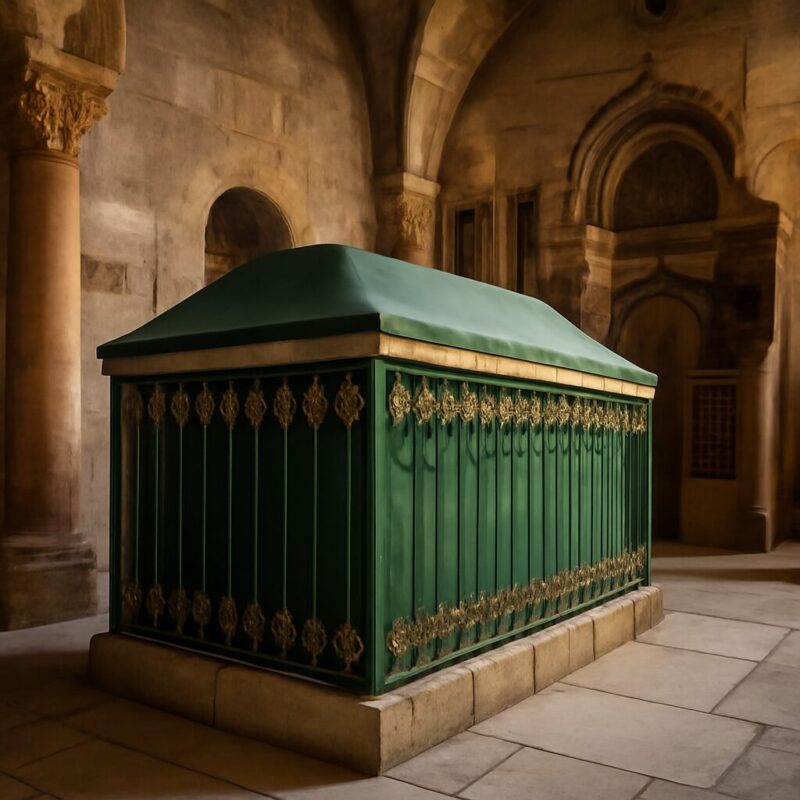
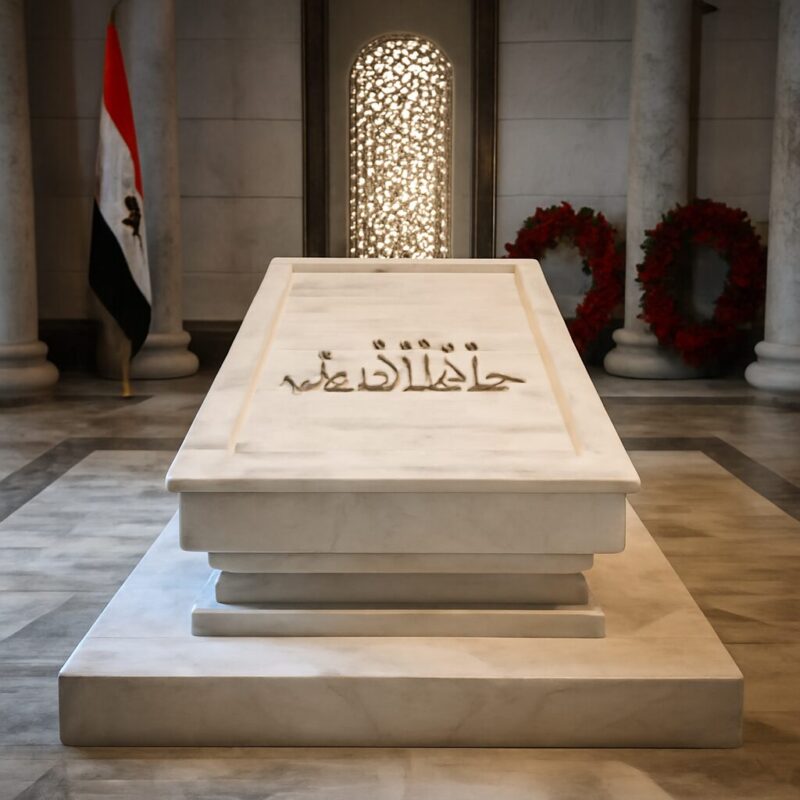
Nestled in the mountains of his birthplace, Qardaha, the tomb of Hafez al-Assad is a monument of stark, imposing power. It speaks less of eternal rest and more of enduring presence. A massive cube of pale stone, austere and geometric, it dominates the hillside, a deliberate echo of the man's unchallengeable, three-decade rule. The structure feels less like a sanctuary and more like a fortress for a legacy, its sheer walls offering no softness, only the weight of history. Inside, the air is cool and still, the simplicity almost severe, centering on the dark marble tomb itself. It is a place of pilgrimage and silence, where the echoes of Syria's recent past are felt, not heard.
Who Built Tomb of Hafez al Assad?
Who Built the Tomb of Hafez al-Assad?
The tomb of Hafez al-Assad, the former President of Syria, was commissioned and built by the Syrian state under the direction of his son and successor, Bashar al-Assad, following Hafez's death in 2000. It was constructed as a national monument and a site of veneration for the late leader.
Why Was It Built?
The tomb was built to serve as a grand mausoleum for the long-ruling president, solidifying his legacy and providing a focal point for the personality cult that surrounded his rule. Located in his hometown of Qardaha, it functions as both a burial site and a political symbol, intended to reinforce the authority and continuity of the Assad family's leadership in Syria.
Related Cultural Context: Modern Political Mausoleums
The construction of monumental tombs for modern political leaders is a practice seen in various 20th-century authoritarian or single-party states. These structures often blend national architectural styles with modernist elements to create spaces designed for public pilgrimage and the perpetuation of a political legacy.
Other Relevant Tombs from the List
While the tomb of Hafez al-Assad is a modern political mausoleum, the practice of building elaborate tombs for rulers connects to ancient traditions worldwide. For example, the concept of a dynastic tomb can be seen in structures like the Ming Tombs of China or the Mausoleum of Augustus in Rome. In a more contemporary vein, though from a different cultural context, the Tomb of Simón Bolívar serves a similar purpose as a national monument to a foundational political leader.